

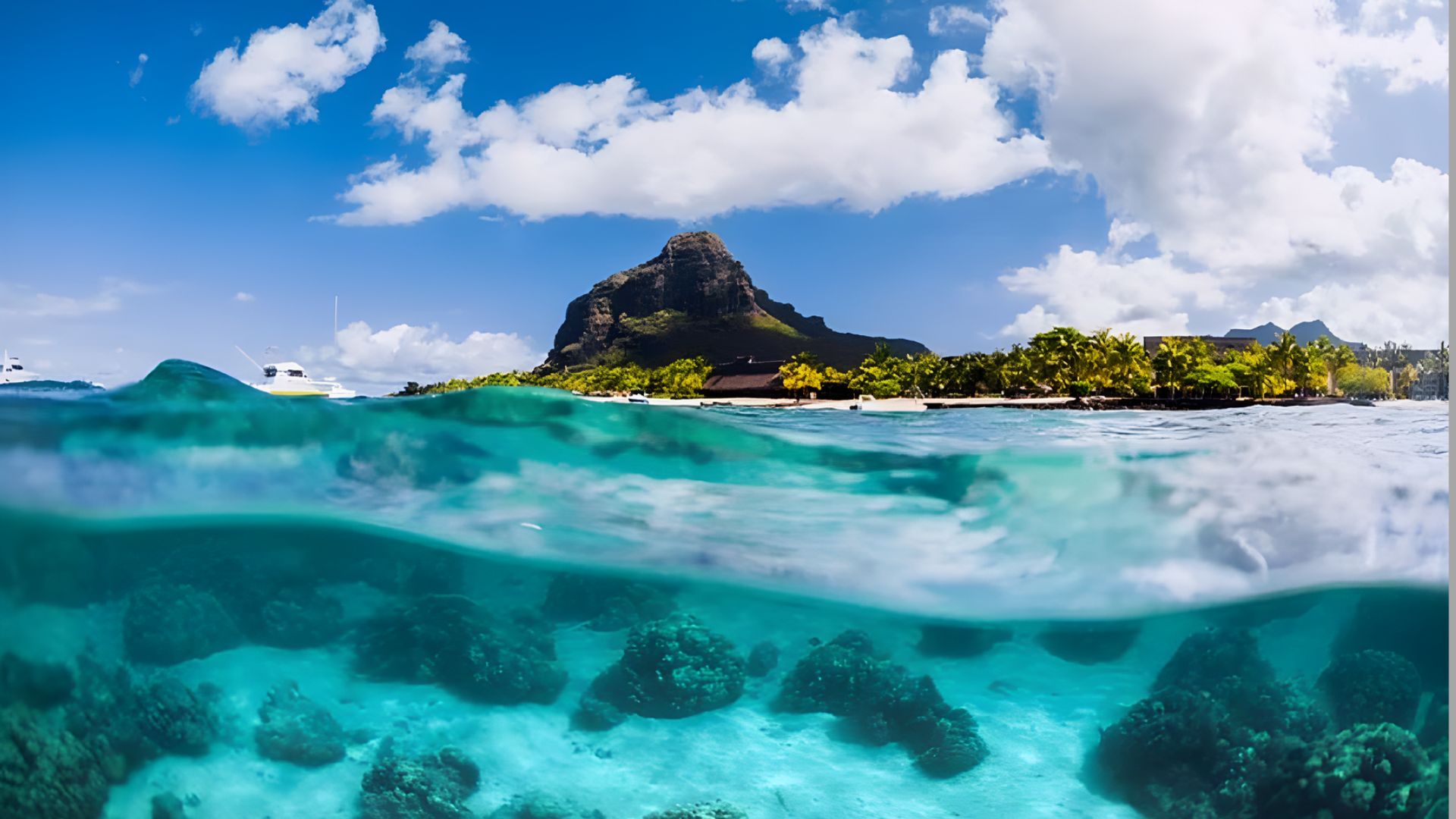
Some water just stops you cold. That deep, almost unreal blue you see in photos? It’s real. And once you see it in person, you never forget it.
Travelers go out of their way to find it. They book long flights, plan trips months ahead, and search for that one perfect spot. There’s something about blue water that pulls people in.
That color comes from light, depth, and minerals working together. The deeper the water, the more it reflects blue.
This guide covers 21 places with the bluest water on Earth. Let’s get into it.
What Makes Water Look So Blue?

Water looks blue because of how light behaves. Water absorbs red and yellow light, then reflects blue back to your eyes. The clearer and deeper the water, the stronger that blue appears.
But not all blue water looks the same. Tropical beaches get their bright turquoise color from shallow water sitting over white sand and coral reefs.
Deep oceans and large lakes show a rich, dark blue. Glacial lakes look milky blue because of fine rock particles suspended in the water. Each shade comes from a different source.
List of 21 Places with the Bluest Water in the World
The world has some incredible spots where the water looks almost too blue to be real. These 21 places prove that nature does it best.
1. The Maldives, Maldives
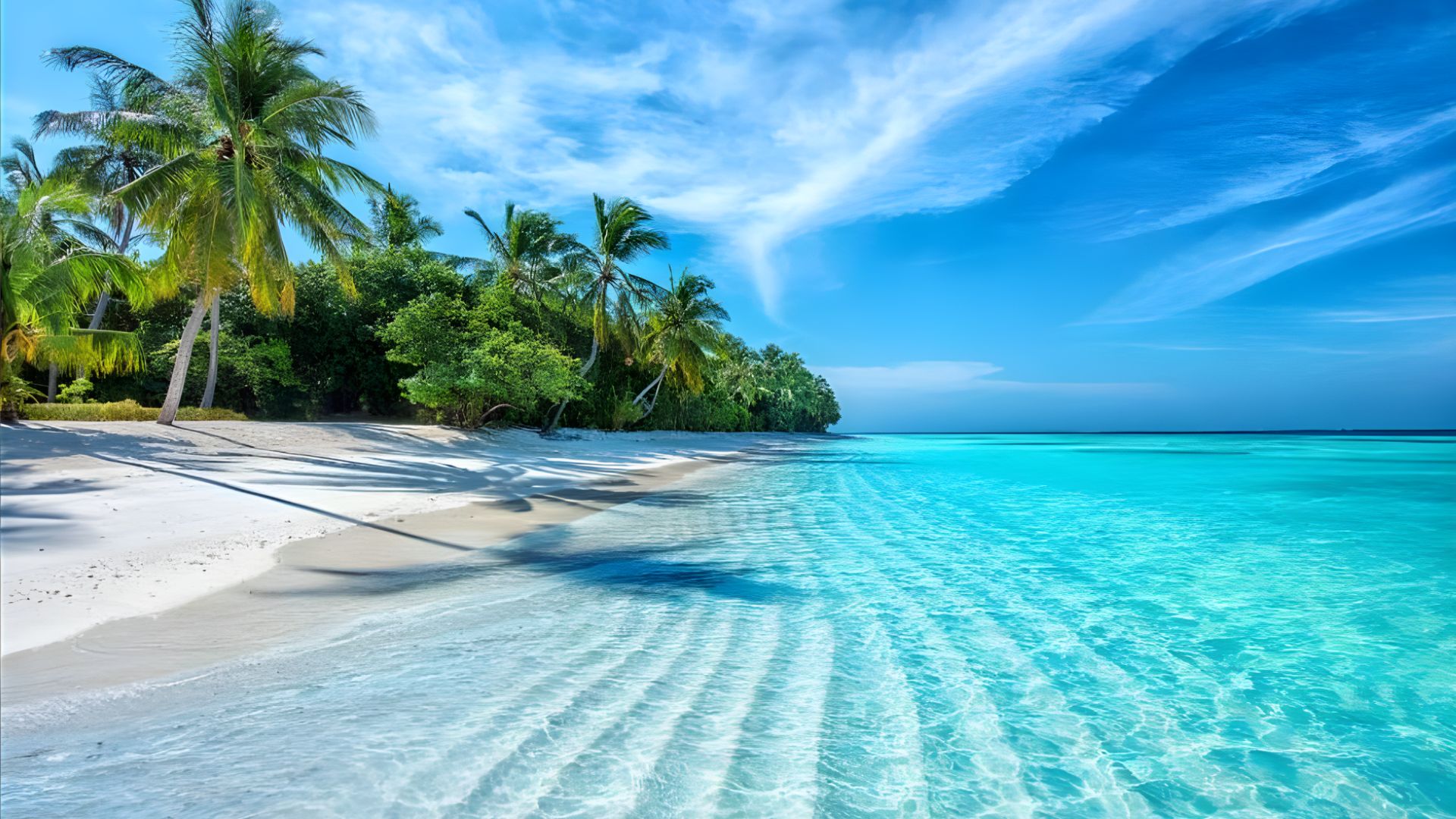
The Maldives sits in the Indian Ocean with some of the clearest lagoons on Earth. Coral reefs sit just below the surface, keeping the water bright and glassy.
The color shifts from pale aqua near the shore to deep blue further out.
2. Palawan, Philippines

El Nido in Palawan is known for its hidden lagoons and towering limestone cliffs. The water shifts from pale blue to deep turquoise depending on where you stand.
It is one of the most photographed coastlines in Southeast Asia for good reason.
3. Krabi and Koh Samui, Thailand
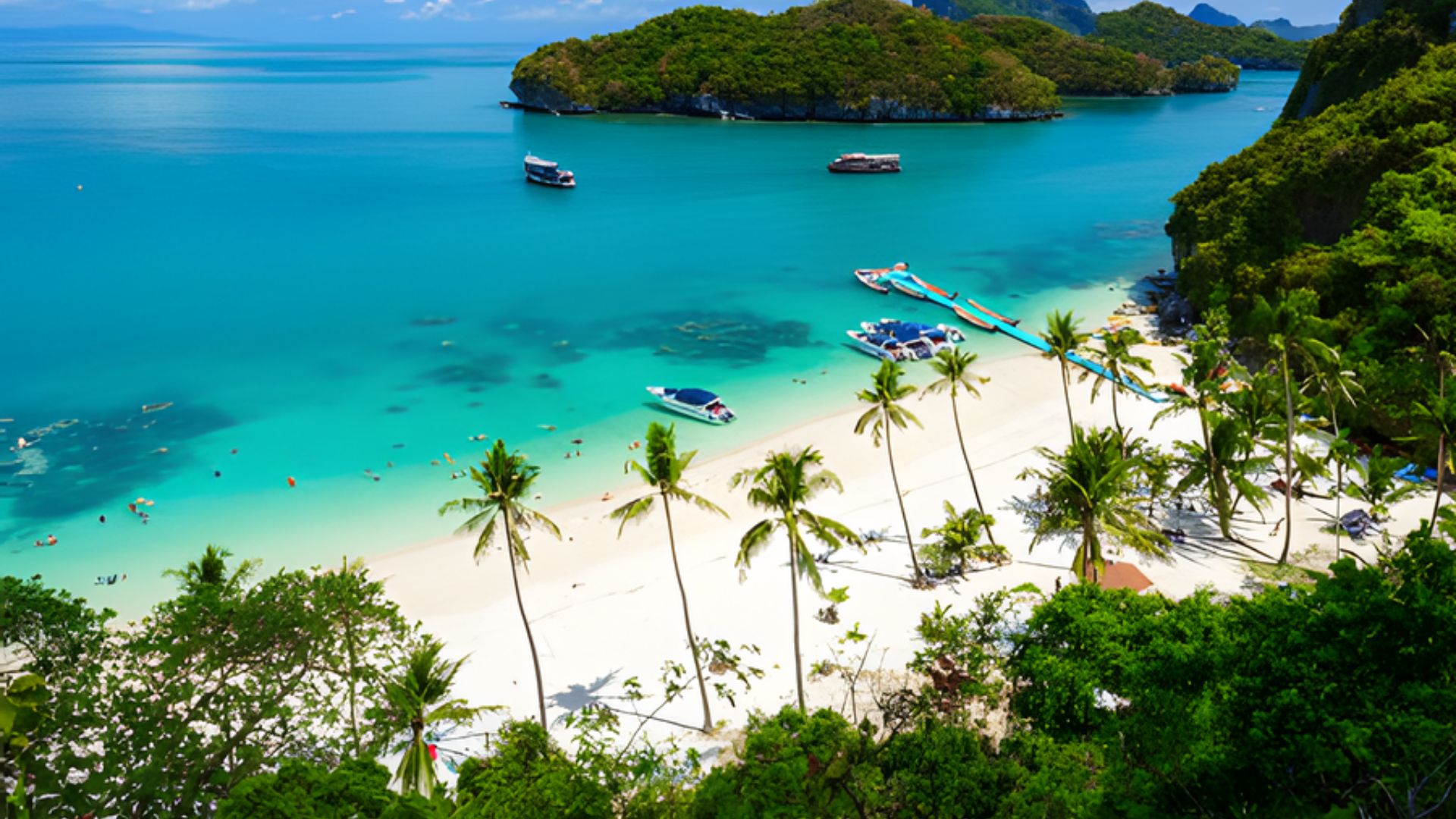
Thailand’s southern islands offer warm, clear water with some of the best visibility in Asia. Krabi and Koh Samui both sit near coral reefs that keep the water bright and clean.
Island hopping here gives you a different shade of blue at every stop.
4. Aitutaki Lagoon, Cook Islands

Aitutaki Lagoon is one of the clearest in the entire Pacific. Shallow water sitting over white sand creates a pale, almost glowing blue that looks unreal in photos.
The lagoon is wide, calm, and easy to spend a full day on.
5. Exuma Cays, Bahamas
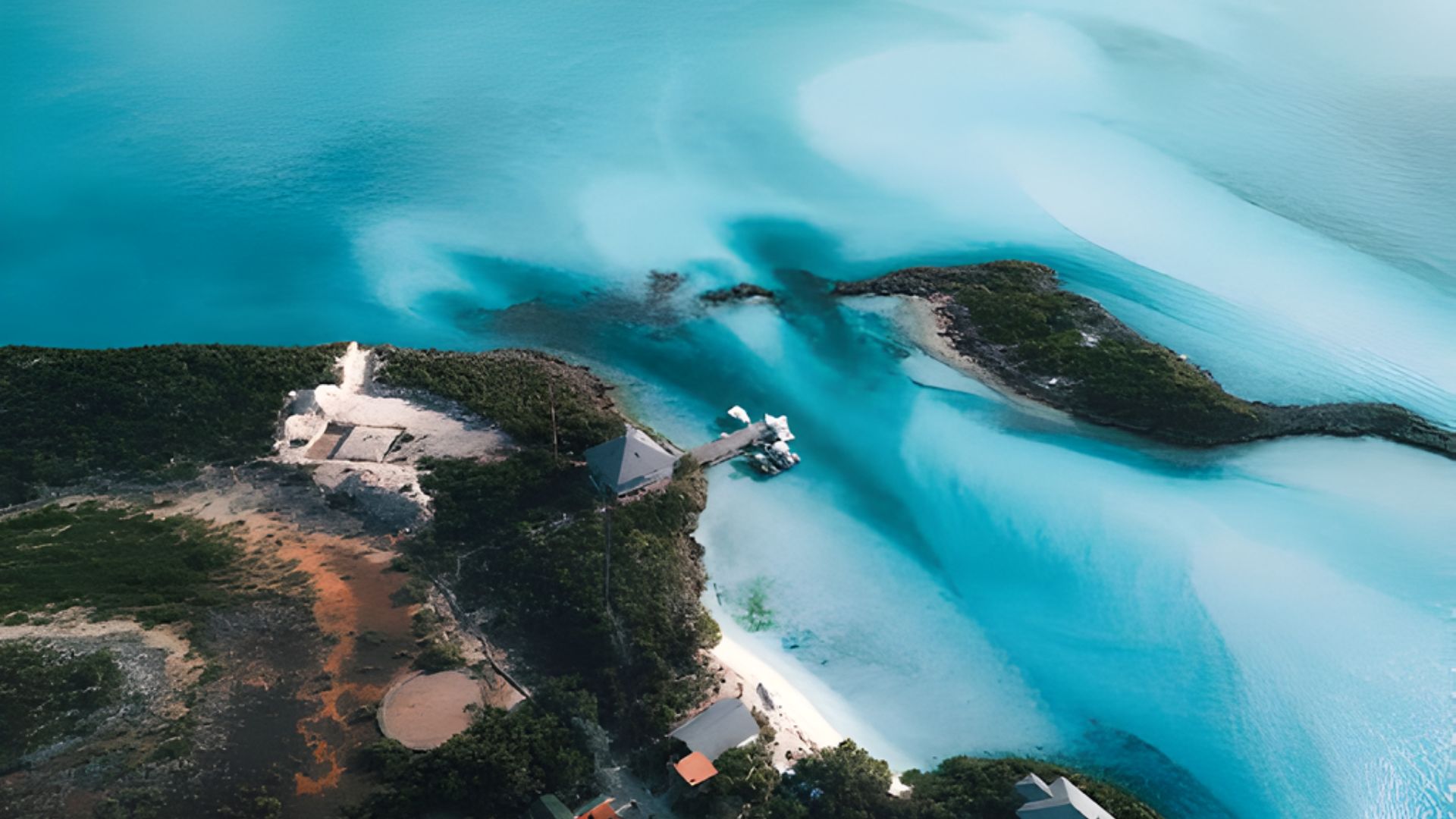
The Exuma Cays have water so blue it barely looks real. Sandbars and shallow flats keep the color bright turquoise all the way to the horizon. The area stretches across dozens of small islands, each with its own shade of blue.
6. Ambergris Caye, Belize
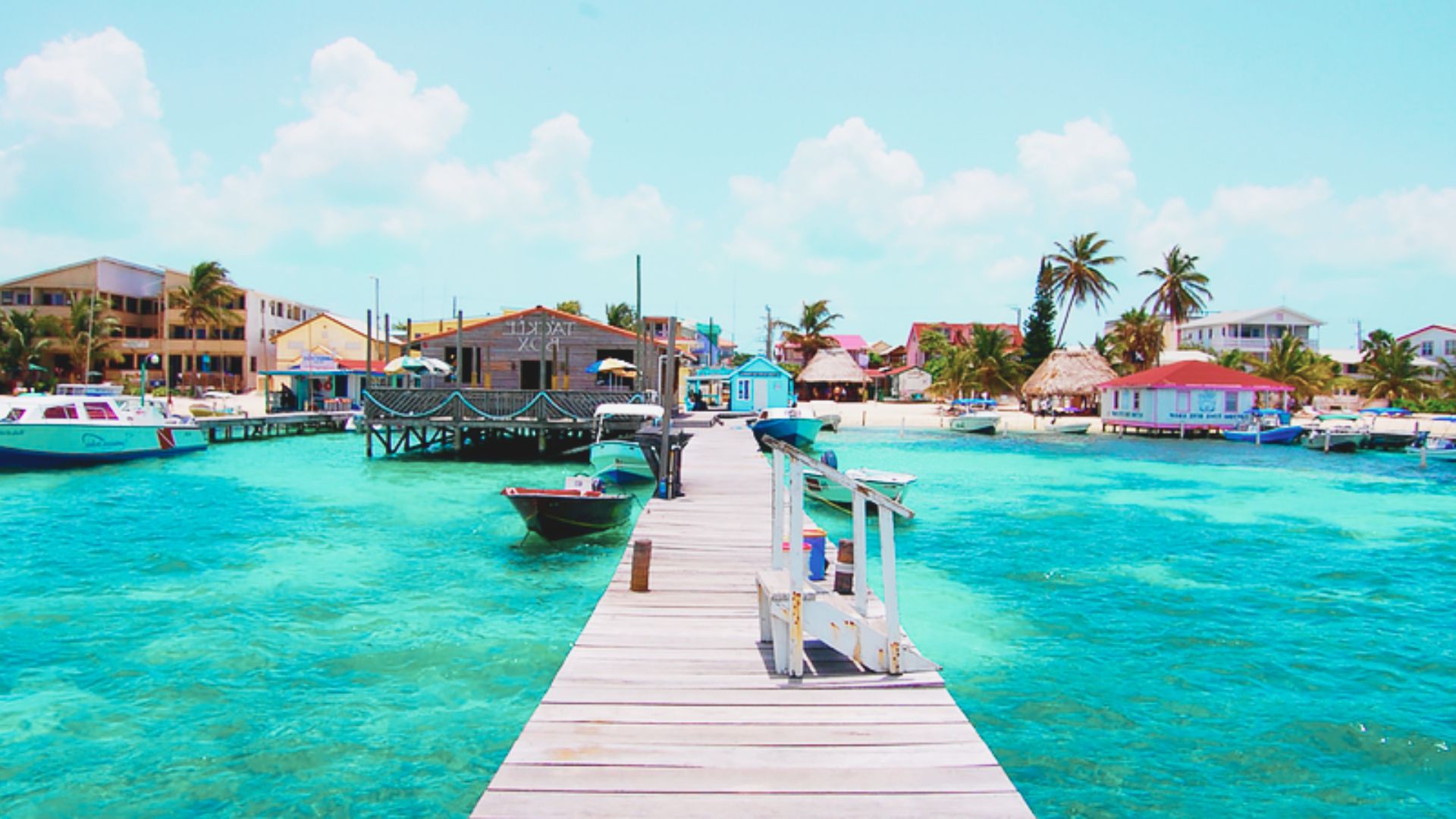
Ambergris Caye sits right next to the Belize Barrier Reef, the second largest in the world. The reef keeps the water a deep, rich blue close to shore. Snorkeling and diving here puts you right in the middle of that color.
7. Navagio Beach, Zakynthos
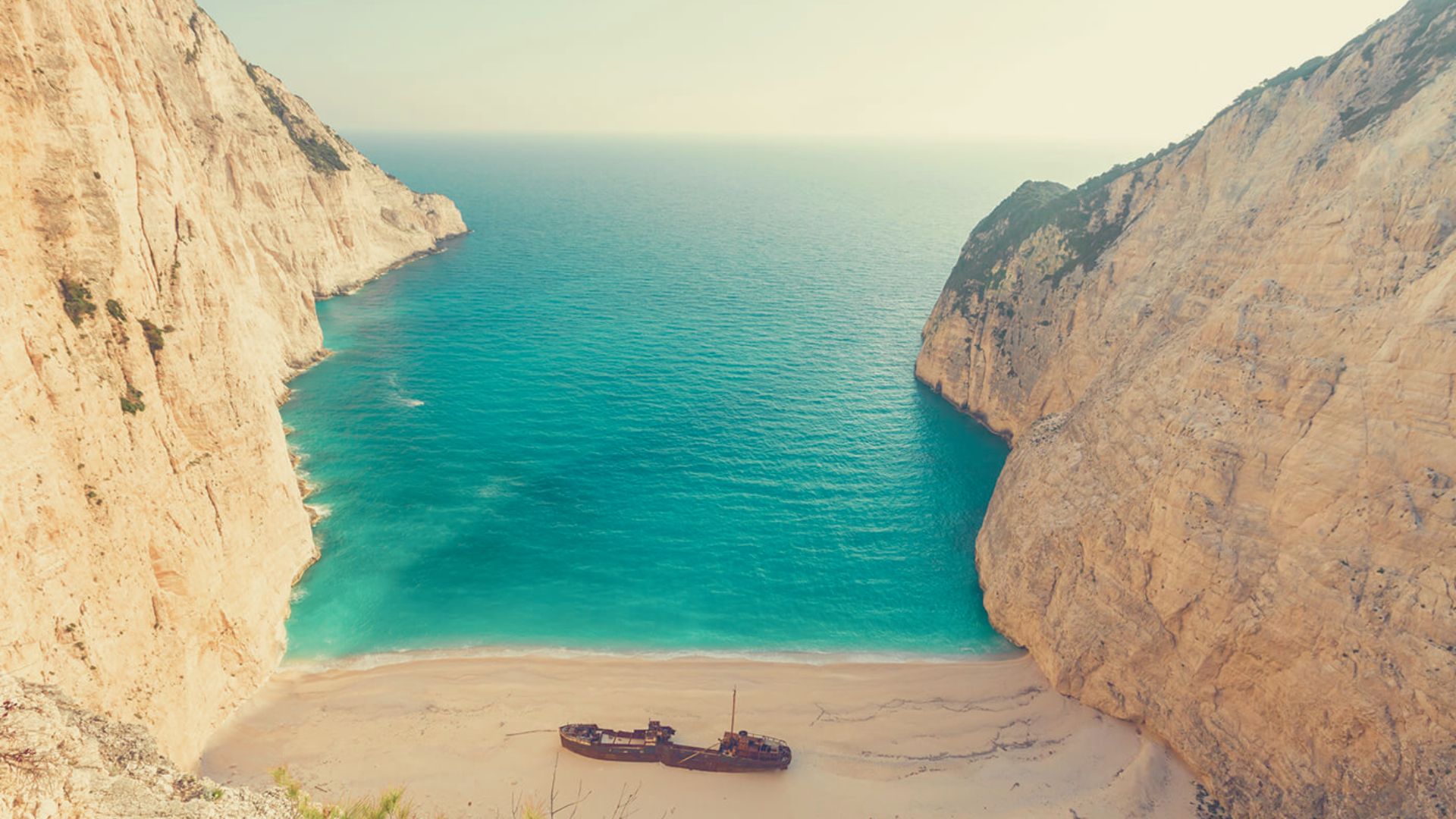
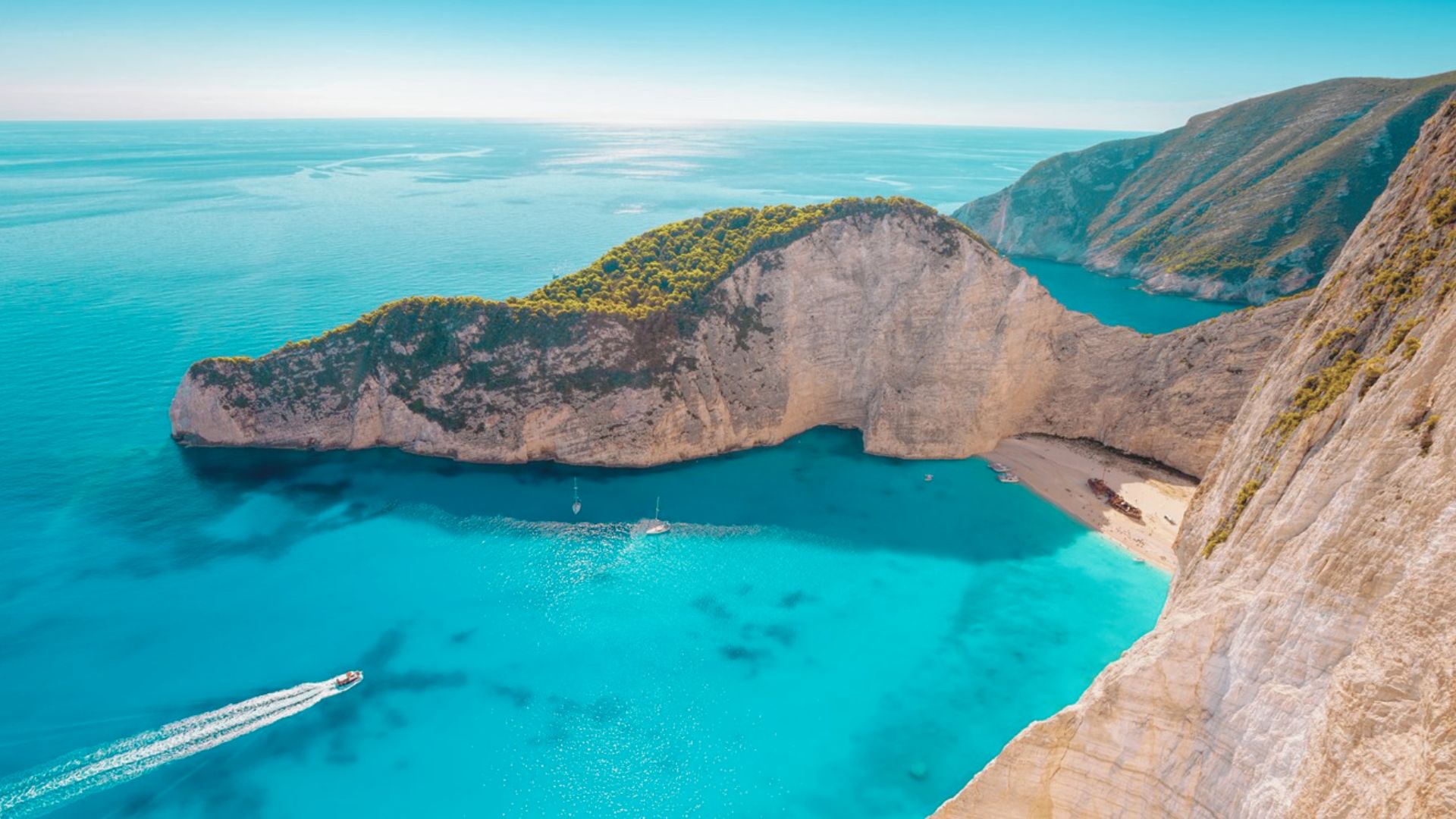
Navagio Beach in Greece is home to a rusted shipwreck sitting in some of the brightest blue water in Europe. Tall white cliffs surround the cove and make the color look even more vivid. It is only reachable by boat, which adds to the appeal.
8. Cala Macarelleta, Menorca
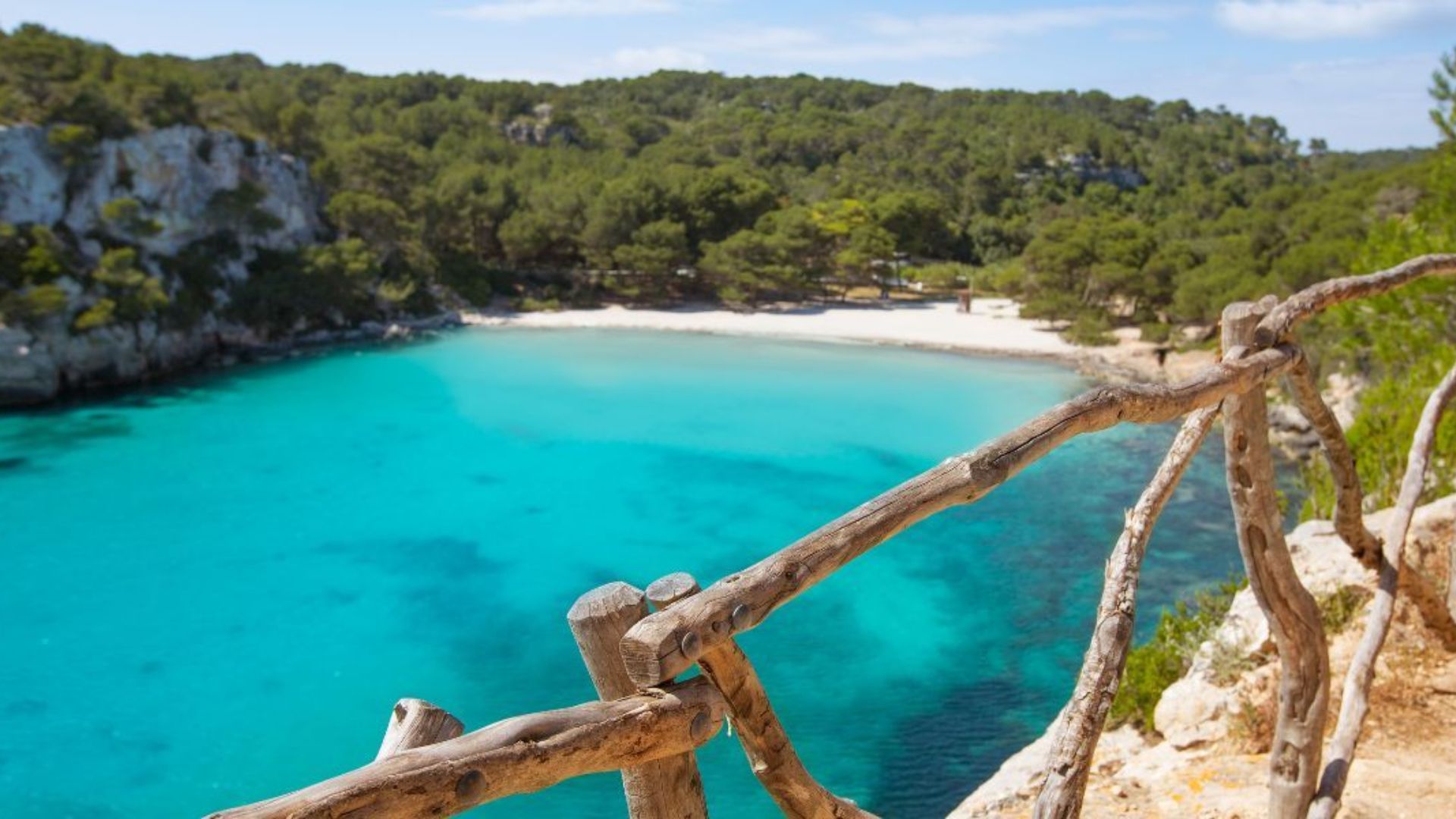
This small cove in Menorca is tucked away from the crowds and easy to miss. The water is a clear, bright blue over white rock and fine sand. It is one of the most well-kept secrets along the Mediterranean coastline.
9. Blue Lagoon, Iceland
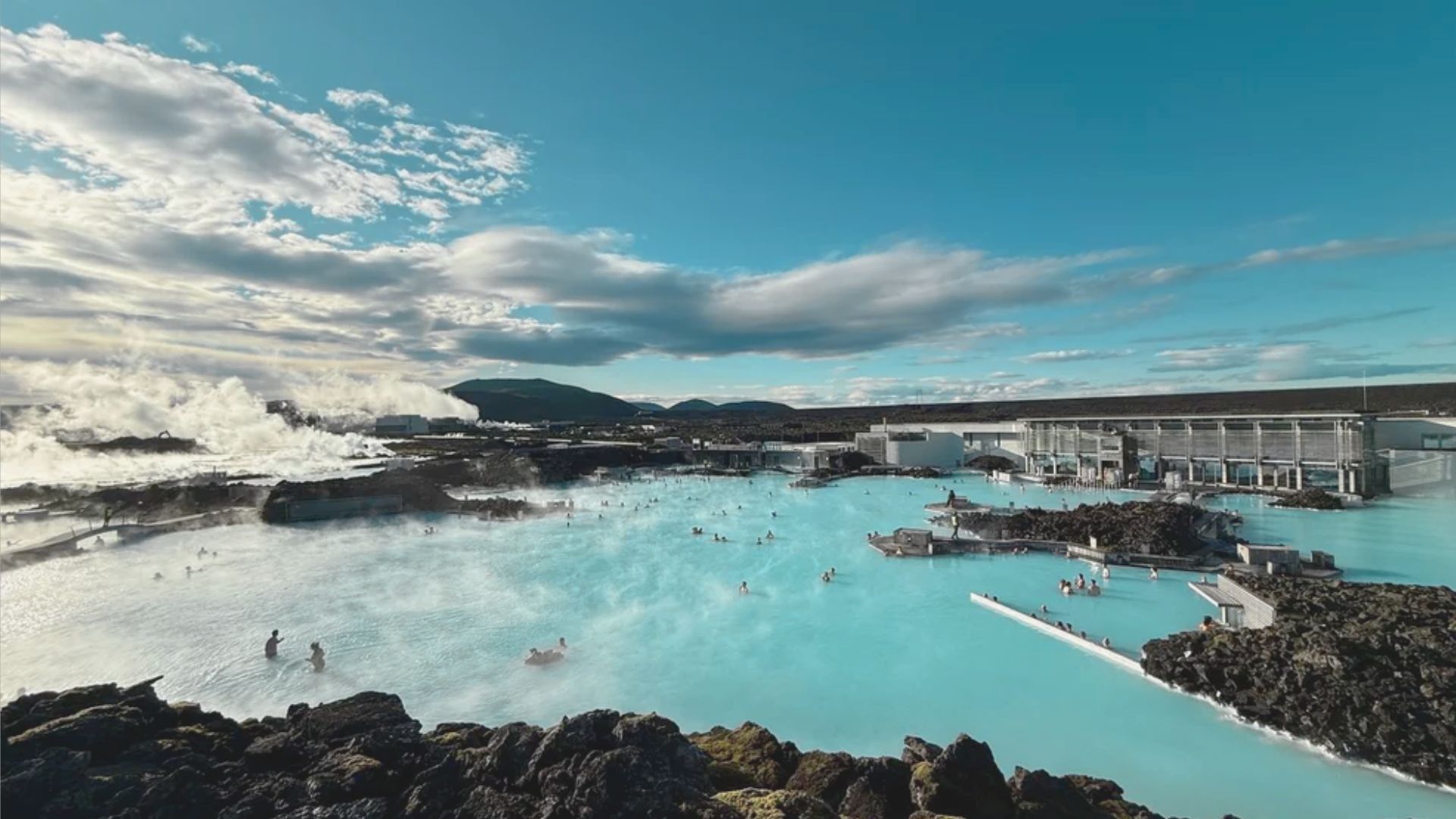
The Blue Lagoon in Iceland gets its milky blue color from silica and geothermal minerals in the water. It sits in the middle of a dark lava field and stays warm all year. The contrast between the blue water and black rock is hard to forget.
10. Plitvice Lakes National Park, Croatia
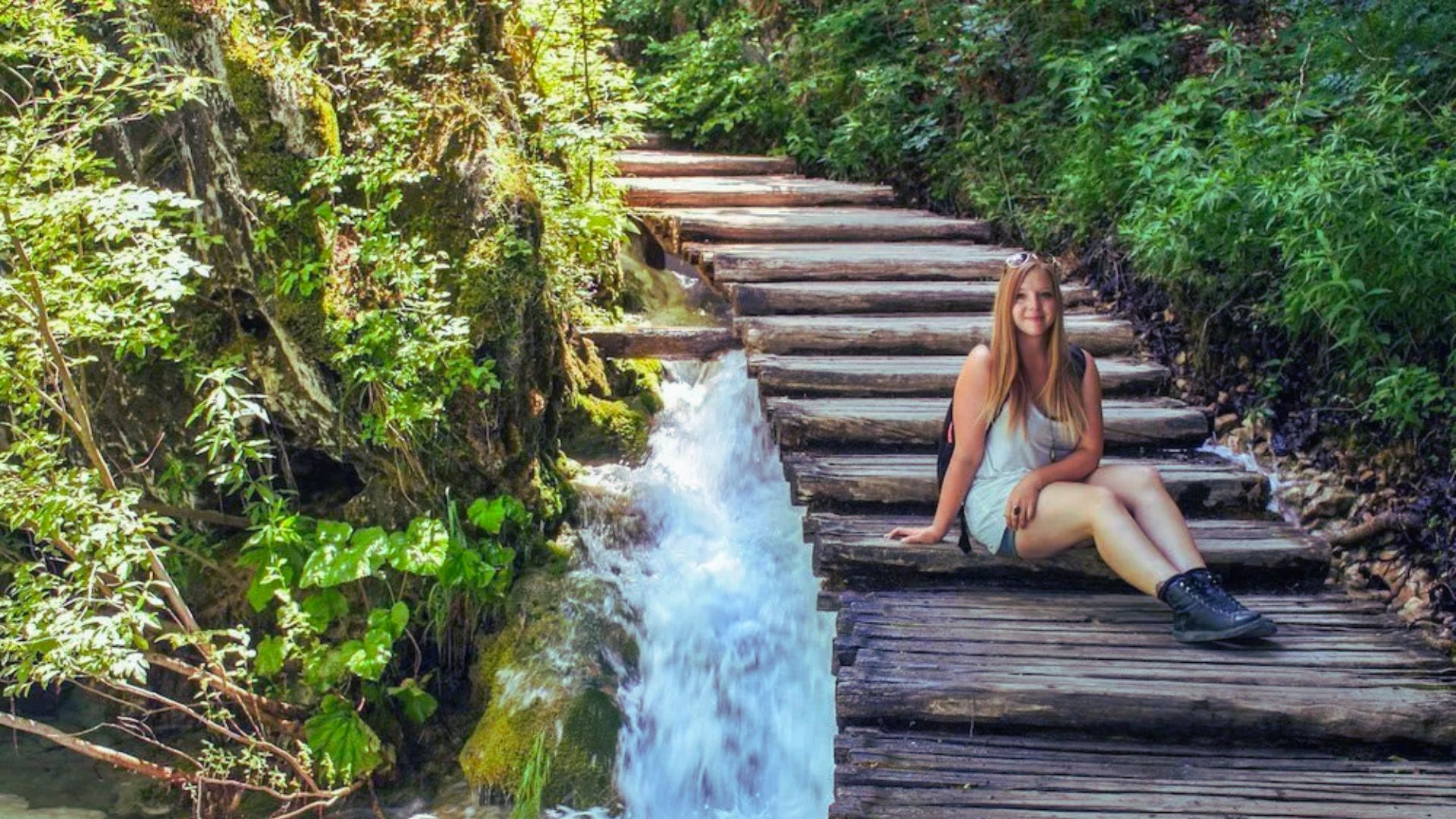
Plitvice has a long chain of connected lakes and waterfalls with vivid turquoise water running through them. Minerals and algae in the water react with light to create that color. Wooden walkways let you get close to the water at every level of the park.
11. Five Flower Lake, China
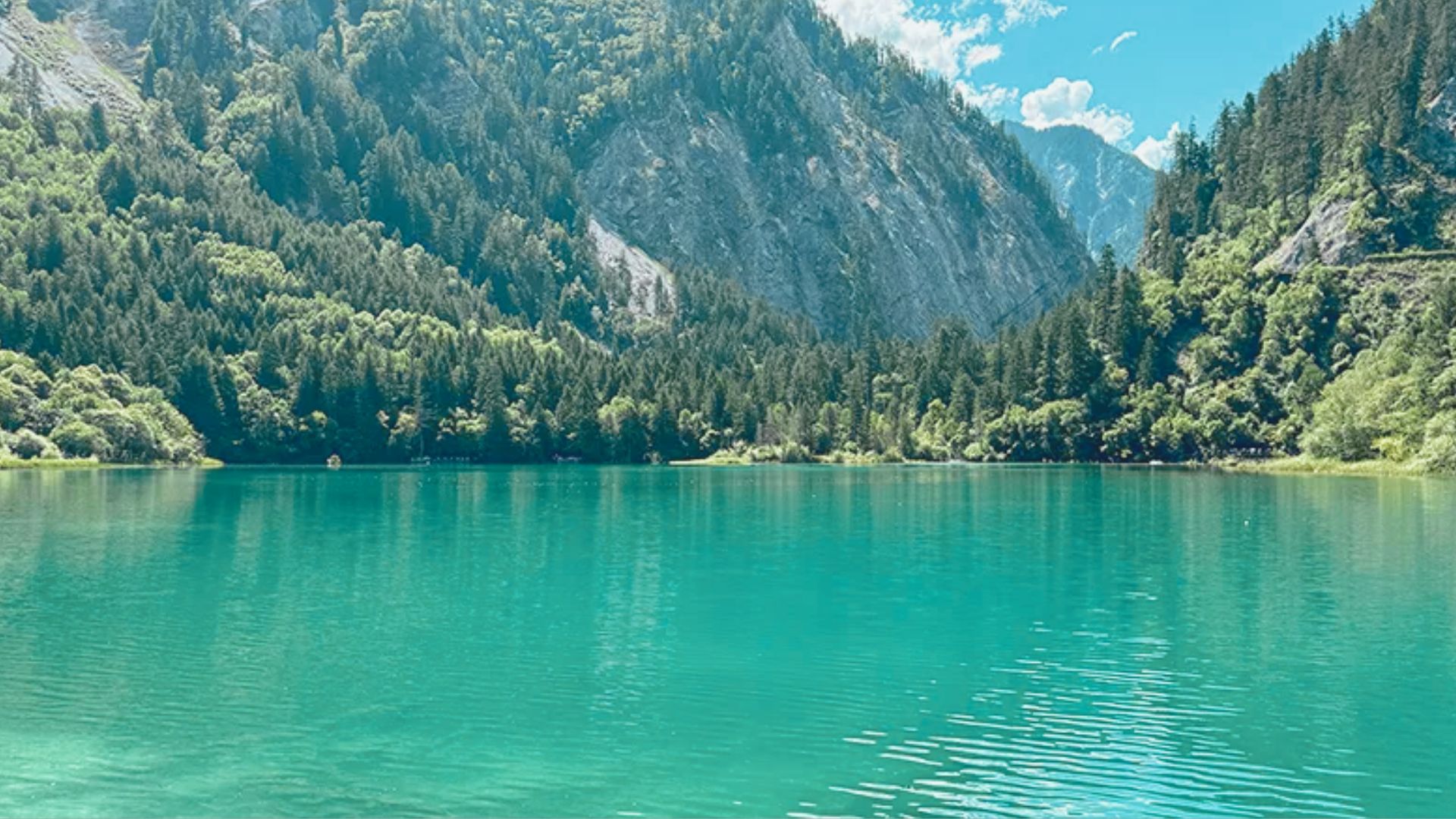
Five Flower Lake sits inside Jiuzhaigou Valley and shows multiple shades of blue and green at once. The water is so clear that fallen tree trunks on the bottom are fully visible. The result looks almost like a painting rather than a real lake.
12. Peyto Lake, Alberta
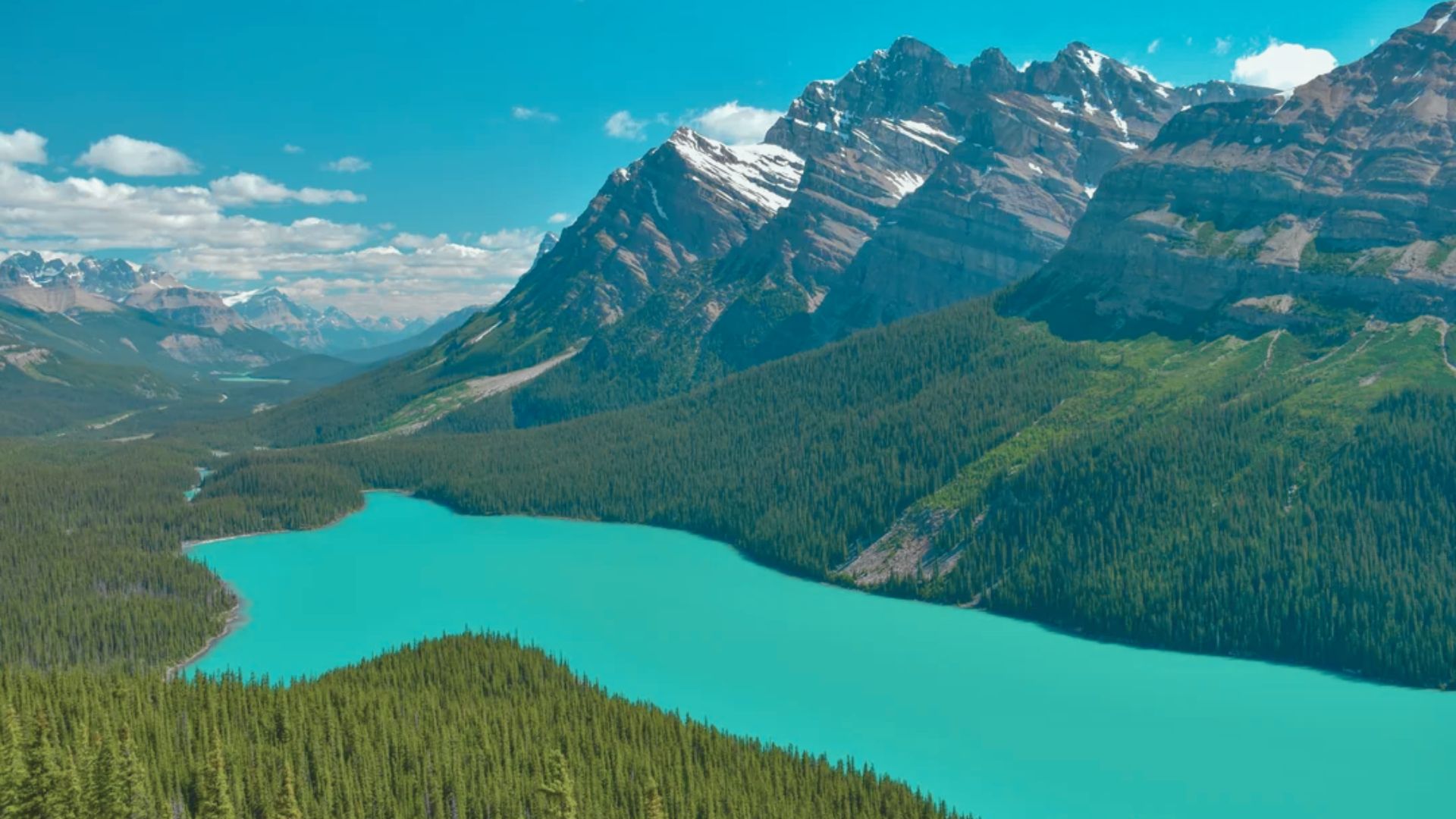
Peyto Lake in the Canadian Rockies gets its bright blue color from glacial rock flour carried into the water. In summer, the color peaks and looks almost electric from the viewpoint above. It is one of the most visited lakes in Banff National Park.
13. Crater Lake, Oregon
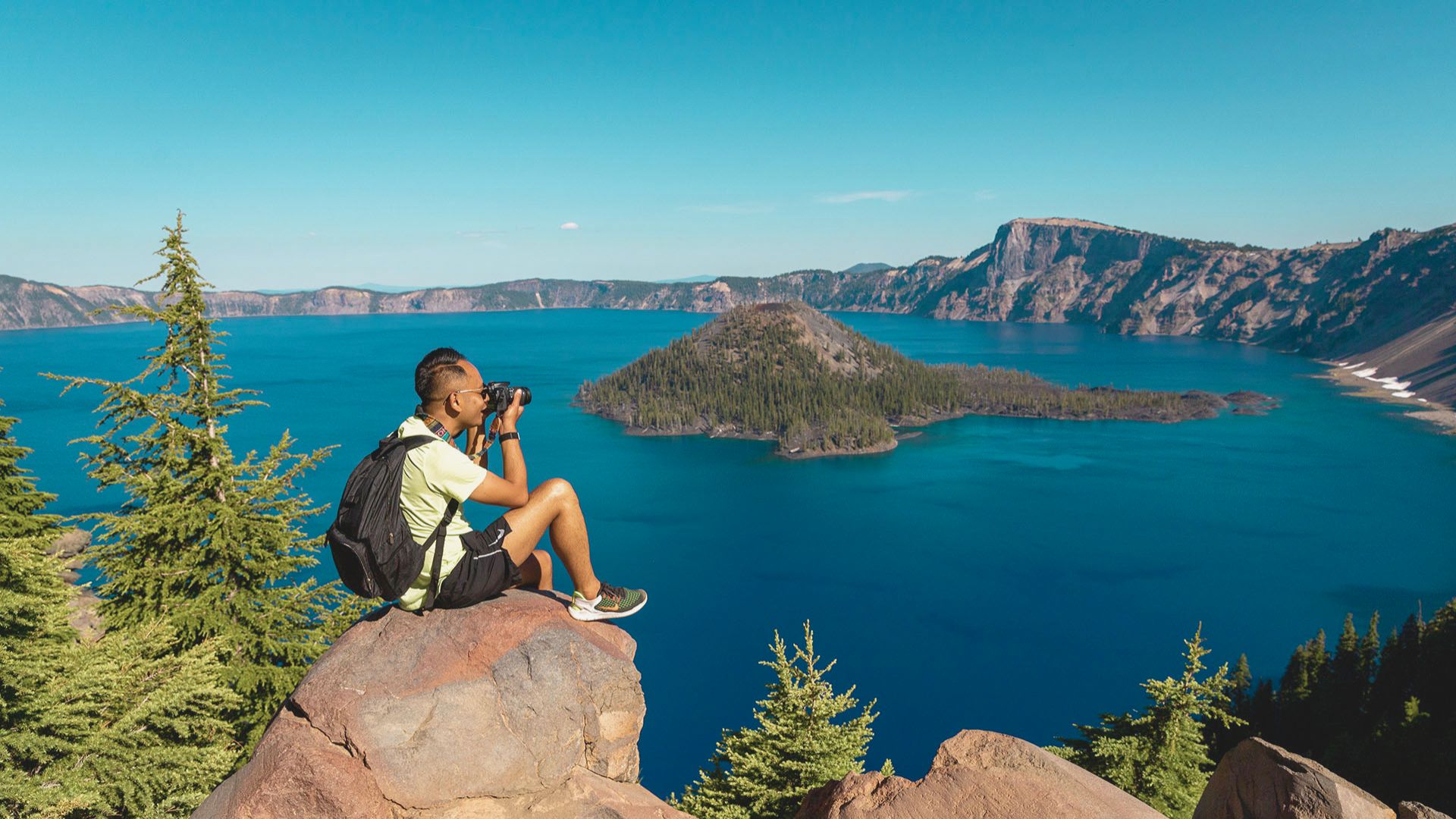
Crater Lake is one of the deepest lakes in the United States, formed inside an ancient volcanic crater. With no rivers feeding into it, the water stays incredibly pure and clear. That purity gives it a deep, dark navy blue that is hard to match anywhere.
14. Huascarán National Park, Peru
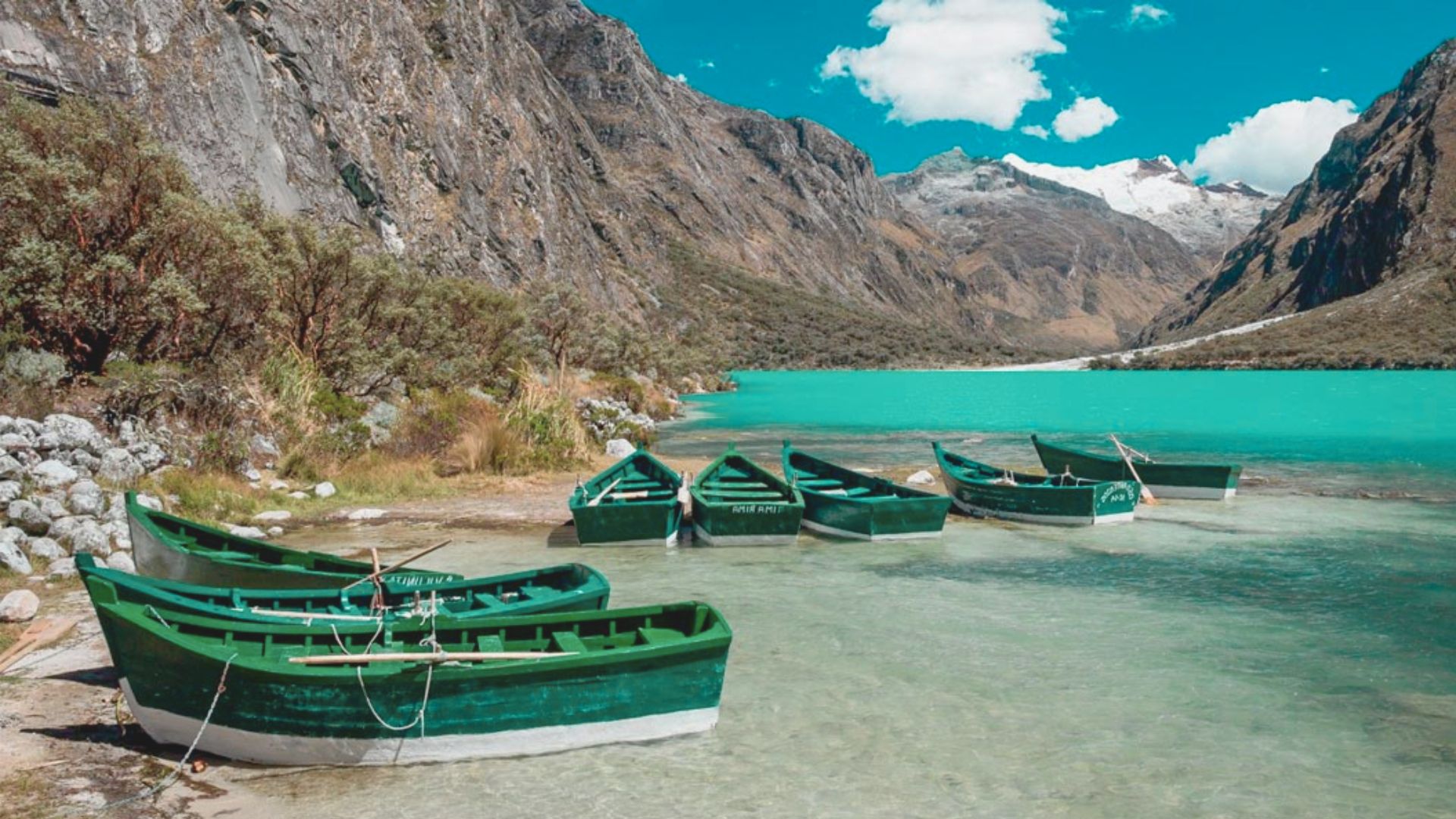
The glacial lakes inside Huascarán sit high in the Andes Mountains surrounded by snow and rock. Rock flour from melting glaciers gives the water a striking turquoise color. The contrast between the blue water and the white peaks around it is remarkable.
15. Geirangerfjord, Norway
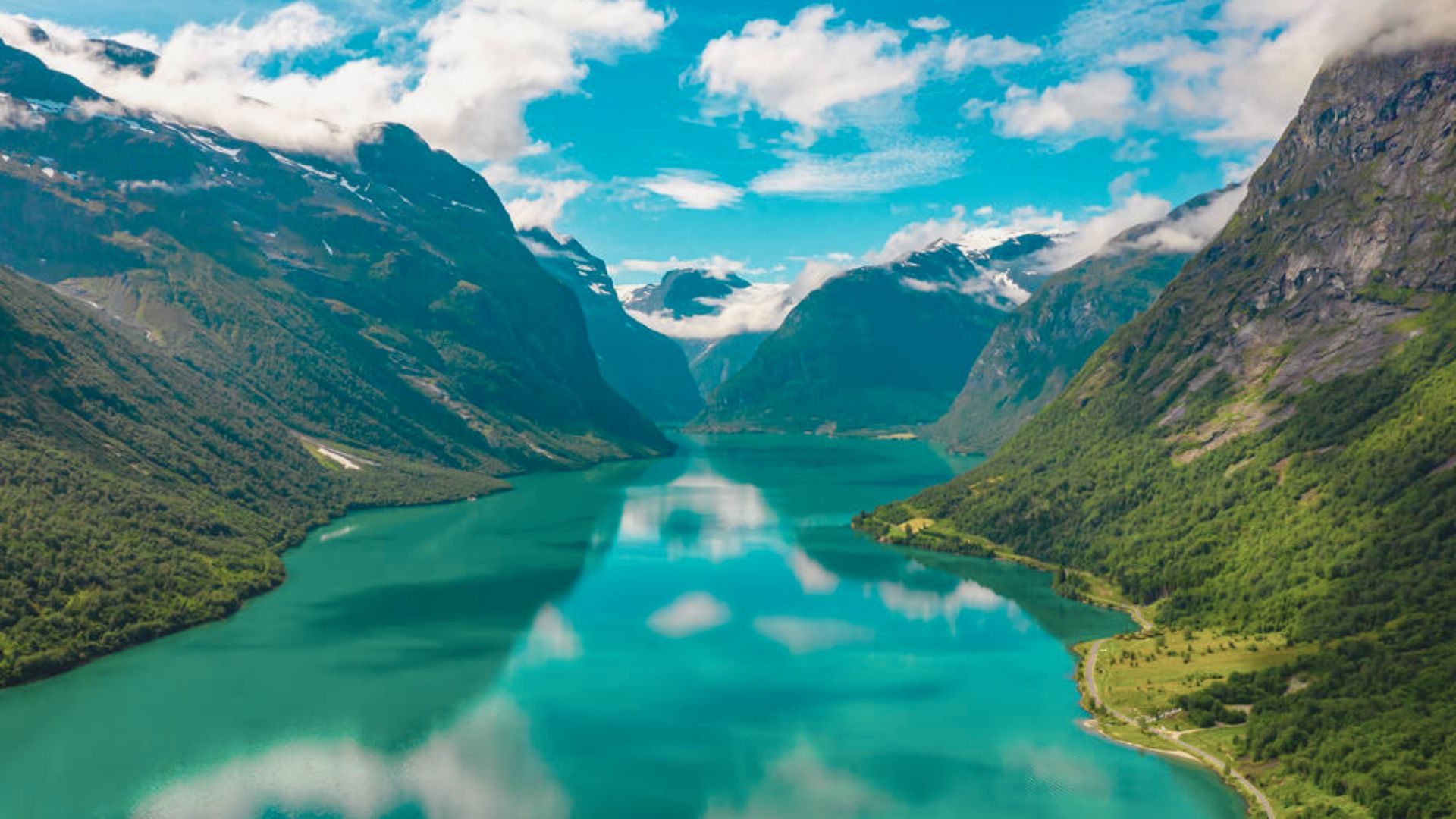
Geirangerfjord cuts deep into the Norwegian mountains with cold, dark blue water running through it. Waterfalls drop straight into the fjord from the cliffs above. It is one of the most dramatic water views in all of Europe and a UNESCO World Heritage Site.
16. Trunk Bay, U.S. Virgin Islands
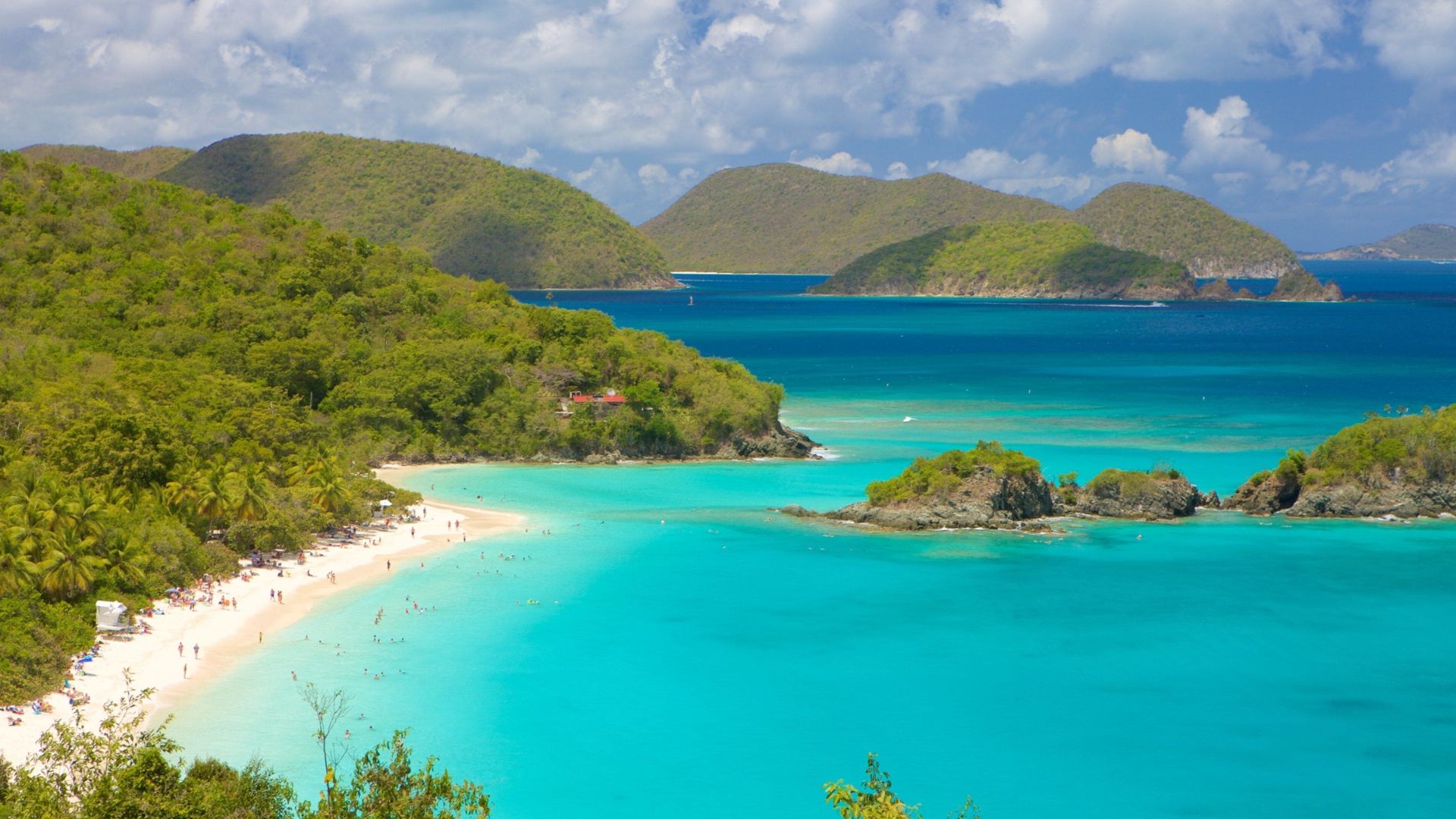
Trunk Bay is one of the top snorkeling spots in the Caribbean, known for its clear, calm water. The blue color stays consistent along the entire shoreline, even on cloudy days. An underwater snorkeling trail makes it a great spot for first-time snorkelers.
17. Shoal Bay, Anguilla
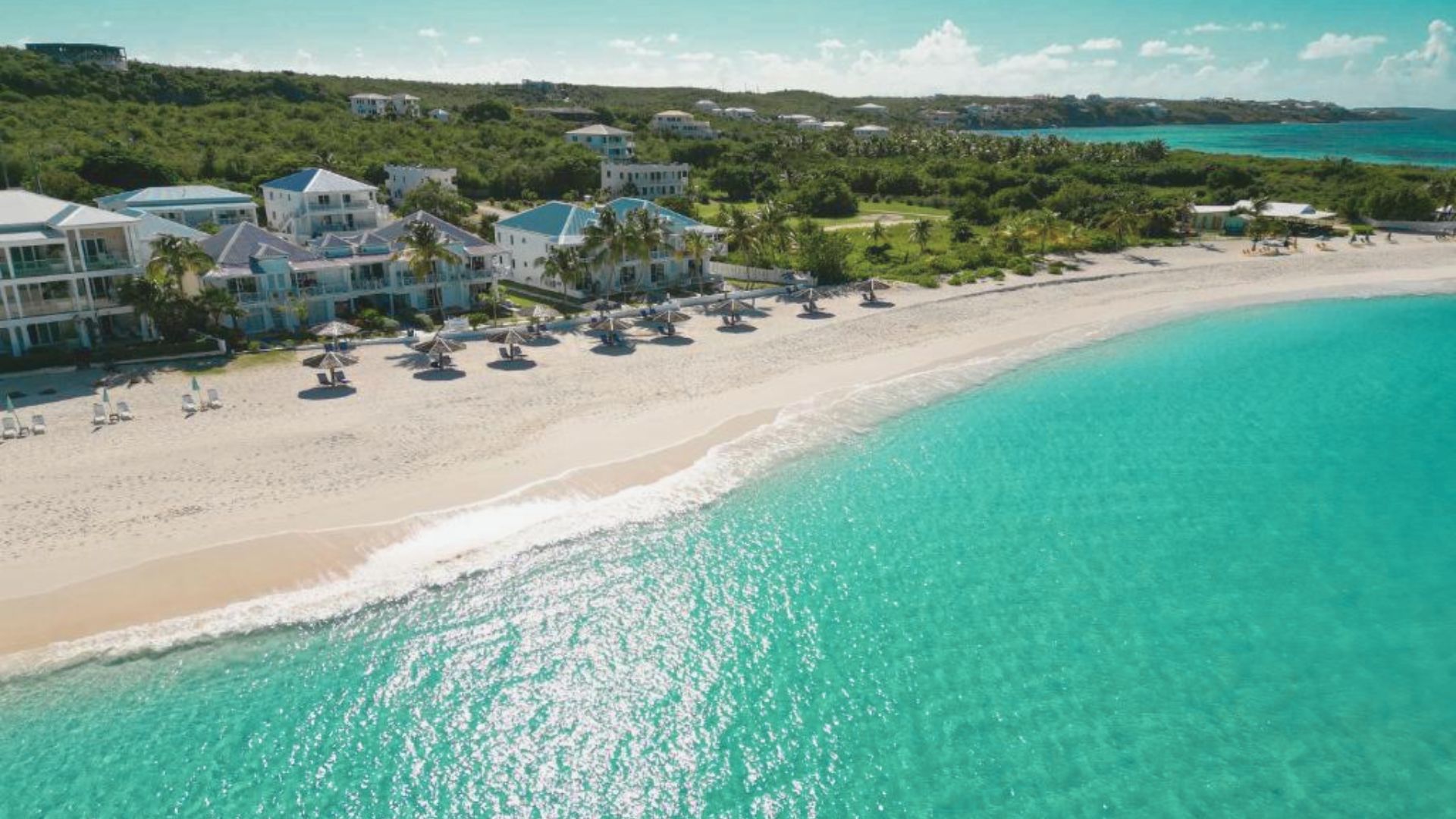
Shoal Bay is a long stretch of white sand with bright turquoise water that stays shallow for a good distance out. The color is vivid and consistent from one end of the beach to the other. It is widely considered one of the most photogenic beaches in the Caribbean.
18. Cozumel, Mexico
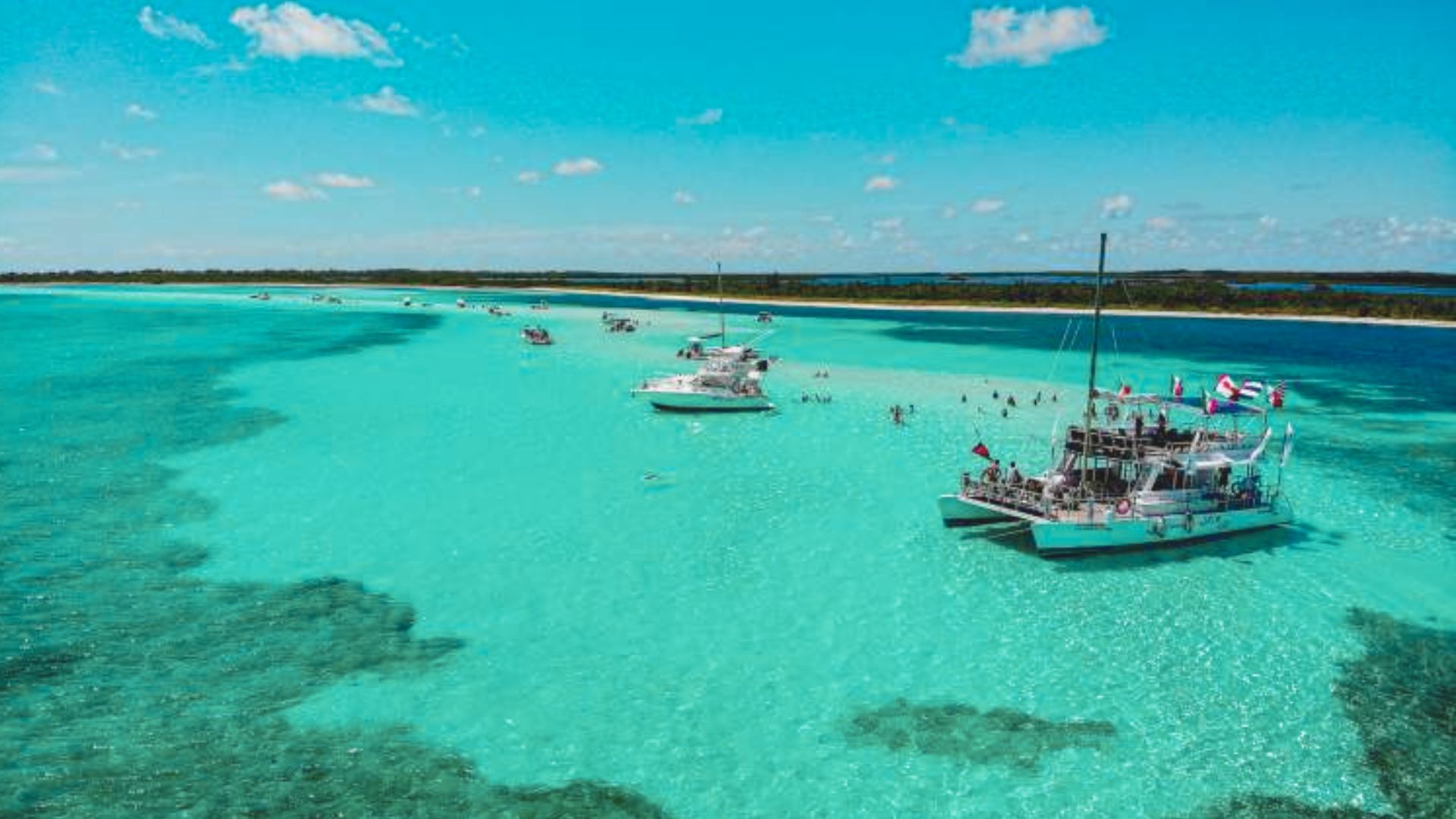
Cozumel sits off the Yucatan Peninsula and ranks among the best diving destinations in the world. The water is clear and deeply blue, with visibility that can reach over 30 meters on a good day. The reef system here is part of the Mesoamerican Barrier Reef.
19. Flamenco Beach, Culebra
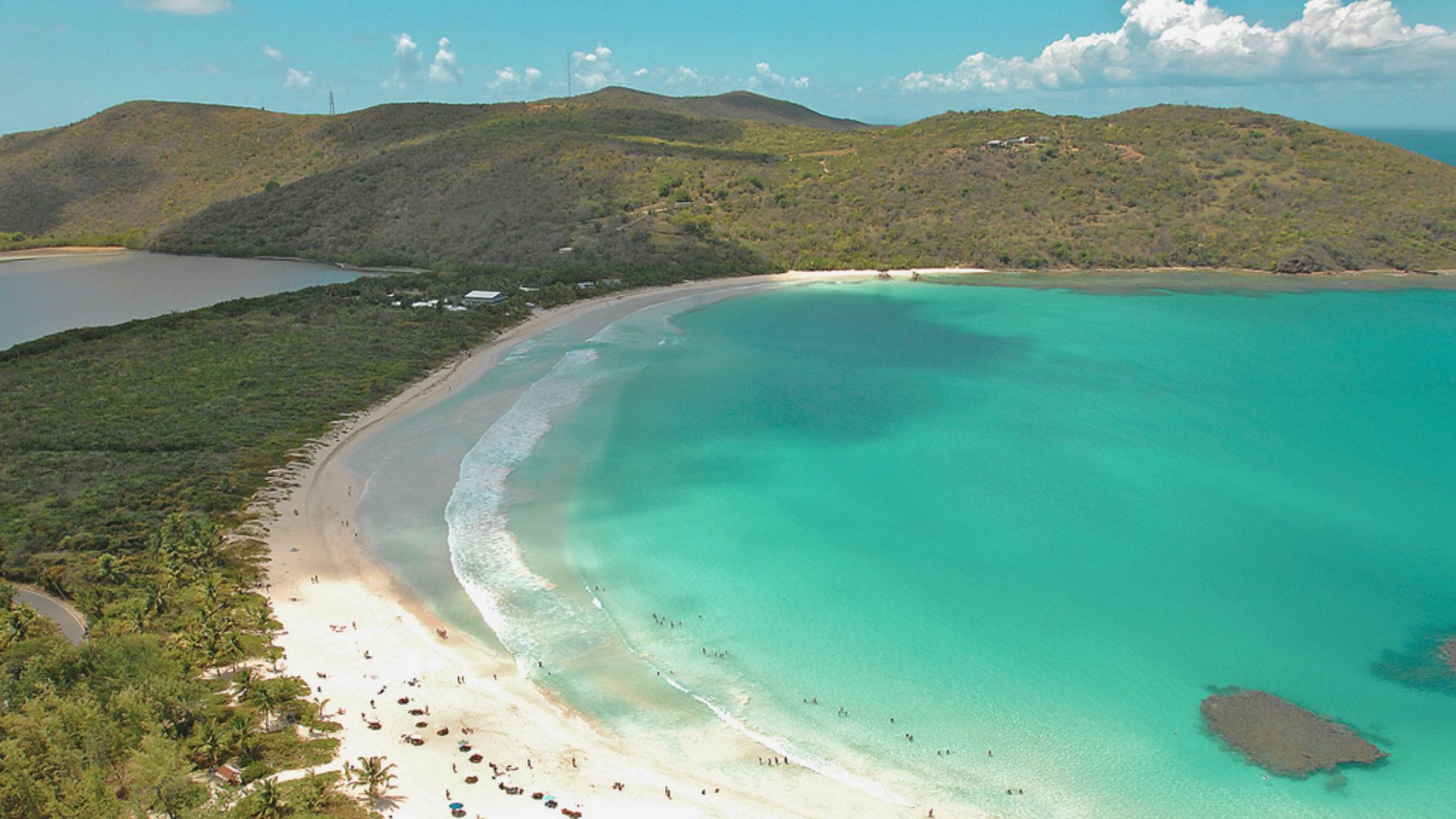
Flamenco Beach in Puerto Rico has calm, clear water that barely moves on most days. The protected bay keeps the water flat and a consistent bright blue throughout the year. It is one of the few beaches in the Caribbean that stays this clear year-round.
20. Ranguana Caye, Belize
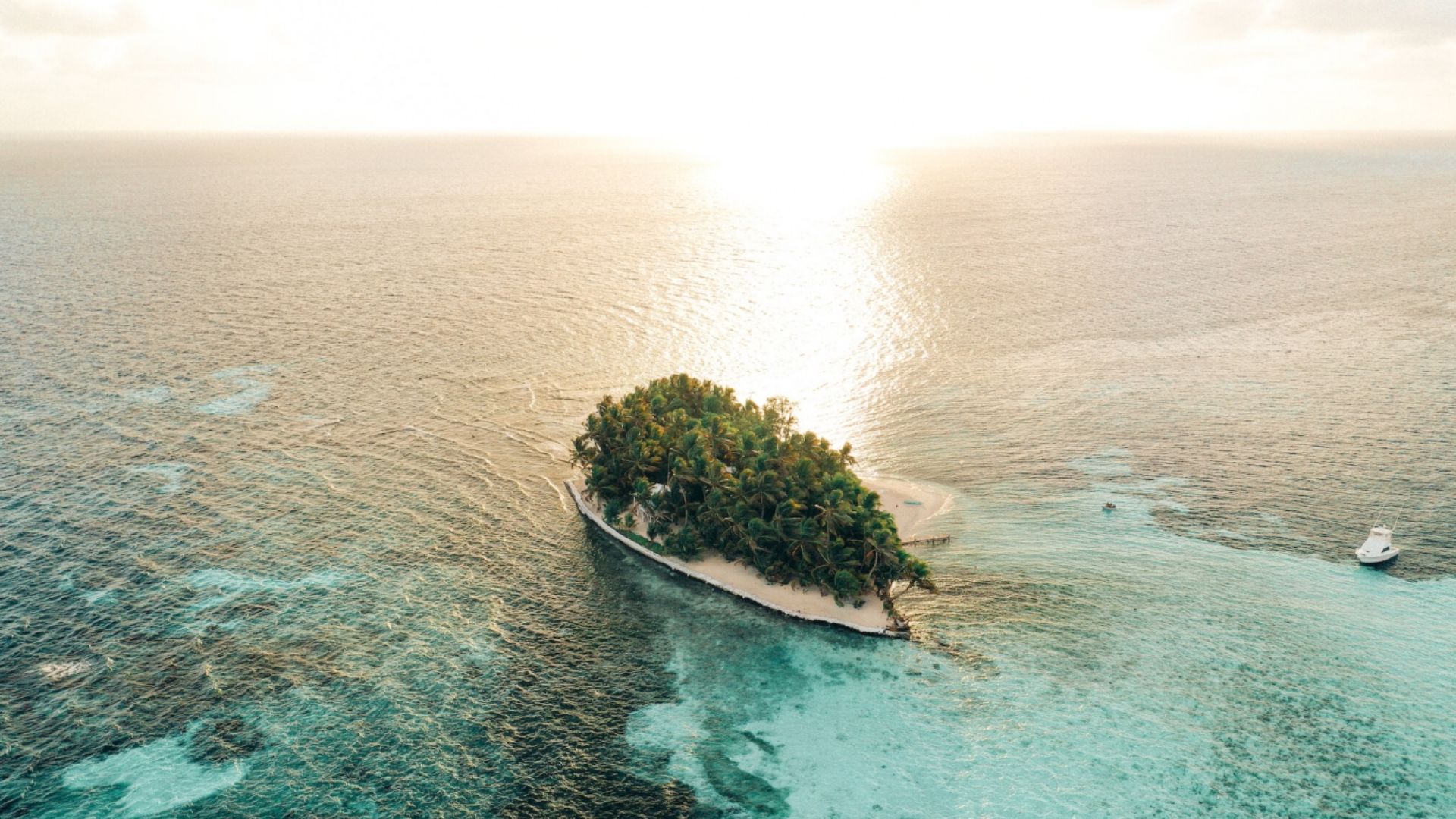
Ranguana Caye is a small, remote island sitting off the southern Belizean coast. The water around it is warm, clear, and a rich shade of blue that rewards anyone willing to make the trip. Very few tourists reach it, which keeps the water and reef in great shape.
21. Green Lake, Whistler
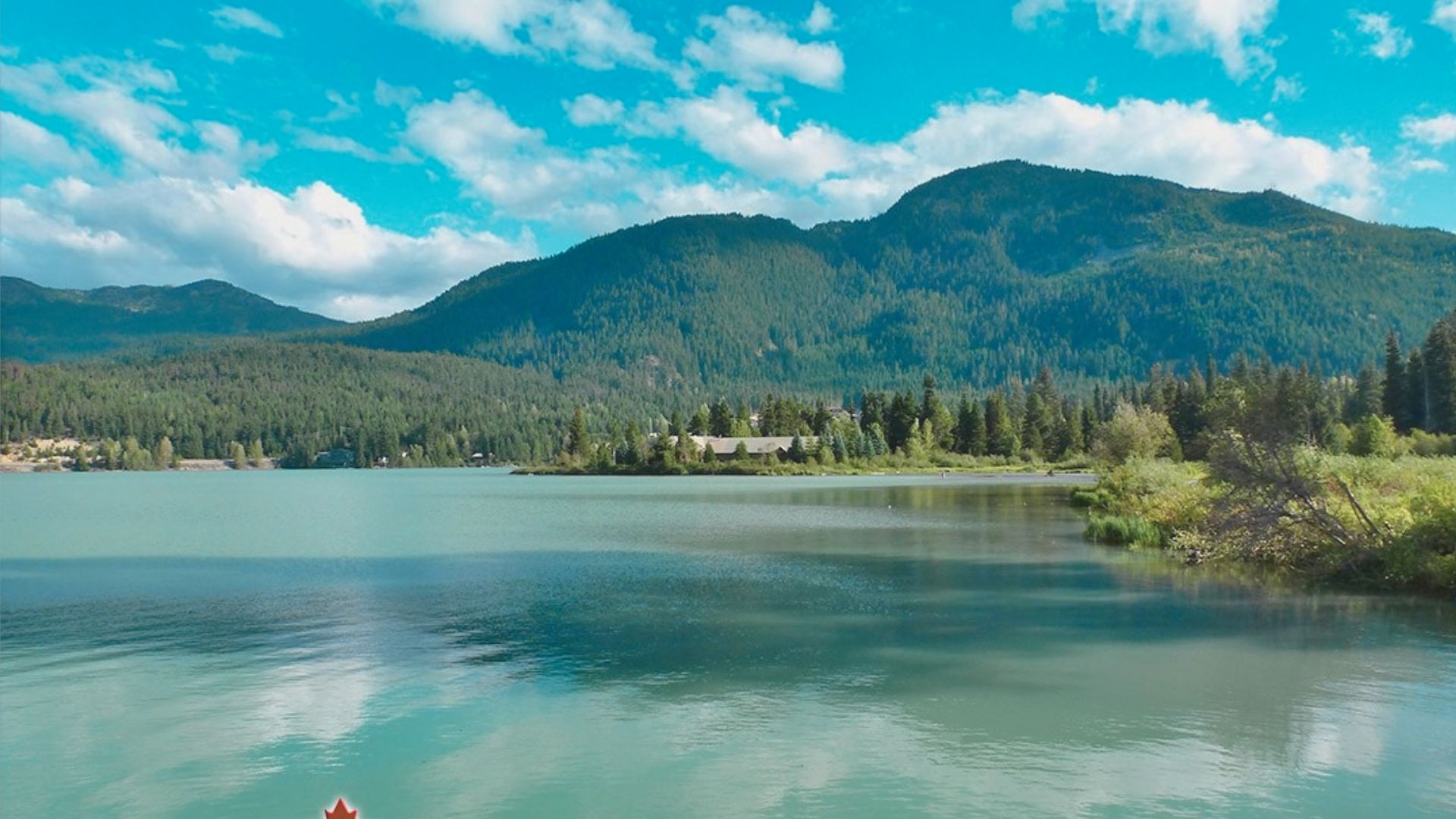
Green Lake in Whistler gets its blue-green color from glacial meltwater flowing in each season. It is a quieter spot compared to most on this list, with a color that shifts beautifully through the day. The surrounding mountains make it one of the most scenic alpine lakes in Canada.
Best Time to See the Bluest Water
Timing your trip right makes a big difference. The water at most of these destinations looks its best during specific seasons, so knowing when to go helps you get the most out of each visit.
Tropical Locations
The dry season is the best time to visit tropical beaches and lagoons. Rain and runoff can cloud the water during wet months.
For most destinations in the Caribbean, Southeast Asia, and the Pacific, the dry season runs between November and April. That is when visibility peaks.
Glacial Lakes
Summer is the best time to see glacial lakes at their brightest.
As temperatures rise, more glacial rock flour flows into the water, which is exactly what gives these lakes their intense blue and turquoise color.
For lakes in Canada, Norway, and Peru, June through August offers the most vivid color.
Travel Tips for Visiting Blue Water Destinations
- Shoot photos around midday when the sun is directly overhead. That is when the water color shows up the most vivid and true in photos.
- Use a polarizing filter on your camera or phone lens. It cuts through surface glare and lets the blue color come through much more clearly.
- Visit during the shoulder season to avoid the biggest crowds. The water looks just as good, and you get more space to enjoy it.
- Book flights and accommodation well in advance for popular spots. Last-minute trips to places like the Maldives or Aitutaki can cost significantly more.
- Choose eco-friendly tour operators wherever possible. Reef damage and water pollution are real problems at many of these destinations, and responsible tourism helps keep them in good shape.
Final Thoughts
From tropical islands to icy glacial lakes, every destination on this list has water that stays with you long after you leave. Each spot has its own shade of blue, and no two look exactly alike.
Start building your bucket list now. Pick one place, plan the trip, and go see it for yourself.
Have a favorite blue water spot? Drop it in the comments below. And if this guide helped, share it with someone who loves the water as much as you do.
Frequently Asked Questions
Where is the bluest water in the world?
The Maldives, Exuma Cays in the Bahamas, and Aitutaki Lagoon in the Cook Islands are among the top spots. Each one has incredibly clear, bright blue water that stands out even by global standards.
What makes ocean water look blue?
Water absorbs red and yellow light and reflects blue light back to the surface. The clearer and deeper the water, the more intense that blue color appears.
What is the best time to visit blue water destinations?
For tropical spots, the dry season between November and April gives the clearest water. For glacial lakes, June through August is when the color looks the most vivid.
Are glacial lakes actually blue?
Yes, glacial lakes get their blue or turquoise color from fine rock particles called glacial rock flour. These particles scatter light in a way that makes the water appear bright blue or milky turquoise.
How can I get the best photos of blue water?
Shoot around midday when the sun is high and the light hits the water directly. A polarizing filter also helps cut glare and brings out the true color of the water.
