


I have spent time reading about Shanghai, and I can tell you this city is unlike anything you expect.
In this blog, I will walk you through the top things to do in Shanghai, from riverfront walks to ancient gardens and sky-high views.
You will find real tips, honest picks, and everything you need to plan a trip worth remembering. I have pulled this guide together so you skip the guesswork.
With years of travel writing behind me, I know what actually helps.
Why Visit Shanghai

Shanghai is one of those cities that surprises you at every corner. Old temples sit right next to glass towers. Canal towns are just a short ride away.
The food scene is incredible. The history runs deep. Whether you love art, history, food, or just walking around and taking it all in, this city has something real to offer.
I think it is one of the most layered cities in the world, and that is exactly why it stays with you long after you leave.
What to Do in Shanghai: Top 33 Attractions
Shanghai is full of things to see and do, from iconic waterfront spots to hidden art spaces and day trip towns.
1. The Bund (Wai Tan)

The Bund is Shanghai’s most famous waterfront strip. I would say this is the one spot you cannot skip.
Walking along the promenade gives you a front-row view of the Pudong skyline across the river. It is best in the evening when the lights come on.
2. Huangpu River Cruise
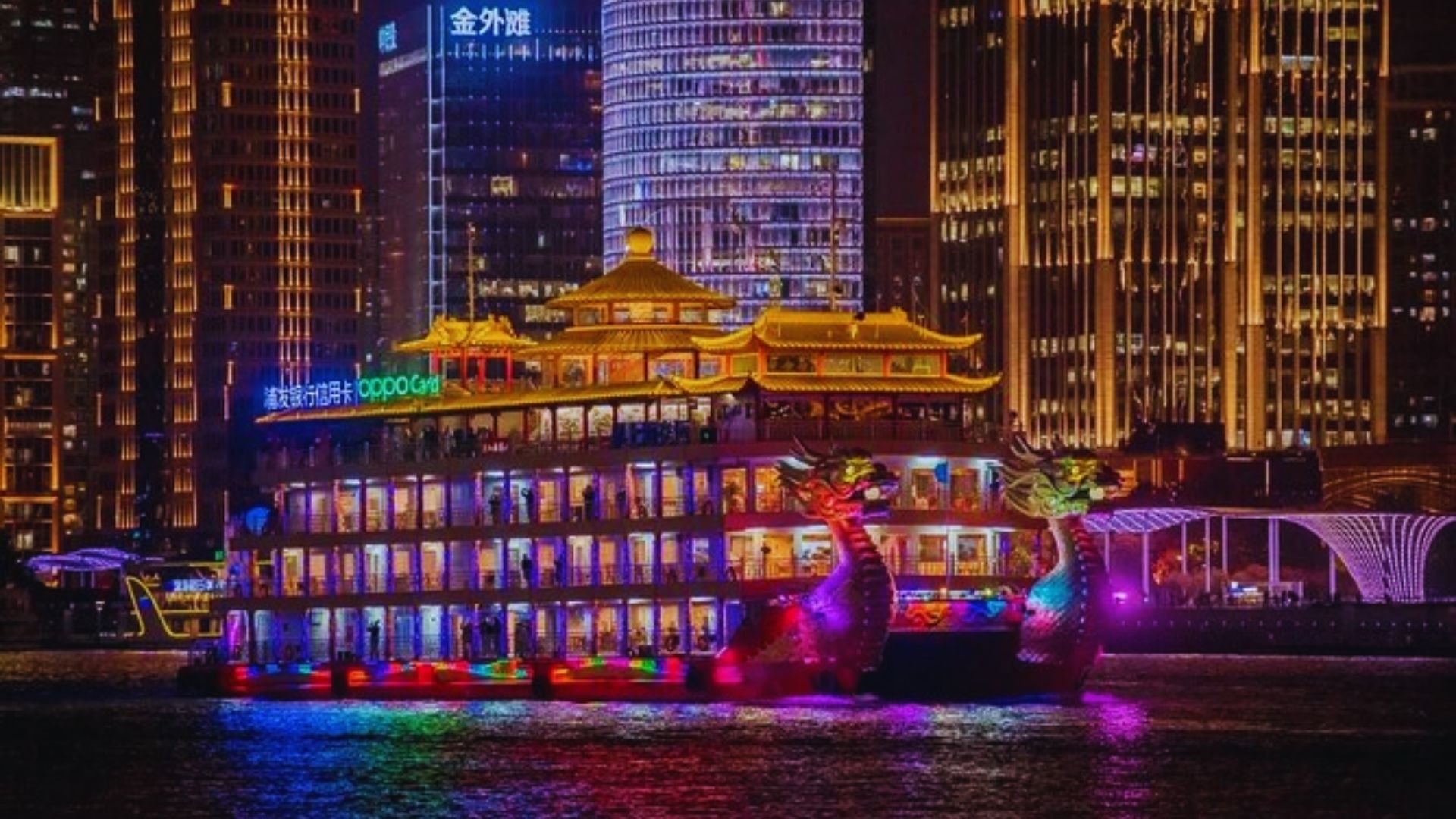
A river cruise gives you a completely different angle of the city. You see the skyline from the water, and it hits differently than standing on land.
Most cruises run in the evening. The reflection of the lights on the river is worth every minute.
3. Former French Concession
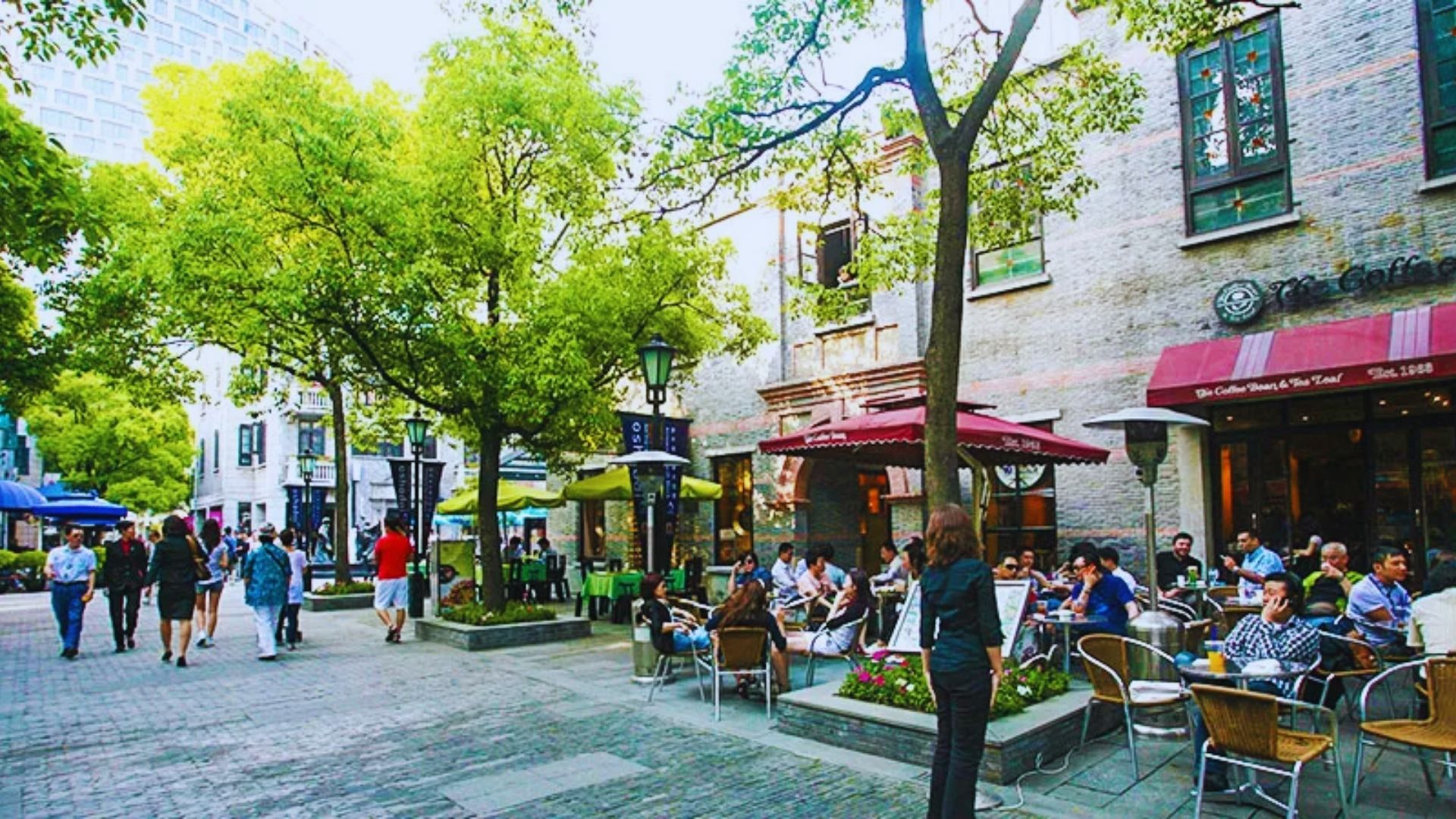
This neighborhood has a slower pace than the rest of the city. Tree-lined streets, old European-style buildings, and local cafes make it a great place to just wander.
I love how it feels like a totally different world tucked inside a mega city.
4. Tianzifang
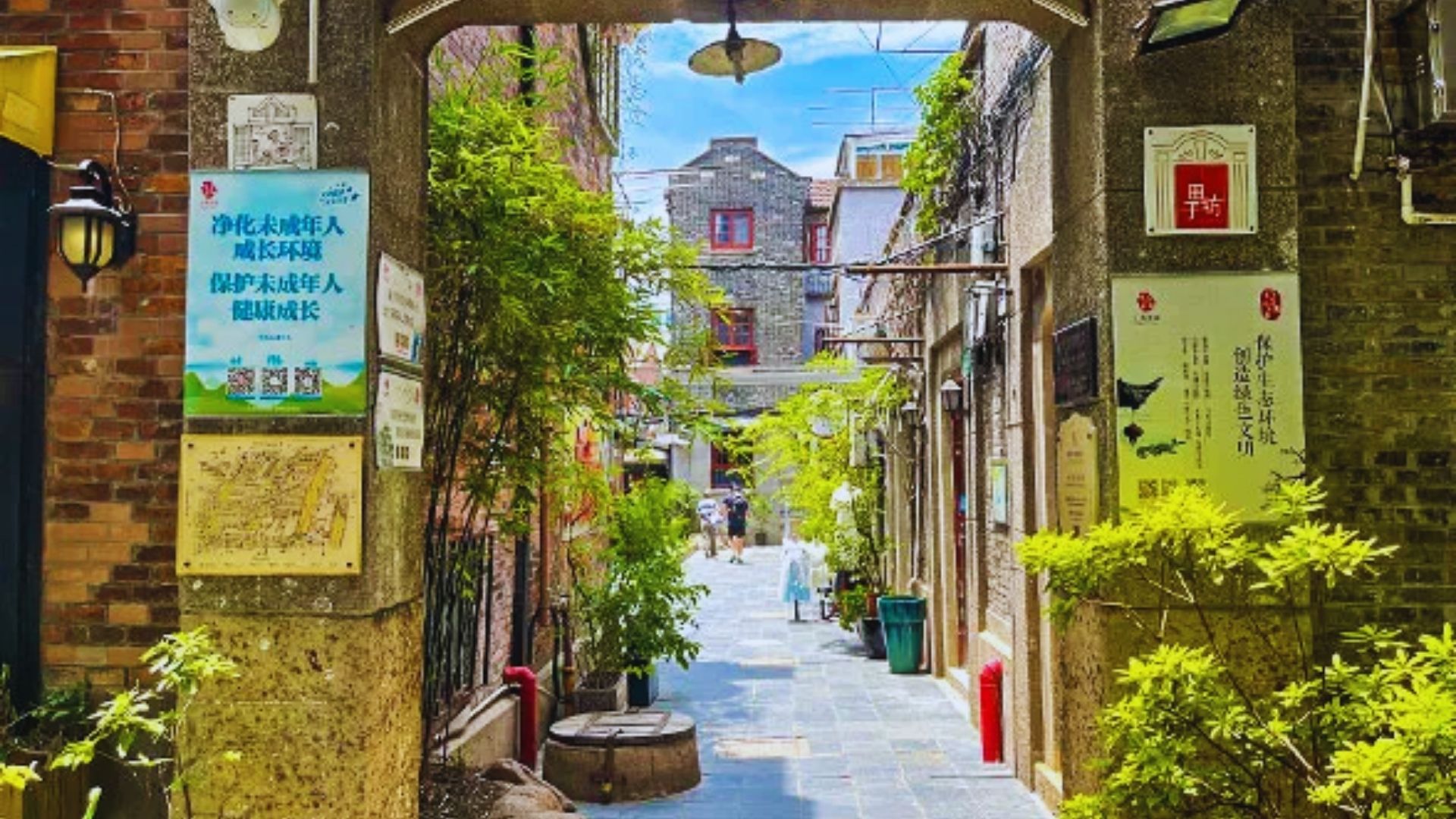
Tianzifang is a maze of narrow lanes packed with indie shops, local art, and small studios. It is the kind of place where you can spend two hours and still feel like you missed something.
Grab a snack, look around, and take your time.
5. Shanghai Museum
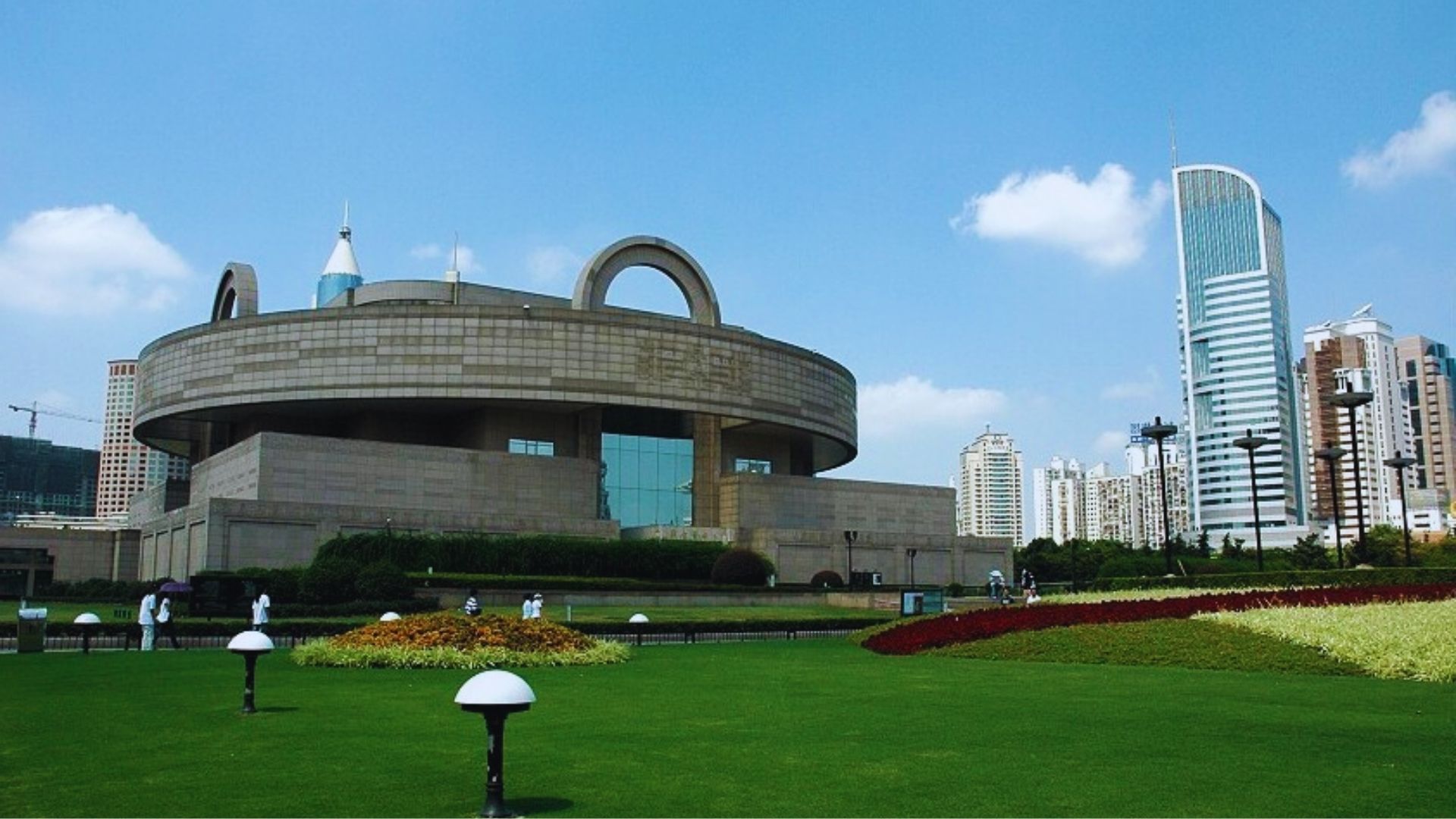
This museum holds one of the best collections of ancient Chinese art in the world. I spent over two hours inside and still did not see everything.
The bronze collection alone is worth the visit. Entry is free, which makes it even better.
6. Shanghai Jewish Refugees Museum
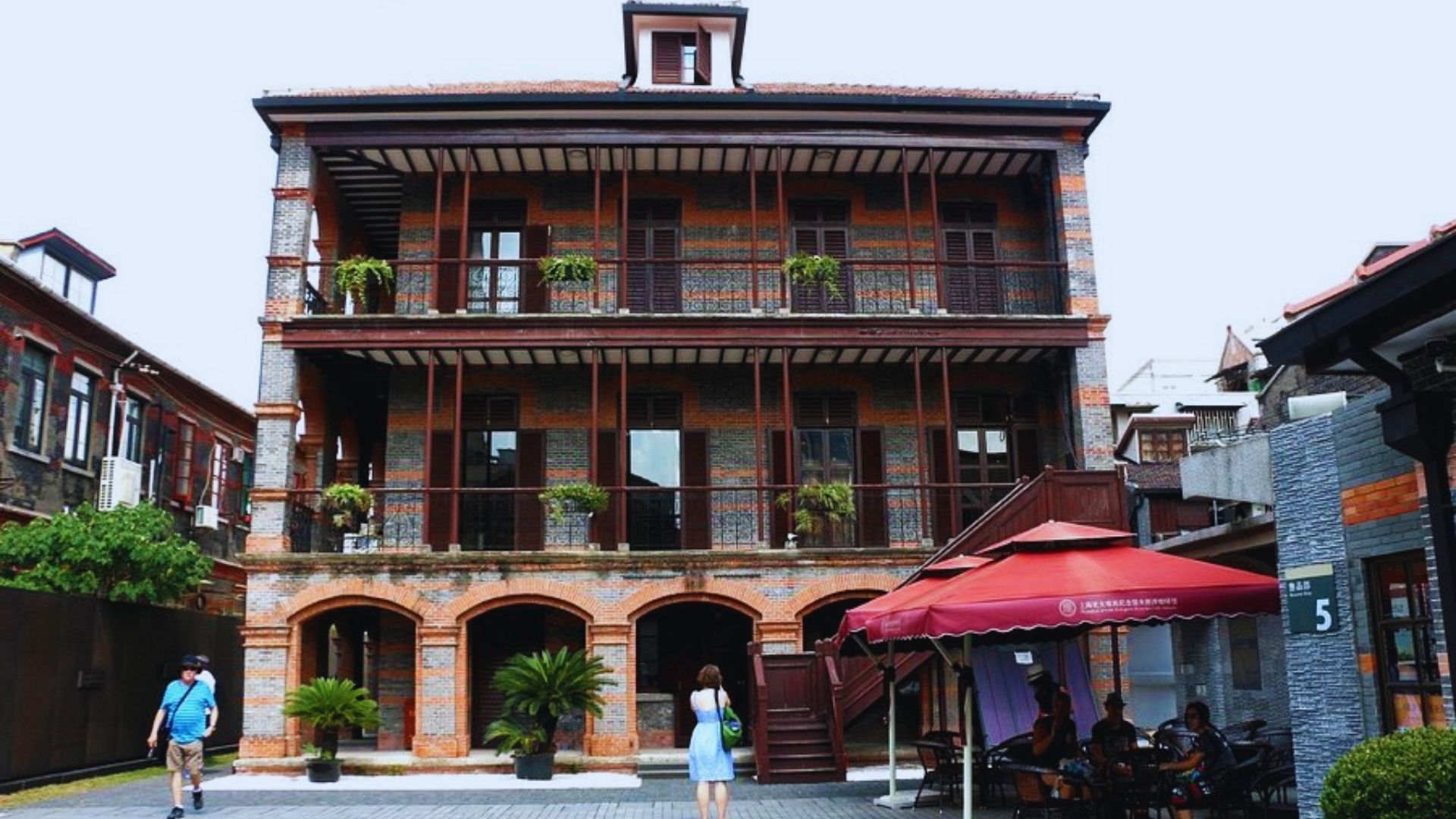
This is a moving and important stop. During WWII, thousands of Jewish refugees found safety in Shanghai.
This museum tells that story through photographs, documents, and personal items. It is not a large space, but it leaves a real impression.
7. Nanjing Road
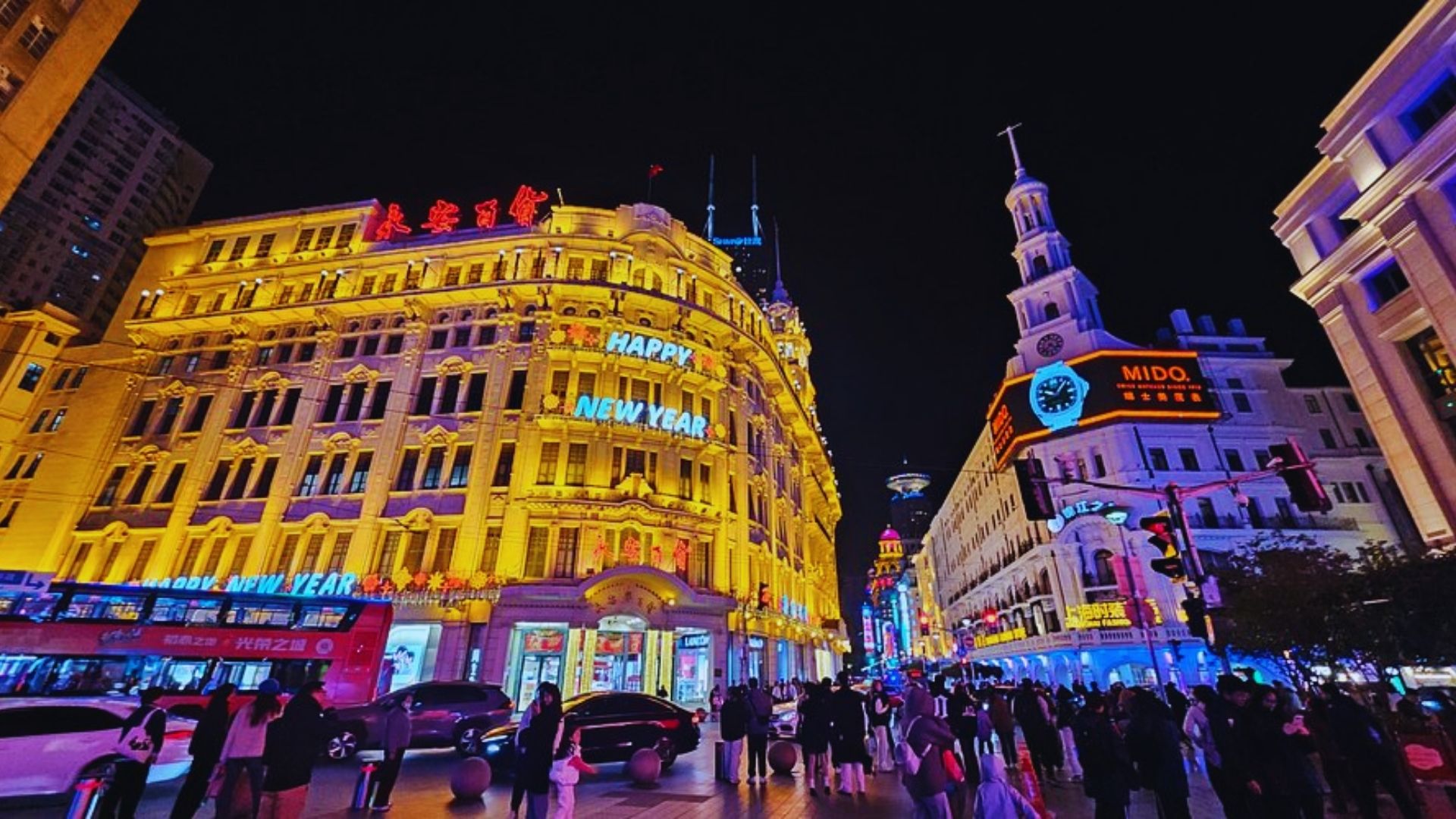
Nanjing Road is one of the world’s busiest shopping streets. It is loud, colorful, and full of life. You will find everything from big name stores to local food stalls.
Even if shopping is not your thing, walking through here is a proper Shanghai experience.
8. Jing’an Temple
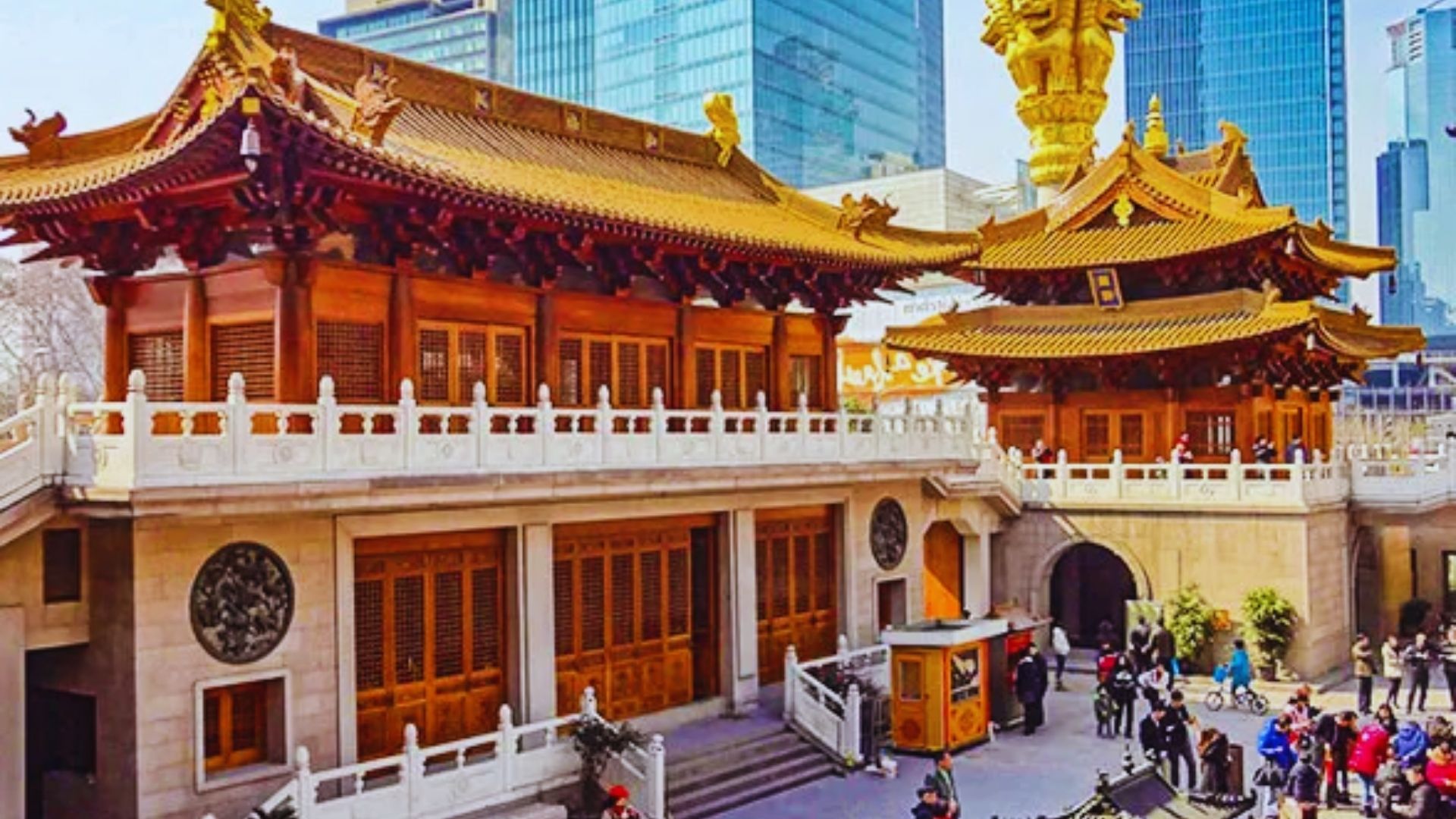
Jing’an Temple sits right in the middle of a modern commercial area. That contrast is what makes it so interesting.
The temple is active, well-maintained, and open to visitors. It is a quiet pocket of calm in a very busy part of the city.
9. People’s Park
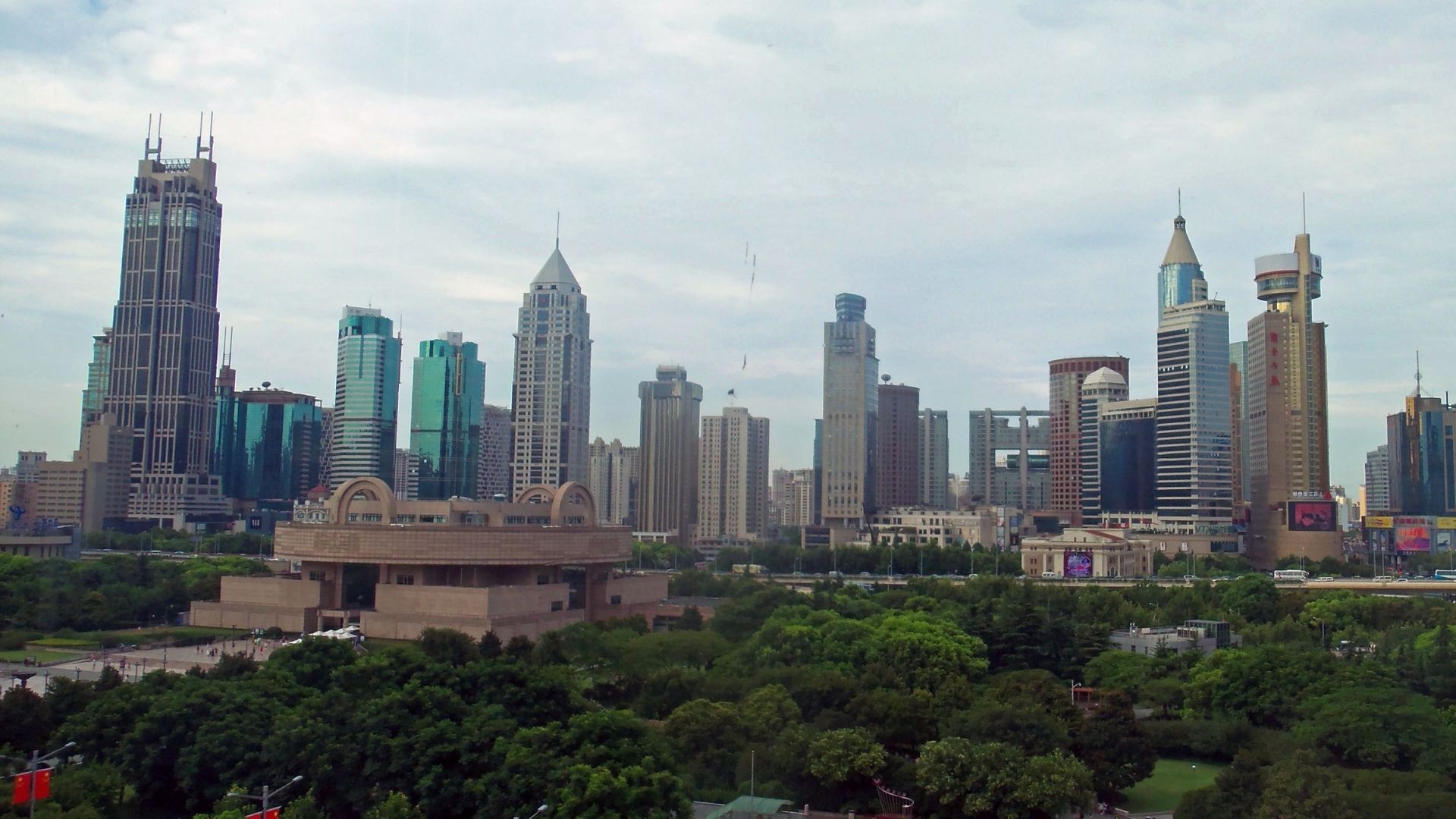
People’s Park is known for its weekend Marriage Market, where parents post ads looking for partners for their adult children.
It is fascinating to watch. The park itself is also a nice green space to sit, relax, and watch daily Shanghai life unfold.
10. Yu Garden
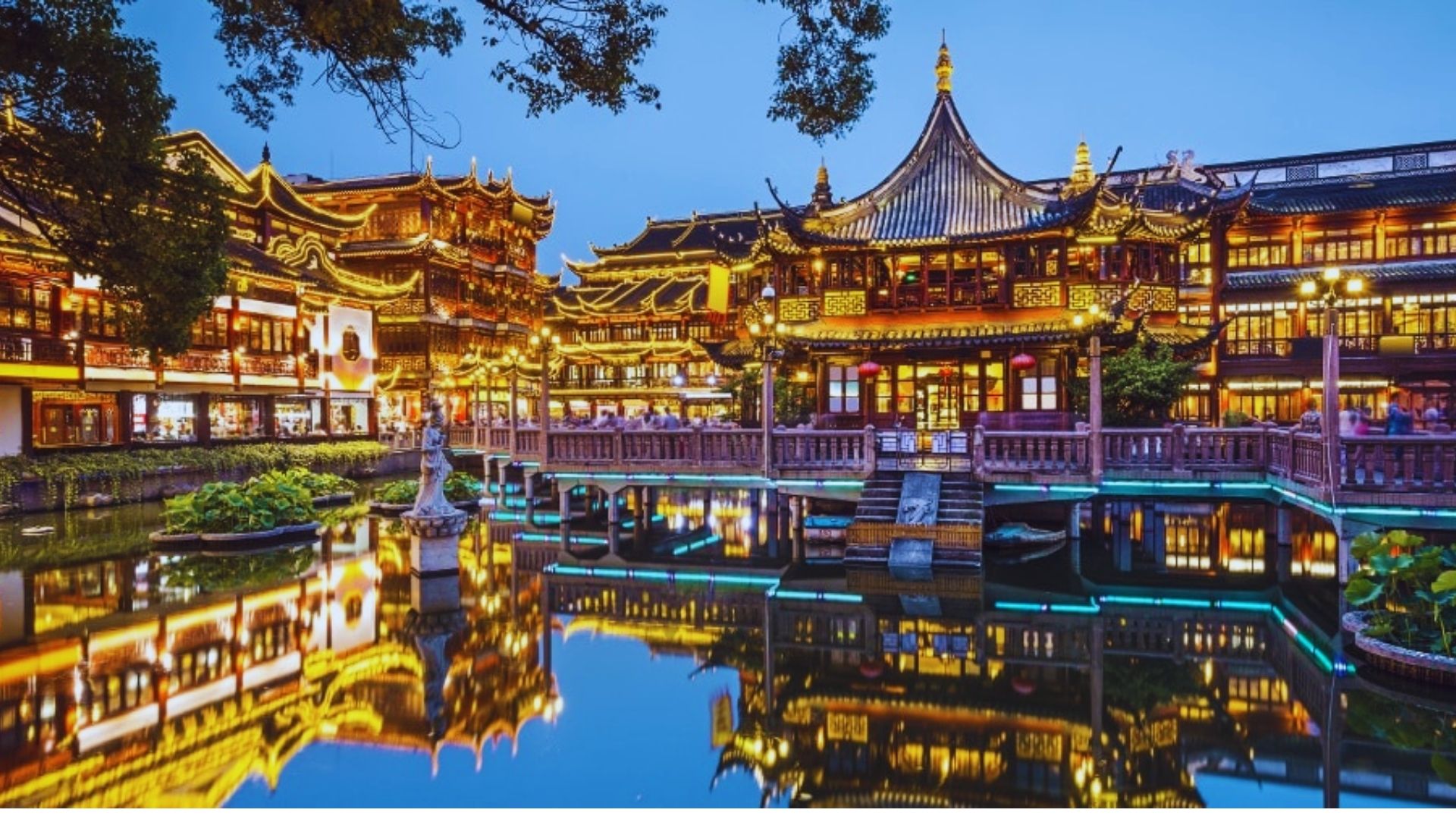
Yu Garden is a classic Ming Dynasty garden right in the heart of the old city. The ponds, rockeries, and pavilions are beautiful in a quiet, traditional way.
It gets busy during peak hours, so I suggest going early in the morning.
11. Shanghai Tower
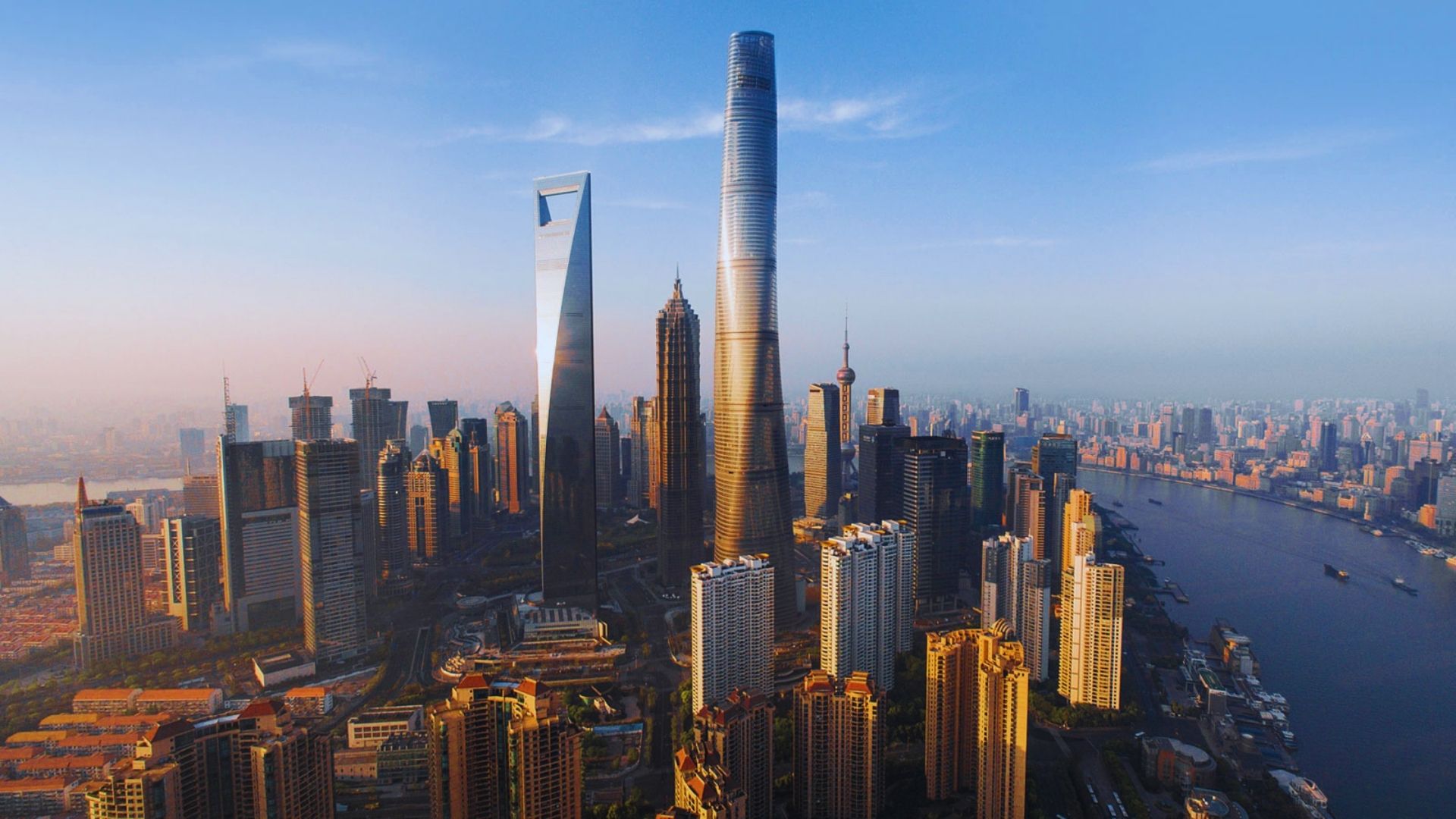
Shanghai Tower is the second tallest building in the world. The observation deck sits at 632 meters. The views on a clear day stretch for miles.
Going up inside this building and looking down at the city is genuinely jaw-dropping.
12. Shanghai World Financial Center
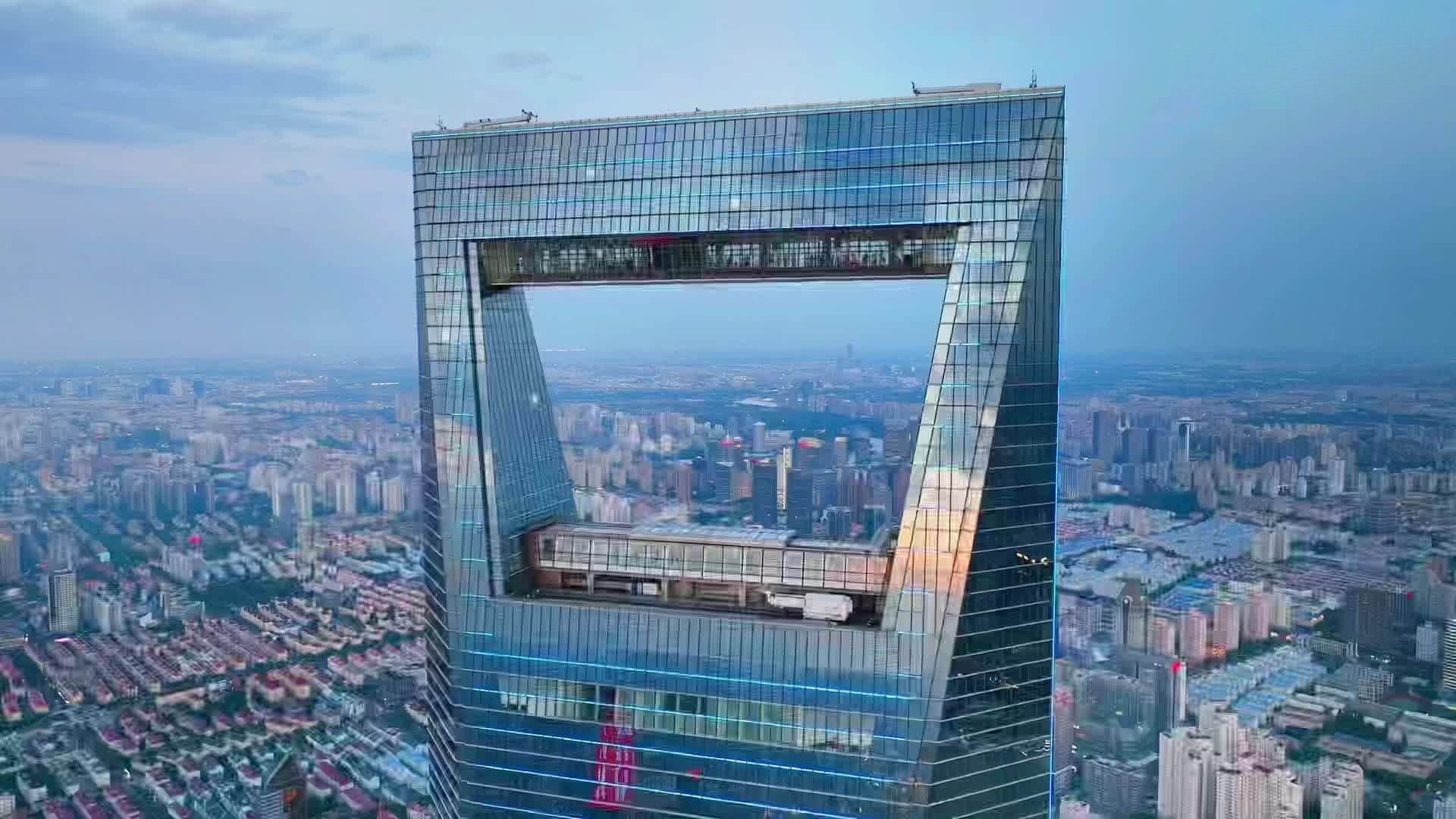
Known locally as the “bottle opener” because of its shape, this tower has a trapezoidal hole at the top.
The observation deck gives a clear view of the Pudong skyline. I found this one slightly less crowded than the Shanghai Tower, which was a bonus.
13. Jin Mao Tower
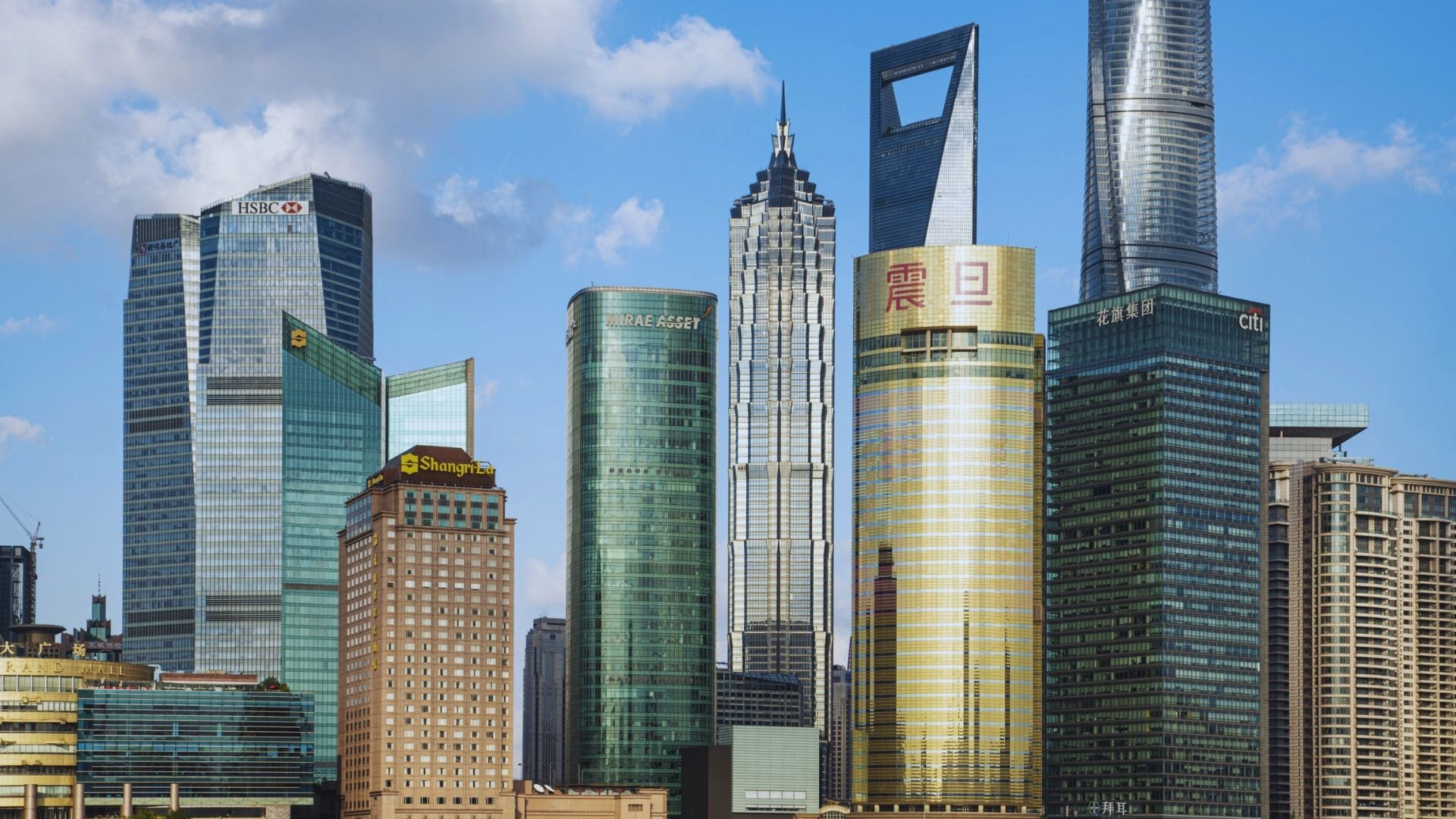
Jin Mao Tower has a more classic look compared to its newer neighbors. The 88th floor observation deck gives a great view, and you also get a unique angle looking up inside the building from the lobby atrium.
Both views are worth seeing.
14. Oriental Pearl Tower
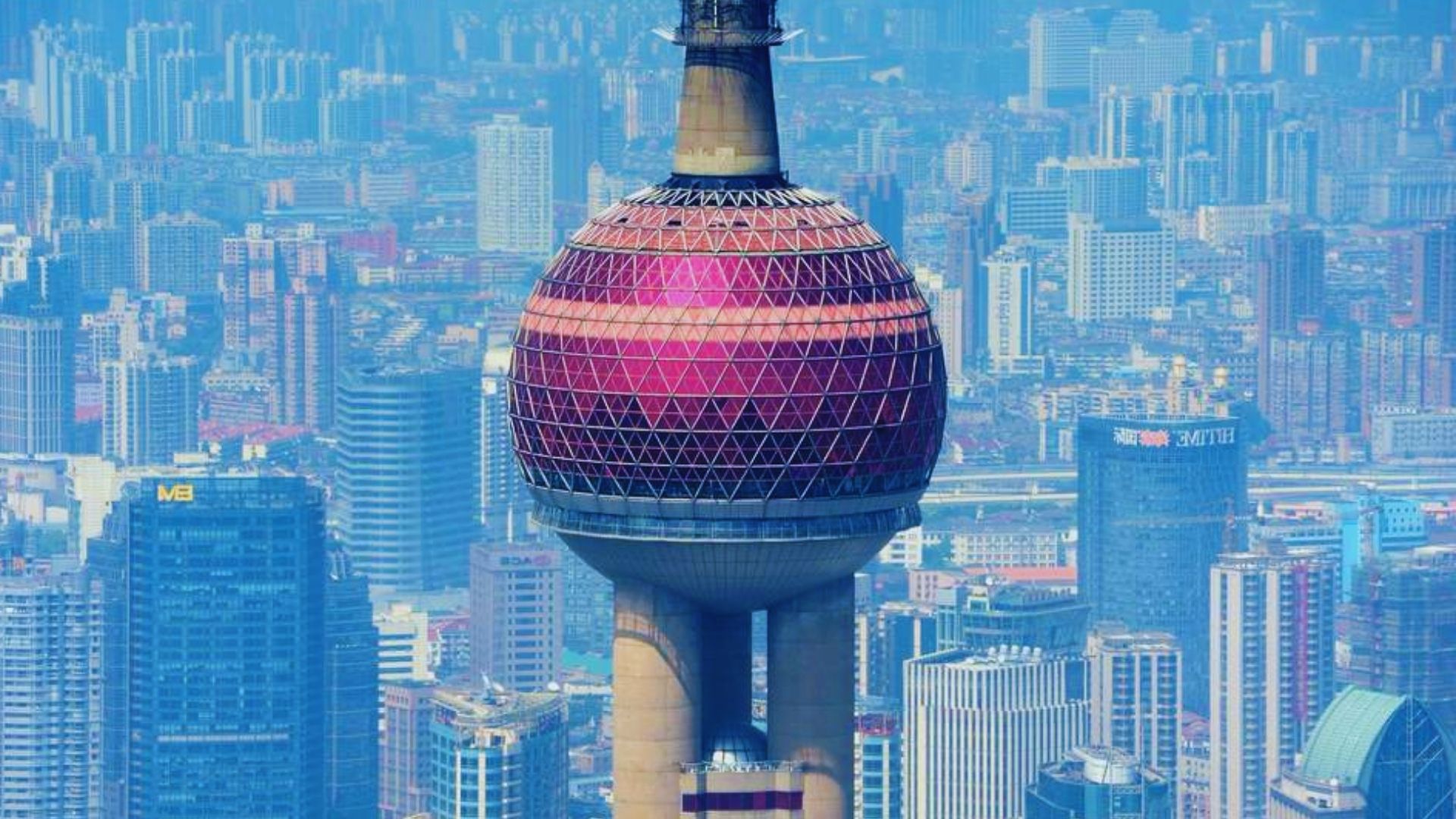
The Oriental Pearl Tower is iconic and you will see it in almost every photo of Pudong. The glass floor viewing area gives you a look straight down to the ground below.
It is not for people who are scared of heights, but it is a lot of fun.
15. Shanghai Disneyland
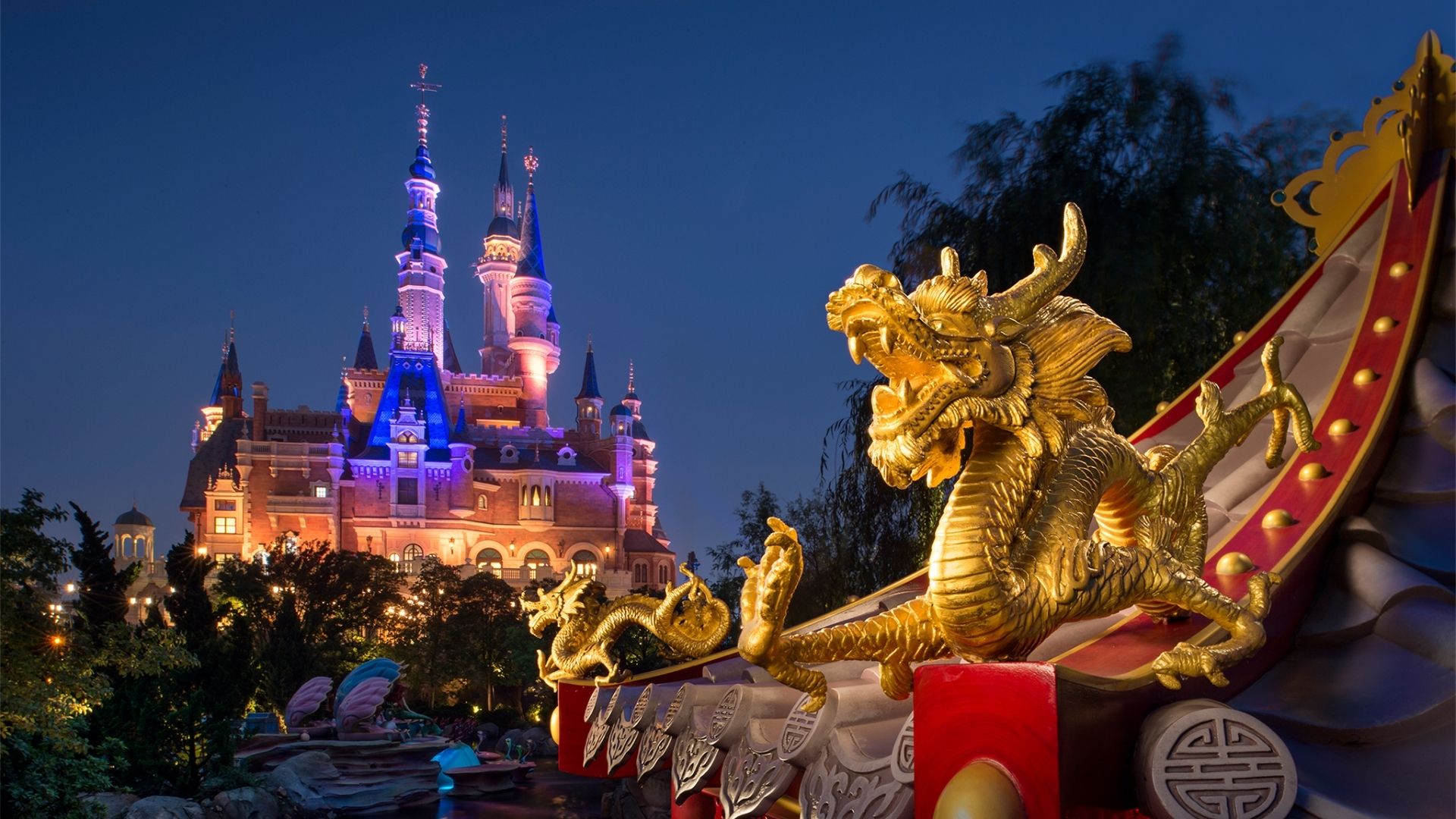
Shanghai Disneyland is one of the newer Disney parks in the world and it is genuinely impressive. The Tron coaster alone is worth the trip.
I would suggest booking tickets in advance because it gets very busy on weekends and public holidays.
16. Zhujiajiao Water Town
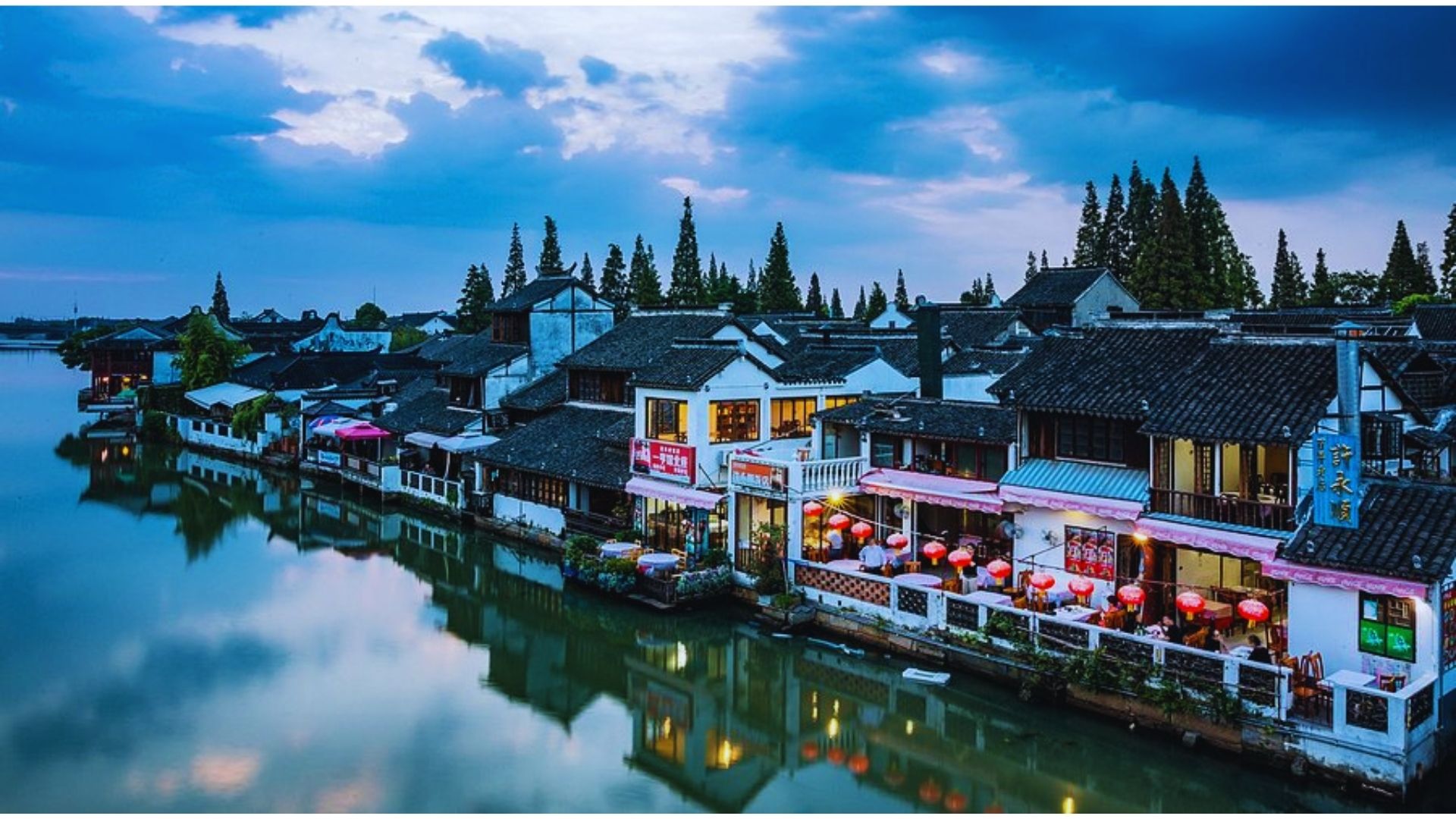
Zhujiajiao is a day trip most visitors miss, and that is a mistake. This ancient canal town about an hour from central Shanghai has stone bridges, old houses, and local food stalls.
It feels like stepping back a few hundred years in one short trip.
17. Longhua Temple
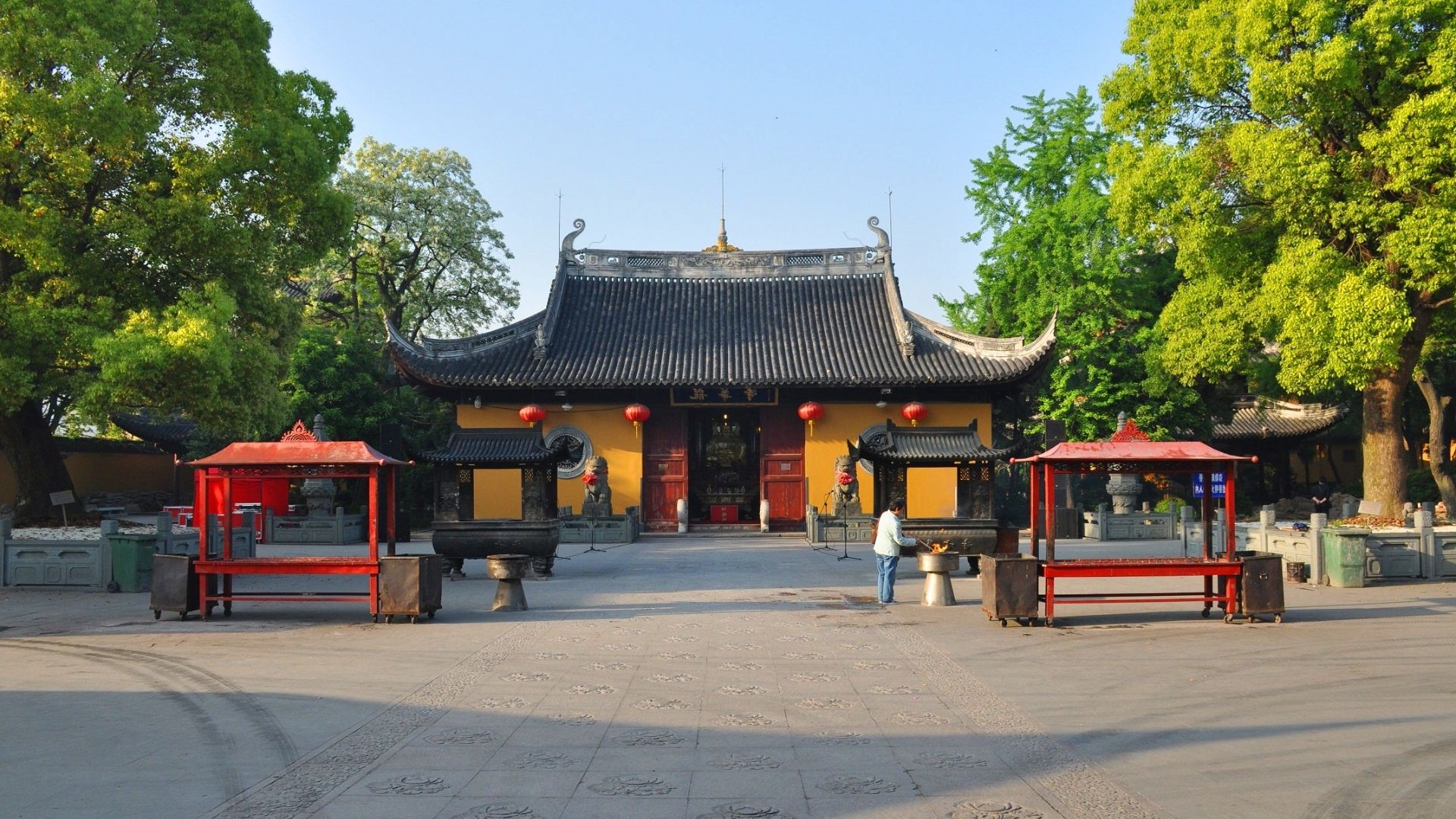
Longhua Temple is Shanghai’s oldest and largest temple complex. It dates back over 1,700 years.
The pagoda, prayer halls, and resident monks make it feel genuinely authentic. It is a world away from the glass towers a few kilometers away.
18. Shanghai Urban Planning Exhibition Center
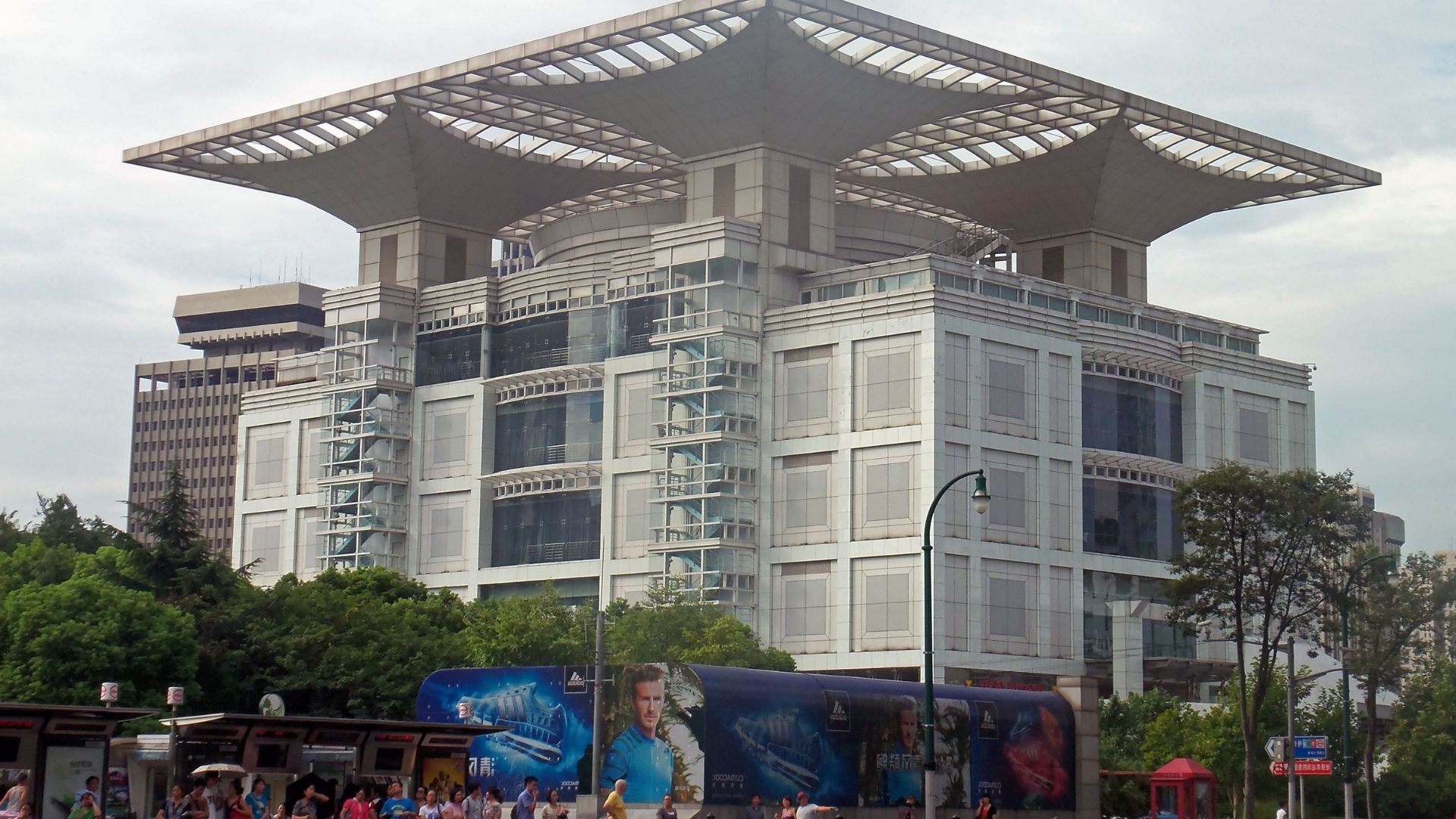
This exhibition center has a massive scale model of the entire city. It gives you a bird’s eye view of how Shanghai is laid out and how it has grown.
It is surprisingly fascinating, even for people who do not normally enjoy planning exhibits.
19. Shanghai Grand Theatre
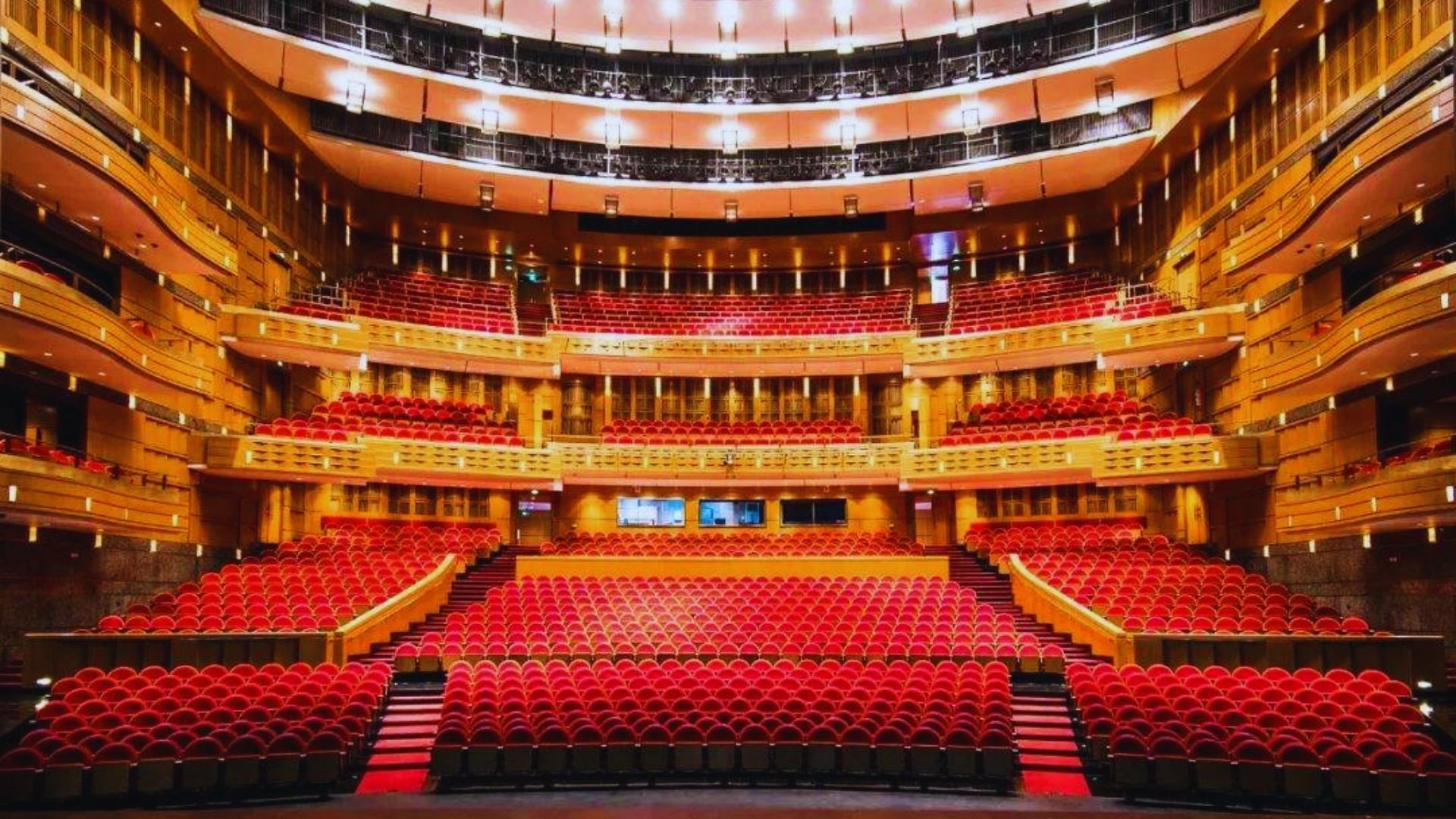
The Grand Theatre hosts world-class opera, ballet, and live performances throughout the year. Even if you do not catch a show, the building itself is worth seeing from the outside.
If you do get tickets, the interior is striking and the performances are top level.
20. Shanghai Propaganda Poster Art Centre
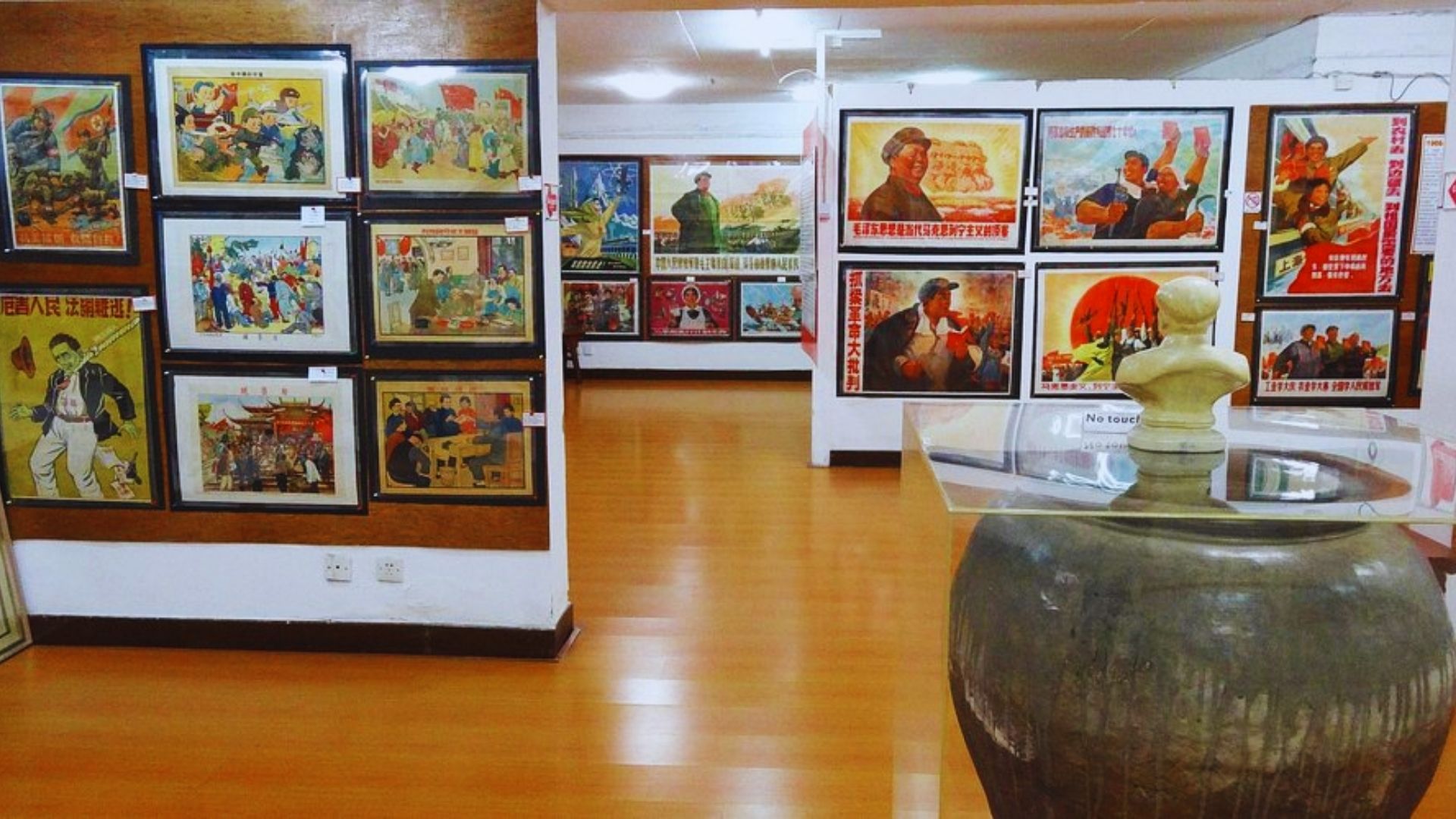
This small museum in the basement of a residential building holds a rare collection of Cultural Revolution-era posters. It is one of the most unusual museums in the city.
The curator often gives personal tours, which makes the whole experience feel very personal.
21. Xintiandi
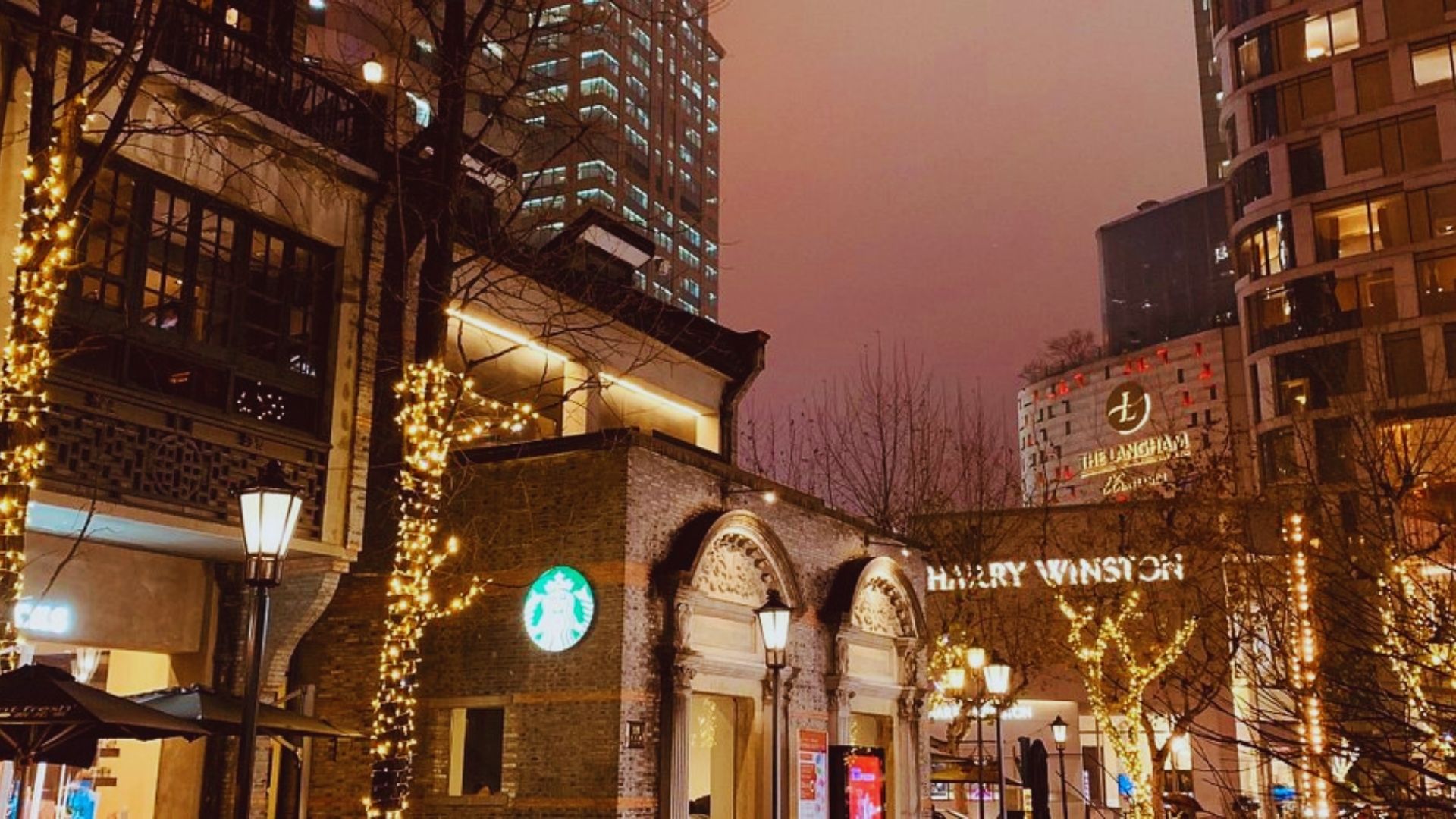
Xintiandi combines preserved Shikumen stone-gate houses with modern restaurants, bars, and shops.
It is polished and a bit pricey, but the mix of old architecture and current life makes it worth a stop. Great for dinner or an evening drink in an outdoor setting.
22. 1933 Old Millfun
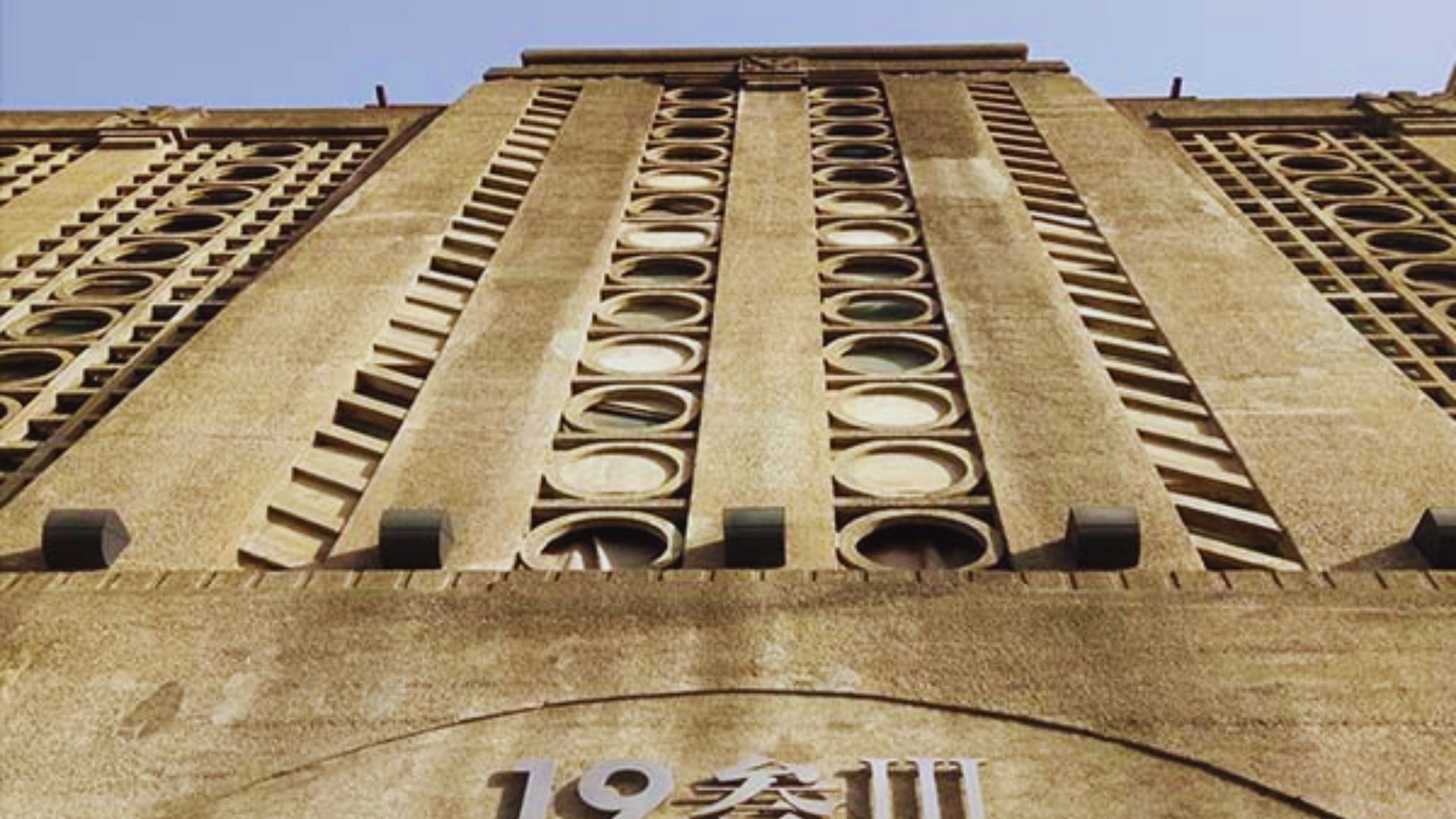
This former slaughterhouse from the 1930s has been turned into a creative space full of shops, cafes, and art. The Art Deco architecture inside is genuinely unusual.
Walking through the spiral ramps and bridges feels like being inside a piece of industrial history.
23. Shanghai Tower Skywalk
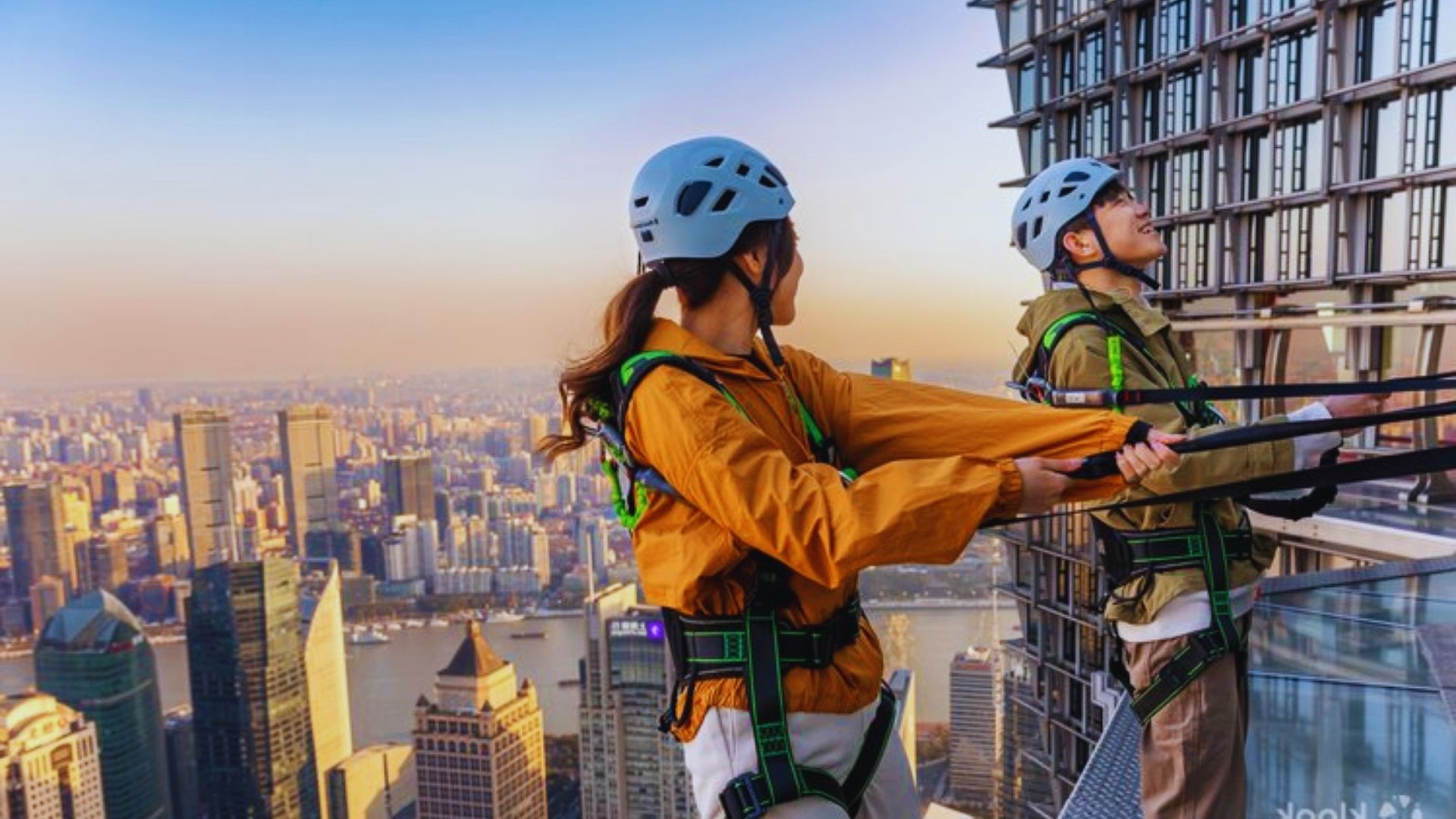
The Shanghai Tower Skywalk is a high-altitude outdoor experience that gives you the thrill of being exposed to the open air at extreme height.
It is not a long activity, but it is one of those things you remember long after you leave.
24. China Art Museum
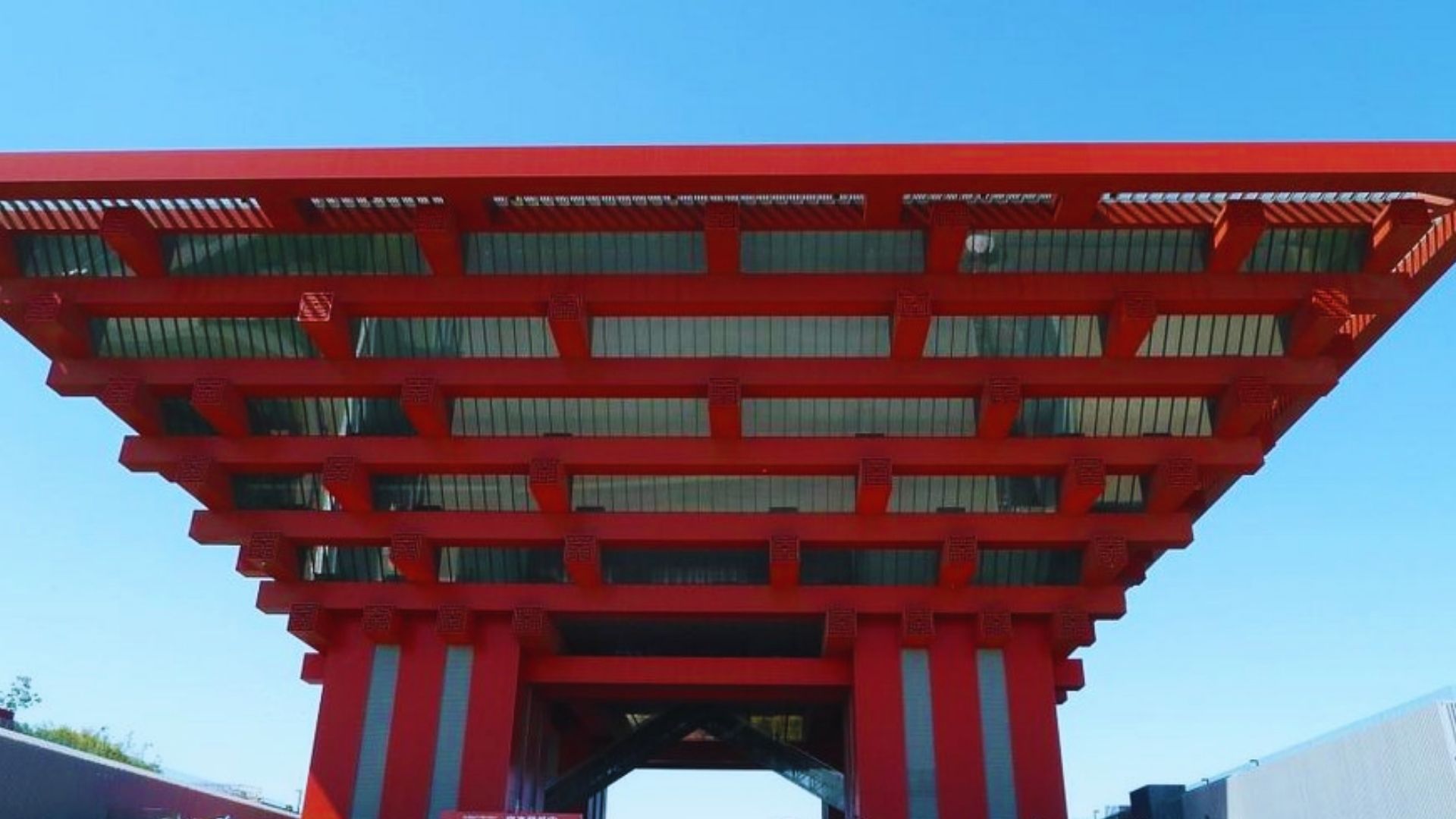
The China Art Museum is housed in the old China Pavilion from the 2010 World Expo. The collection focuses on modern and contemporary Chinese art.
It is huge, so I recommend picking a few floors rather than trying to cover everything in one visit.
25. Shanghai Ocean Aquarium
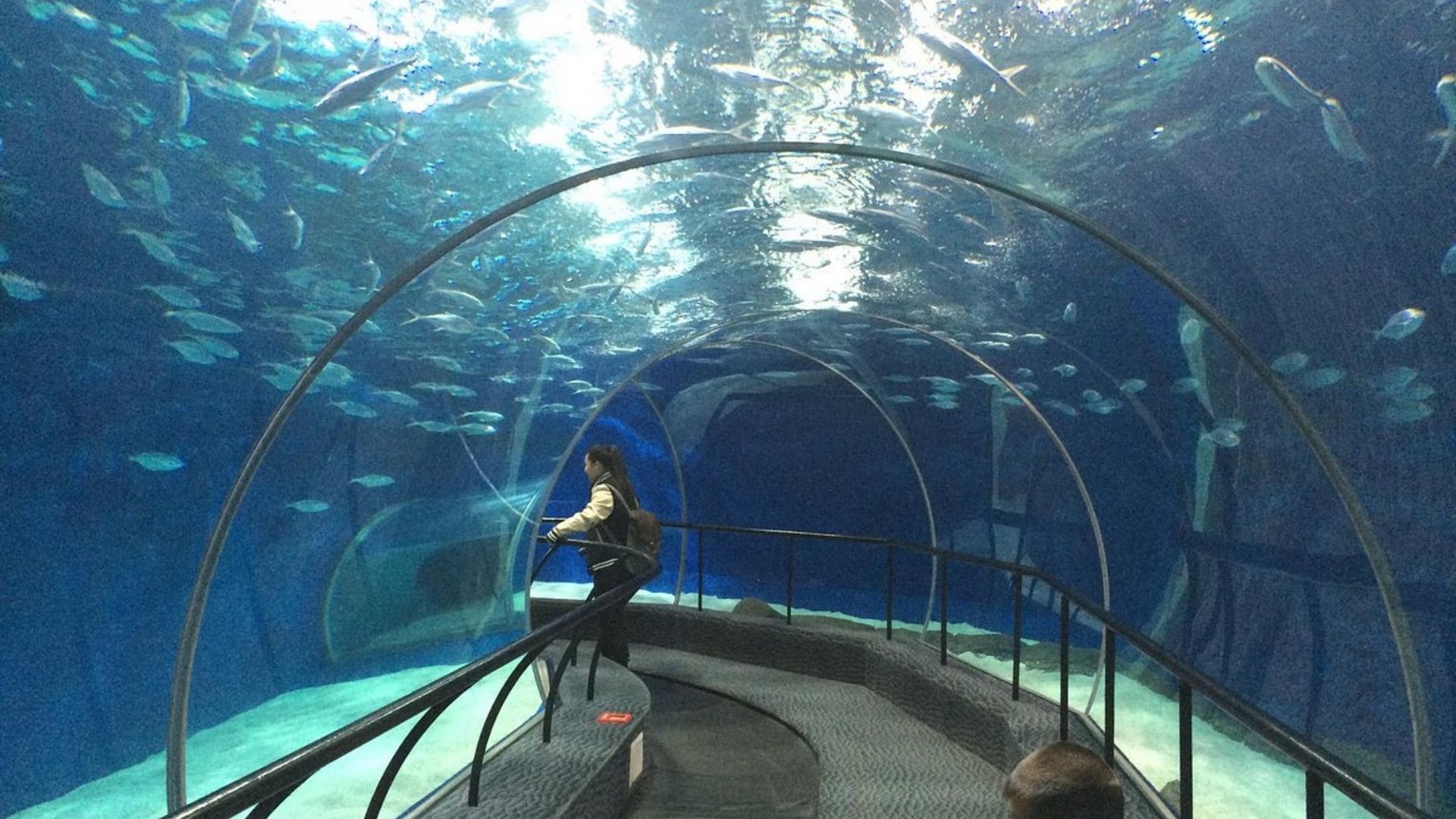
The Shanghai Ocean Aquarium has one of the longest underwater tunnels in the world. Walking through it while sharks and rays swim above you is an experience that sticks with you.
It is a great option for families or anyone who loves marine life.
26. Fuxing Park
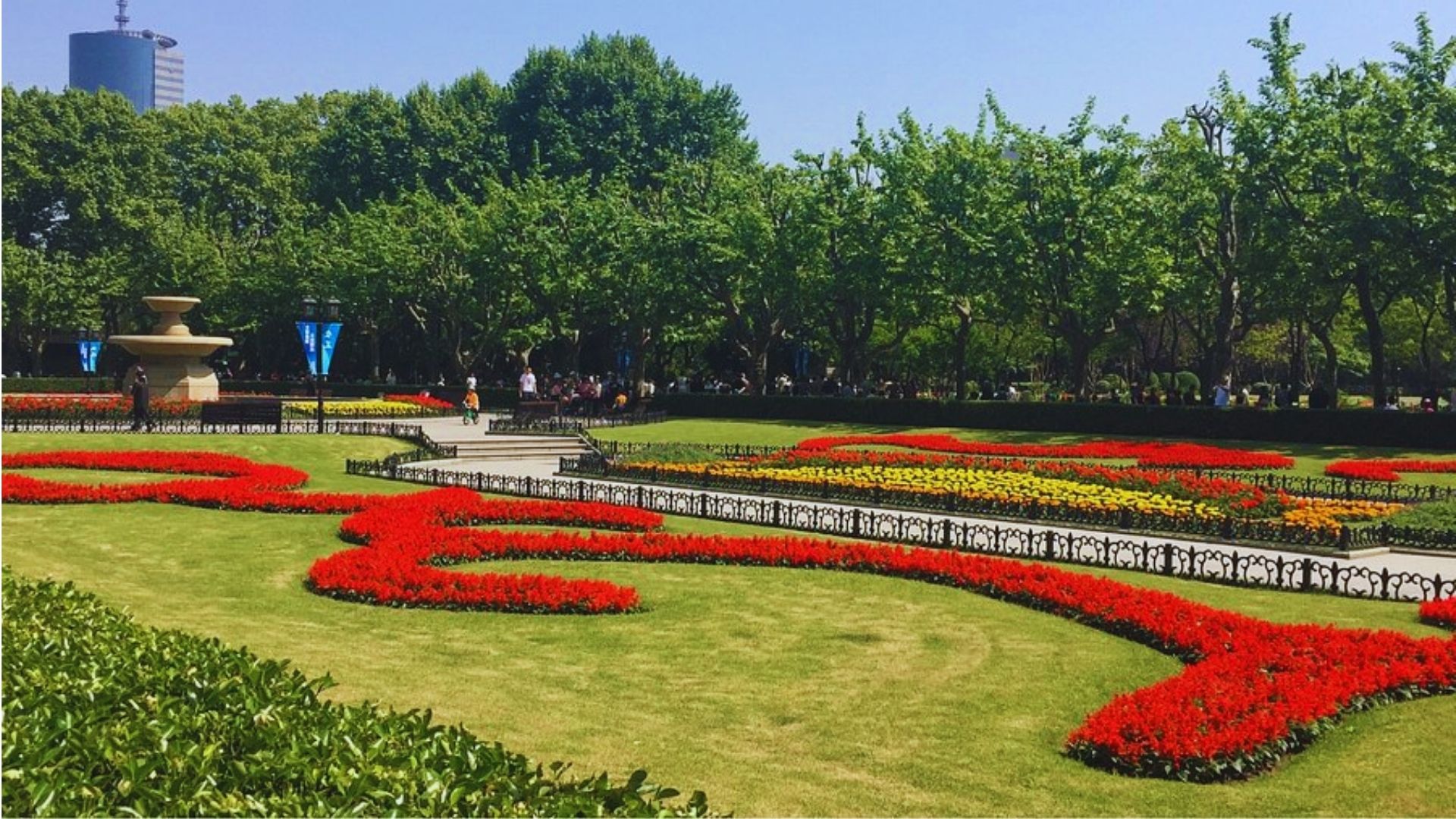
Fuxing Park is a small, leafy park in the French Concession area. In the mornings, you will find locals doing tai chi, practicing ballroom dancing, and playing chess.
It is a real slice of everyday Shanghai life that most tourists walk right past.
27. Shikumen Open House Museum
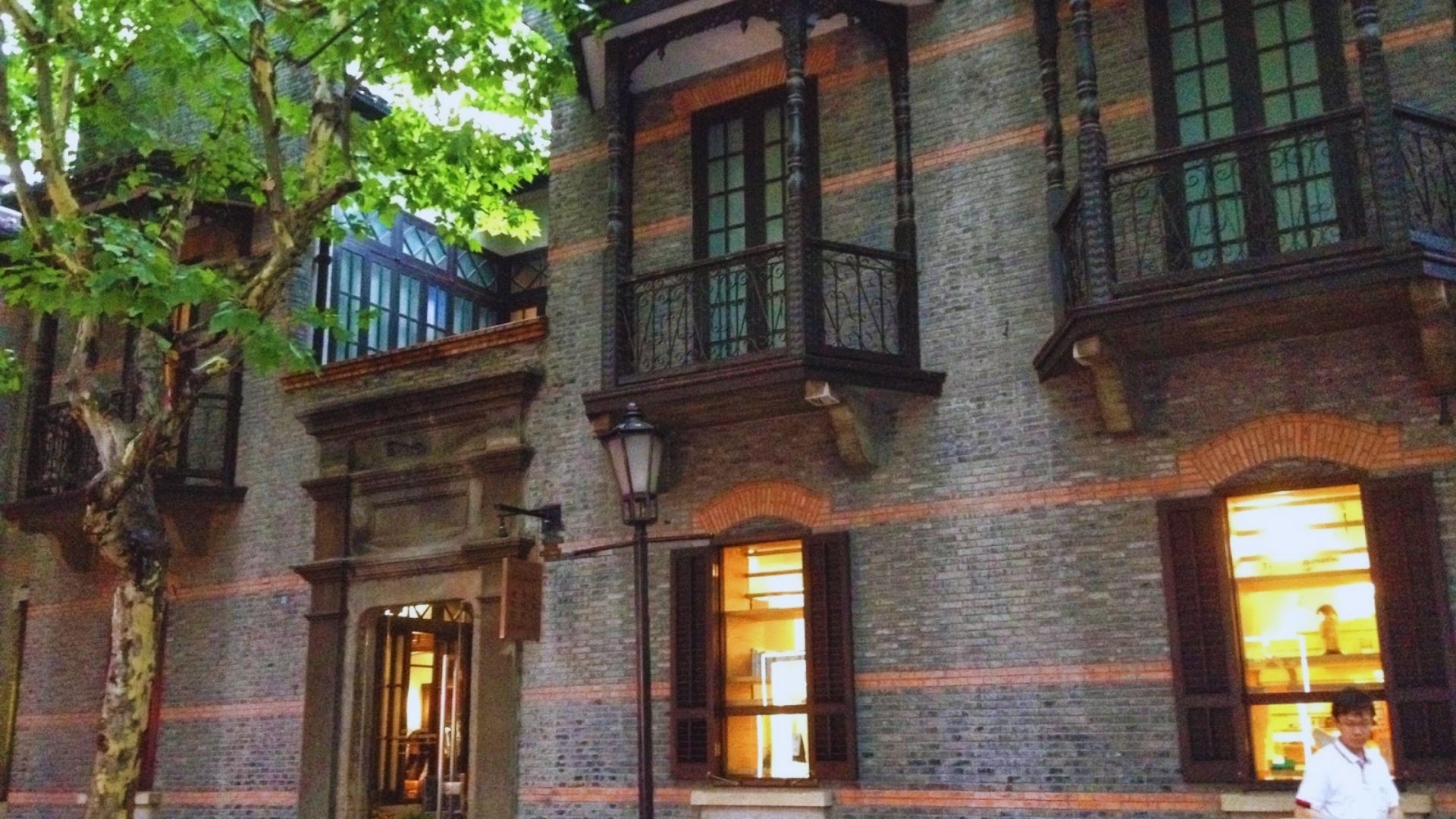
This museum in Xintiandi gives you a look inside a restored Shikumen lane house. These were the main housing styles in old Shanghai.
It is a well-done exhibit that shows how families actually lived in the city during the early twentieth century.
28. Century Park
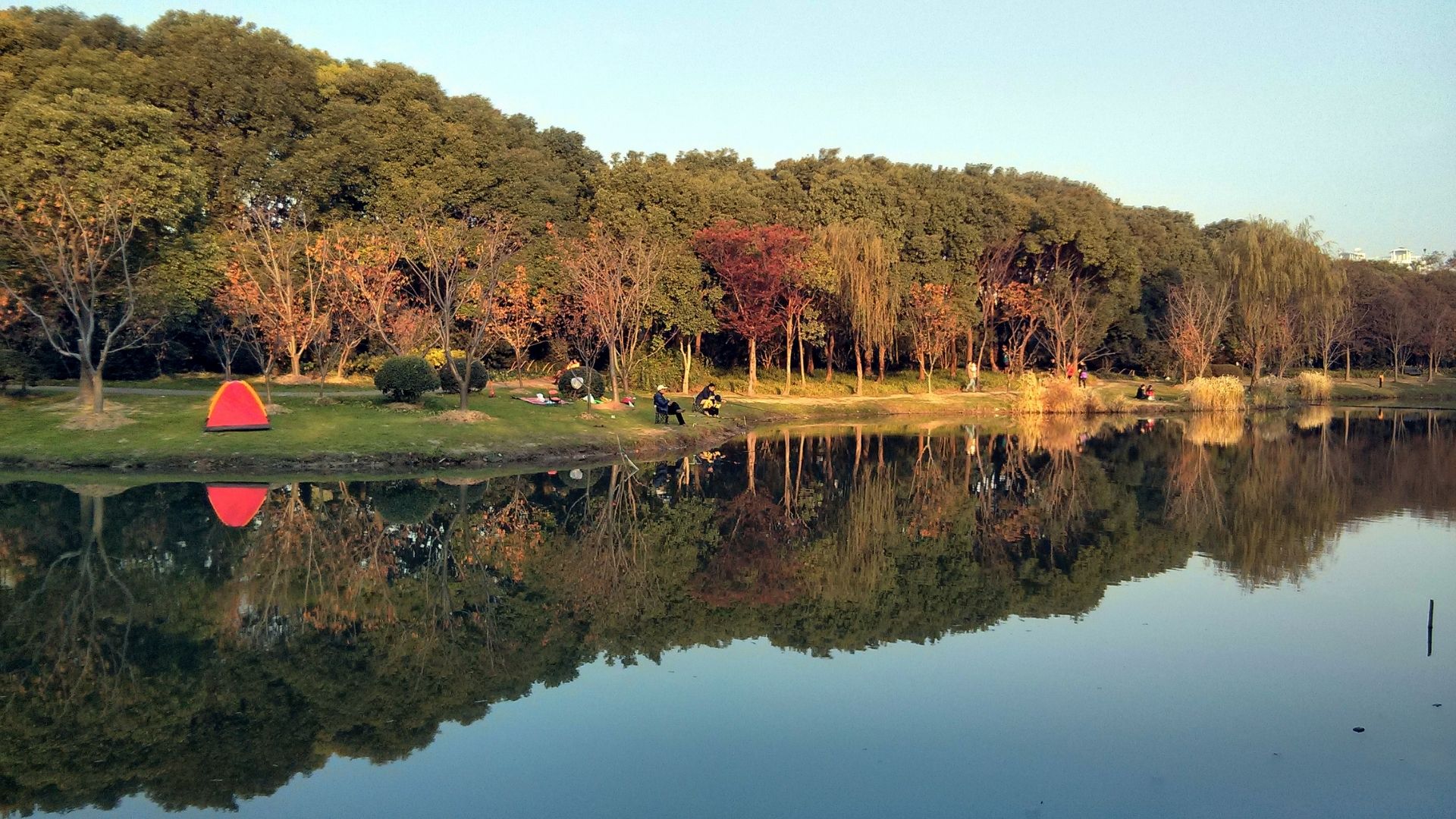
Century Park is one of Shanghai’s biggest parks. You can rent a bike, take out a boat, or just walk around the lake.
It is a popular spot on weekends with families and locals looking to get some fresh air away from the city noise.
29. Shanghai Science and Technology Museum

This museum has hands-on exhibits covering robotics, biology, space, and more. It is especially good for kids, but adults will find plenty to engage with too.
The IMAX theater inside shows science-focused films that are worth fitting into your visit.
30. Qibao Ancient Town
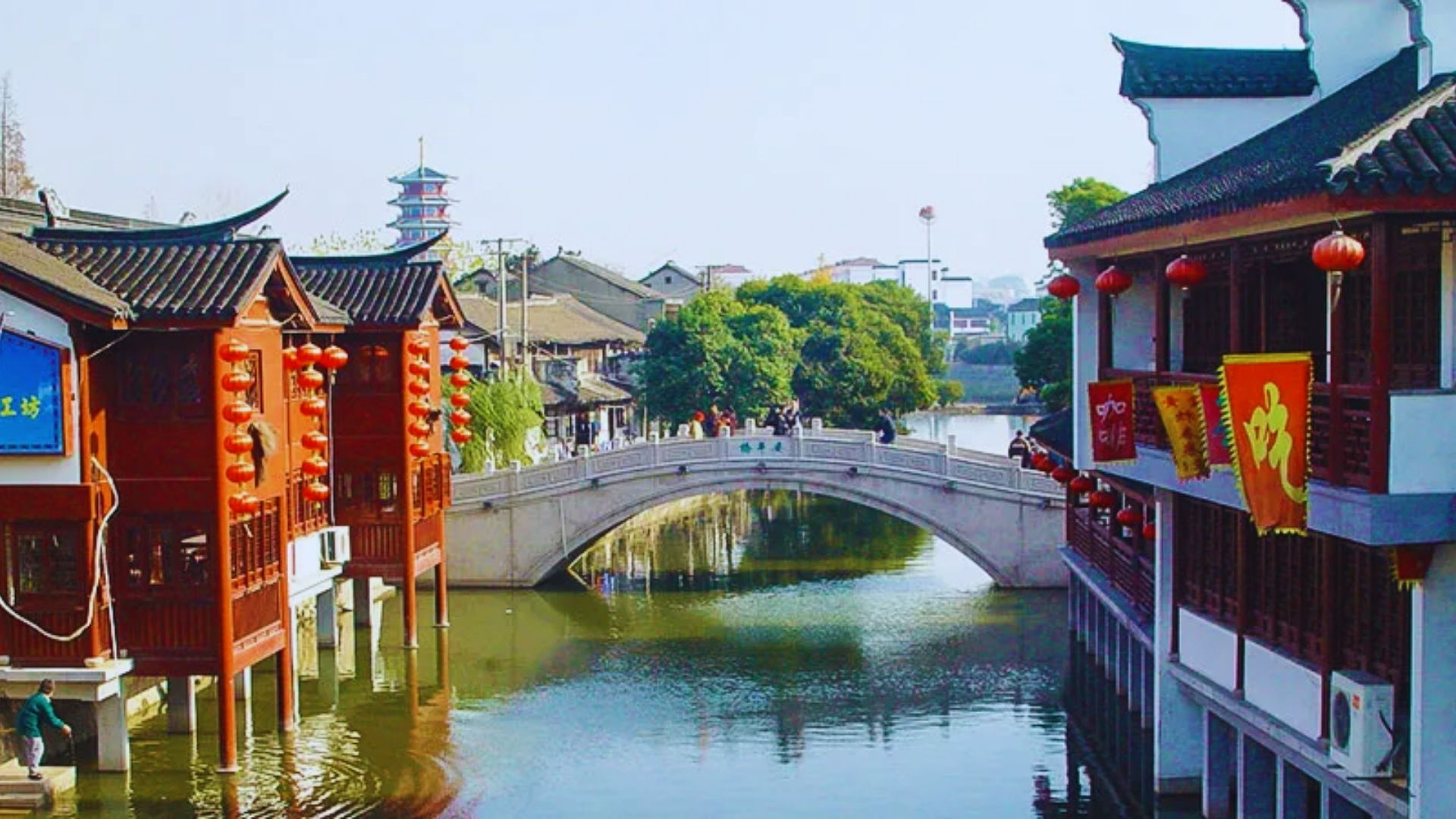
Qibao is a smaller, quieter version of Zhujiajiao. It is closer to the city center and easy to reach by metro.
The canal-side streets are lined with local food stalls selling everything from sticky rice to skewered snacks. I loved it for the food alone.
31. Duolun Road Cultural Street
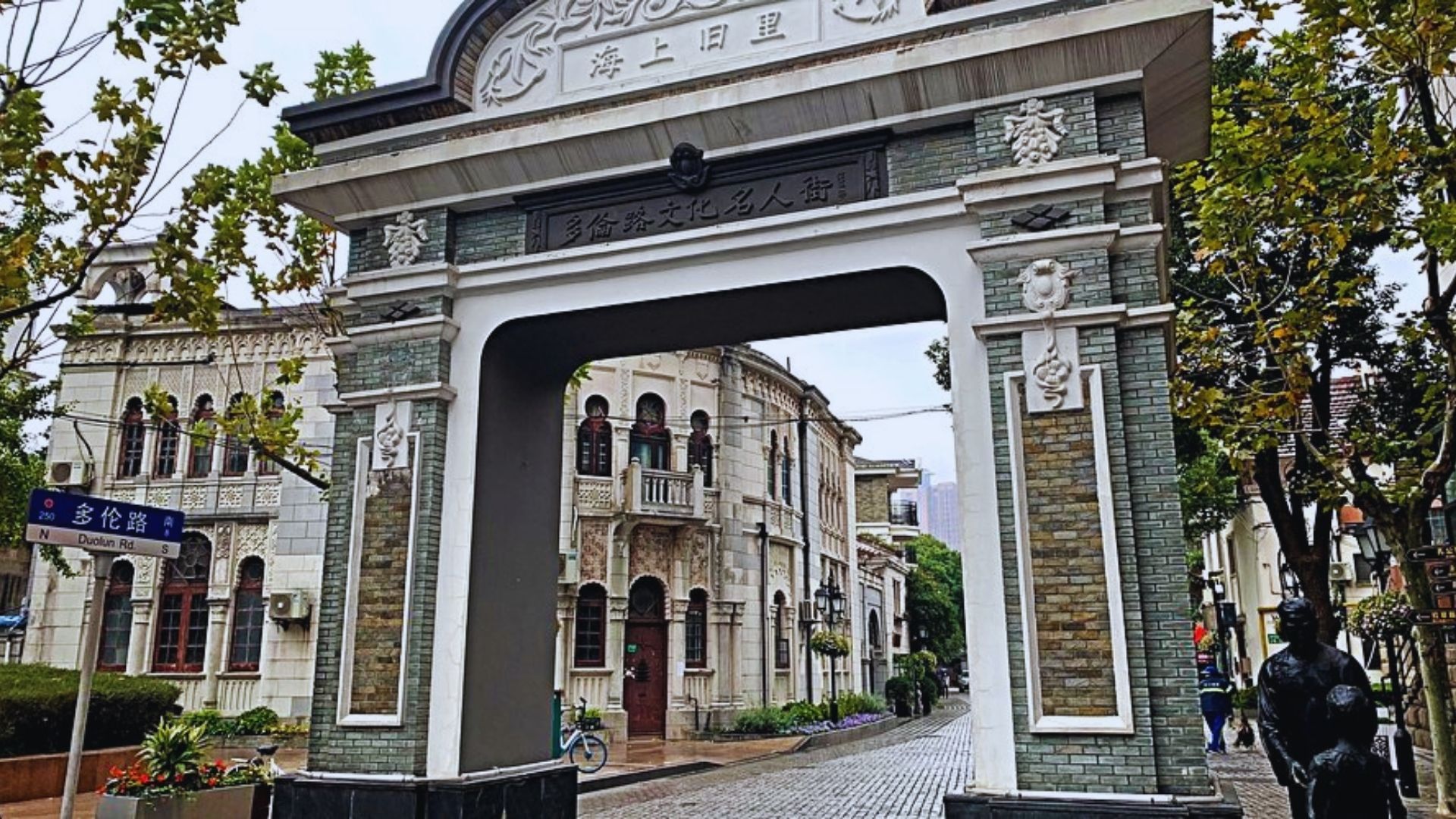
Duolun Road is a short pedestrian street in Hongkou filled with art galleries, antique shops, and bronze statues of famous Chinese writers.
It has a quiet, intellectual feel. It is not a typical tourist stop, which is exactly what makes it worth the visit.
32. Lujiazui
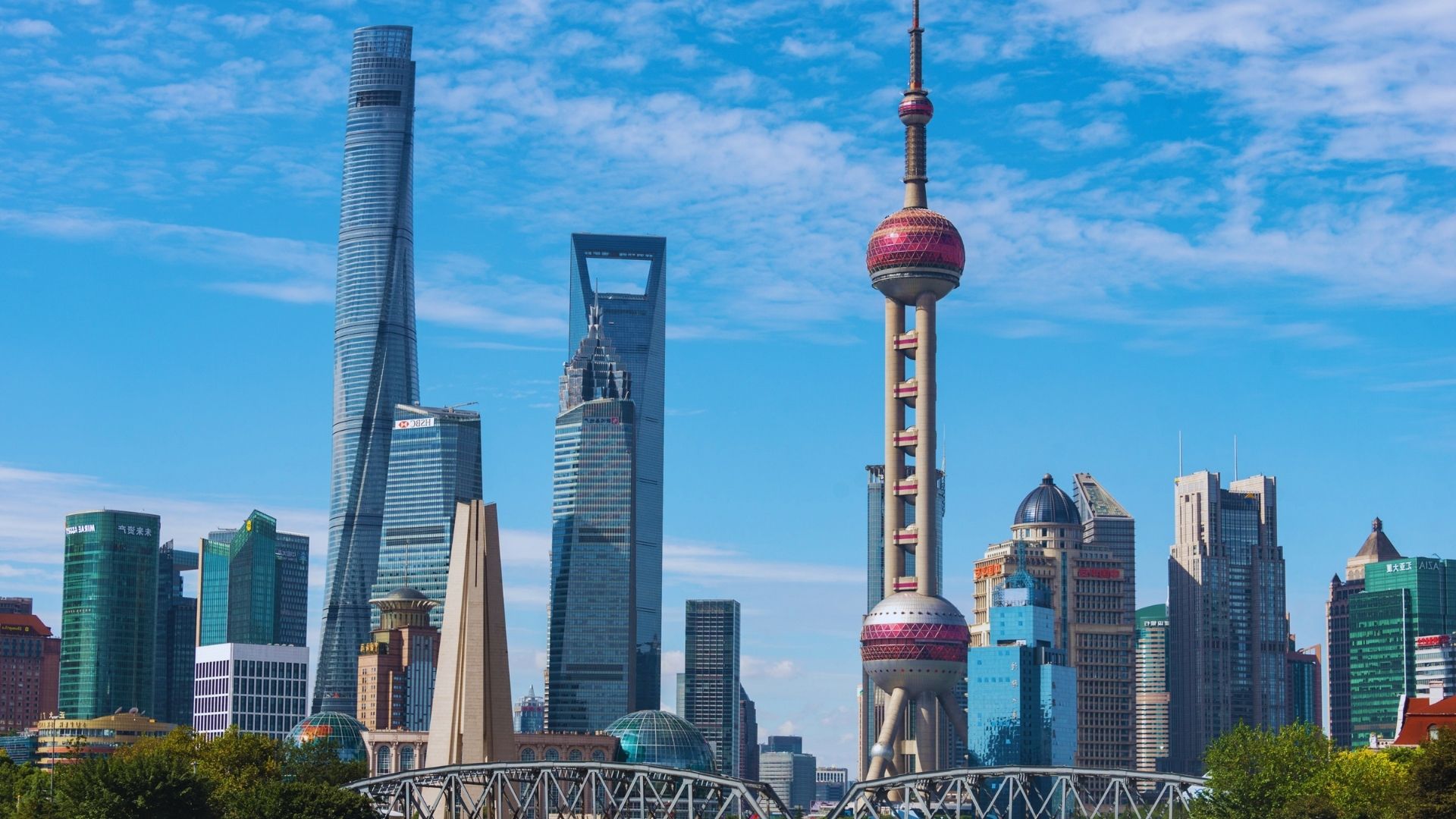
Lujiazui is the financial district of Pudong and home to Shanghai’s most recognizable skyline. Walking through it feels surreal.
The three towers, the Oriental Pearl, and the river all come together here. It is the spot that people think of when they imagine modern Shanghai.
33. West Bund
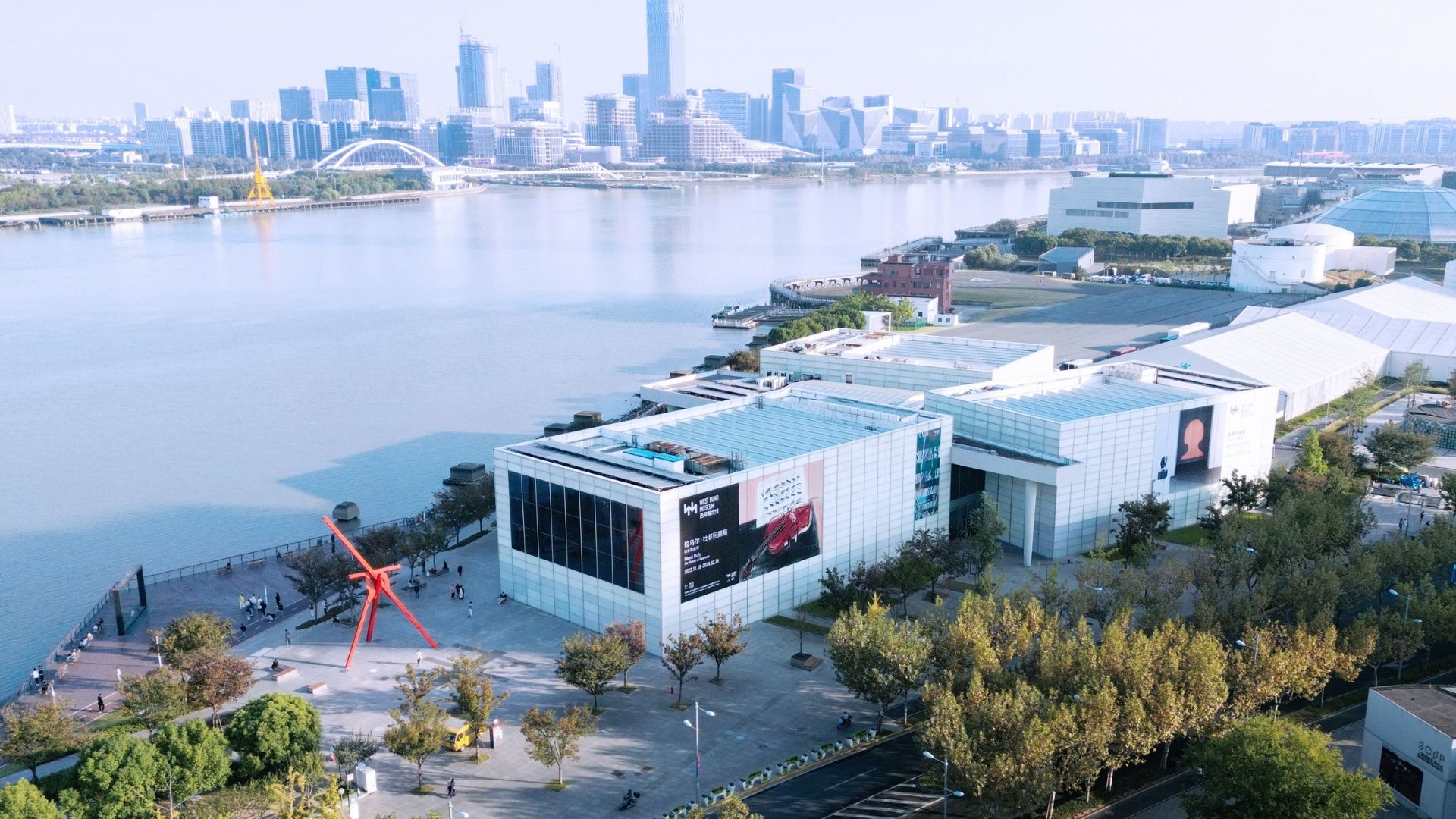
West Bund is a riverside strip that has been turned into a modern art and leisure area. There are museums, galleries, outdoor art installations, and great river views.
It has a relaxed, creative vibe that feels very different from the busy commercial areas of the city.
Tips for Visiting Shanghai
A few simple things to know before you go, so your trip runs smoothly from day one.
- Get a VPN before you arrive. Most Western apps and websites, including Google and Instagram, are blocked in China. Download one before you board your flight.
- Use the metro. Shanghai’s subway system is fast, cheap, and easy to use. Most signs are in English, and it covers almost every major spot on this list.
- Carry some cash. Many local food stalls and smaller shops still prefer cash. Have some Chinese yuan on hand even if you plan to use Alipay or WeChat Pay.
- Book big attractions in advance. Shanghai Disneyland, the observation decks, and popular day trips fill up fast, especially on weekends and public holidays.
- Learn a few words of Mandarin. A simple “xie xie” (thank you) or “ni hao” (hello) goes a long way and locals genuinely appreciate the effort.
Conclusion
I hope this guide gives you a clear picture of what to do in Shanghai. This city has layers that take time to appreciate.
I remember the first time I saw the Bund at night and how it felt like the whole world was glowing. You are going to have moments like that too.
Start with the spots that excite you most, then let the city take you from there. If you found this helpful, leave a comment below or share it with someone planning a trip.
I would love to hear where you end up going.
Frequently Asked Questions
What is the best time of year to visit Shanghai?
Spring (March to May) and autumn (September to November) are the most comfortable seasons. The weather is mild and the crowds are more manageable than during the summer peak.
How many days do I need to see Shanghai properly?
Four to five days gives you enough time to cover the main highlights and fit in a day trip. If you want a slower pace or plan to see more of the surrounding areas, a week works better.
Is Shanghai safe for solo travelers?
Yes, Shanghai is considered one of the safest major cities in the world. Crime rates are low and public transport is reliable. Solo travelers, including women, generally feel very comfortable getting around the city.
Do I need a visa to visit Shanghai?
Most visitors need a Chinese visa, but Shanghai does offer a 144-hour visa-free transit policy for citizens of many countries. Check the latest rules for your nationality before booking anything.
What language is spoken in Shanghai, and will English be understood?
Mandarin is the official language, and Shanghainese is the local dialect. English is spoken in major hotels, tourist spots, and some restaurants, but outside those areas it is limited.
