


Dublin is one of those cities that stays with you long after you leave. The old streets, the warm pubs, the sound of live music spilling out onto the pavement.
It all feels very real and very alive. I put this three day itinerary together for anyone visiting Dublin for the first time and wanting to make the most of every hour.
You will cover the top sights, eat well, and still have time to sit back and take it all in. Three days is enough to fall in love with this city.
Why 3 Days in Dublin Is the Perfect Short Break
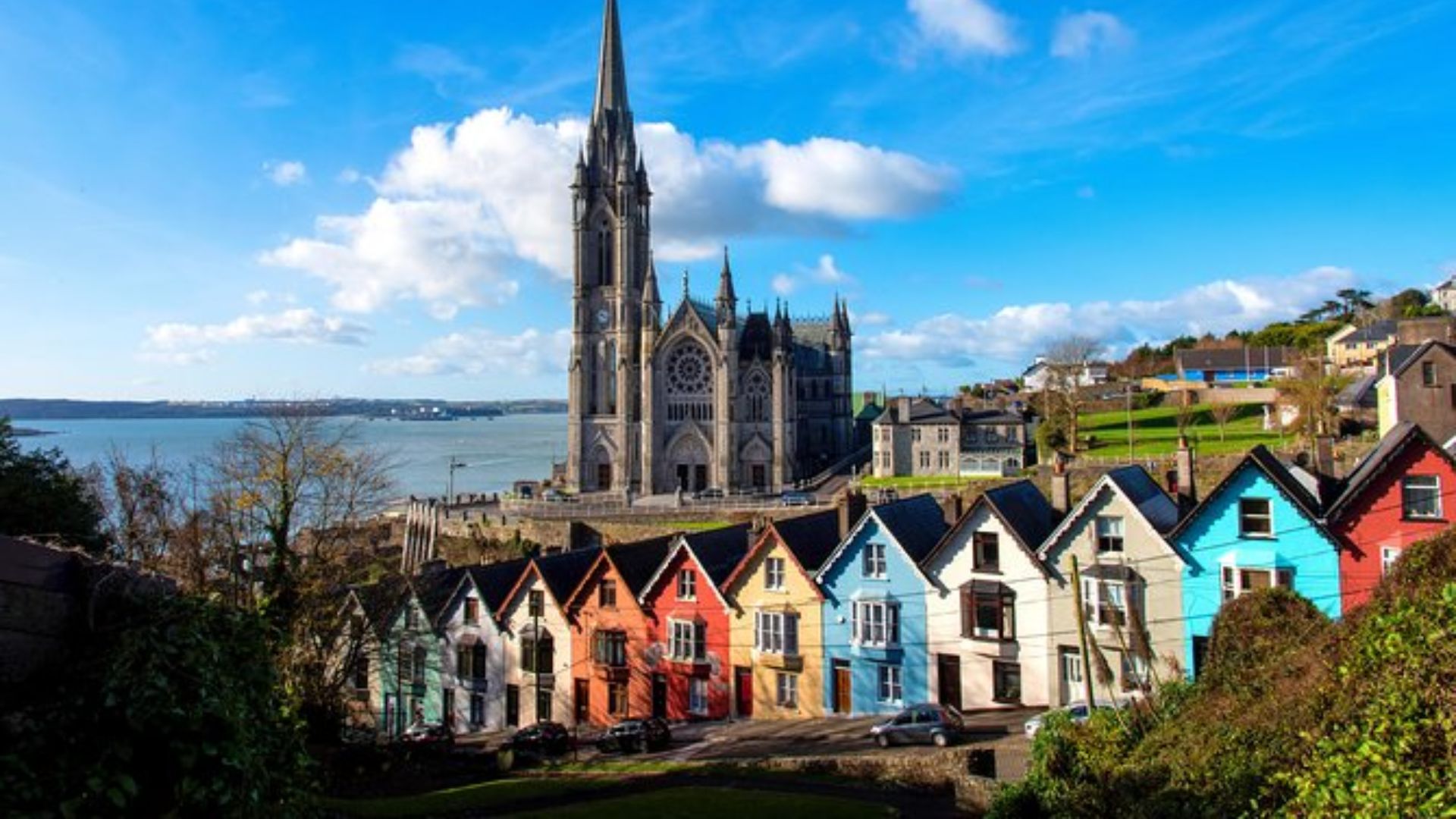
Dublin is one of those cities that gives you a lot in a short time.
In just 72 hours, you can walk through centuries of history, eat well, hear live music, and still have time to sit by the River Liffey with a coffee.
The city is compact, easy to move around on foot, and packed with things to see and do.
This itinerary works well for first-timers, couples, and solo travelers. No complicated planning needed. Just show up, follow the guide, and enjoy every bit of it.Here is the updated content:
Where to Stay for 3 Days in Dublin
Choosing the right area makes your trip smoother and more enjoyable from day one.
Temple Bar – Central and Lively
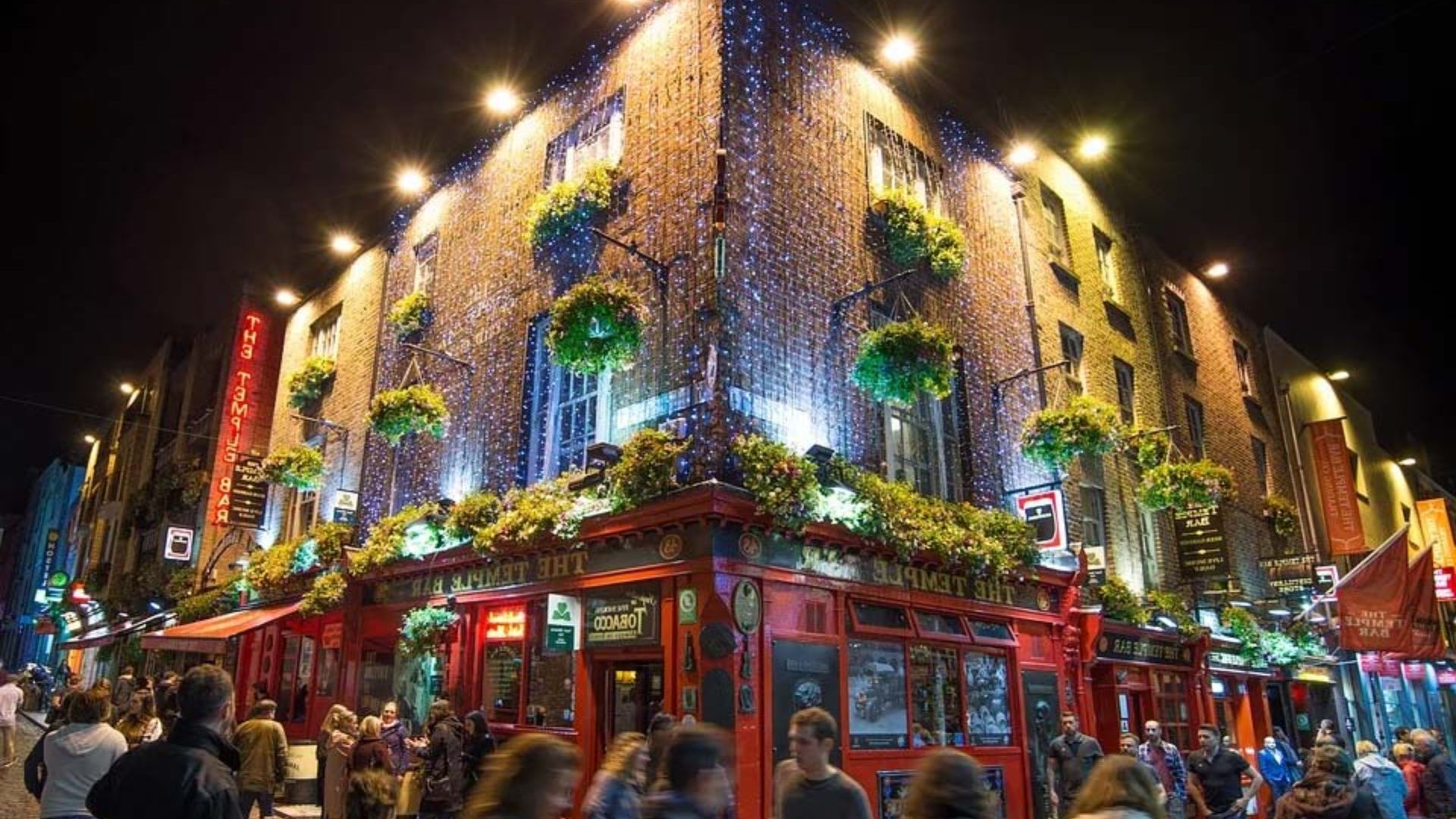
Temple Bar puts you right in the middle of the action. Pubs, restaurants, and top sights are all within walking distance. It is the best spot if you want easy access to everything.
Portobello – Trendy and Local Vibes
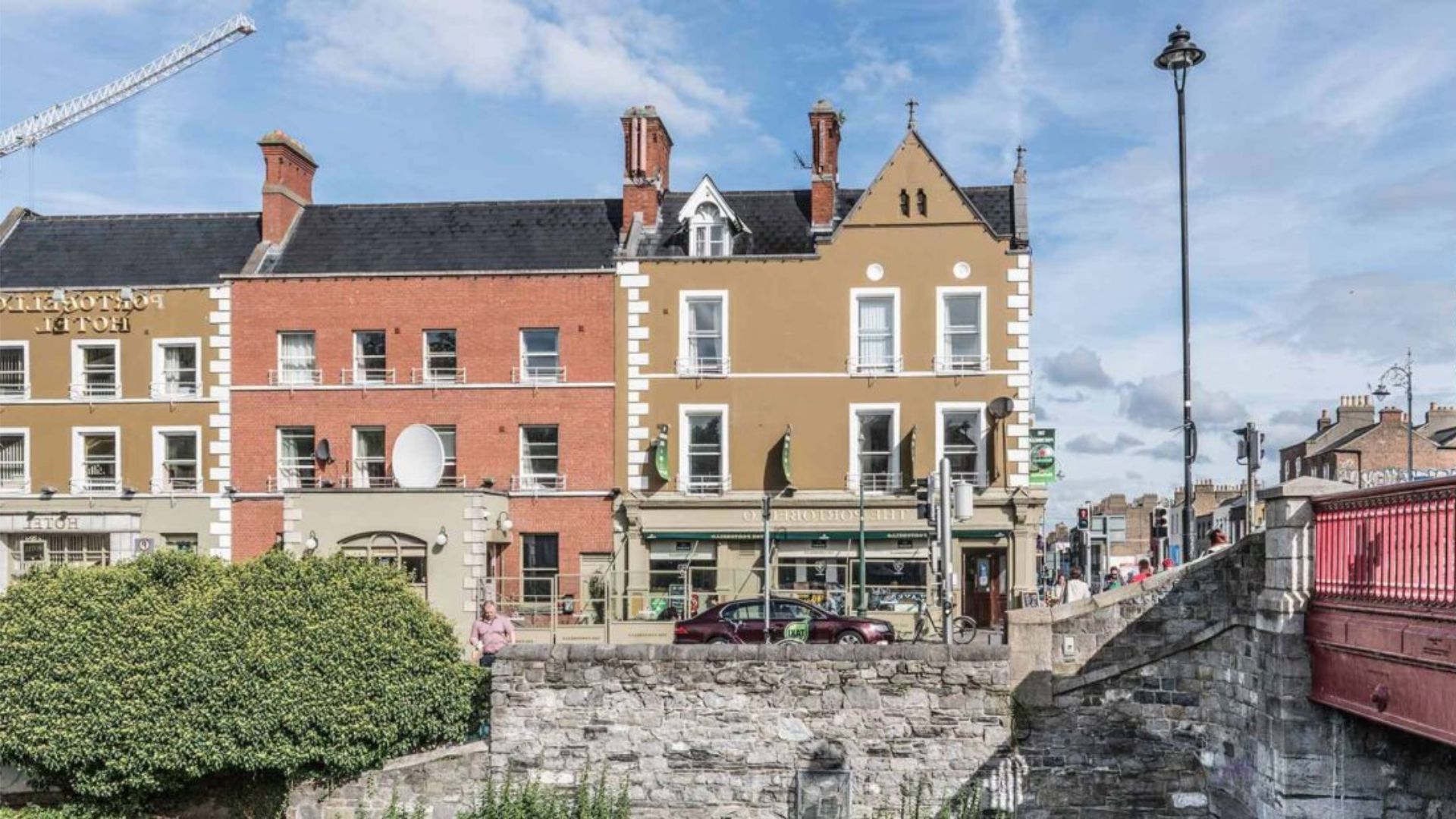
Portobello has a quieter, more local feel. Great cafes, independent shops, and a relaxed atmosphere make it a solid choice for travelers who want something a bit different.
Budget vs Mid-Range vs Luxury Accommodation Options
Dublin has options for every budget. Hostels and guesthouses offer good value for budget travelers.
Mid-range hotels are comfortable and well-placed. Luxury stays are mostly concentrated in the city center.
Tips for Booking Hotels in Dublin
- Book early, especially during weekends and festival seasons.
- Stay central to save time and cut down on transport costs.
- Compare prices across multiple platforms before confirming.
- Check if breakfast is included as it can save money daily.
- Read recent reviews to get an honest feel for the property.
Day 1: Dublin’s Historic Highlights
Day one covers the oldest parts of the city, a riverside walk, and a classic pub night to finish.
Morning – The City’s History
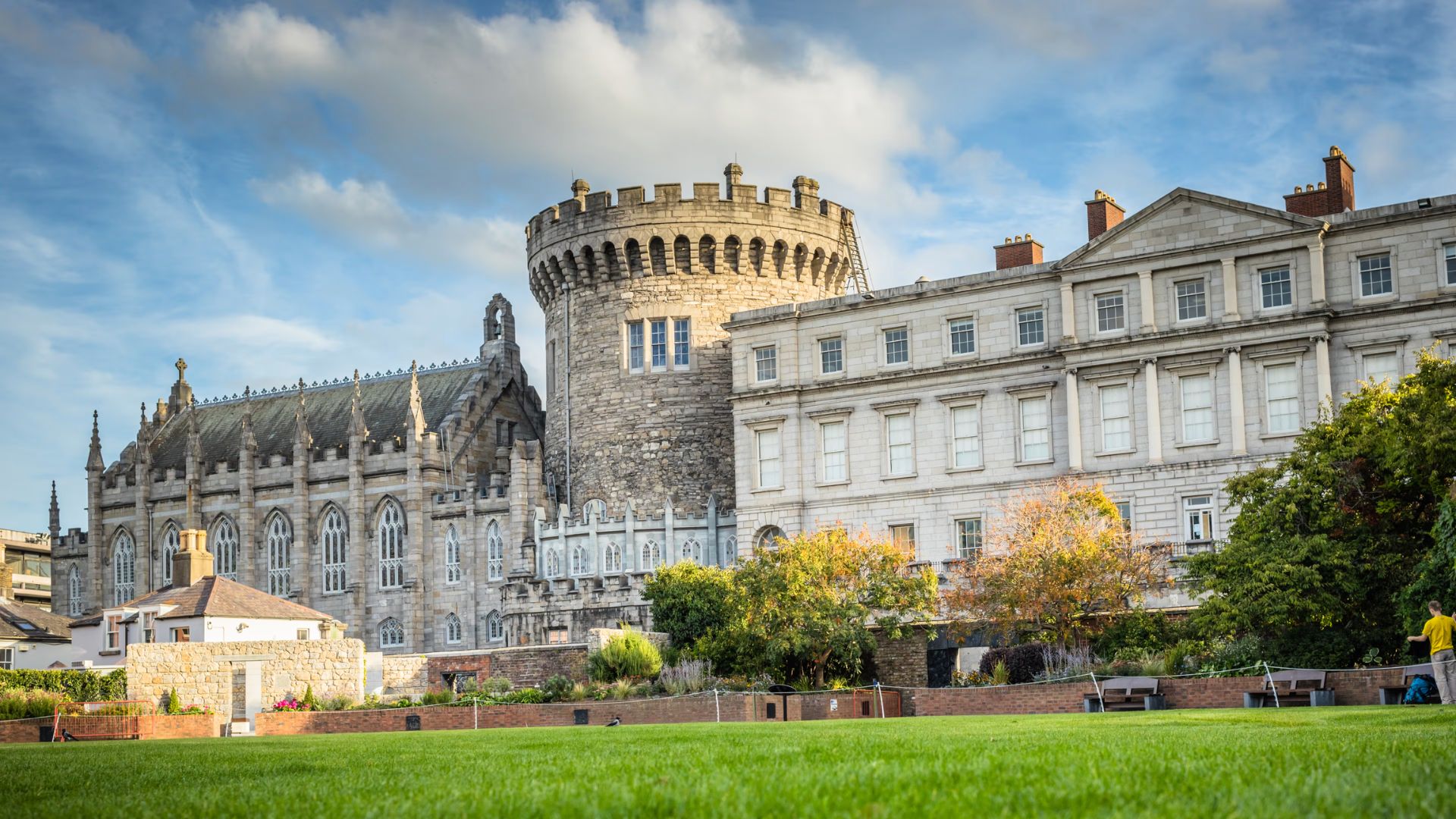
Start at Dublin Castle, which has stood at the heart of the city for over 800 years. The State Apartments and medieval undercroft are worth seeing.
Then walk down to the Ha’penny Bridge, built in 1816, for a great view of the River Liffey. It is one of the most photographed spots in Dublin.
Afternoon – Museums & City Walks
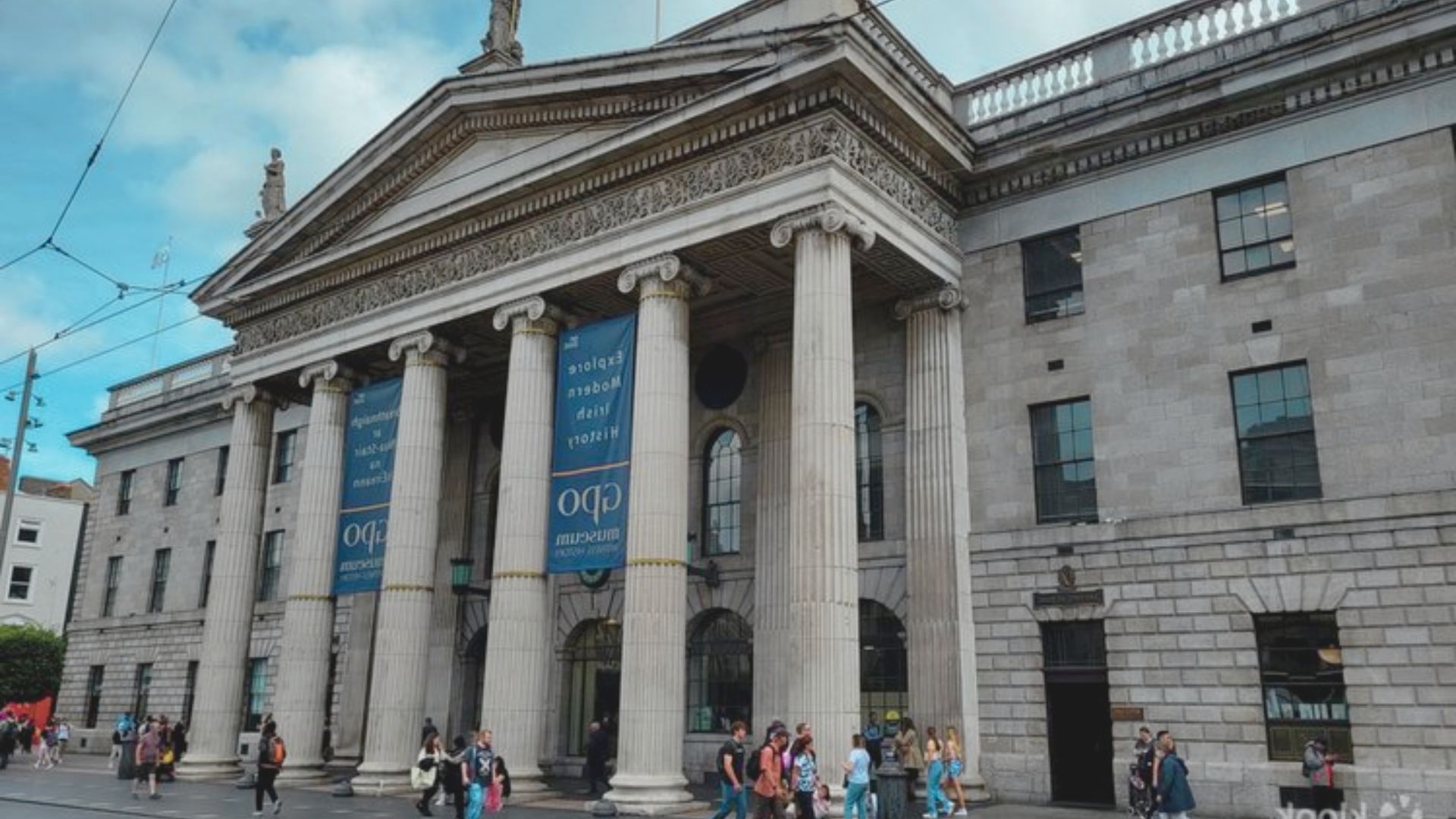
EPIC The Irish Emigration Museum covers 1,500 years of Irish history across 20 galleries. It is easy to follow and genuinely interesting.
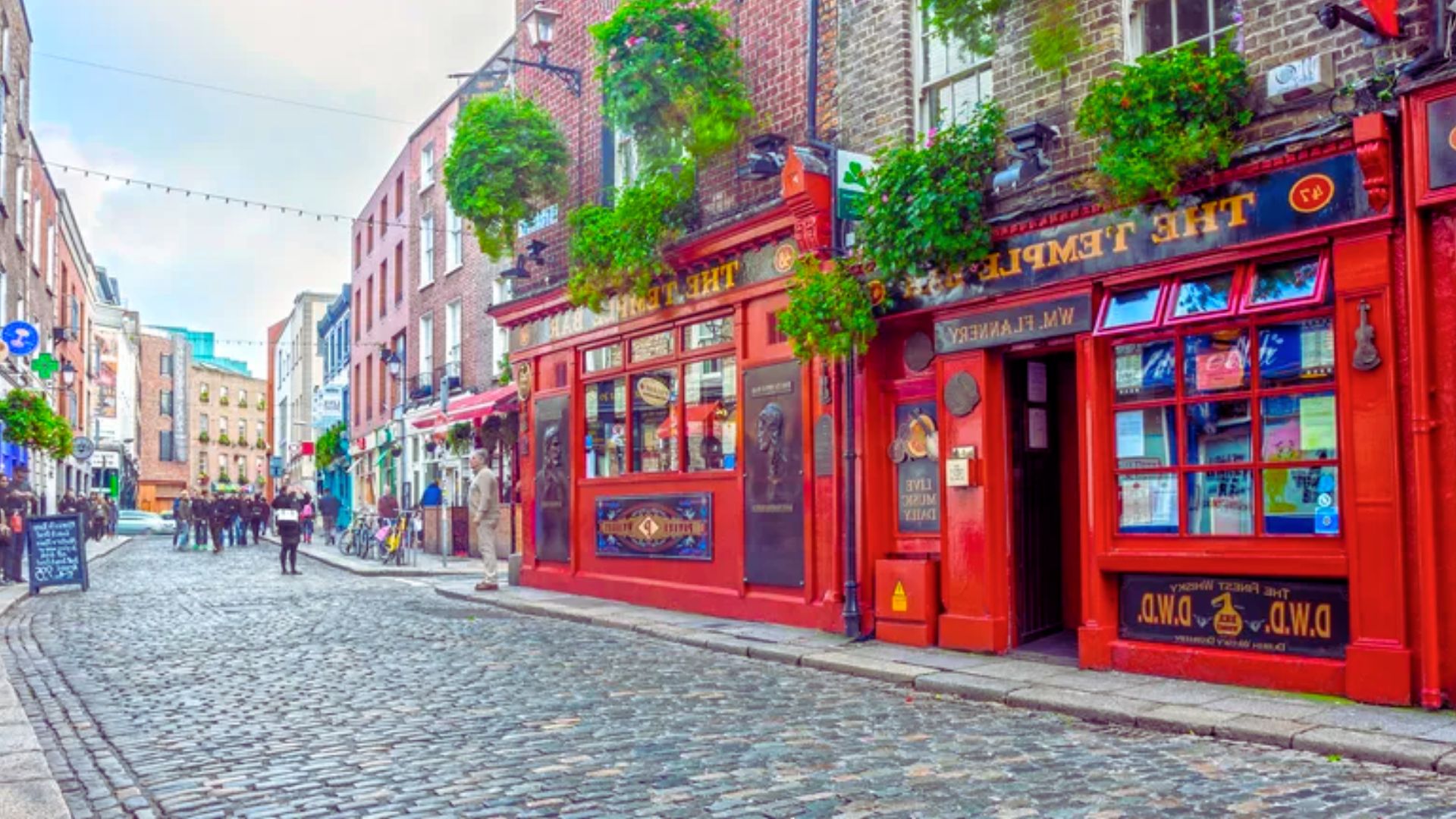
Afterwards, head to Temple Bar. Cobbled streets, cafes, and street performers make it a great place to walk around and grab a coffee before the evening.
Evening – Traditional Pub Night
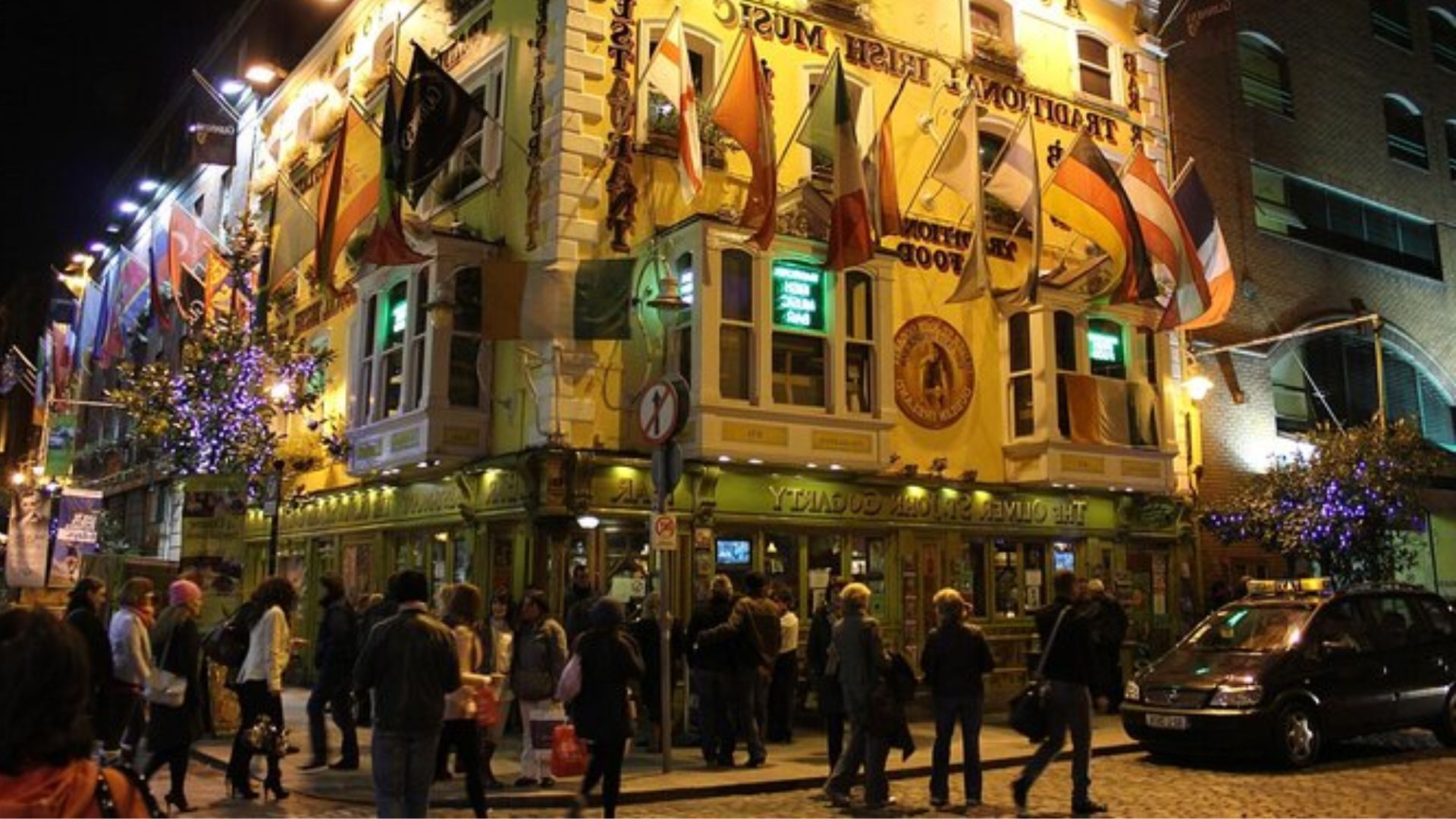
The Brazen Head, dating back to 1198, is Ireland’s oldest pub. It serves solid Irish food and hosts live traditional music most nights.
Get there early for a good seat.
Day 2: Irish Culture & Icons
Day two goes deeper into Irish culture with a famous brewery, a historic prison, and a lively night out.
Morning – Guinness Experience

The Guinness Storehouse takes you through the full history and brewing process of Ireland’s most famous stout. The tour ends at the Gravity Bar with a free pint and a 360-degree view of the city.
Afternoon – Irish History

Kilmainham Gaol held the leaders of the 1916 Easter Rising and played a key role in Irish independence.
The guided tour is a moving experience. Book tickets in advance as it sells out quickly.
Evening – Dublin Nightlife
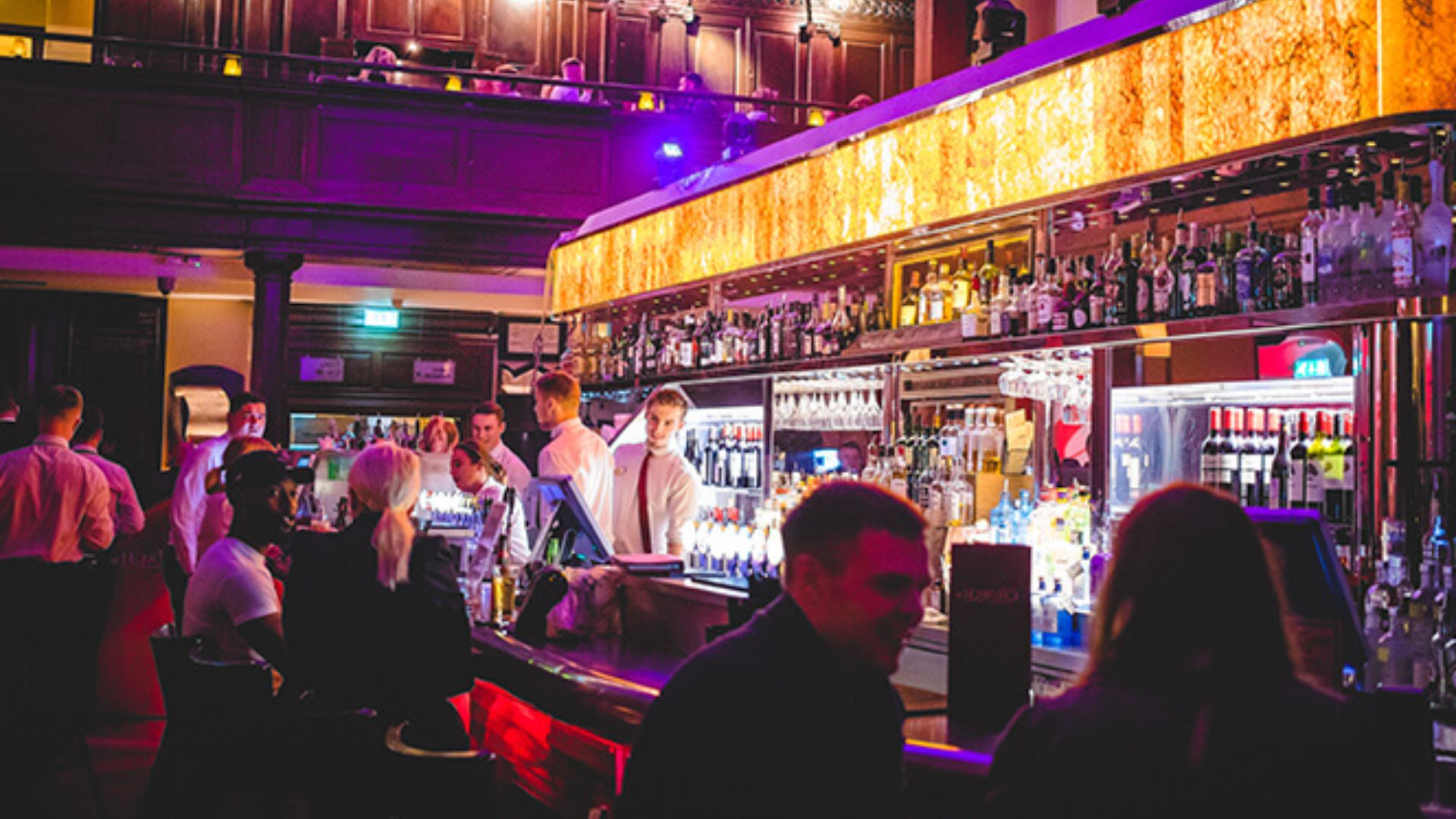
Temple Bar is lively at night with pubs of all sizes and live music most evenings.
The Cobblestone in Smithfield and O’Donoghue’s on Merrion Row are great spots for traditional sessions with no cover charge.
Day 3: Trinity College & Cathedrals
The final day covers Dublin’s academic and religious landmarks before a relaxed evening send-off.
Morning – Literary Dublin
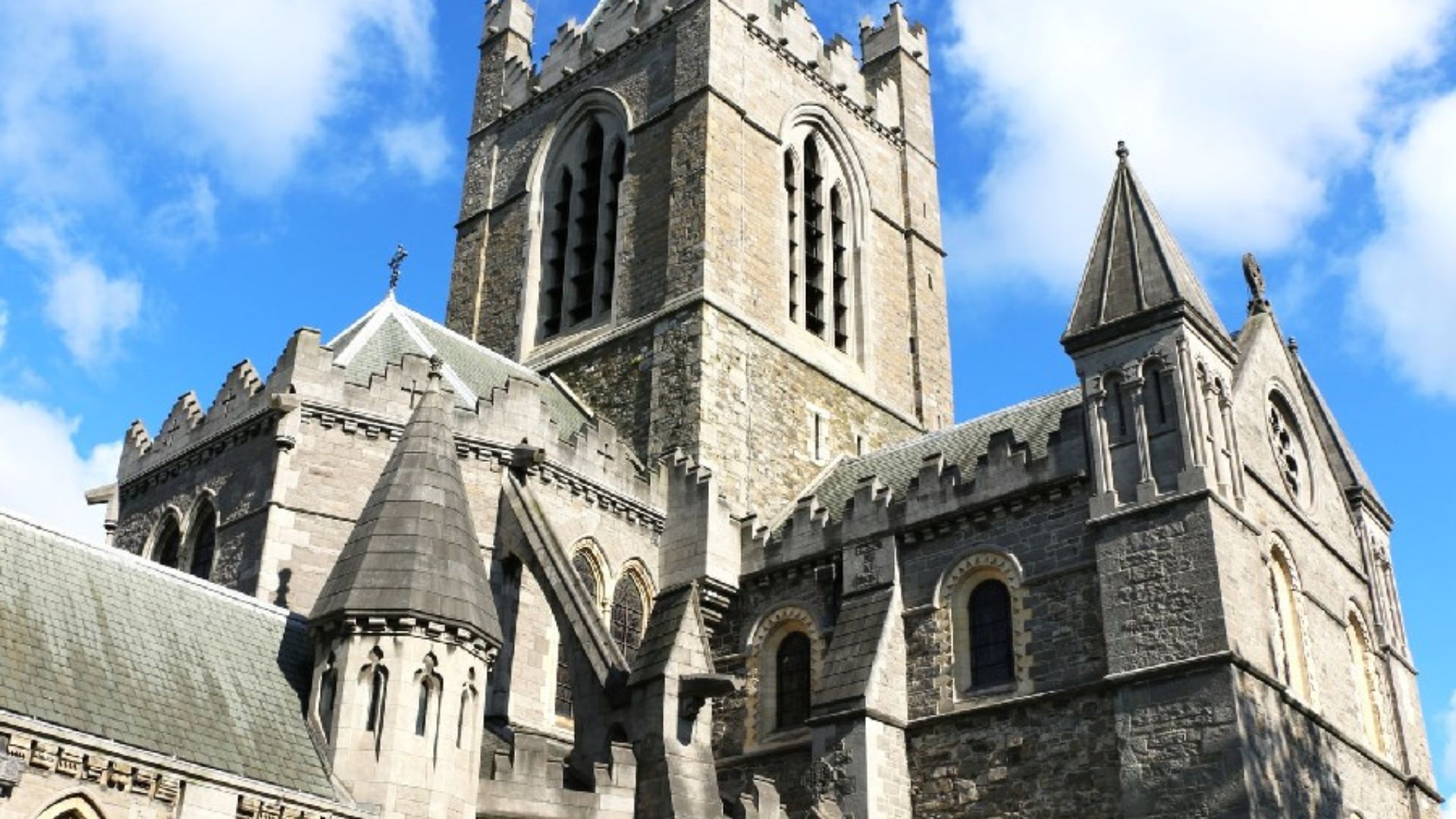
Trinity College, founded in 1592, is open to visitors. The Old Library houses the Book of Kells, an illuminated manuscript from around 800 AD.
The Long Room with its barrel-vaulted ceiling and thousands of ancient books is equally worth seeing.
Afternoon – Historic Churches
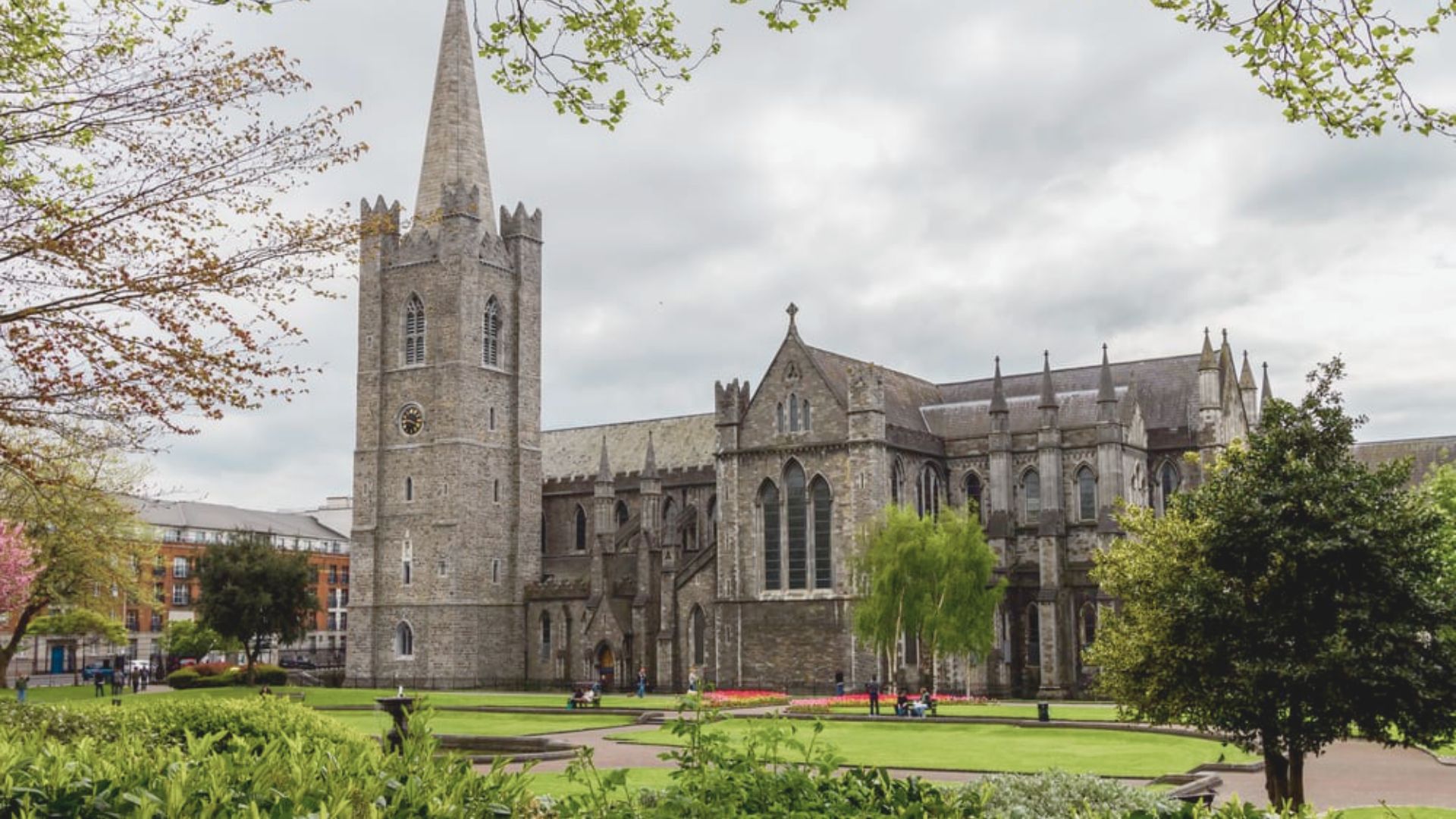
Christ Church Cathedral dates back to 1030 and has one of the largest crypts in Britain and Ireland.
Nearby, St. Patrick’s Cathedral has stood since 1191 and is the largest church in Ireland. Jonathan Swift is buried here and the interior is grand and full of history.
Evening – Shopping & Farewell Dinner

Walk along Grafton Street for some last-minute shopping with street musicians adding to the atmosphere.
End the trip with a bowl of seafood chowder or a slow pint at a local pub. Dublin has a way of making the last night feel like the best one.
How to Get Around Dublin in 3 Days
Dublin is a compact city and most of the main sights are within walking distance of each other. For longer trips, the bus and Luas tram system cover the city well.
The Leap Visitor Card gives unlimited travel on public transport for one, two, or three days and is worth picking up at the airport.
Speaking of which, the Aircoach and Dublin Bus both run regular services between the airport and the city center at a reasonable price.
How Much Does 3 Days in Dublin Cost?
Dublin is not the cheapest city, but it is manageable with some planning. Budget travelers can get by on around 80 to 100 euros a day covering a hostel, meals, and a few attractions.
Mid-range trips typically run between 150 to 200 euros per day. Key attractions like the Guinness Storehouse and Kilmainham Gaol cost between 10 to 25 euros each.
Eating at local spots and markets keeps food costs low. Many sights like the Ha’penny Bridge, St. Patrick’s Cathedral grounds, and Grafton Street cost nothing at all.
Quick Travel Tips for 3 Days in Dublin
- Stay in or near the city center to keep travel time short. Temple Bar and Dame Street put you close to most major sights.
- Dublin is very walkable and most attractions on this itinerary are within a 20 to 30 minute walk of each other. Use the Luas or Dublin Bus for longer distances.
- Book Kilmainham Gaol and the Guinness Storehouse tickets online in advance. Both are popular and sell out regularly, especially on weekends.
- Budget around 80 to 150 euros per day depending on your accommodation and dining choices. Eating at local cafes and pubs keeps costs reasonable.
- The weather in Dublin changes fast, so pack a light waterproof jacket regardless of the season. Layers work better than heavy coats for a city trip.
Conclusion
Three days in Dublin goes fast, but it leaves a lasting impression. The history, the pubs, the music, and the people all come together in a way that is hard to find elsewhere.
This itinerary covers the best of it without overloading your schedule. If you follow it, you will leave with full days, good memories, and probably a plan to come back.
Start booking your trip today and give Dublin the visit it deserves.
Frequently Asked Questions
Is 3 days enough to see Dublin?
Yes, three days is enough to cover the main sights, eat well, and get a real feel for the city. This itinerary is built to make the most of every day without rushing.
What is the best area to stay in Dublin as a first-timer?
Temple Bar is the most central option and puts you close to most major attractions. It is ideal if you want everything within easy walking distance.
How much money do I need for 3 days in Dublin?
Budget travelers can manage on around 80 to 100 euros per day covering accommodation, food, and attractions. Mid-range travelers should plan for around 150 to 200 euros per day.
Do I need to book attractions in advance in Dublin?
Yes, it is strongly recommended for popular spots like Kilmainham Gaol and the Guinness Storehouse. Both sell out regularly, especially on weekends and during busy seasons.
What is the best way to get around Dublin in 3 days?
Most of the city center is easy to cover on foot. For longer distances, the Luas tram and Dublin Bus are reliable and affordable, especially with a Leap Visitor Card.
