


I have spent weeks in this city, and I want to help you plan a trip that actually works. This guide covers the 47 best things to do in Chiang Mai, from old city temples and local markets to mountain drives and nearby towns.
You will find honest, practical picks here. No guesswork.
Inside this blog, I cover old city walks and temple visits, markets, street food, and night bazaars, mountain drives, lakes, and waterfalls, day trips and route ideas, and practical travel tips to help you get around with ease.
I have walked these streets and driven these mountain roads myself. That experience shapes every recommendation in this list.
Why Chiang Mai Is a Top Travel Destination
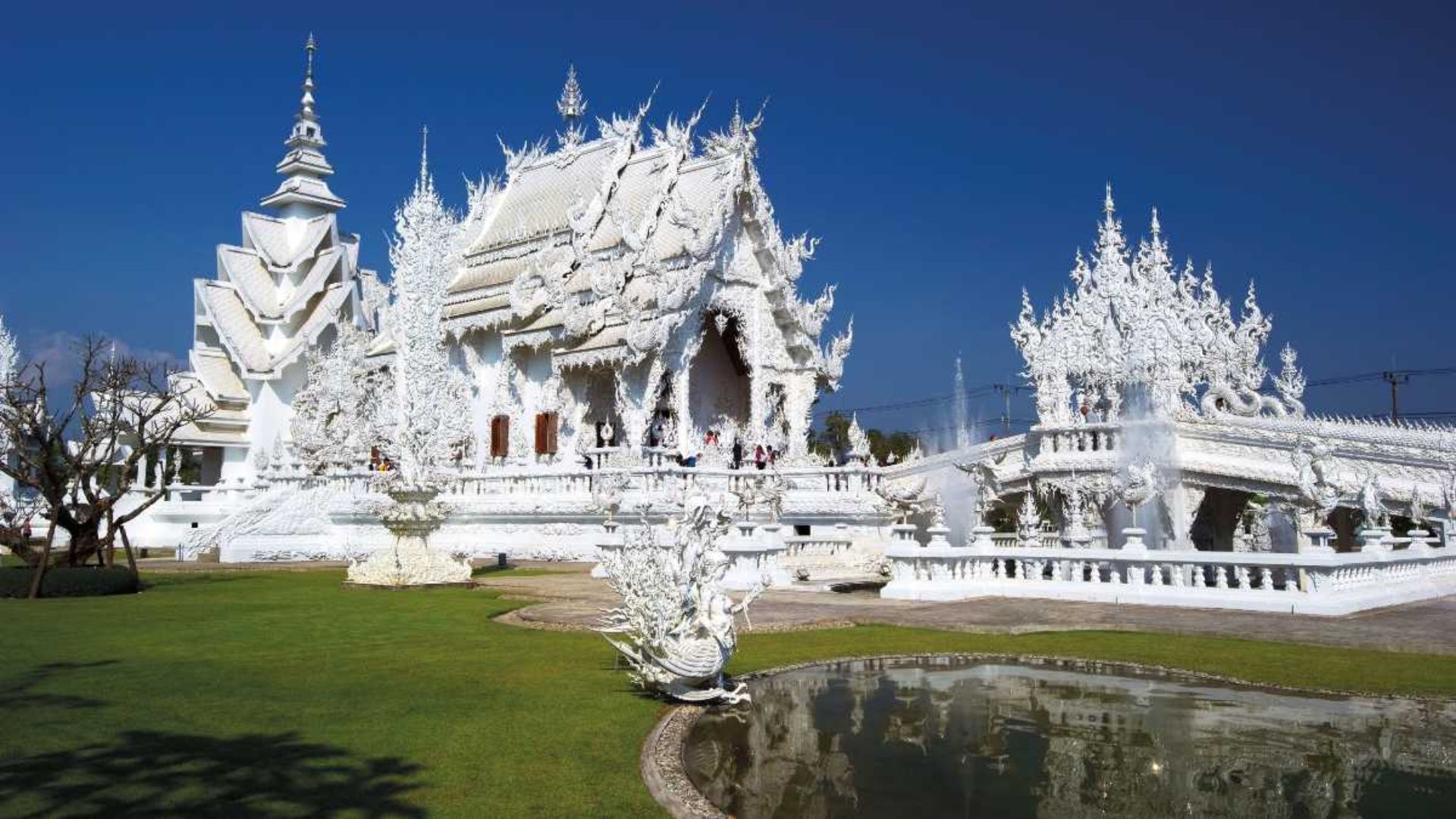
Chiang Mai sits in northern Thailand and feels very different from Bangkok or the southern coast. The old town is easy to walk, the temples are ancient and well-preserved, and the surrounding mountains offer fresh air and good scenery close to the city.
It works well for short stays and longer trips. A few days covers the main temples and food. Add more time and you can take in waterfalls, lake drives, and hill viewpoints.
Creative cafés, weekend markets, and skilled local makers add to its appeal. It rewards slow travel and suits a wide range of interests.
47 Best Things to Do in Chiang Mai: Best Activities & Sights
Here is a hand-picked list of the top things to do in Chiang Mai, covering temples, markets, mountain drives, lakes, and practical travel tips.
1. Walk Through the Historic Streets Inside the Old City
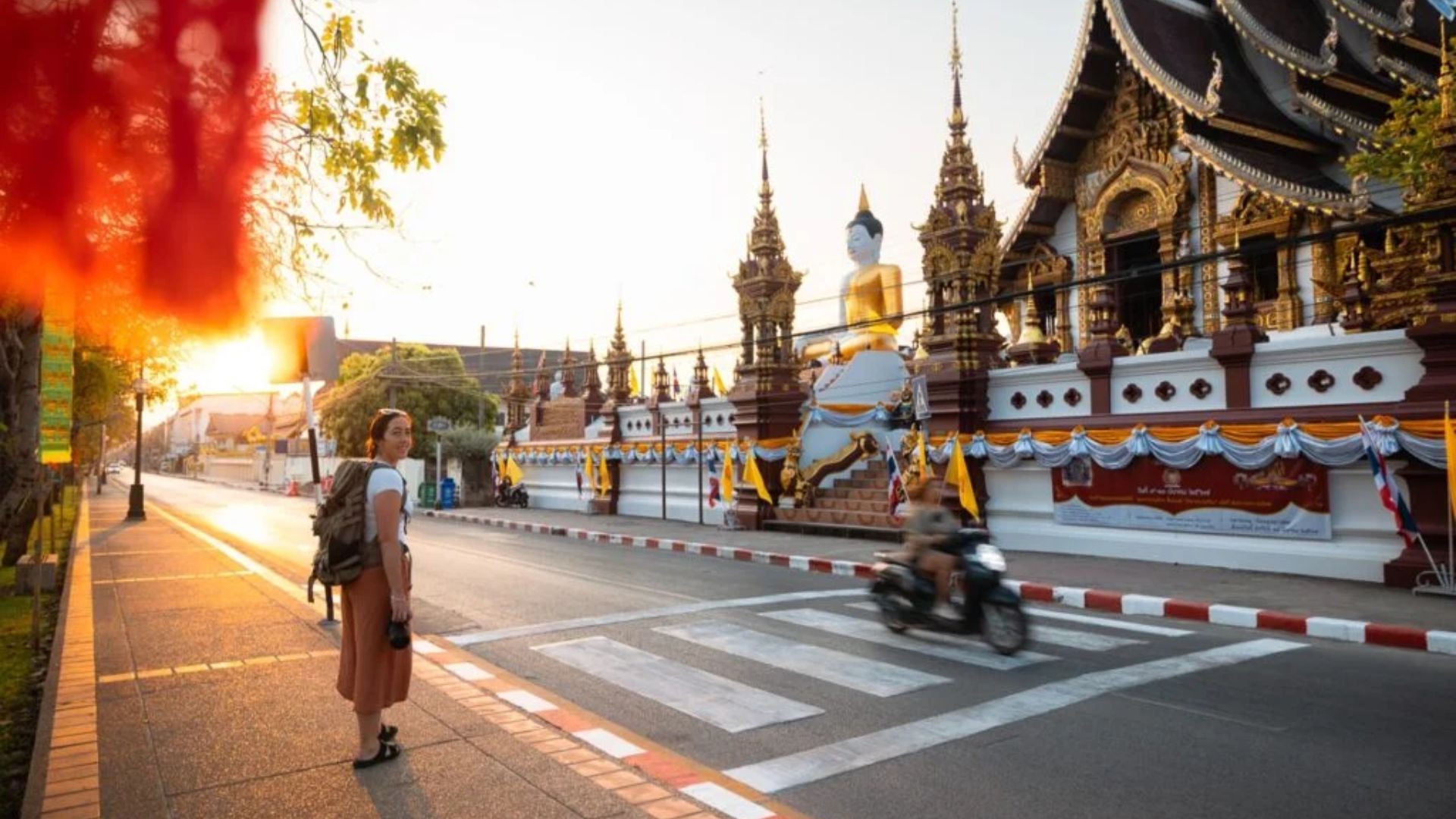
The square-shaped old city is compact and easy to cover on foot. Morning walks are calm and cool, with locals going about their day before crowds pick up. Side streets often hide small shrines, old wooden houses, and local coffee shops that are easy to miss if you rush.
2. Walk Along the Old City Canal
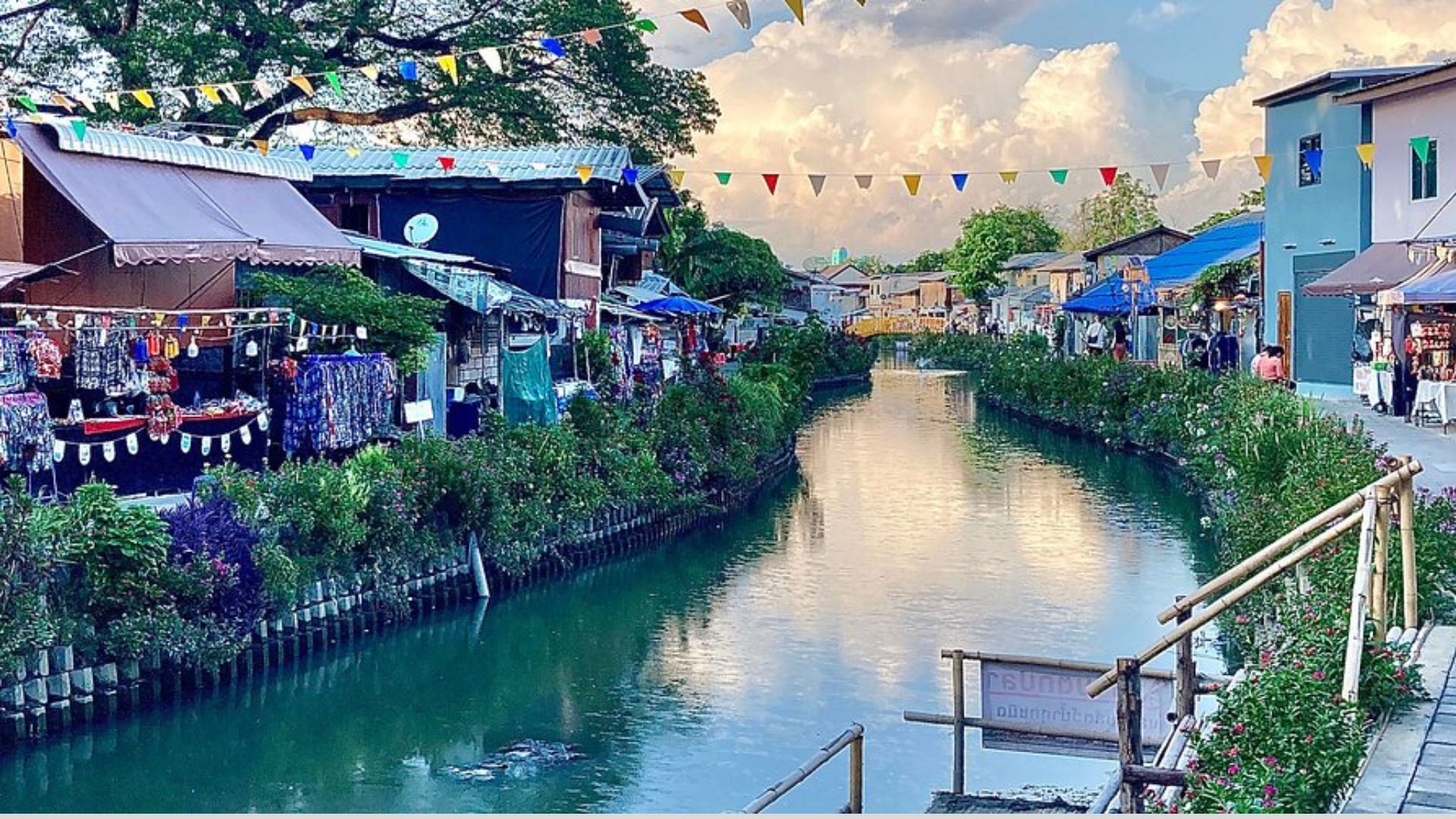
The canal runs along the outer edge of the old city walls and makes for a peaceful walking route. It is shaded in places, lined with small trees, and far quieter than the main roads. Early morning and late afternoon are the best times.
3. Photograph the Ancient City Walls and Moat
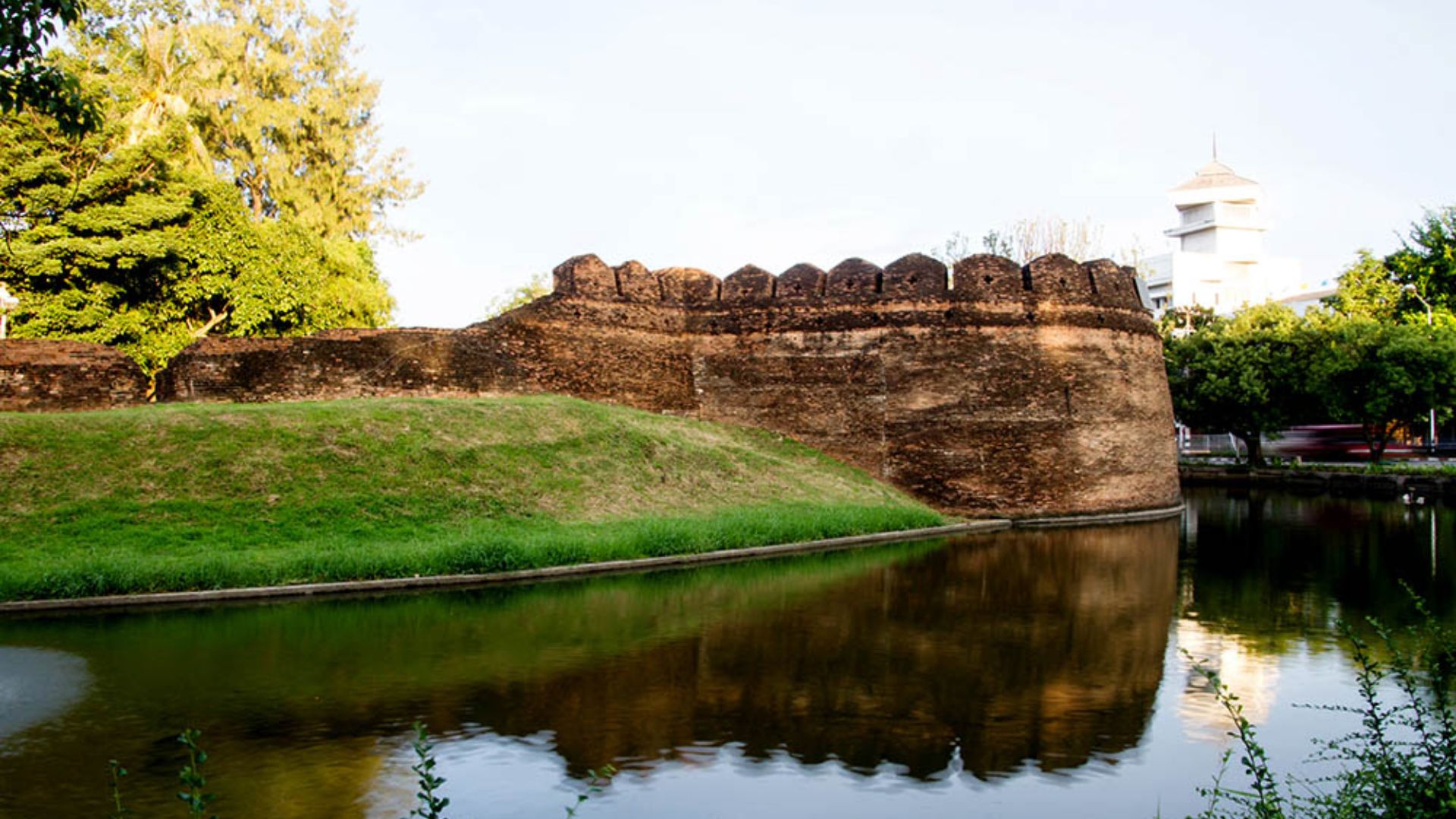
Large sections of the original brick walls and corner bastions still stand today. The moat reflects the walls at sunrise and makes for good photos without much effort. Tha Phae Gate is the most photographed section and a useful landmark for getting your bearings.
4. Stroll Past Boutique Hotels in the Old Town

The old town has a growing number of small stays inside restored buildings. Even if you are not staying in one, walking past gives a feel for the local architecture. Some have open courtyards and gardens you can peek into from the street.
5. Stop at Small Local Coffee Shops for Chiang Mai Coffee

Northern Thailand grows its own coffee, and Chiang Mai has dozens of small shops serving it well. Look for spots away from the main roads for better quality and lower prices. A cup of black northern coffee costs very little and is worth trying at least once.
6. Enjoy a Traditional Thai Massage in the Old City

The old city has many massage shops with trained therapists. A one-hour traditional massage is affordable and works well after a long day of walking. Look for shops run by local training schools, which tend to offer better value.
7. Visit Small Neighbourhood Temples While Walking
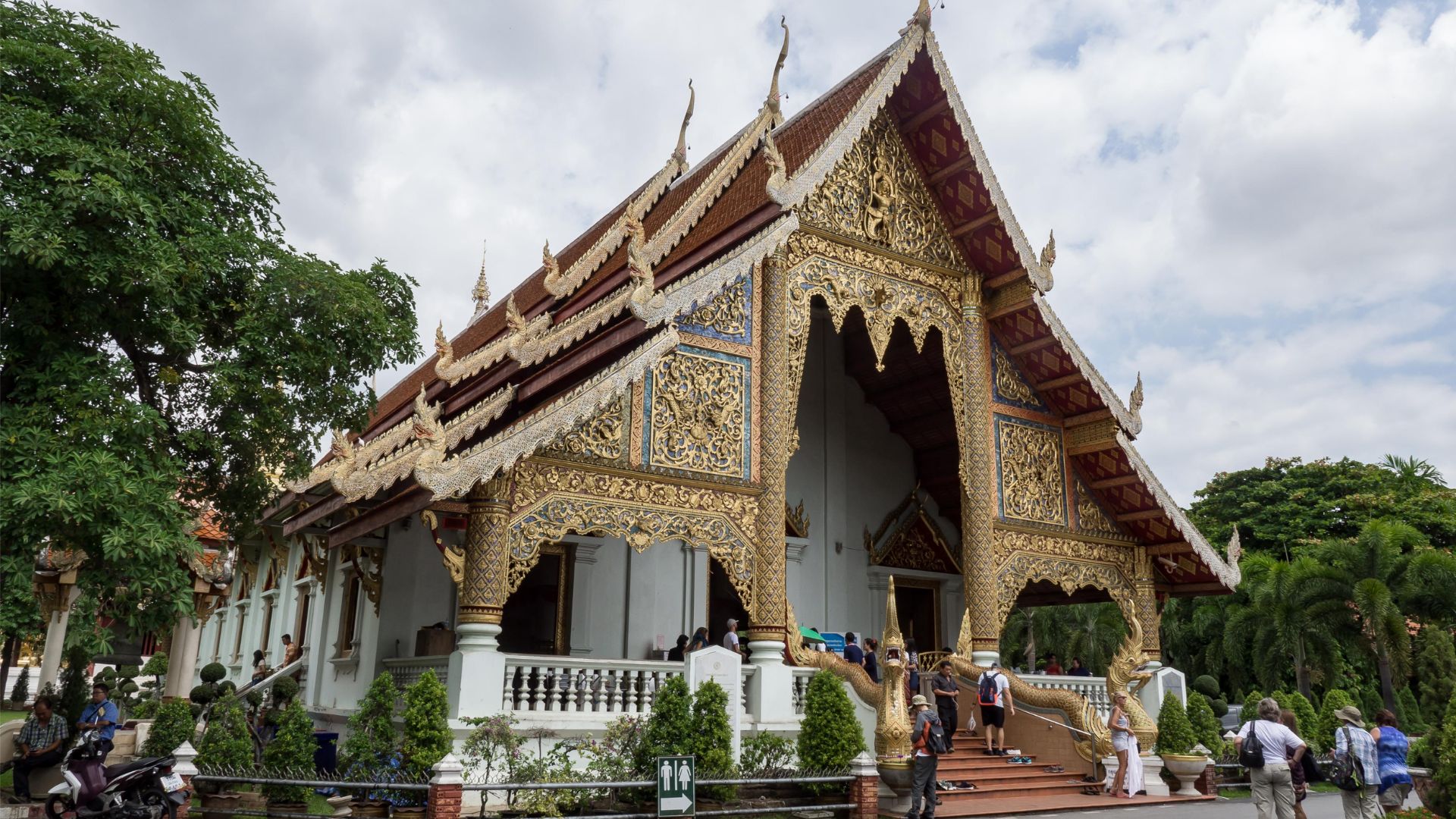
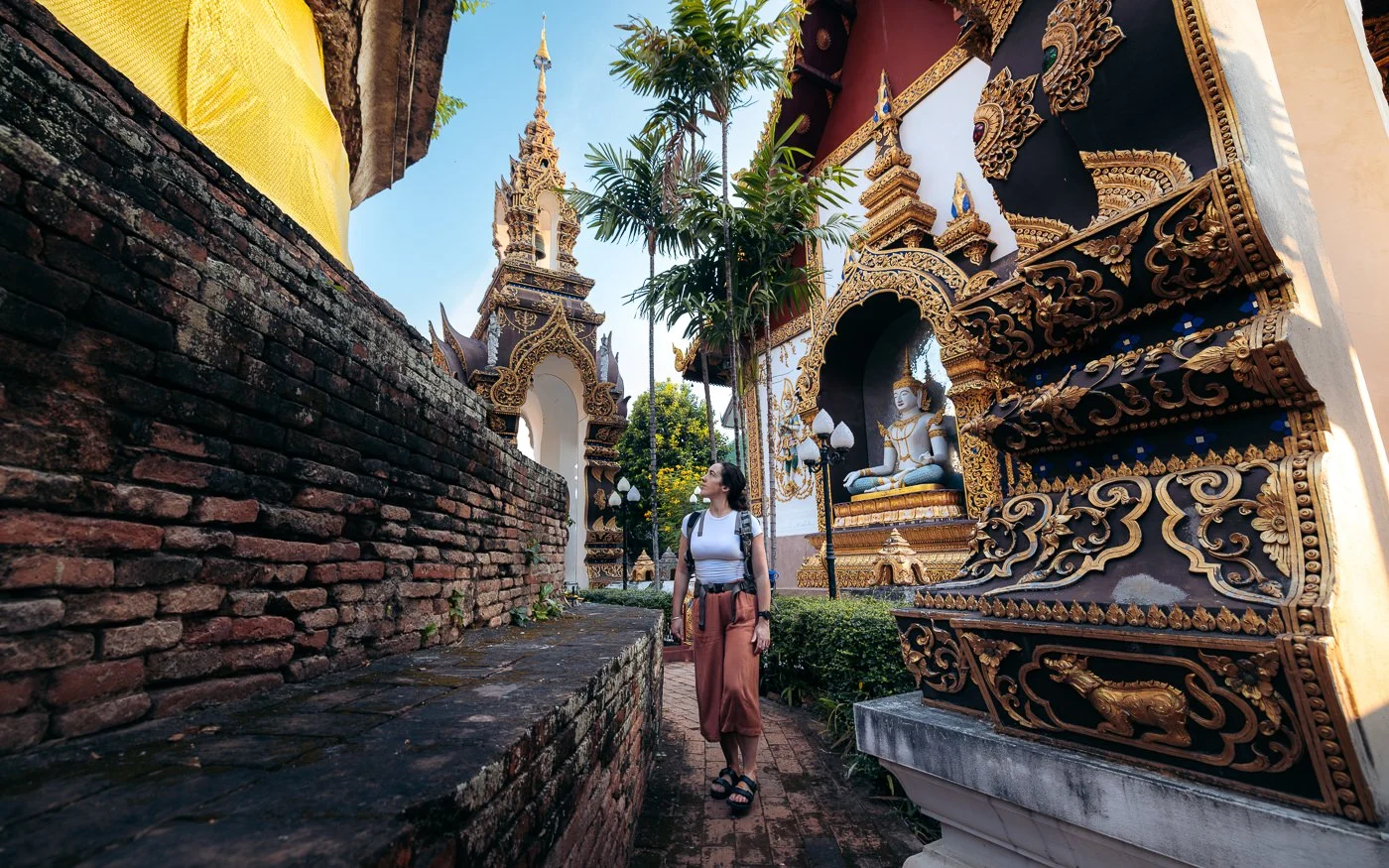
Many small temples sit on side streets throughout the old city. They are less visited than the main attractions but often just as old and far quieter. Stopping at one or two gives a more personal experience than the larger, well-known sites.
8. Relax at Street Cafés Inside the Old Town
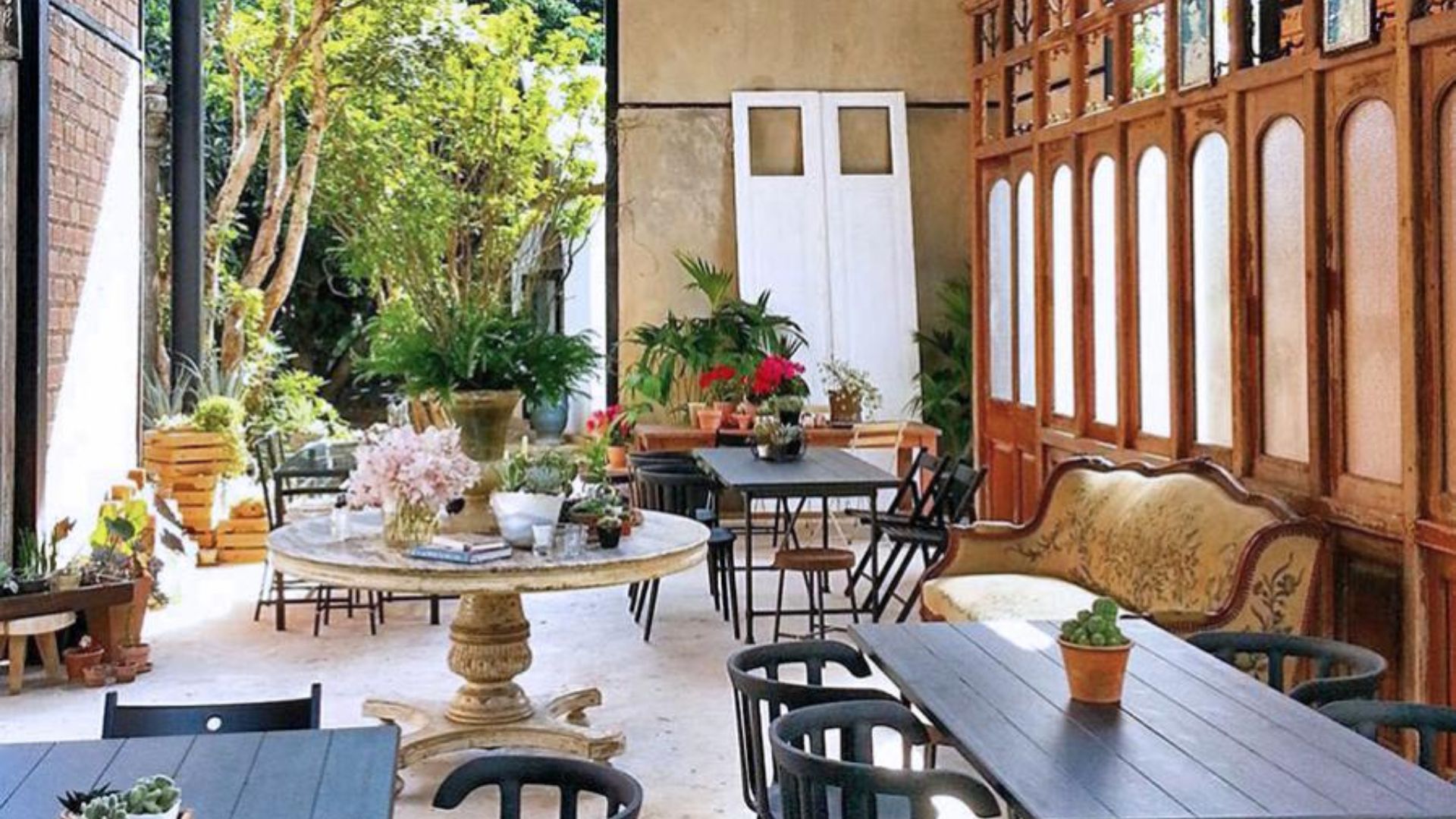
Several cafés have set up seating on lanes within the old city. They are good spots to rest, people-watch, and take a break from walking. Some stay open into the evening and serve simple food alongside drinks.
9. Walk Outside the Old City Walls
Stepping outside the moat puts you in a different atmosphere. Streets become slightly wider, traffic picks up, and you find more local shops, repair stalls, and smaller markets. It gives a more honest look at everyday city life.
10. Visit the Old City Streets in the Evening
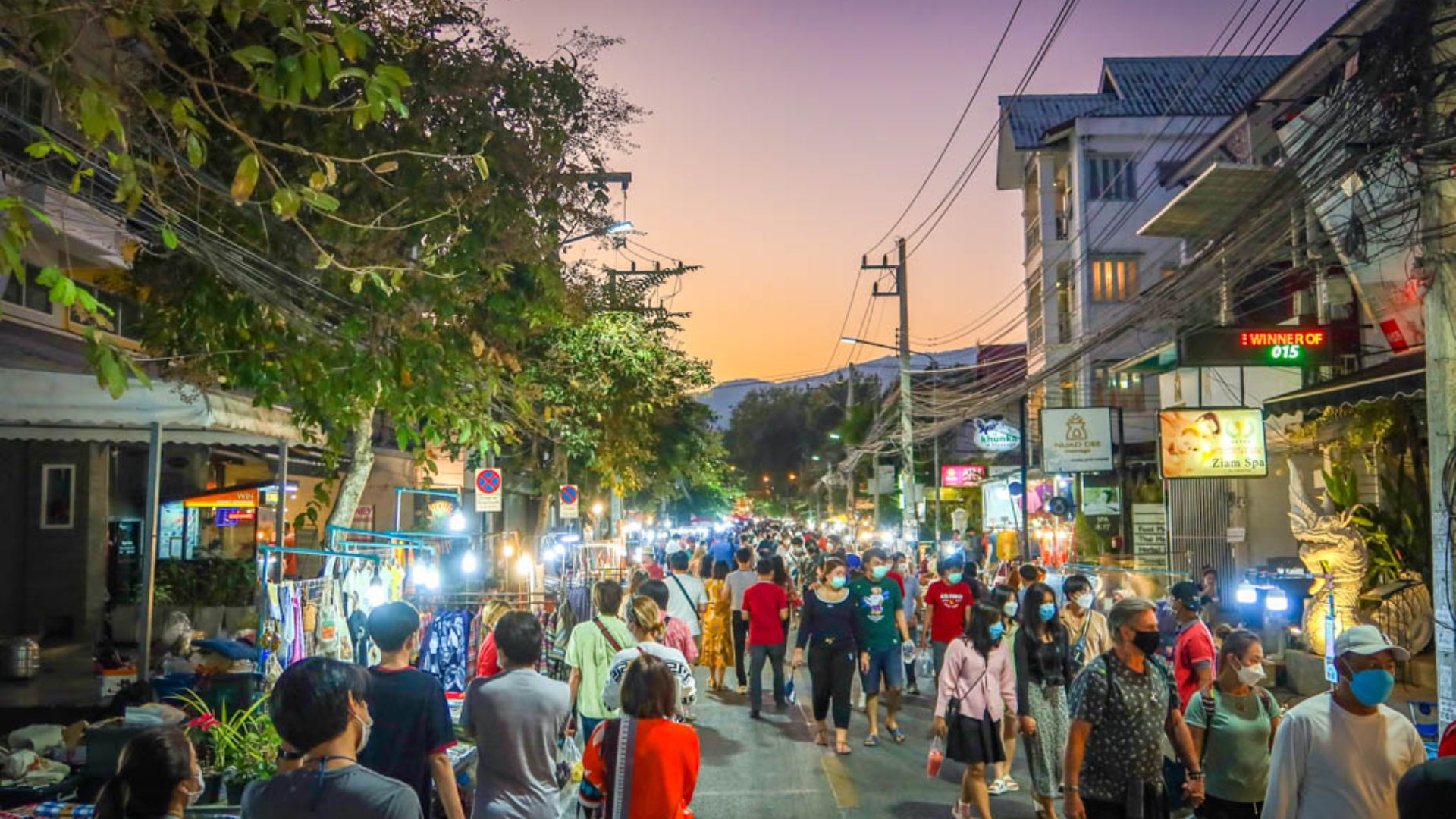
After dark, the old city takes on a different feel. Lantern light from temples, cooler air, and open-air restaurants make evening hours a favourite time for many visitors. The streets are busy but not overwhelming, and the pace slows noticeably.
11. Visit Wat Umong Suan Phutthatham
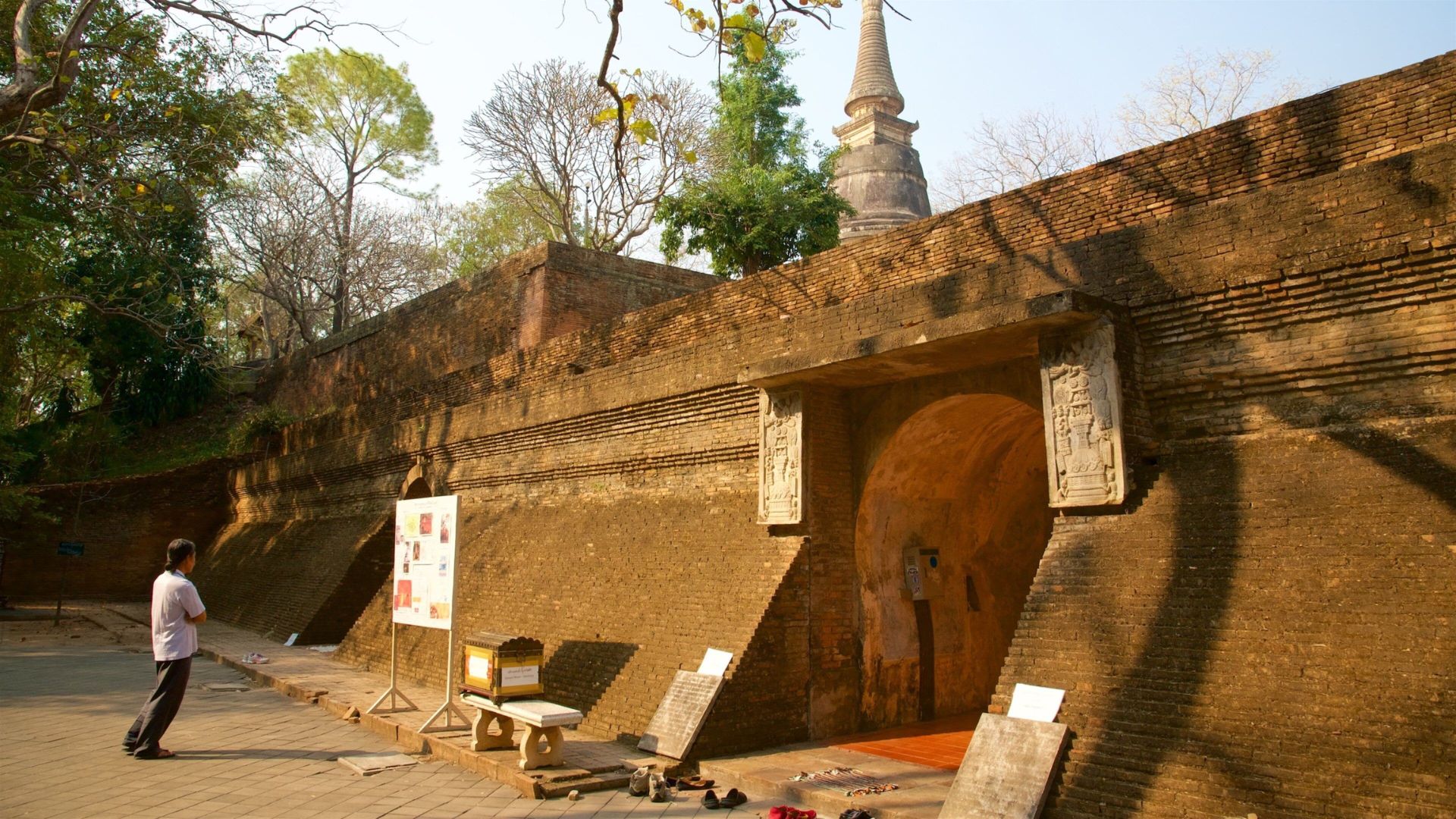
This forest temple sits on the edge of the city and feels far removed from the busy streets. The grounds are large, green, and dotted with old chedis and meditation spaces. It is one of the more peaceful places in the city to spend an hour or two.
12. Walk Through the Underground Tunnels at Wat Umong

The tunnels at Wat Umong are carved through a large hill and lined with old Buddha images. They are cool inside, low-lit, and worth a slow walk through. The atmosphere is calm and unlike anything else in the city.
13. Visit Wat Chedi Luang

This is one of the largest and most well-known temples in Chiang Mai. The ruined chedi at the centre is over 600 years old and still impressive in scale. It sits in a large courtyard and is easy to reach on foot from the old city centre.
14. See Wat Lok Molee
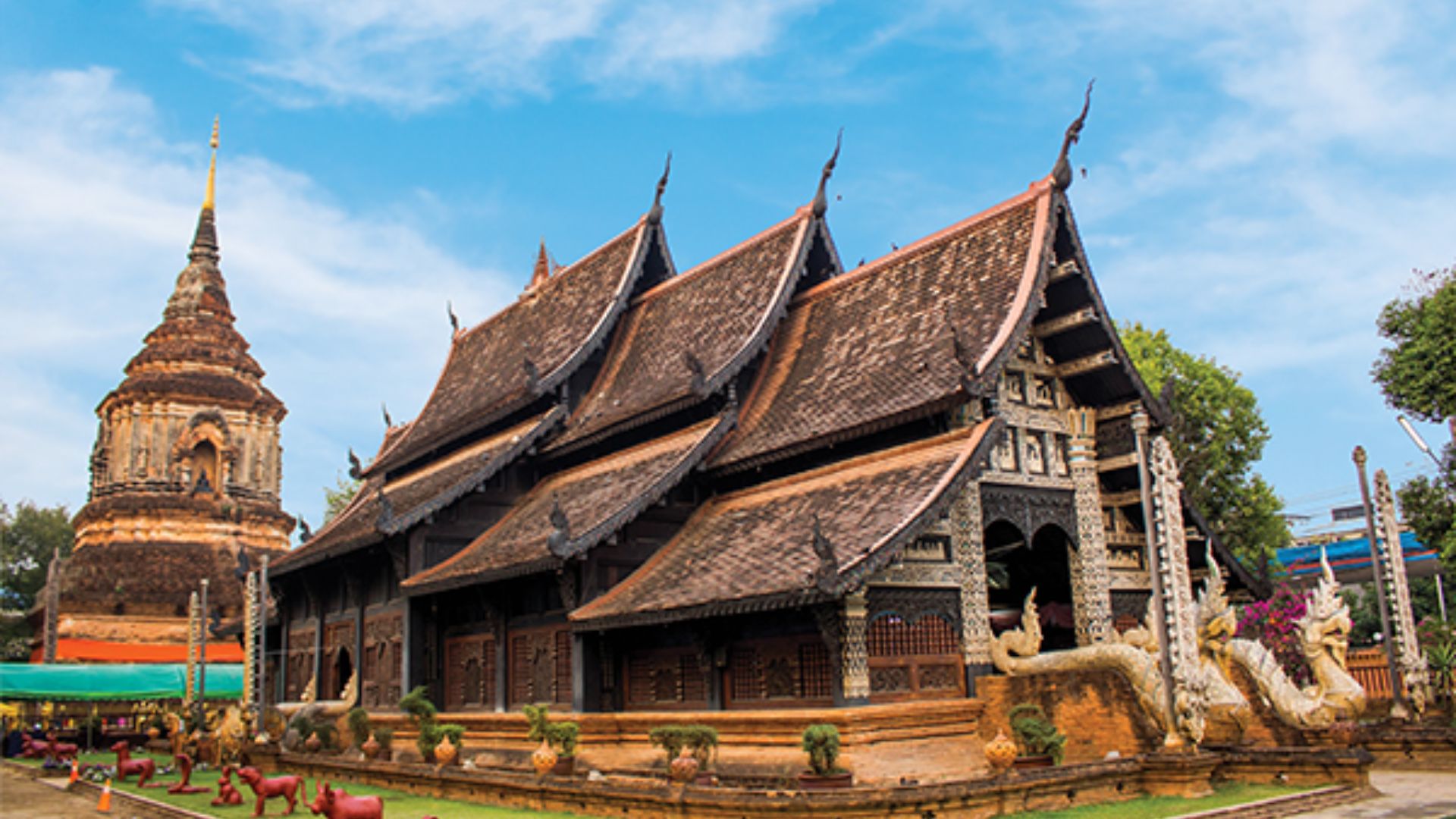
Less visited than Wat Chedi Luang but just as old, Wat Lok Molee has a well-preserved chedi and a calmer atmosphere. It is a short walk from the north gate and rarely crowded, which makes it easier to appreciate the architecture without distraction.
15. Learn Local Temple Etiquette and Customs

Dress requirements, footwear rules, and quiet zones vary slightly between temples. Taking a few minutes to understand the basics shows respect and makes the visit more comfortable. Covered shoulders and knees are expected at most religious sites.
16. Observe Daily Life Around Neighbourhood Temples
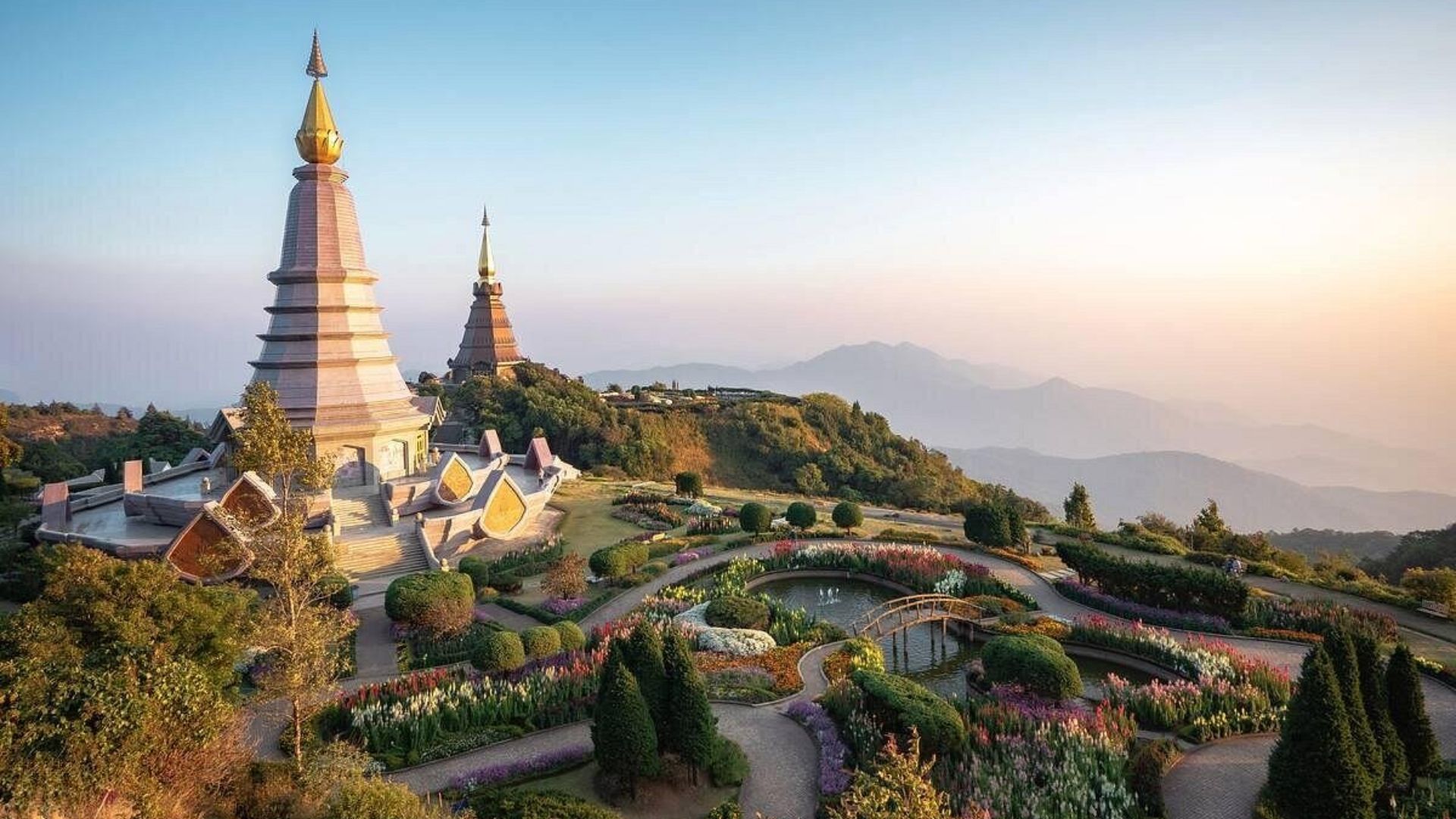
Monks collect alms in the early morning around temple grounds. Watching this quietly, without interfering, gives a clear look at daily religious practice. It is one of those moments that stays with you long after the trip is over.
17. Compare Old and Newly Restored Temples

Some temples in Chiang Mai have been recently restored while others remain in their aged, original state. Visiting both gives a broader sense of how the city handles preservation. The contrast between worn brick and fresh gold paint tells its own story.
18. Visit Huay Tueng Tao Lake
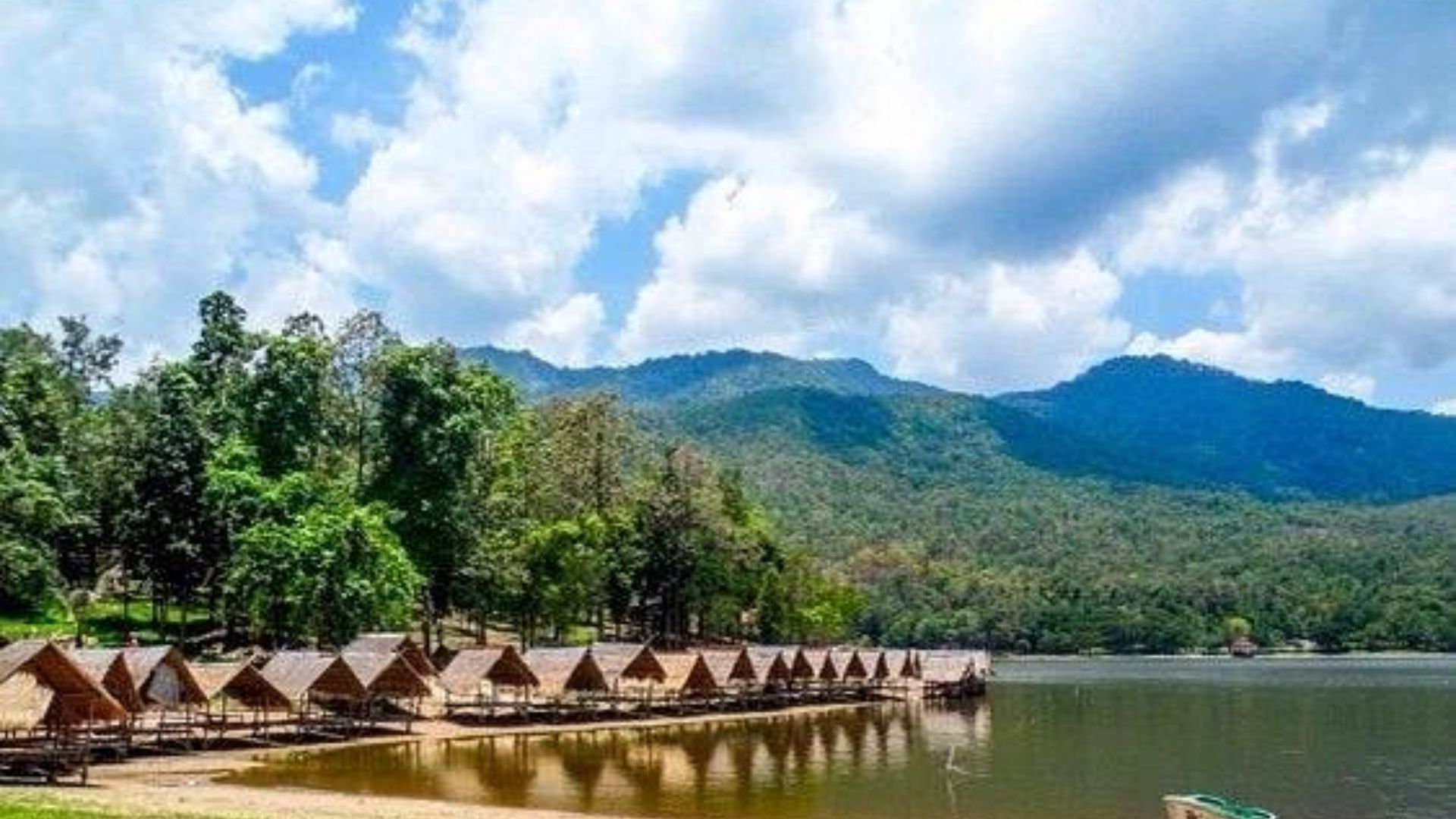
The reservoir sits about 20 minutes from the old city and draws mostly local visitors on weekends. You can rent a bamboo hut by the water, order food from a nearby vendor, and spend a few hours doing very little. It is an easy, low-cost half-day trip.
19. Ride a Scooter Around the Lake Loop
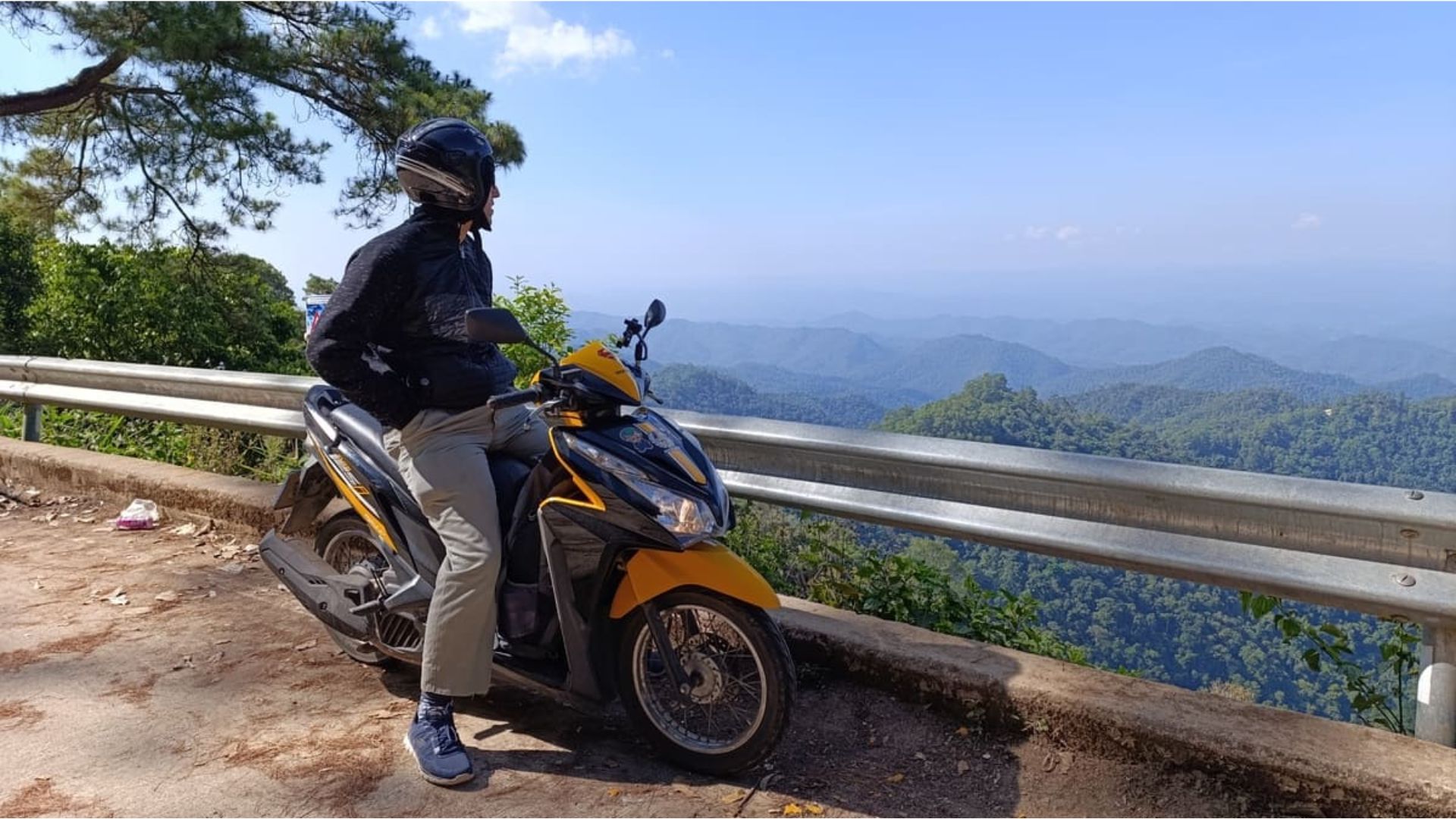
A short road circles the lake and is easy to cover by scooter. The views change as you go around, and you can stop at a few spots along the way for photos or a quick snack. The full loop takes under 30 minutes at a relaxed pace.
20. Relax in Lakeside Huts and Dining Areas
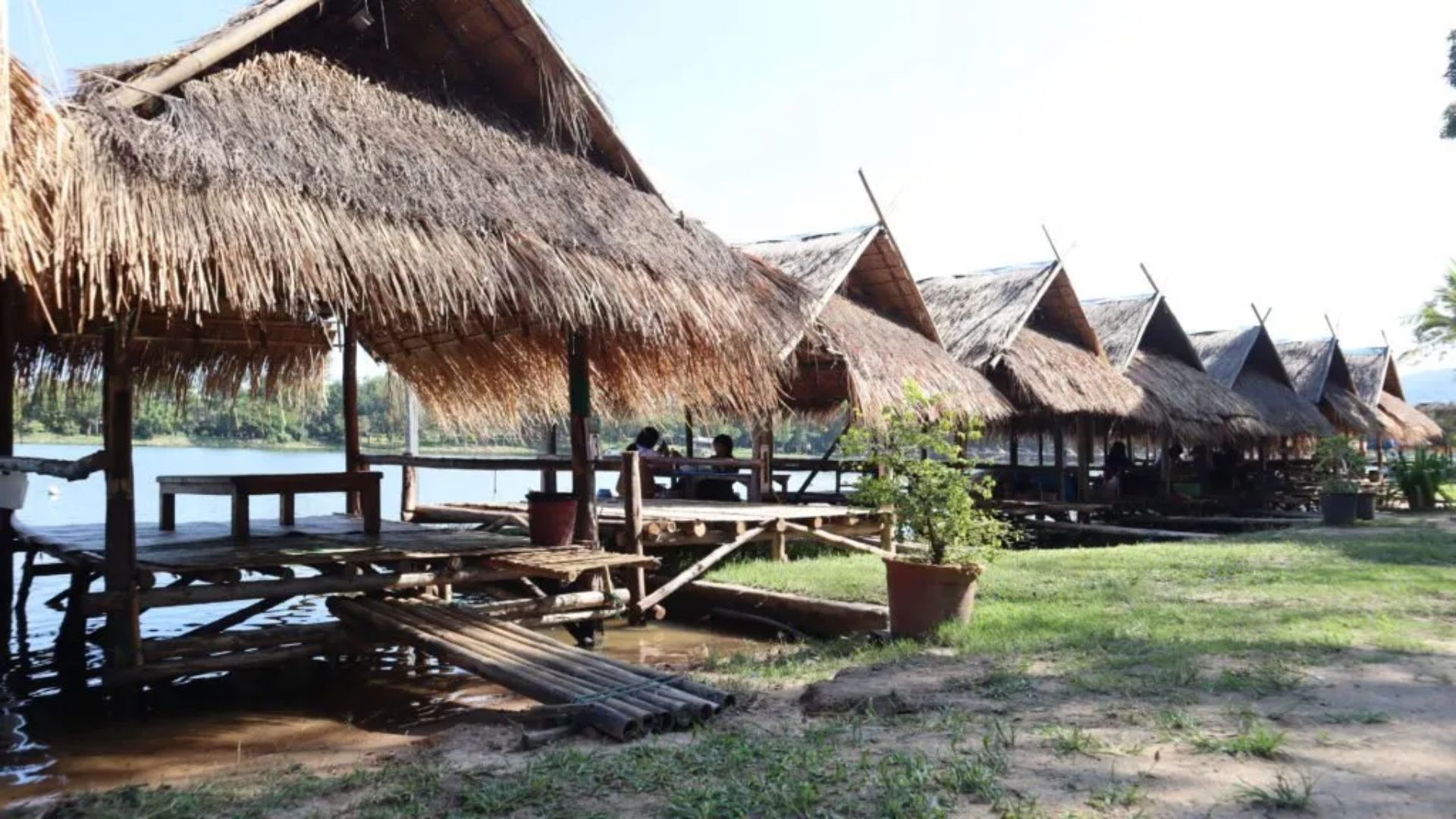
Most huts at the lake come with a low table, cushions, and a simple menu. You order food and drinks from a nearby vendor and eat with your feet over the water. It is the kind of afternoon that feels very Thai in the best possible way.
21. Photograph Rice Fields Near the Lake
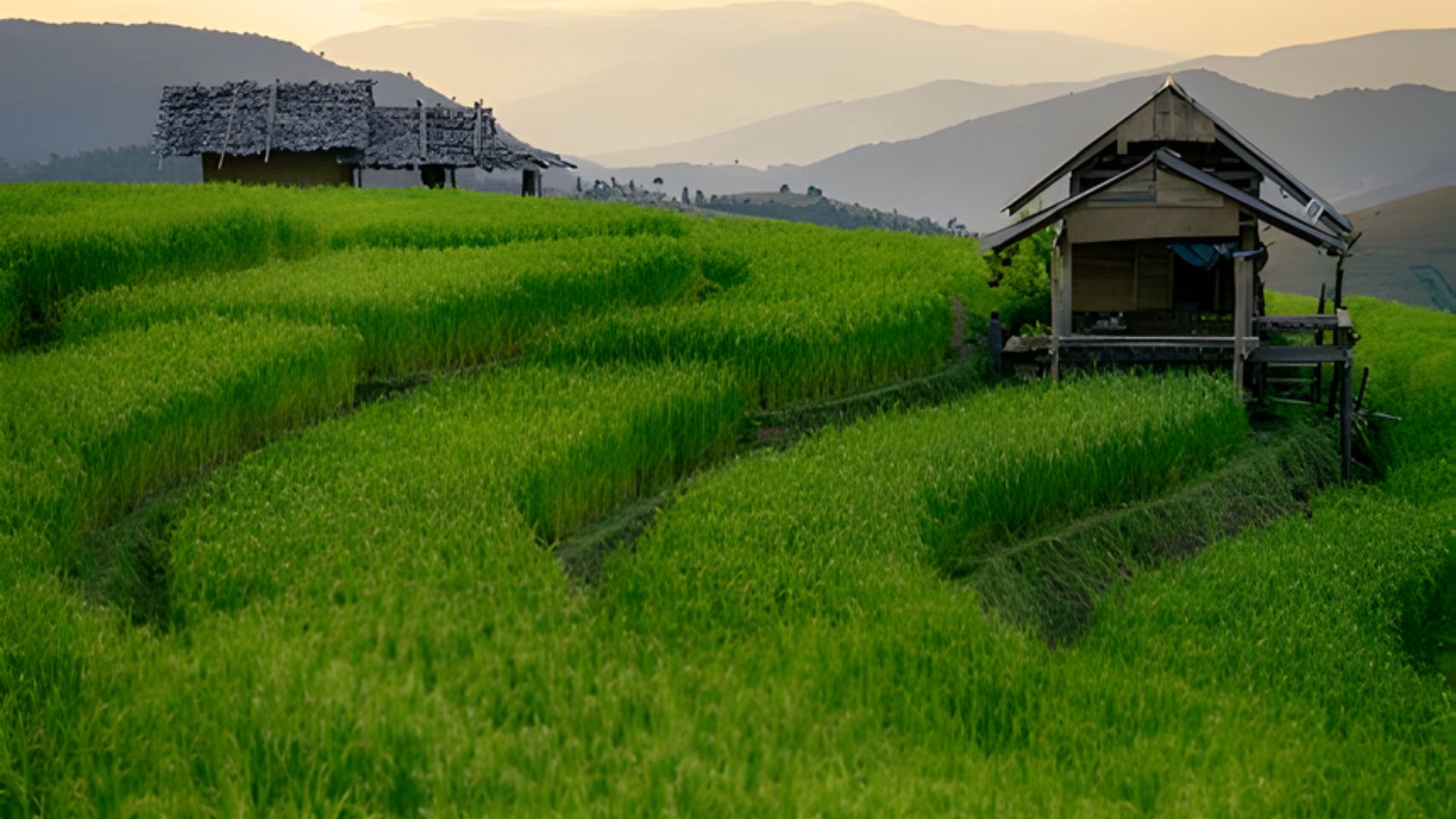
On the approach road to the lake, patches of rice fields offer good photography opportunities. The wet season between July and October is when the fields are at their greenest and most photogenic. Even a quick stop on the roadside is worth it.
22. See the Large Animal Statues Near the Lake
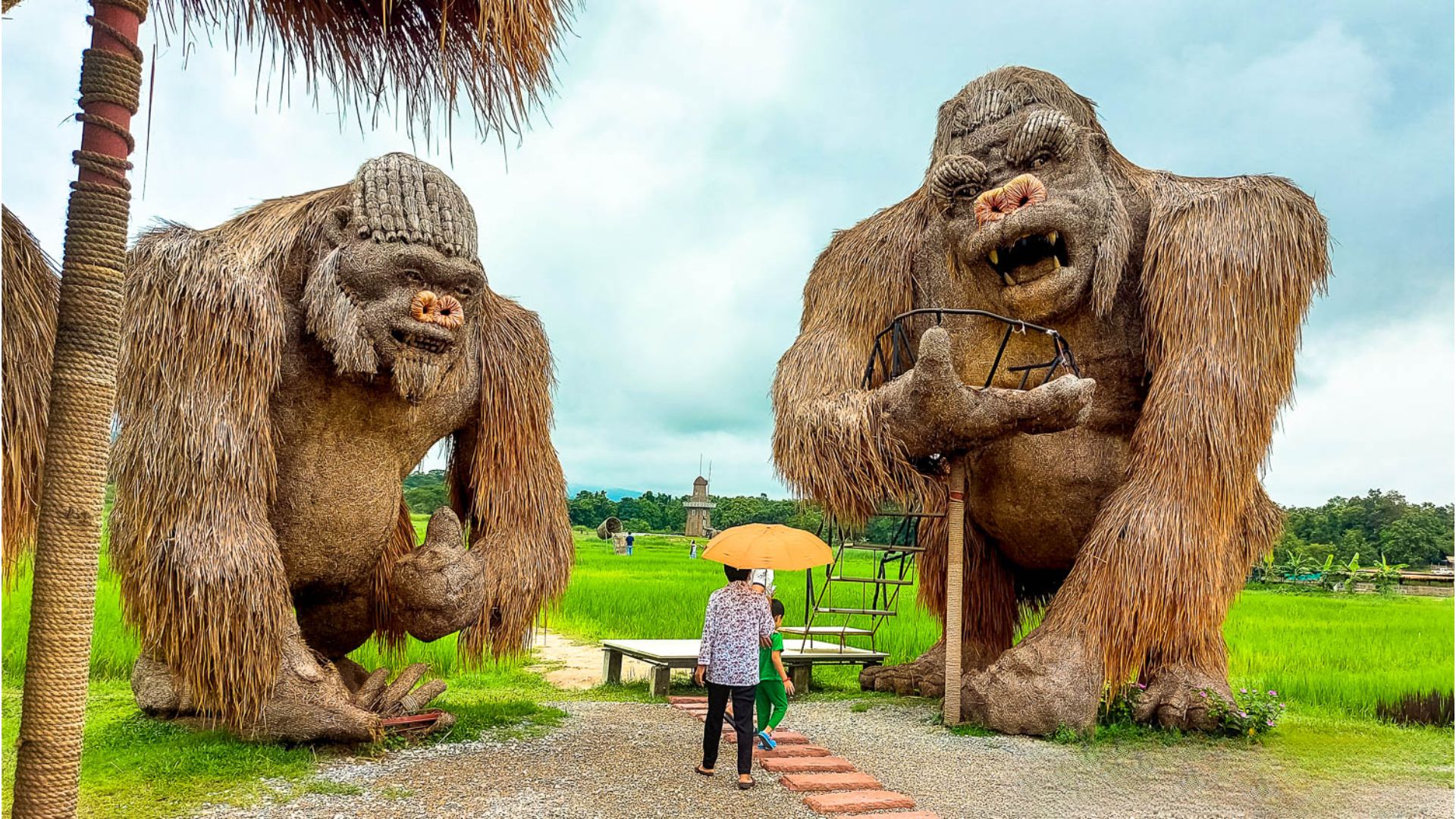
A cluster of oversized animal sculptures sits near the lake entrance. They are unusual, photogenic, and easy to miss if you drive straight through. They make a memorable stop on the way in or out, especially for children.
23. Take a Scenic Drive on Route 1004
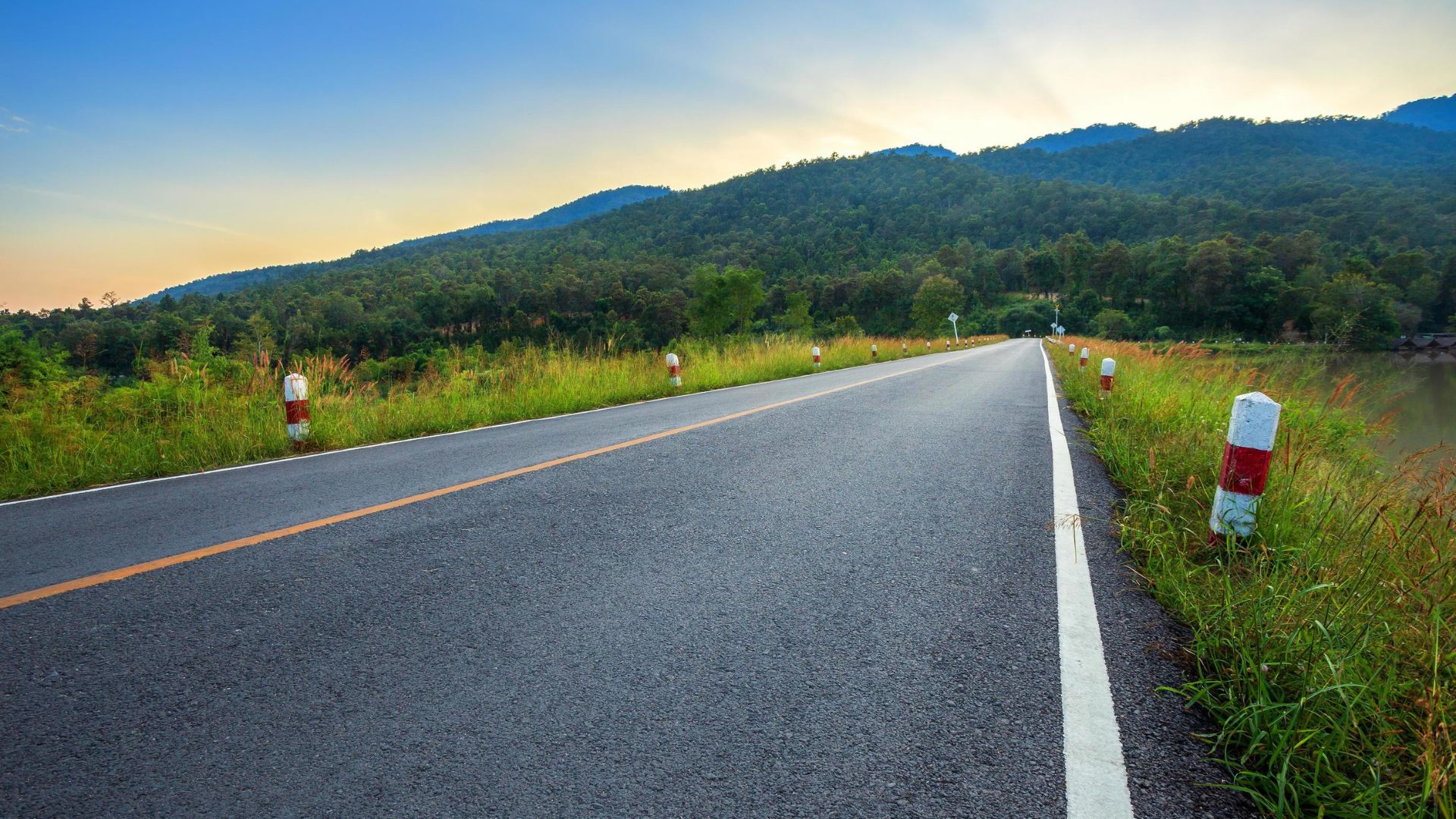
Route 1004 climbs into the hills west of the city and passes through forest, small villages, and open viewpoints. It is a good road for a half-day scooter or car trip. The road is manageable for most riders and rewards those who take it slowly.
24. Drive Through the Doi Buak Ha Mountain Area
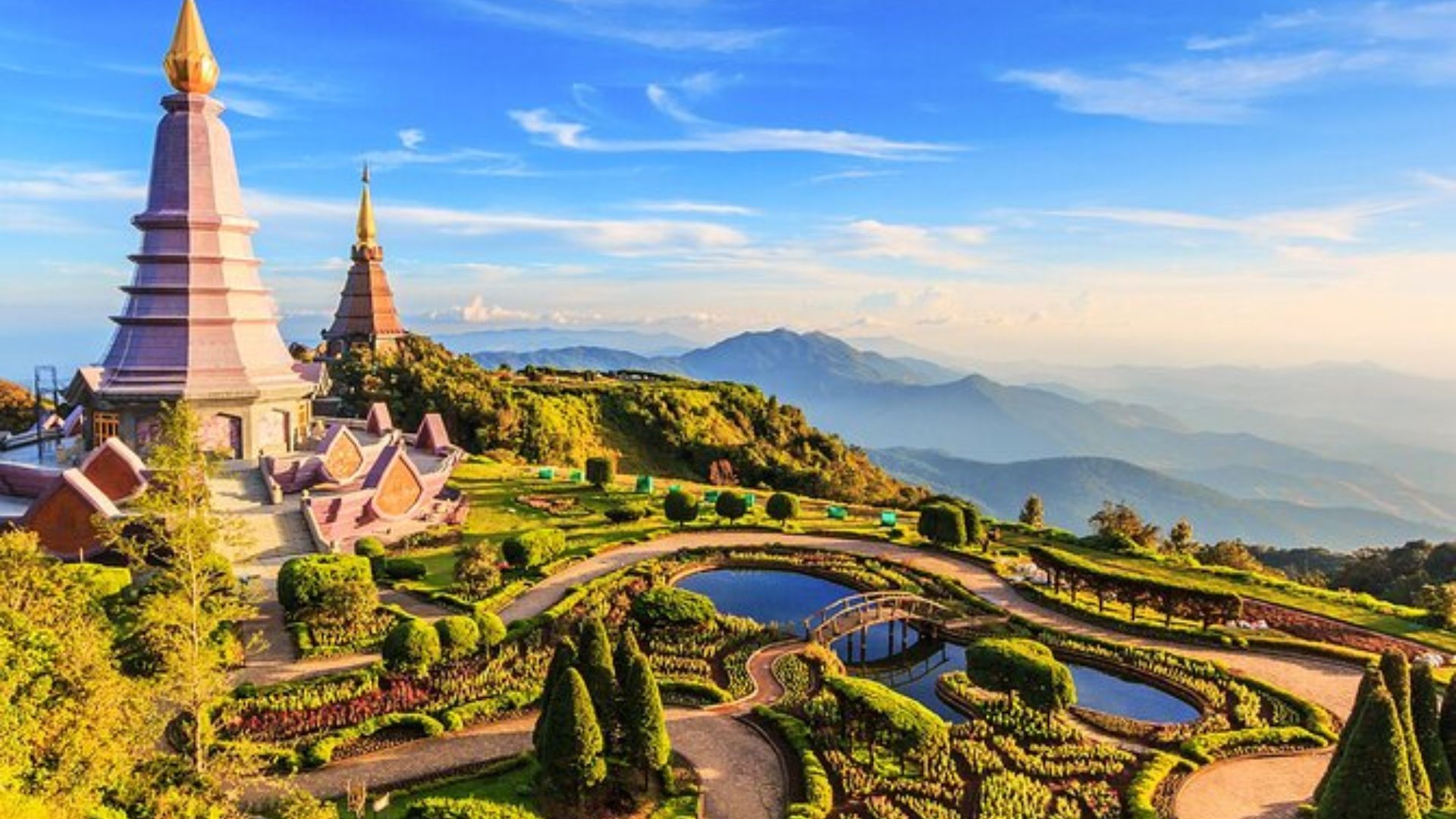
This area sits in the mountains near Doi Suthep and has a quieter, more local feel than the main tourist road. The green slopes and cooler air make it worth the detour, and you are unlikely to share the road with many other visitors.
25. Visit Bhubing Palace
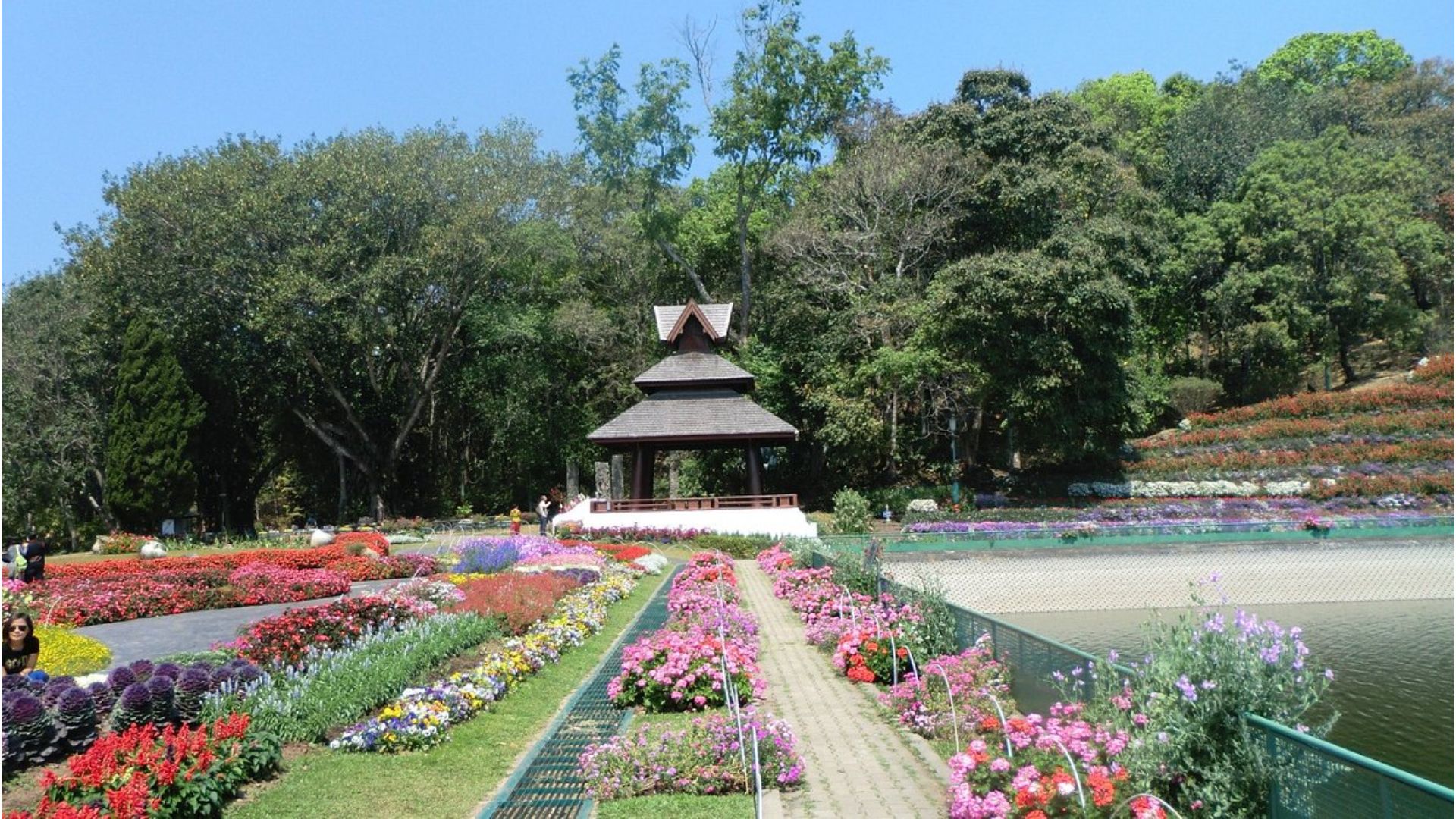
This royal residence sits above Doi Suthep and opens to the public during certain months of the year. The gardens are well maintained and the surrounding hill views are very good. It is a calm stop that pairs well with a visit to the nearby temple.
26. Visit Wat Phra That Doi Suthep
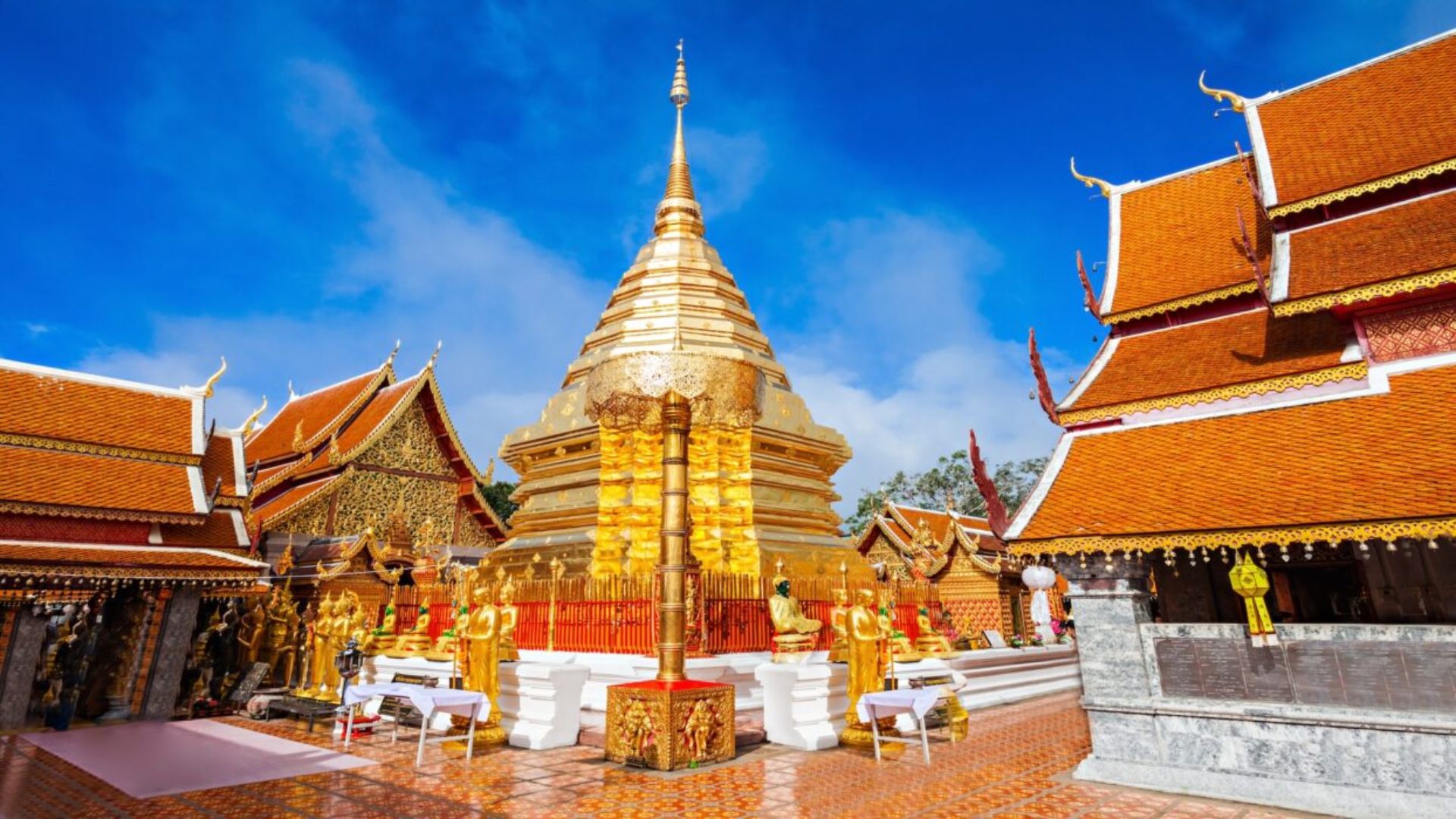
This mountaintop temple is among the most visited sites in northern Thailand. The views from the terrace over Chiang Mai and the surrounding plain are wide and clear on a good day. It is a significant religious site as well as a popular viewpoint.
27. Walk Up the Ceremonial Staircase to Doi Suthep
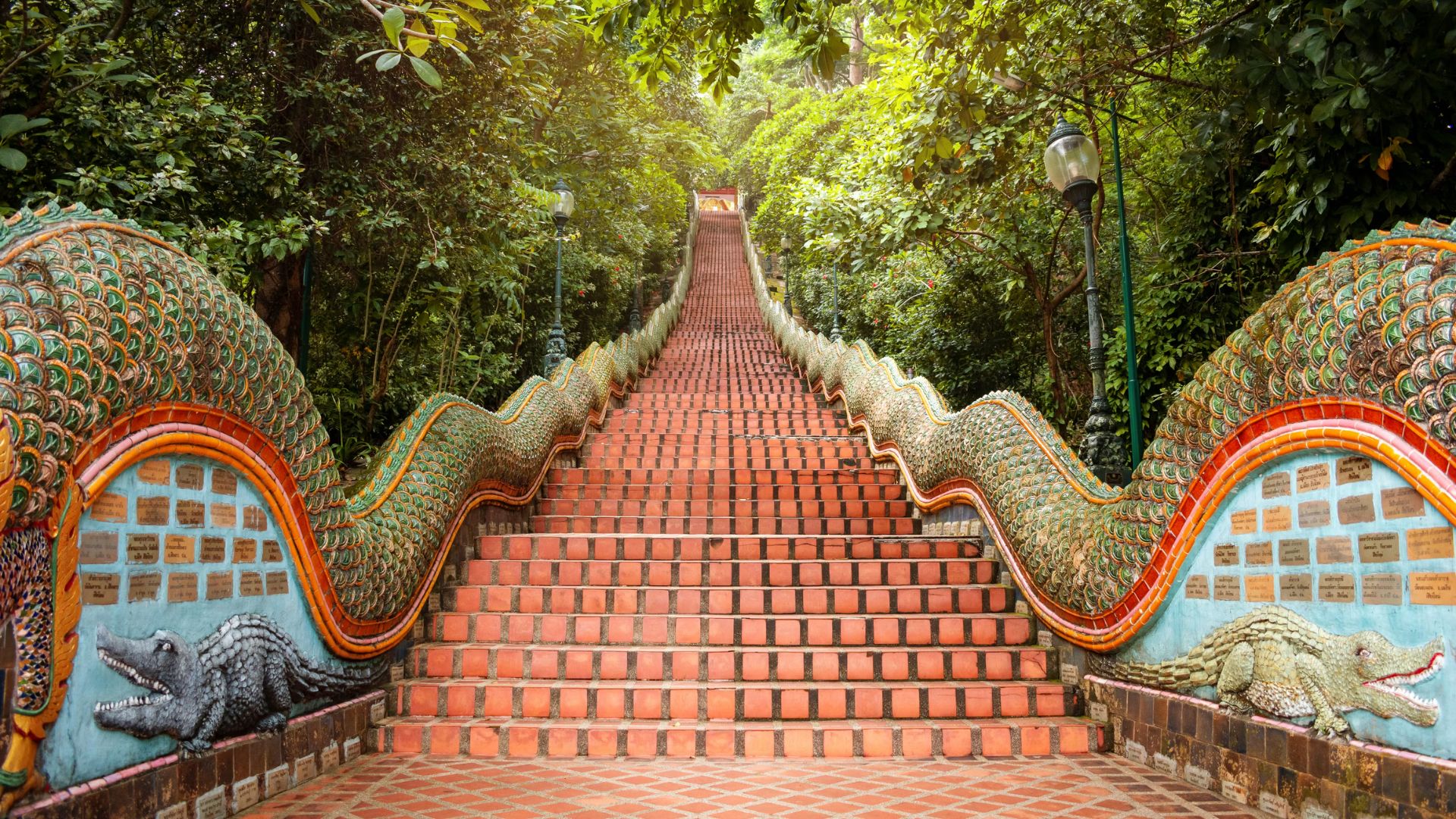
A long naga staircase leads from the base of the hill to the temple entrance. It is a steady climb but manageable, and the effort adds to the sense of arrival at the top. Many visitors take the funicular instead, which is also available.
28. Enjoy Panoramic Views Over the City from the Mountain
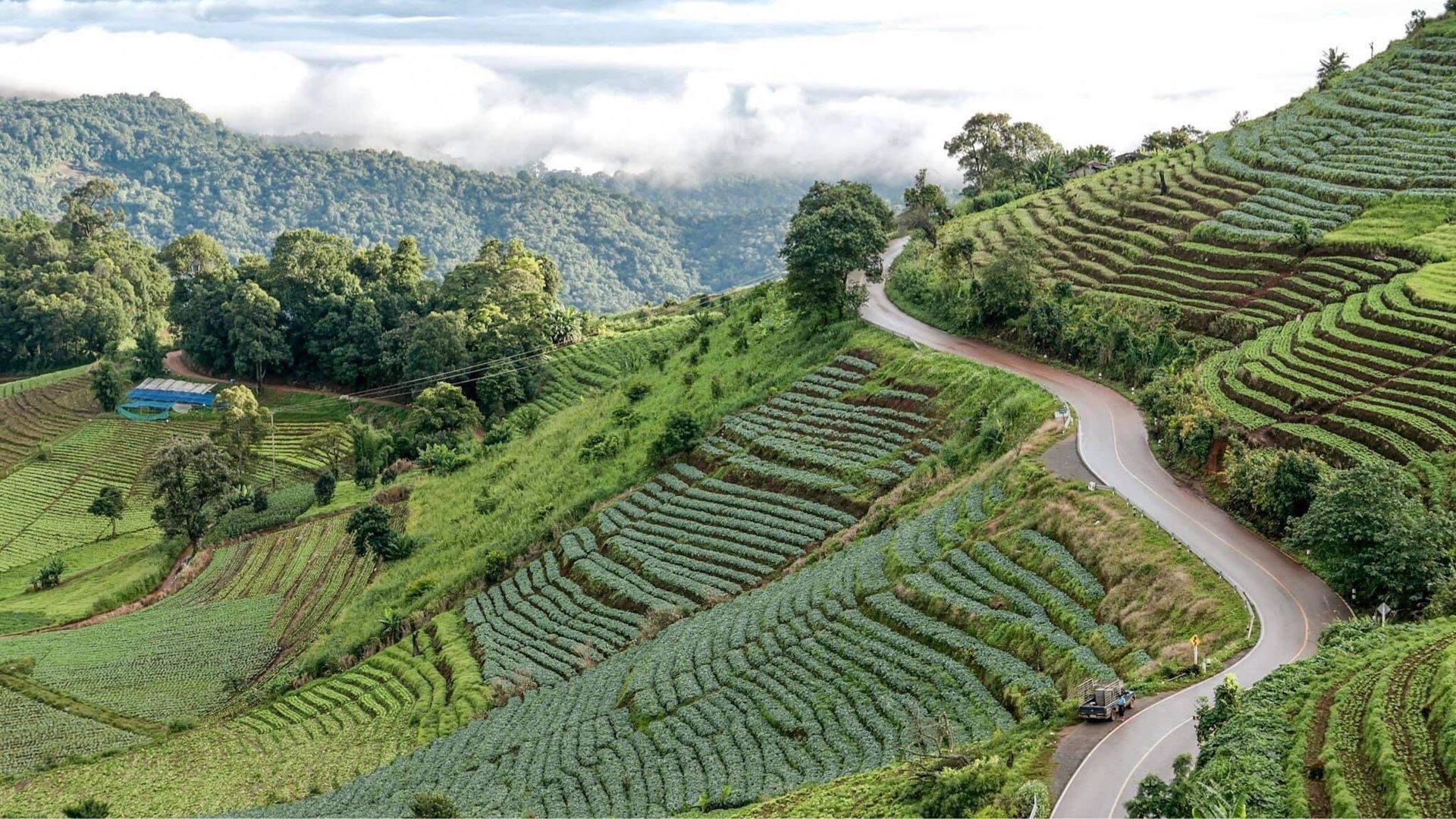
Several viewpoints along the mountain road offer wide views over Chiang Mai below. Late afternoon, when the light is softer and the air clears slightly, tends to give the best visibility. It is a short drive from the temple and easy to add on.
29. Stop at Roadside Viewpoints in the Hills
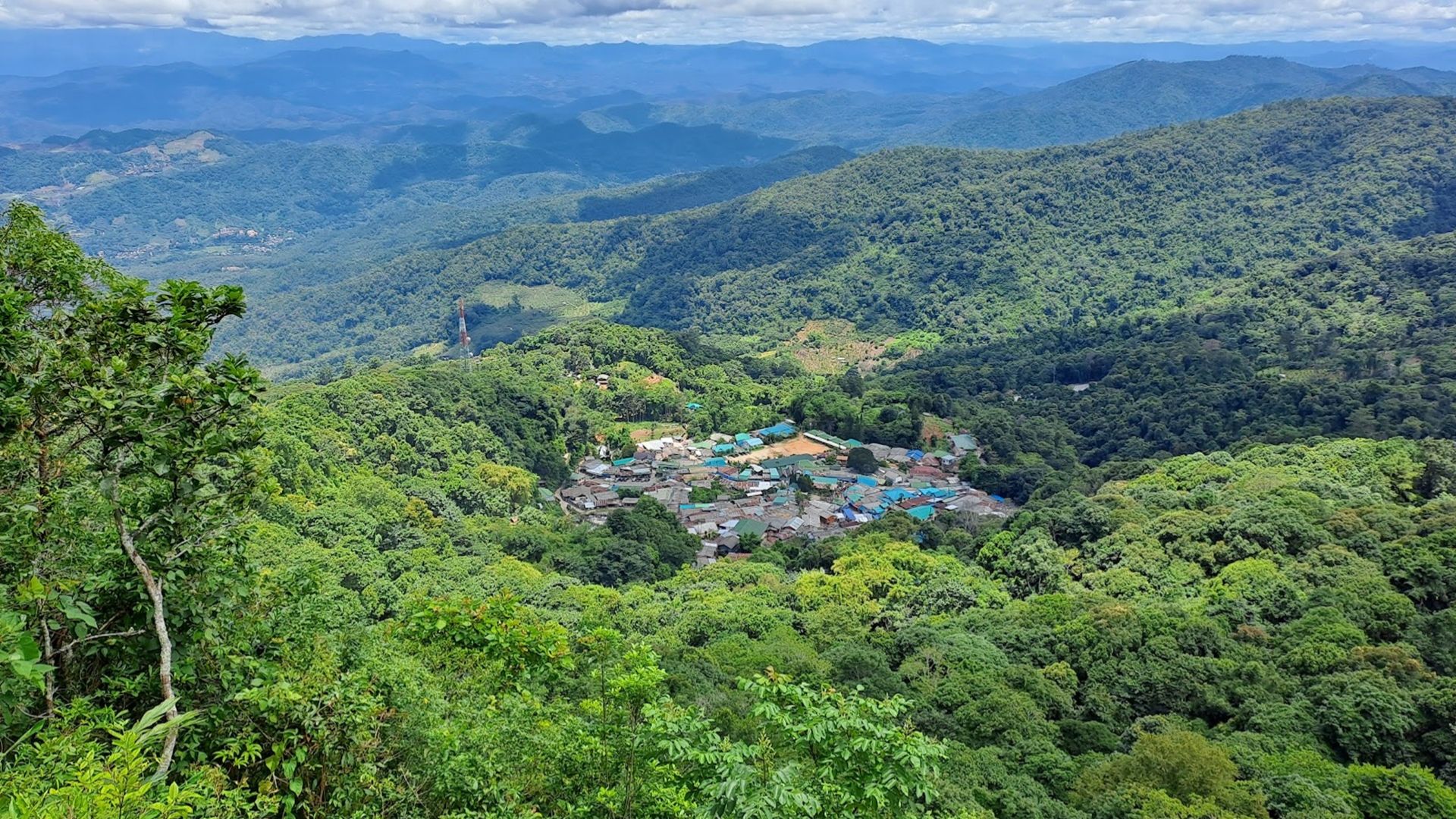
The mountain roads have informal pull-offs where you can stop and look out over the valley. These spots are easy to miss if you drive quickly, but rewarding when you find them. A few are marked, but the best ones are found by slowing down and looking.
30. Visit Nearby Waterfalls in the Green Season
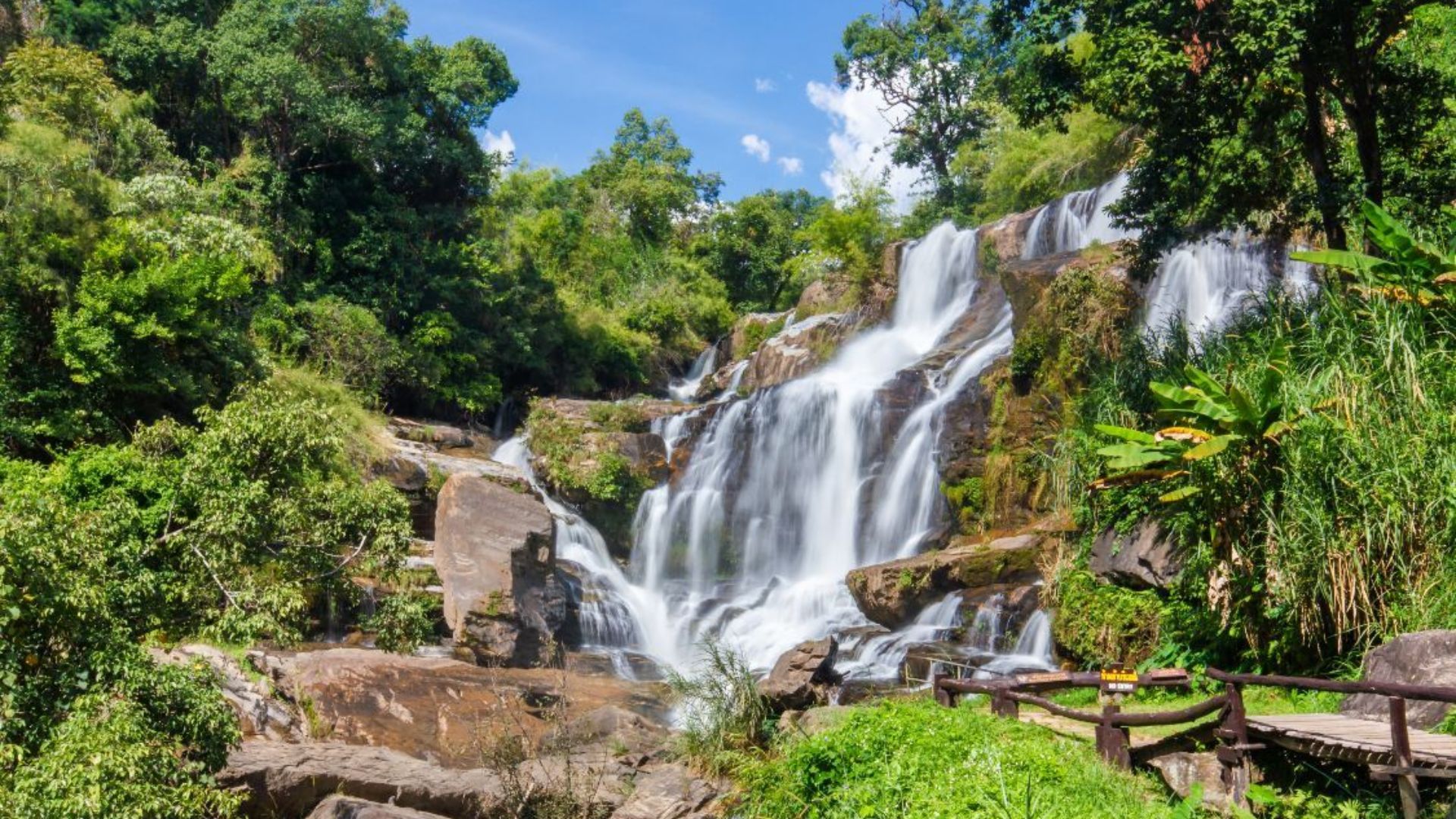
Several waterfalls sit within a short drive of Chiang Mai and flow at their best between July and October. Monthathan and Huai Keaw are two accessible options near the city. Both can be visited in a short morning trip without needing a guide.
31. Try Short and Easy Mountain Hikes
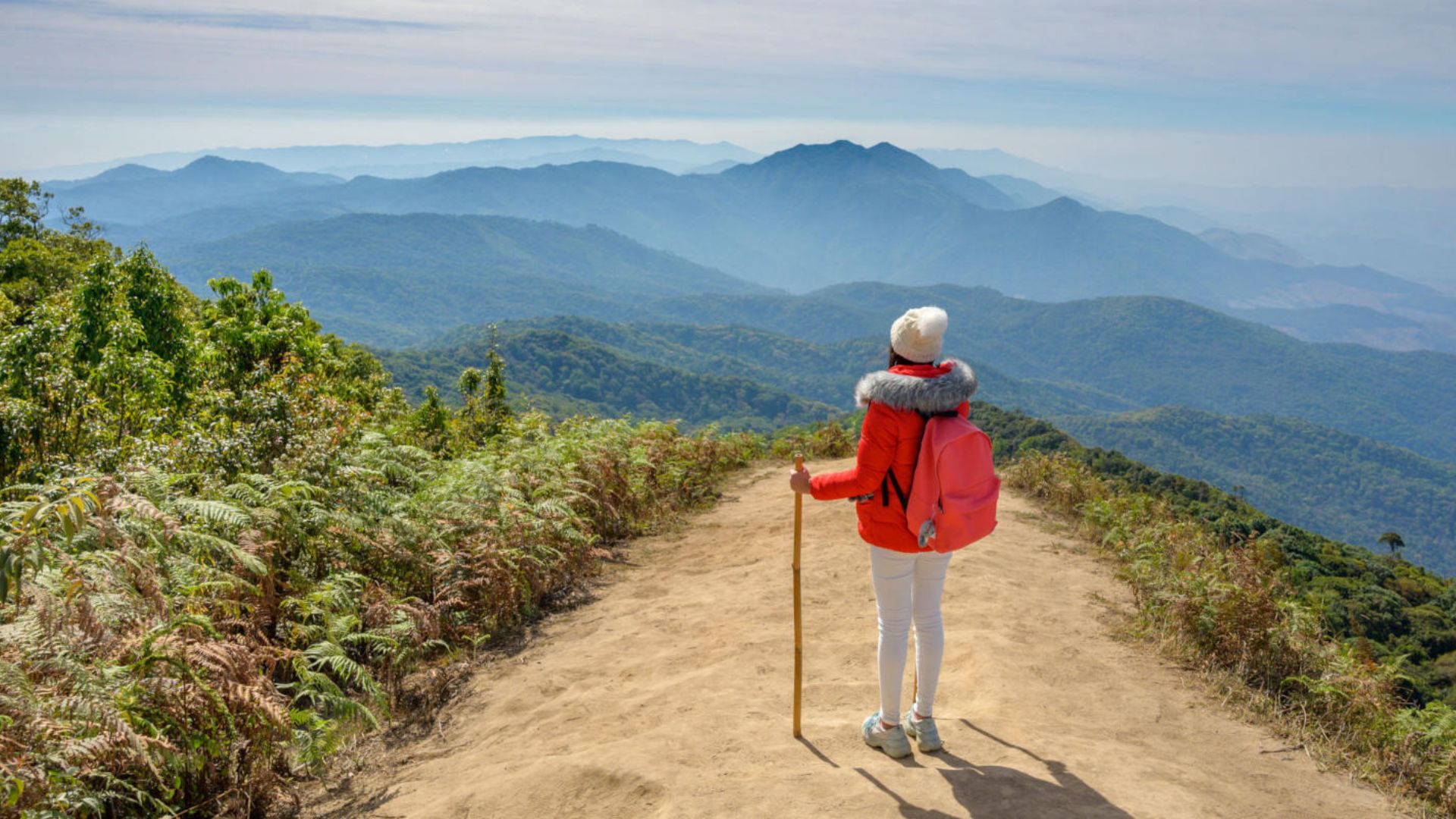
A few well-marked trails run through the national park near Doi Suthep. They suit casual walkers and pass through good forest without requiring specialist gear or physical preparation. A hat, water, and sensible shoes are all you need for most of them.
32. Browse Handmade Crafts in the Old City Streets

The old city has several streets lined with small stalls selling handmade goods. Prices are fair and quality is often better than what you find in tourist shops. Take your time browsing, and do not hesitate to ask the maker about what they produce.
33. Shop for Handwoven Cushions, Rugs and Bags

Northern Thailand has a strong weaving tradition and the markets reflect it well. Handwoven items in cotton, hemp, and silk are available at very reasonable prices. These make practical souvenirs that hold up long after you get home.
34. Buy Carved Wooden Souvenirs and Handmade Jewellery
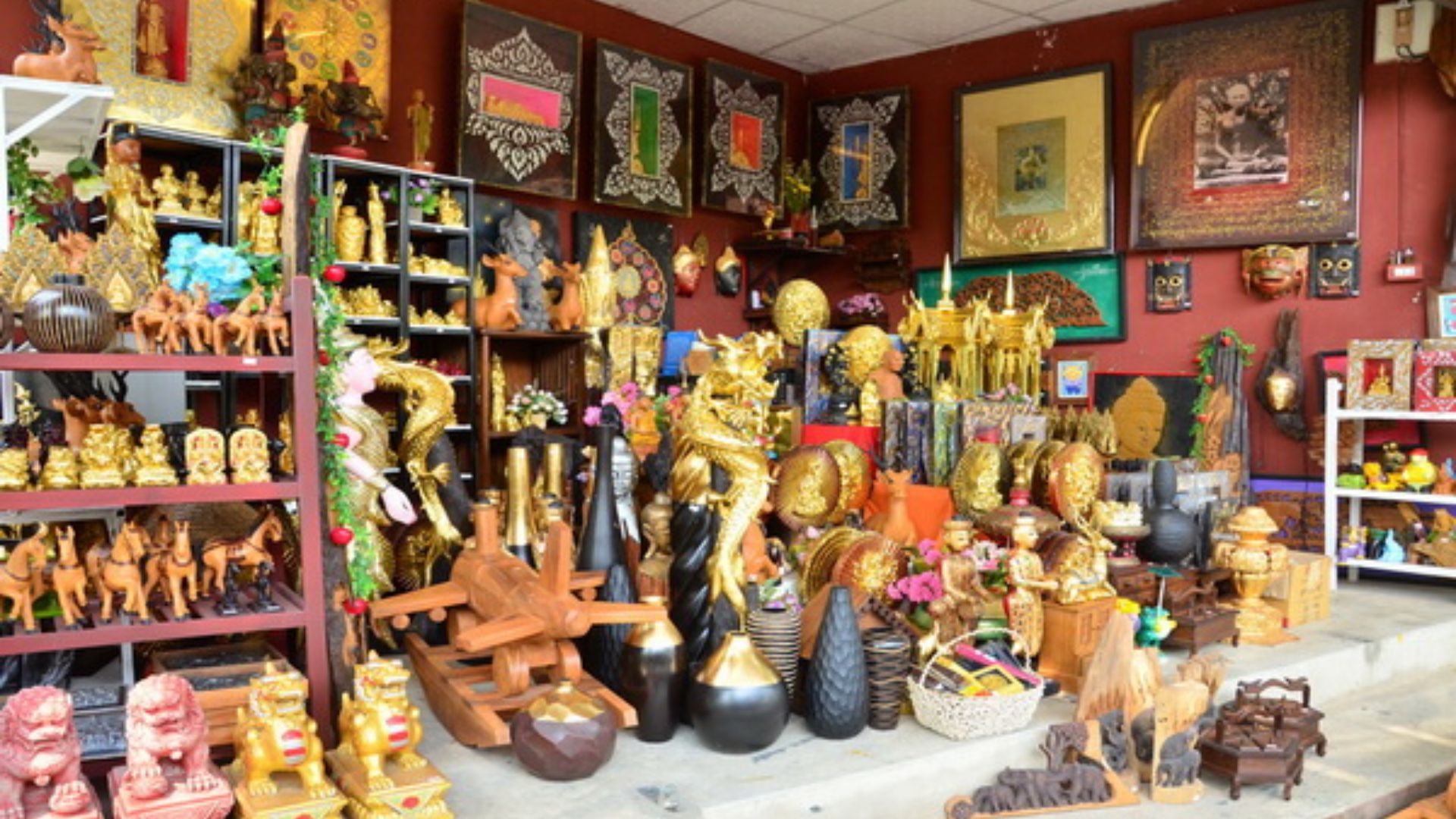
Carved teak goods, decorative woodwork, and silver jewellery are among the most popular purchases in Chiang Mai. Look for makers who work on-site, as the quality is usually better than factory-produced alternatives sold at the same price point.
35. Visit Chiang Mai Night Bazaar
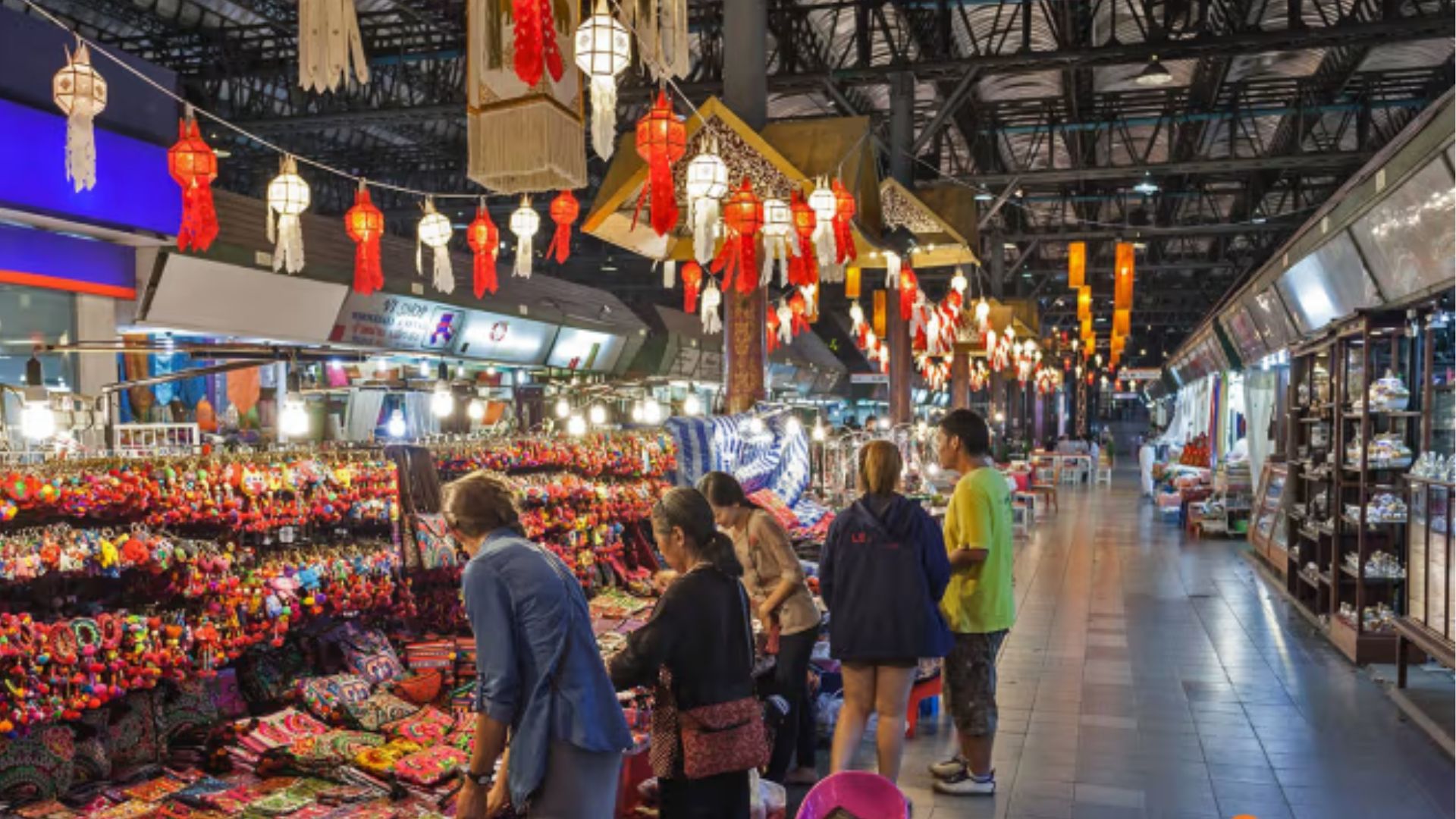
The Night Bazaar runs along a stretch of Chang Klan Road and offers a wide mix of souvenirs, clothing, and food. It is busy most evenings but easy to walk through at your own pace. Bargaining is expected and part of the experience.
36. Visit Warorot Market
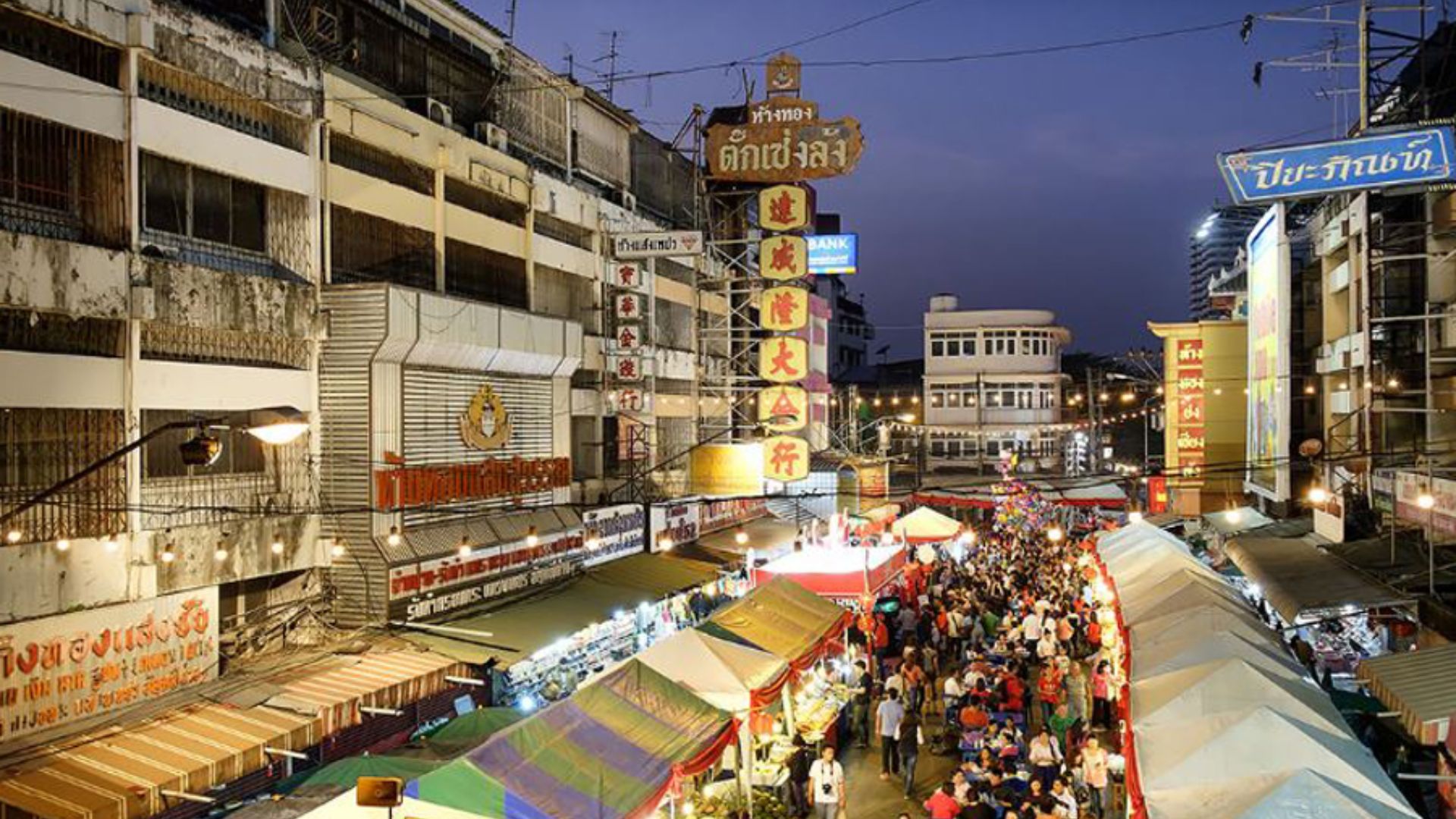
Warorot is a covered market near the river used mainly by locals. It sells everything from fresh food and spices to fabric and household goods. It is more practical than tourist-focused, which makes it a more honest look at daily life in the city.
37. Eat at Ploen Ruedee Night Bazaar

This smaller open-air market has a relaxed atmosphere with local food stalls, cold drinks, and occasional live music. It is a good choice for a low-key evening meal away from the more commercial options nearby.
38. Try Different Street Food Stalls in One Evening
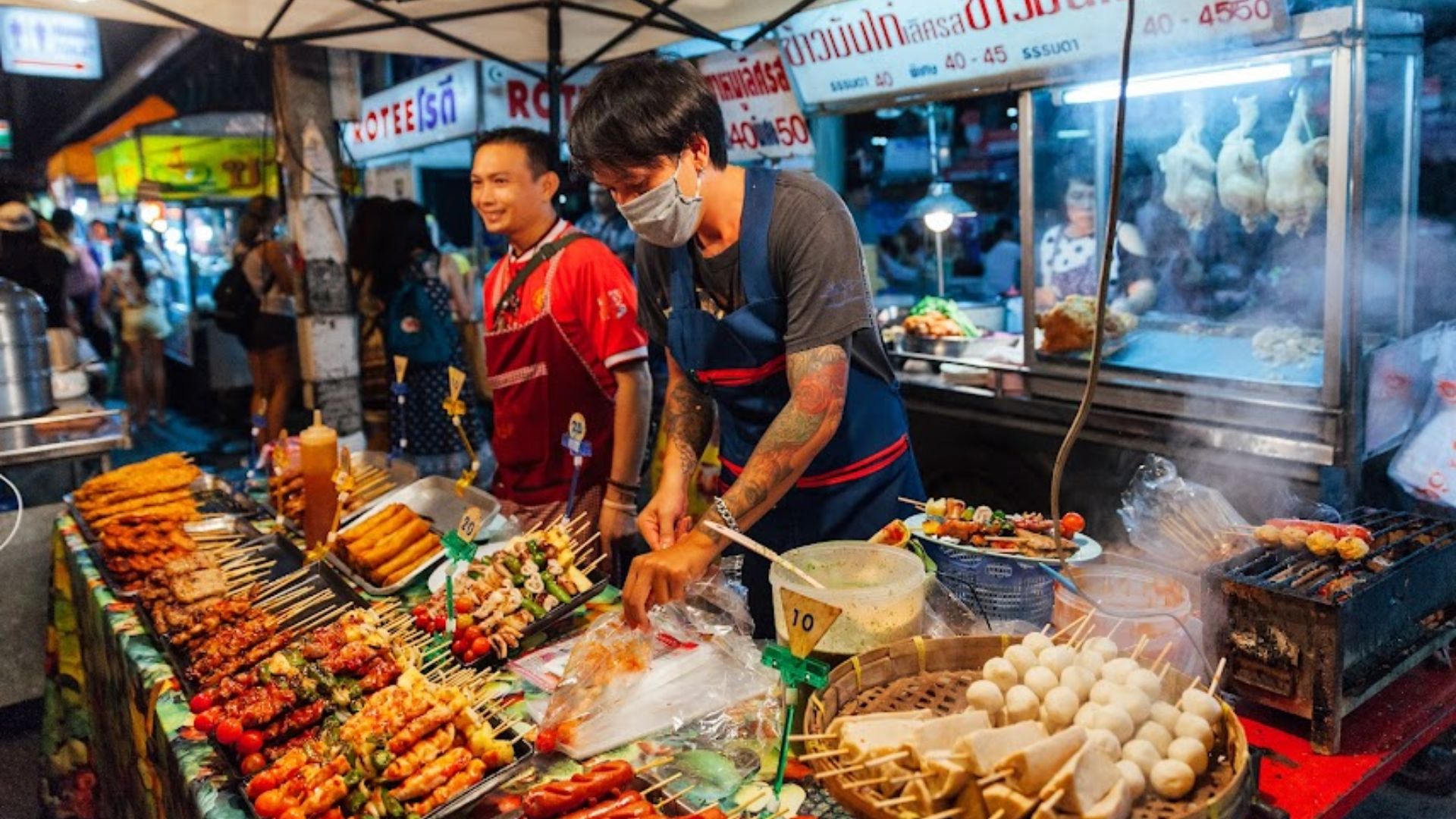
One of the best ways to eat in Chiang Mai is to graze across multiple stalls in a single outing. Khao soi, sai oua sausage, and mango sticky rice are all worth trying. Start hungry and pick stalls that have the longest local queues.
39. Compare Day Markets and Night Markets in the City
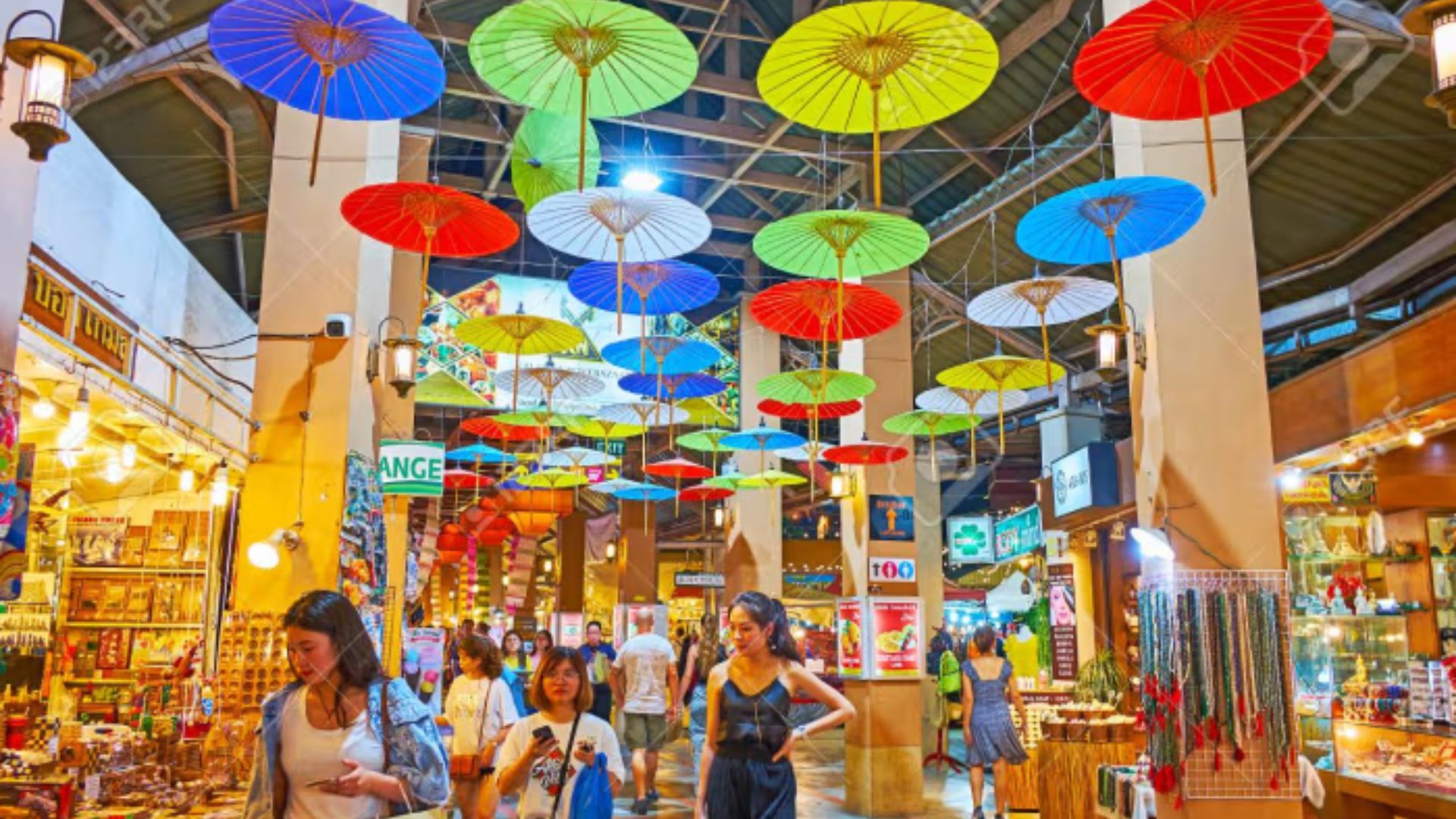
The character of Chiang Mai’s markets changes after dark. Visiting both a daytime market and a night market gives a more complete sense of how the city eats and shops. The Saturday and Sunday Walking Streets are also worth adding to your list.
40. Use the TAGTHAi Travel Pass to Access Attractions

The TAGTHAi pass bundles entry fees for multiple attractions and can save money if you plan to visit several sites in a short time. It is available online and straightforward to set up before arrival. Worth checking against your planned list before you buy.
41. Ride an Eco-Friendly EV Tuk-Tuk
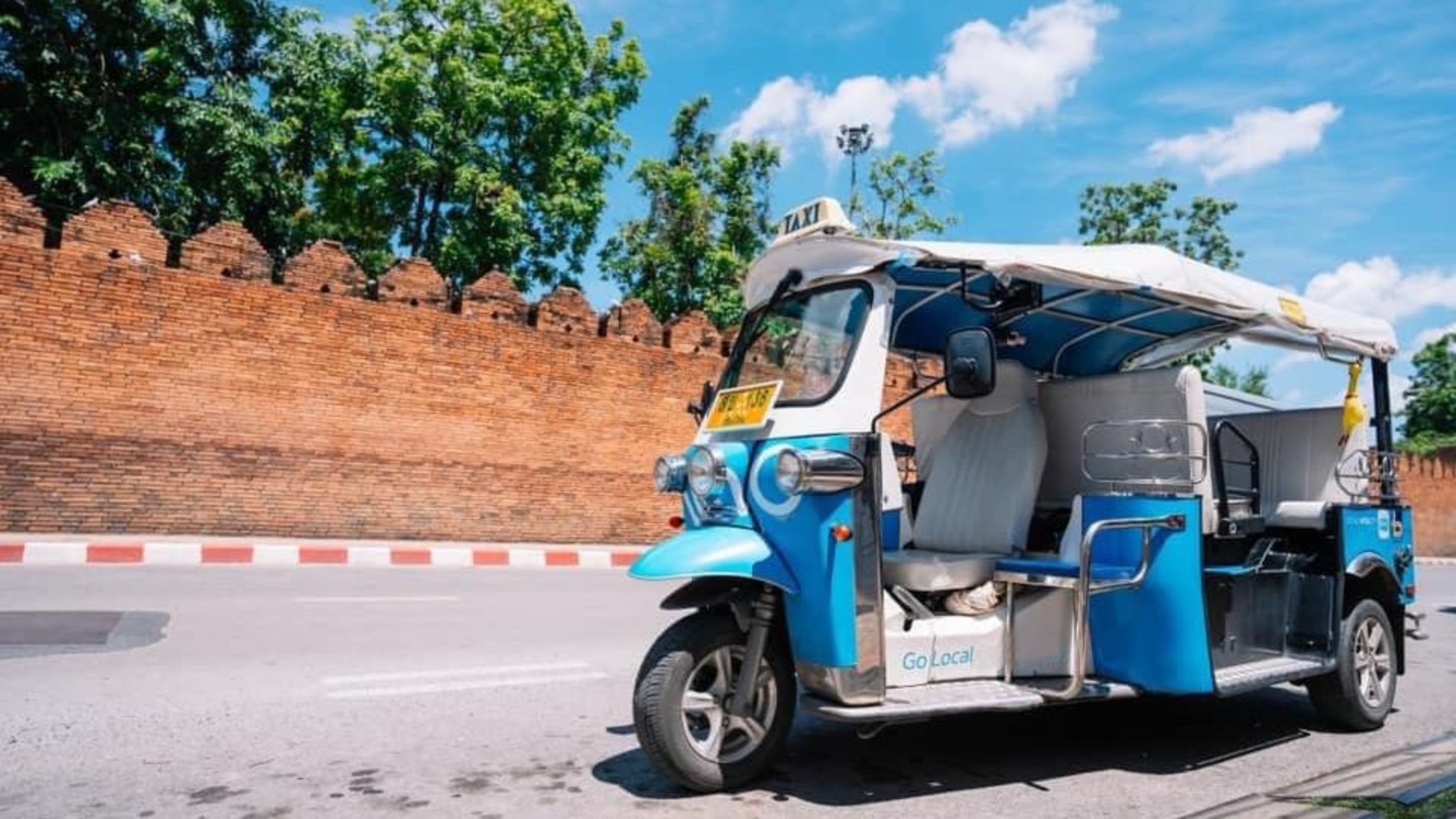
Electric tuk-tuks now operate in parts of the city and offer a quieter, cleaner way to cover short distances. They are a practical option for getting between the old city and nearby areas without walking in the midday heat.
42. Book Zip-Line Activities Around the City

Several operators run zip-line courses in the forests outside the city. Flight of the Gibbon is one of the best-known options and runs through tall canopy trees. It is a good activity for those who want something more physical after a few days of temple visits.
43. Arrive by Train While Travelling Through Sukhothai

The overnight train from Bangkok passes through the region and arrives in Chiang Mai the following morning. It is a comfortable and affordable way to travel and lets you combine two destinations in one journey. Book in advance for sleeper berths during busy periods.
44. Use the City as a Base to Visit Pai
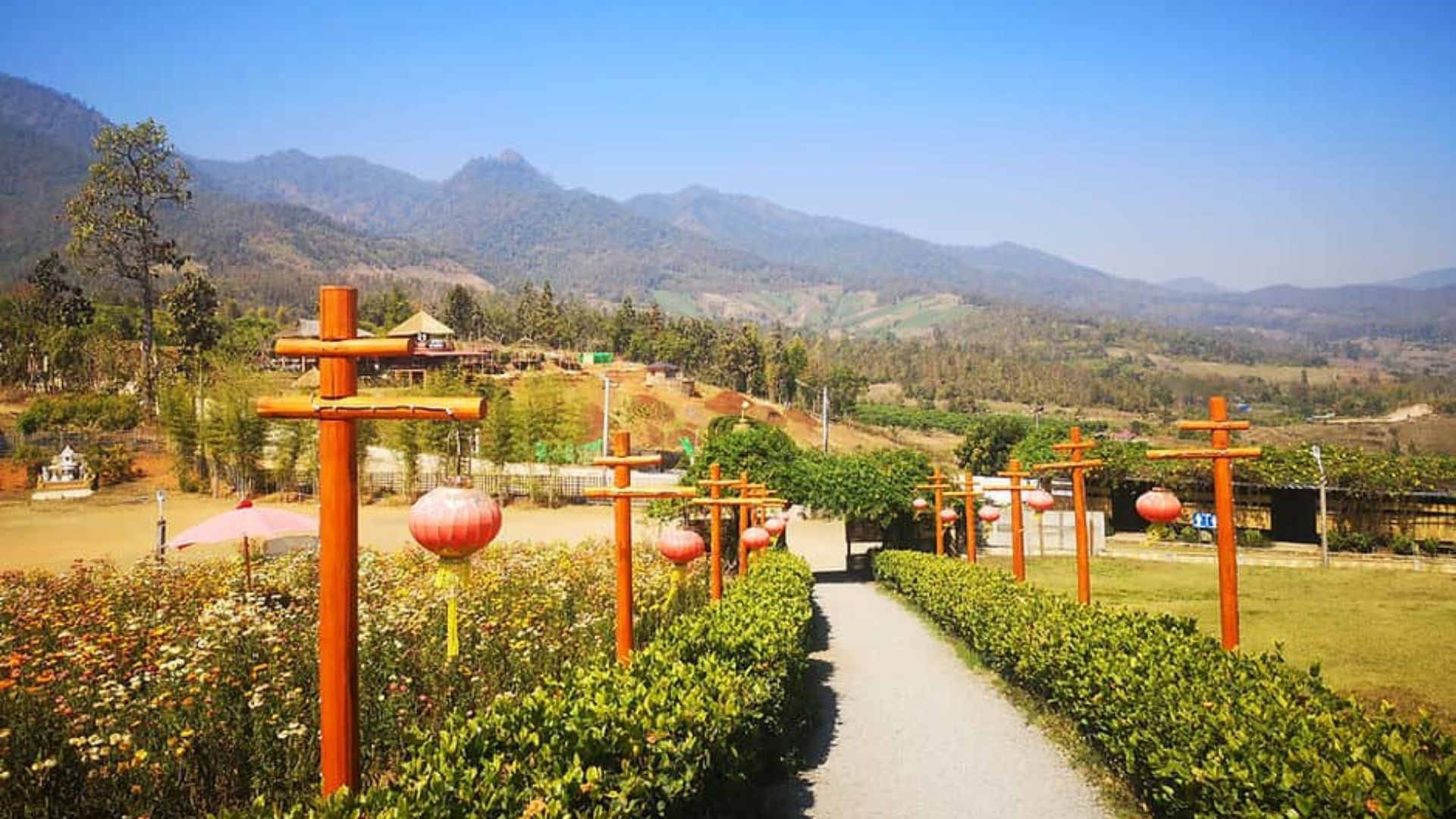
Pai is a small town about three hours north of Chiang Mai by road. It is easy to reach by minivan and makes a good two or three night side trip. The scenery between the two towns is worth the winding road alone.
45. Continue Your Thailand Route Towards Phuket

Chiang Mai works well as a northern anchor on a longer Thailand trip. From here, you can fly south to Phuket and work your way through the islands on the way back. It is a simple route that covers very different sides of the country.
46. Stay at Astra Sky River Condo

This serviced condo sits near the Ping River and has good views, a practical layout, and easy access to the old city. It works well as a base for a multi-day stay, particularly for those who want more space than a standard hotel room.
47. Relax at the Rooftop Swimming Pool

The rooftop pool at Astra Sky River Condo offers a clear view over the city and the river. It is a good way to end the day after long hours of sightseeing. Late afternoon is the best time, when the light is low and the air starts to cool.
Tips for Visiting Chiang Mai
A few simple tips to help you get more out of your time in Chiang Mai.
- Start early at temples and viewpoints to beat the heat and the crowds.
- Dress modestly at religious sites, with covered shoulders and knees.
- Always agree on a price before getting into a songthaew or tuk-tuk.
- Download offline maps before heading into mountain or rural areas.
- Plan outdoor trips around the season, as air quality and waterfalls change throughout the year.
Conclusion
I hope this guide to the 47 best things to do in Chiang Mai gives you a solid starting point. From my own time there, the city has a way of slowing you down in the best way possible.
My favourite moment? A quiet morning walk around the old city walls with a cup of local coffee. Simple, and genuinely good.
Now I would love to hear from you. Which of these is at the top of your list? Drop a comment below, share this post with someone planning their trip, or check out more of our Thailand travel guides.
Frequently Asked Questions
How many days do you need in Chiang Mai to see the highlights?
Three to four days covers the main temples, markets, and a mountain day trip comfortably. Add a day or two for a side trip to Pai or the lake.
What is the best time of year to visit Chiang Mai?
November to February is the best time, with cool, dry weather and clear skies. March to May can bring smoky air, so plan outdoor activities carefully.
Is Chiang Mai good for solo travellers?
Yes. The city is safe, walkable, and affordable, with plenty of stay options that suit solo budgets and travel styles.
Do I need a scooter to get around Chiang Mai?
Not for the old city, which is fully walkable. A scooter helps for lake drives, mountain roads, and temples on the outskirts.
What food should you try when visiting Chiang Mai?
Start with khao soi, the city’s signature coconut curry noodle soup. Sai oua sausage, mango sticky rice, and fresh northern coffee are also worth trying.
