


I’ve skied both mountains in the same week. And honestly? They felt like two completely different worlds.
Alta and Snowbird sit right next to each other in Little Cottonwood Canyon, Utah. Same canyon. Same snow. But choosing the wrong one can throw off your whole trip.
I’ve watched skiers make that mistake. I almost did too.
If you’ve been going back and forth on the alta vs snowbird debate, this guide will settle it.
I’ve broken down everything, so you don’t have to dig through Alta vs. Snowbird Reddit threads for hours.
Overview of Alta and Snowbird
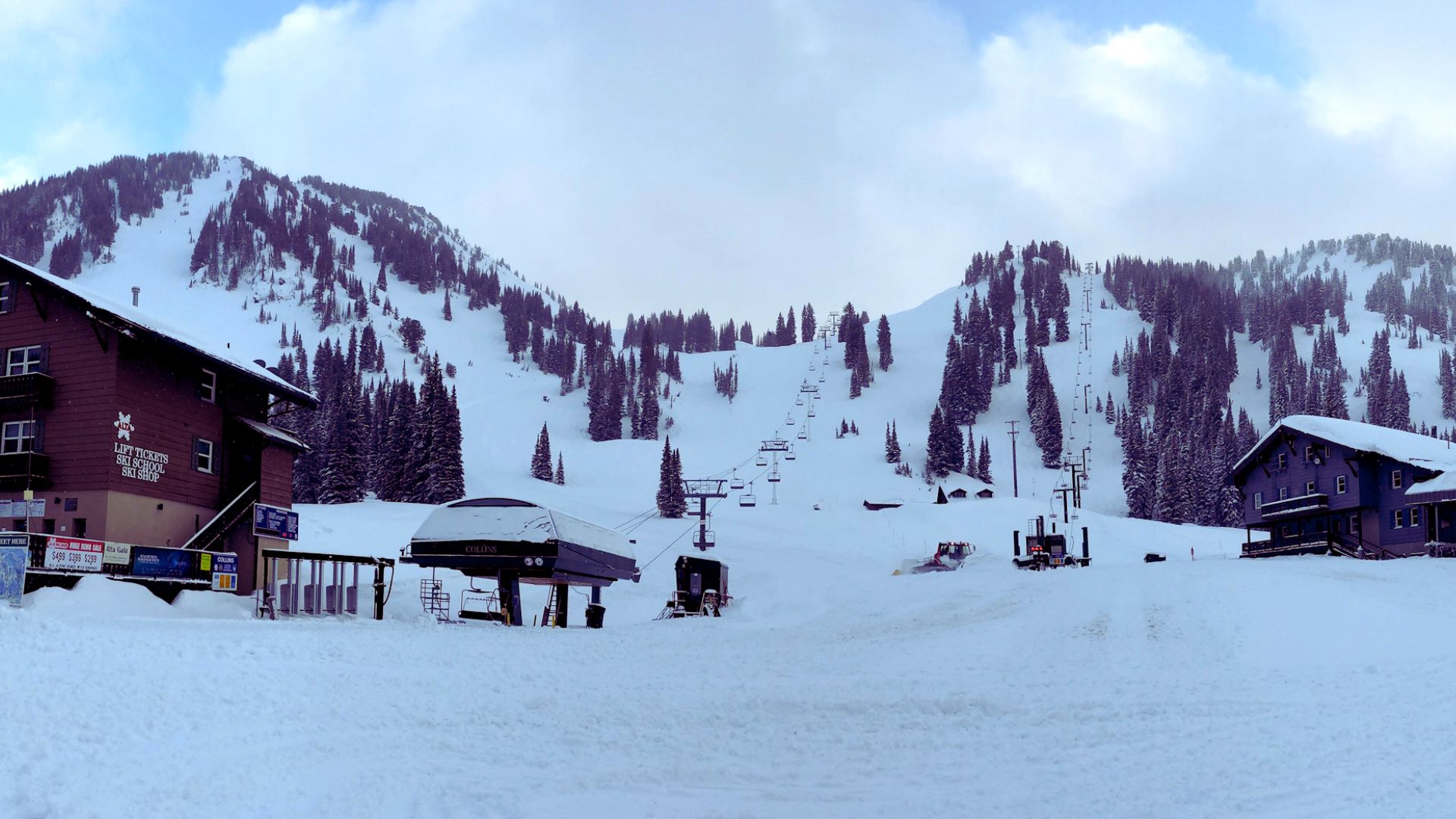
Both resorts sit in Little Cottonwood Canyon, about 25 miles southeast of Salt Lake City. The drive takes roughly 45 minutes, depending on traffic and canyon conditions.
They share the same legendary snowfall. Little Cottonwood Canyon regularly receives over 500 inches of snow per season, which is why skiers fly in from all over the world.
The biggest difference comes down to one rule: Alta allows skiers only. No snowboarding. Snowbird welcomes everyone.
That single policy shapes everything, from the crowd to the atmosphere to the vibe on the mountain.
Alta Ski Area

Alta is one of the oldest ski resorts in the country, and it still operates with that same no-fuss attitude. It’s a mountain built around skiing, and nothing else.
Terrain at Alta
Alta sits at 8,530 feet base elevation and offers 2,614 acres of skiable terrain. The focus is clearly on powder and steeps.
Runs like High Rustler and Devil’s Castle draw advanced skiers who want challenging lines with deep snow. You won’t find many wide, groomed cruisers here.
Intermediate skiers can manage, but this mountain leans toward the expert side. In most alta vs snowbird terrain comparisons, Alta wins for powder-specific skiing hands down.
Atmosphere at Alta
Alta has an old-school ski town feel that’s hard to find anywhere else.
There’s no snowboarding, which keeps the mountain quieter and attracts a specific crowd: skiers who are there to ski, not to party. The pace is relaxed and focused.
Après-ski options are limited on purpose. A few cozy bars and lodge lounges, nothing loud or flashy. On alta vs snowbird reddit, this atmosphere gets praised constantly by skiers who are tired of resort-style noise.
Amenities at Alta
Alta keeps things simple, and that’s intentional. The focus has always been on the skiing itself, not the surrounding experience.
Here’s what you can expect:
- Lodging: A handful of on-mountain lodges, all small and cozy. Nothing resembling a full resort hotel.
- Dining: Basic but good. Think hearty ski food, not fine dining.
- Nightlife: Very limited. A couple of bars, that’s about it.
- Lifts: 14 lifts total, including high-speed quads that move quickly on busy days.
- Spa or extras: None. Alta doesn’t do luxury add-ons.
If you want a full resort experience with bells and whistles, Alta will feel stripped down. But if you want to ski hard and keep life simple, it fits perfectly.
Snowbird Resort
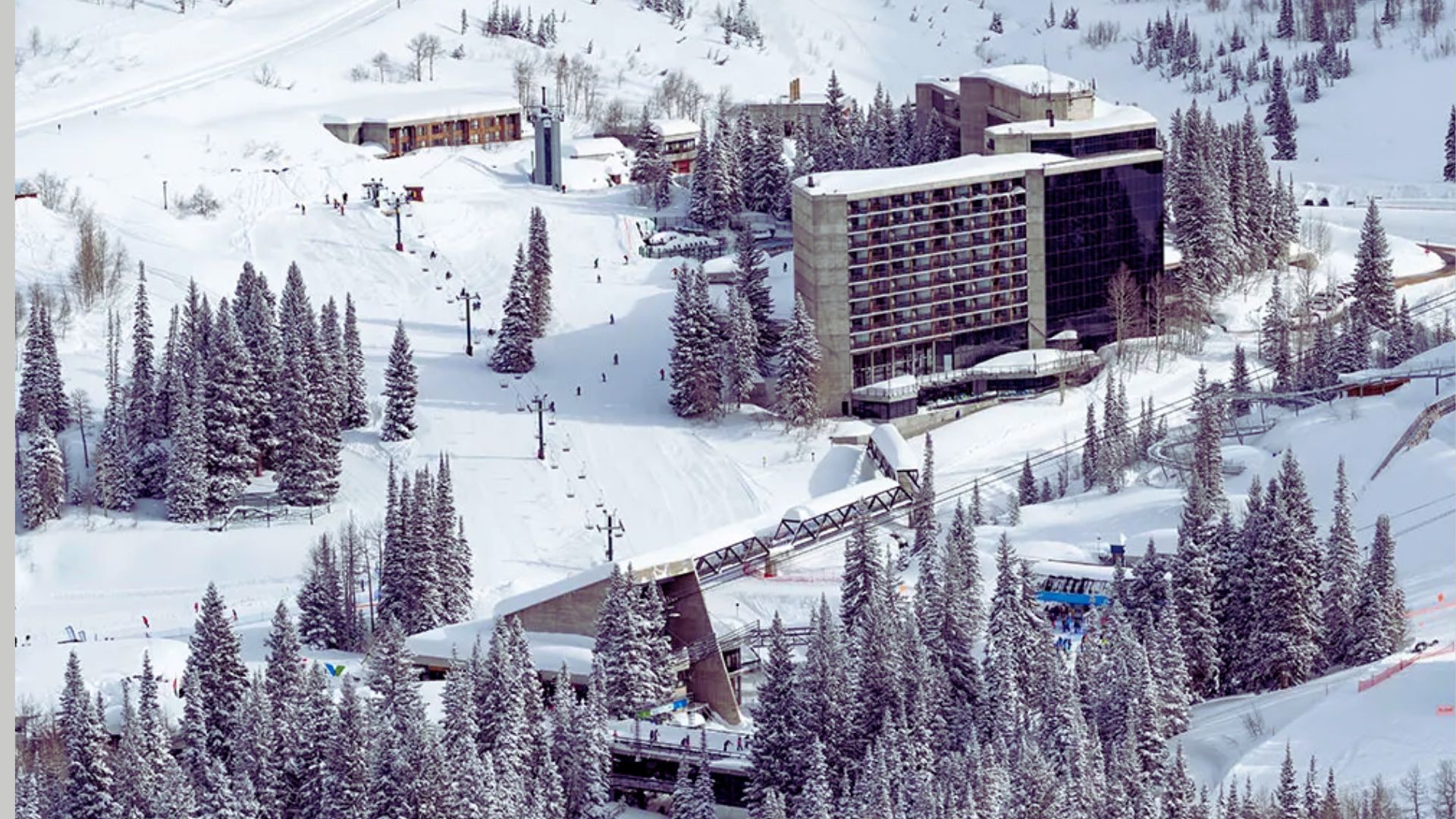
Snowbird is bigger, louder, and built for a wider audience. It’s a full-service resort that happens to have world-class terrain attached to it.
Terrain at Snowbird
Snowbird covers 2,500 acres with a vertical drop of 3,240 feet, one of the largest in Utah.
The terrain is steep and technical, but there’s more variety than Alta. You get challenging expert runs alongside groomed intermediate slopes. Mineral Basin on the back side adds a whole extra dimension to the mountain.
Snowboarding is fully welcome here, which opens up the terrain differently. In the alta vs snowbird vs solitude terrain conversation, Snowbird often ranks highest for sheer variety and vertical challenge.
Atmosphere at Snowbird
Snowbird feels like a proper resort. It’s modern, active, and draws a mixed crowd of skiers, snowboarders, families, and groups.
The energy on the mountain is higher. People are socializing on lifts, gathering at mid-mountain spots, and making a full day of the experience beyond just the runs.
Après-ski is a real scene here. Multiple bars and restaurants fill up after 3 PM. It’s the kind of place where the day on the mountain flows naturally into the evening.
Amenities at Snowbird
Snowbird is a fully built-out resort, and the amenities reflect that.
You’re not just paying for lift access, you’re paying for a complete mountain experience:
- Lodging: Full-service hotel options including The Cliff Lodge, with rooms, suites, and spa access.
- Dining: Multiple restaurants ranging from casual to sit-down meals.
- Nightlife: Bars, live music, and a social après-ski culture.
- The Tram: Snowbird’s iconic aerial tram takes you to the 11,000-foot summit in minutes.
- Spa: The Cliff Spa offers full services, great after a hard day on the slopes.
- Non-ski activities: Ice skating, shopping, and on-site entertainment options.
Snowbird works well even for people in your group who don’t ski. There’s enough going on at the resort to keep everyone busy.
Alta vs Snowbird: Side-by-Side Comparison
Both mountains are exceptional, but they serve different needs.
Here’s a quick look at how they stack up directly:
| Feature | Alta | Snowbird |
|---|---|---|
| Snowboarding | Not allowed | Allowed |
| Terrain Focus | Powder, steeps | Steeps + groomers |
| Atmosphere | Traditional, quiet | Modern, lively |
| Après Ski | Minimal | Strong |
| Lodging | Limited, cozy | Full-service resort |
| Best For | Ski purists | Mixed groups and variety seekers |
| Crowd Type | Core skiers | Broader audience |
Snow Quality and Weather Conditions
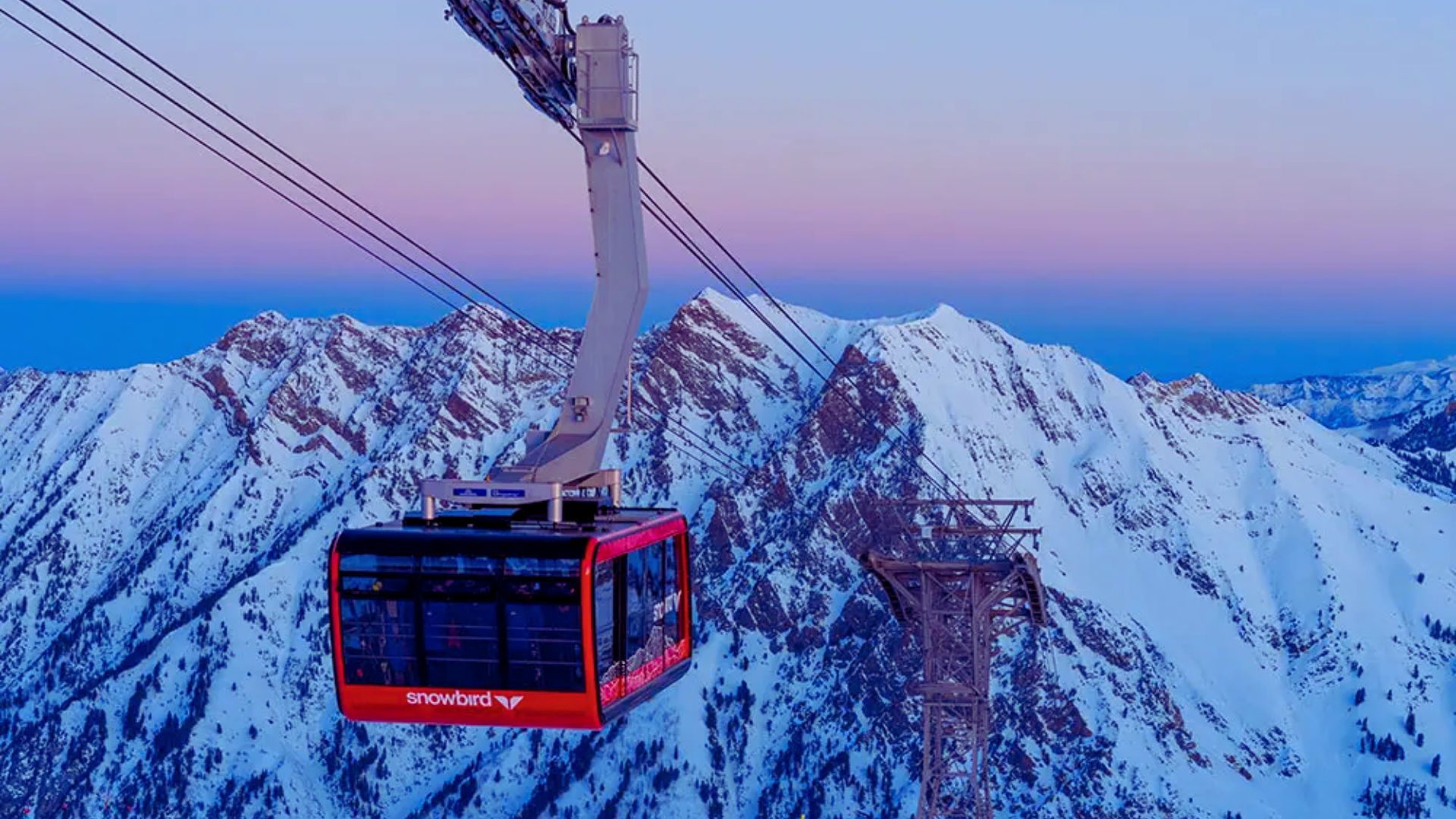
Both resorts benefit from the same storm systems moving through Little Cottonwood Canyon, so snow quality is similarly excellent at both.
The canyon averages over 500 inches of snowfall per year. That’s dry, light powder that Utah has become famous for worldwide.
Alta’s terrain and tree coverage tend to hold fresh powder a little longer after a storm. The layout protects certain runs from wind in ways Snowbird’s more exposed upper mountain doesn’t.
Snowbird’s higher elevation, peaking at 11,000 feet, means the snowpack stays cold and dry. But wind exposure on the upper mountain can be an issue on stormy days.
Accessibility and Logistics
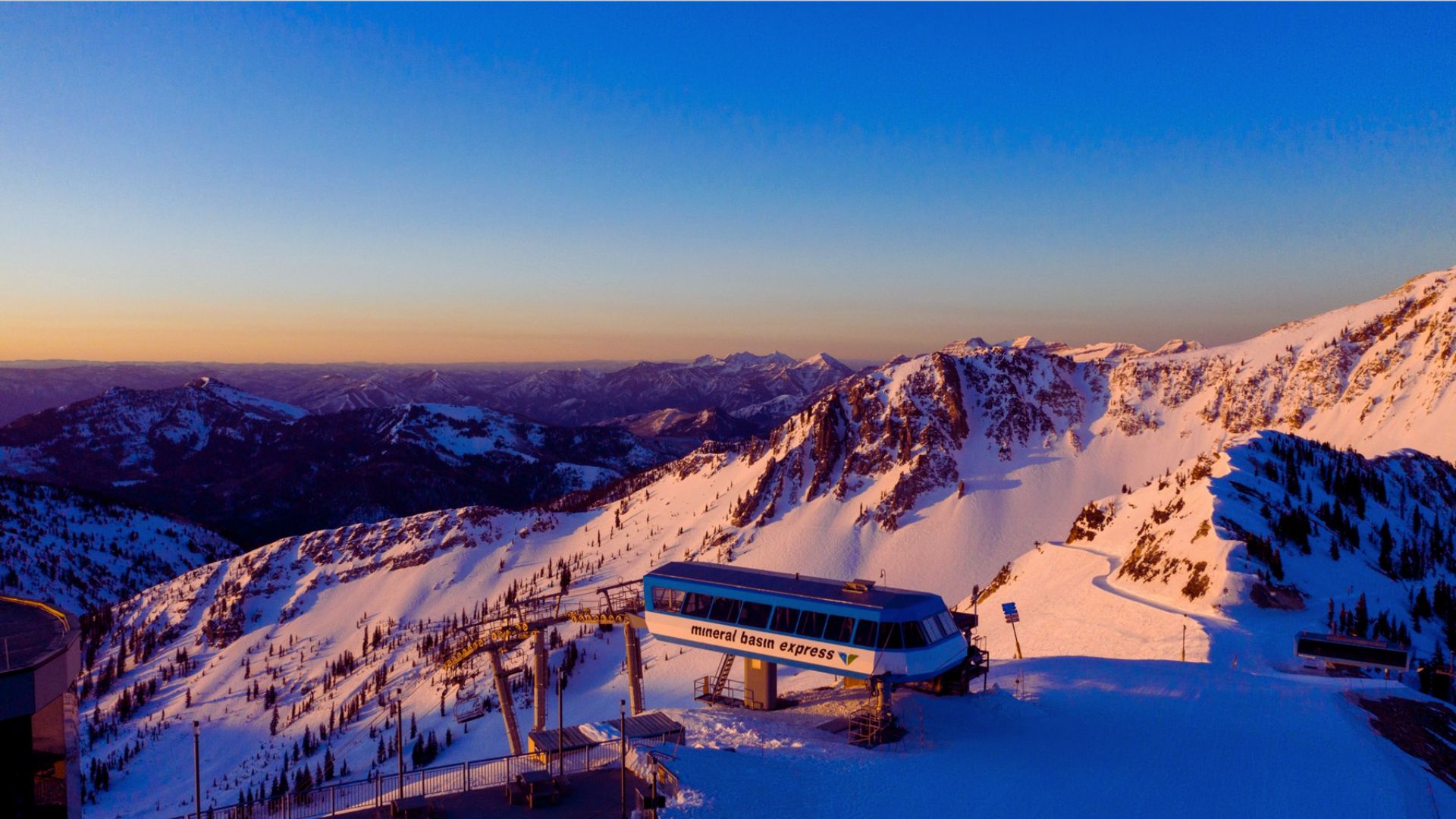
Both resorts are about 25 miles from Salt Lake City. On a clear day, the drive takes 45 minutes. During or after a storm, canyon road closures can delay things significantly.
Parking fills up fast on weekends at both locations. Arriving early or taking the canyon shuttle from Salt Lake City is a smart move.
Snowbird handles large crowds better due to its infrastructure, including the tram and more lift capacity overall. Alta can feel crowded on peak powder days despite its smaller guest volume.
Lift tickets at both resorts are priced at a premium. Booking in advance almost always saves money compared to buying at the window.
Pricing and Value for Money

Lift ticket prices at both resorts are comparable and sit at the higher end of Utah ski pricing, typically ranging from $150 to $200+ per day depending on when you book.
Both are covered under the Ikon Pass, which offers significant savings if you’re planning multiple ski trips in a season. The Ikon Pass is worth serious consideration if you ski more than two or three times a year.
Accommodation at Snowbird costs more due to its full-service hotel options. Alta’s lodges are smaller and generally less expensive, though availability is limited.
Overall, Alta offers slightly better value if skiing is your only priority. Snowbird costs more but delivers a broader experience that justifies the price for many travelers.
Which Resort Should You Choose?
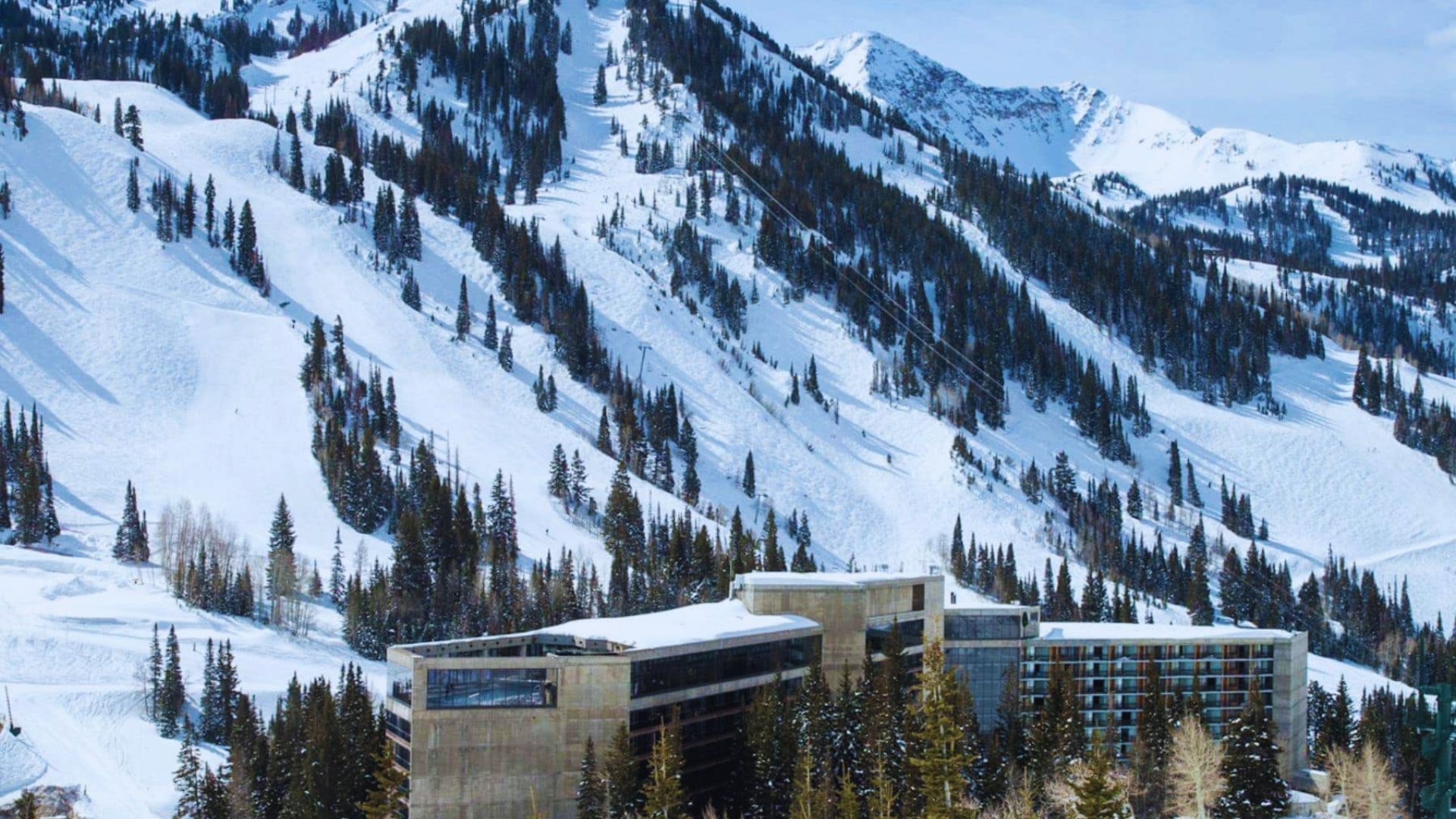
This comes down to who you are as a skier and what you want out of the trip.
Choose Alta if: You’re a dedicated skier who wants powder, quiet trails, and zero distractions. If you ski hard all day and don’t need a resort experience around it, Alta is your mountain.
Choose Snowbird if: You’re traveling with a mixed group of skiers and snowboarders, or you want a full resort experience with lodging, dining, and après-ski built in. Snowbird handles variety better.
Consider skill level: Beginners will find both mountains challenging. Intermediate skiers have more options at Snowbird. Advanced and expert skiers will love both equally, just for different reasons.
Consider your group: Solo skiers and couples who ski tend to prefer Alta. Families and mixed groups lean toward Snowbird for flexibility.
The short answer: if skiing is everything, go to Alta. If the full mountain lifestyle matters to you, Snowbird wins.
Conclusion
Both mountains humbled me in different ways.
That’s the honest truth about the Alta vs. Snowbird decision. There’s no wrong answer, only the wrong fit for your specific trip.
Stop overthinking it. Pick the one that matches how you ski and who you’re skiing with.
And if you’re still on the fence, sometimes the best move is to ski both in the same trip. The resorts are literally next to each other.
Which one are you leaning toward? Drop a comment below and let me know. I’ll help you make the final call.
Frequently Asked Questions
Is Alta better than Snowbird for beginners?
Neither resort is ideal for complete beginners, as both lean toward intermediate and advanced terrain. Snowbird offers slightly more groomed options, making it marginally more accessible for newer skiers.
Why is Alta ski-only?
Alta has maintained a skier-only policy since the 1990s as part of its identity and culture. The resort has actively chosen to preserve a traditional skiing environment and has defended the policy legally.
Which resort gets more snow, Alta or Snowbird?
Both resorts receive nearly identical snowfall since they sit in the same canyon and get hit by the same storm systems. Annual totals at both regularly exceed 500 inches.
Is Snowbird more expensive than Alta?
Lift ticket prices are similar, but Snowbird’s on-mountain lodging and resort amenities make the overall trip cost higher. Alta’s simpler setup tends to keep total trip expenses lower.
What do skiers say about Alta vs Snowbird on Reddit?
Alta vs Snowbird reddit discussions consistently show that experienced skiers favor Alta for powder and atmosphere, while mixed groups and snowboarders prefer Snowbird for its variety and full resort setup.
