


I’ve spent time at Peanut Island, and I can tell you it’s one of those places that stays with you. This guide covers everything you need to know before your visit.
From water activities to land trails, I’ll walk you through it all. No guessing what to pack, where to launch your kayak, or how to avoid the crowds.
Peanut Island things to do range from snorkeling to wildlife watching. We’ll cover how to get there, top water activities, land exploration, visitor tips, and eco-friendly practices.
Getting to Peanut Island
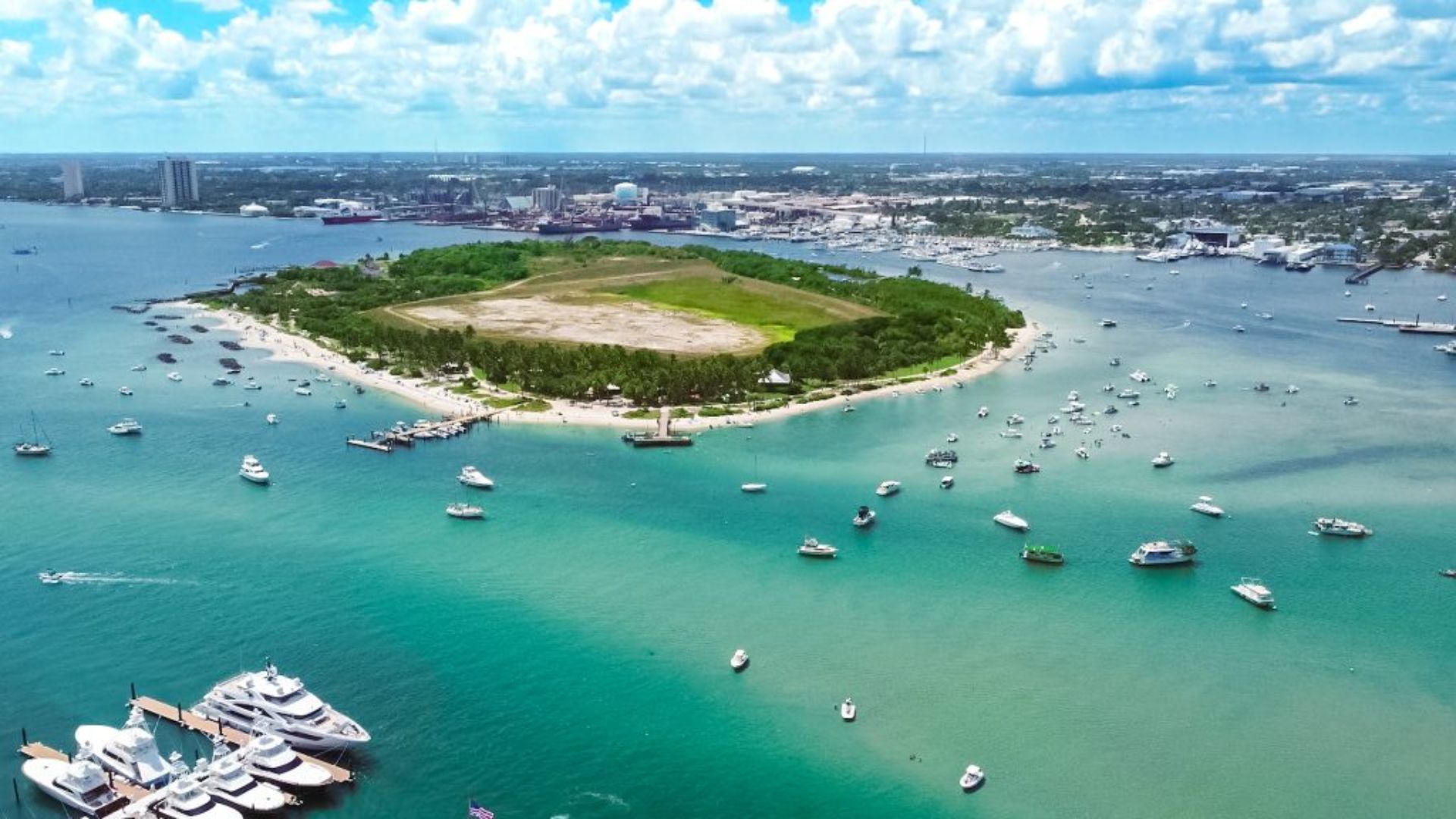
Getting to Peanut Island is simple. You can paddle over or hop on a water taxi and both options are easy and affordable.
The most popular launch point for paddleboards and kayaks is Phil Foster Park, just a 5 to 10 minute paddle away. Go early when the water is calm, wear a life jacket, and check the tide schedule. Rentals nearby start around $25 to $35 per hour.
Prefer a quicker option? The Peanut Island Water Taxi from Phil Foster Park takes under 5 minutes. It costs roughly $5 to $7 for adults and $3 to $5 for kids. It runs weekends and holidays year-round, with select weekday service from November through April.
Top Water Activities
The water around Peanut Island is where most of the action happens. Snorkeling, paddling, and wildlife spotting are the highlights.
Snorkeling at Peanut Island: Small Reef and Lagoon
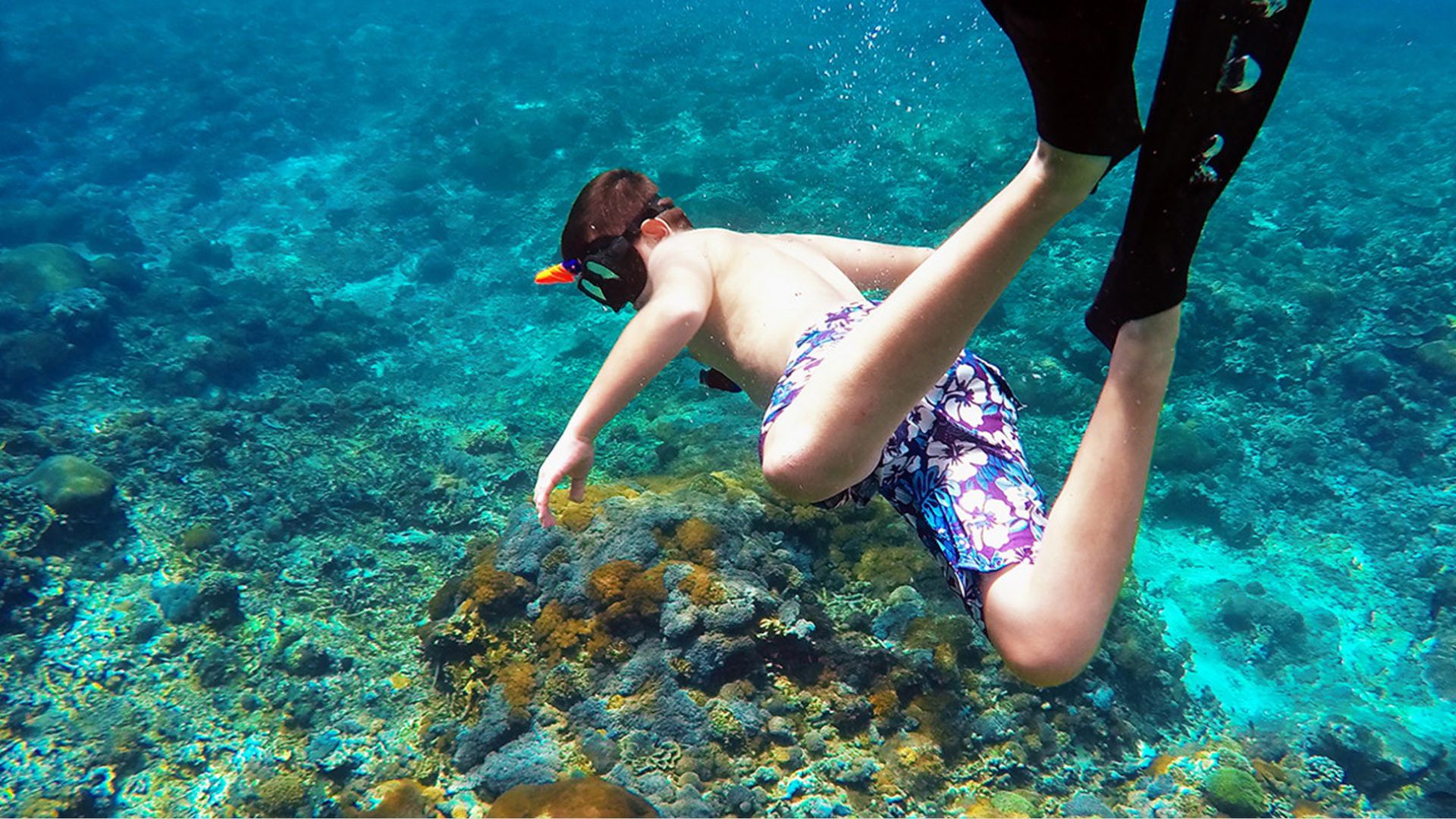
Snorkeling here is one of the most talked-about activities on the island. A small artificial reef off the southwest side attracts plenty of marine life, while the calmer lagoon on the north side is great for beginners and younger kids.
The reef brings in colorful fish, the shallow areas keep newer swimmers safe, and the calm lagoon water cuts down on current.
I’d recommend a weekday morning for the clearest water. You can rent snorkel gear near the park, but bringing your own saves both time and money.
Wildlife to Spot: Starfish, Parrotfish, Angelfish, and Sea Turtles
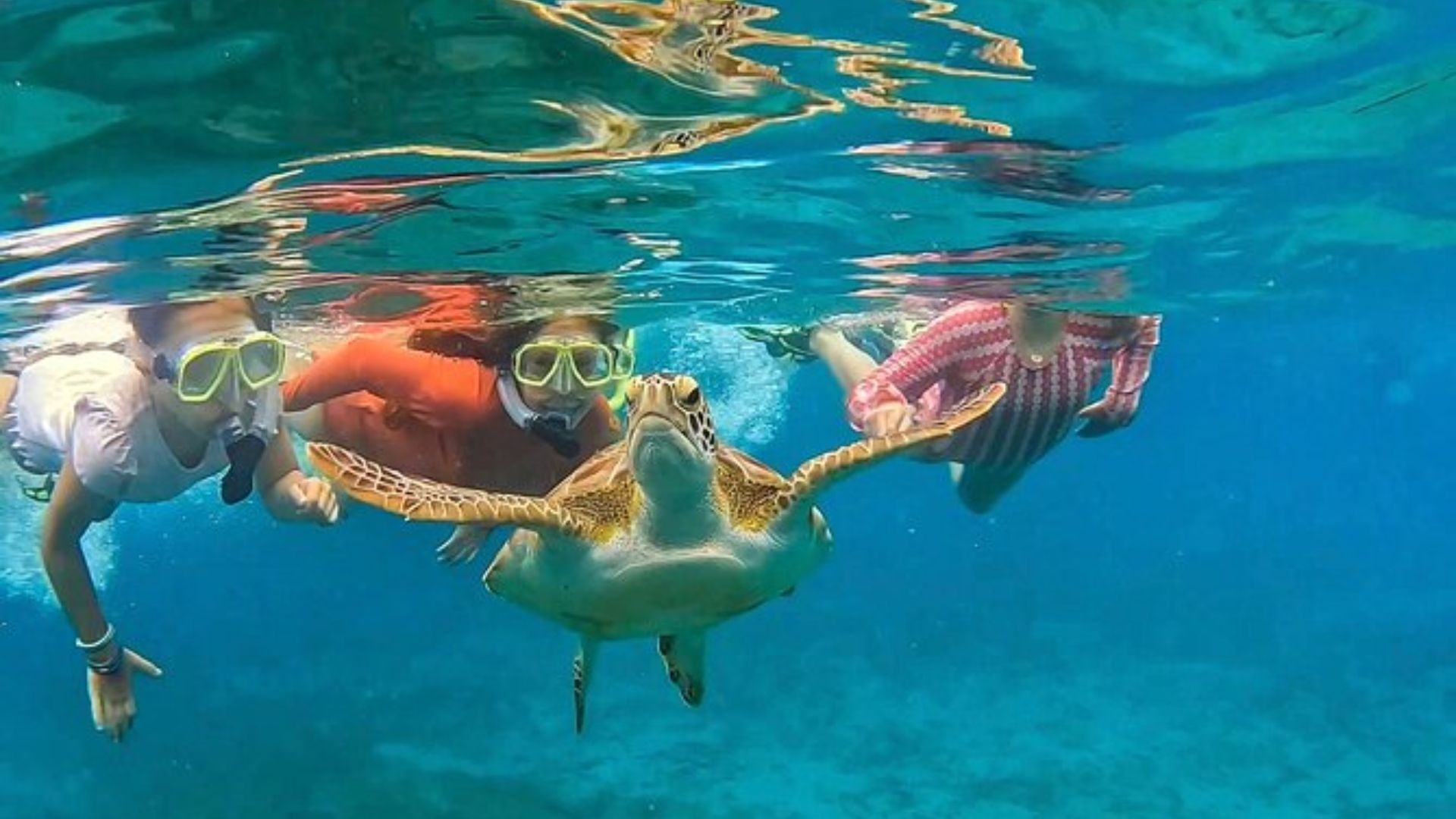
The waters here have more wildlife than most people expect. You might spot starfish resting on the sandy bottom, parrotfish and angelfish near the reef, and occasionally sea turtles during warmer months.
I once had a sea turtle glide right under me. I barely moved and it didn’t either.
Do not touch any wildlife. It’s harmful to the animals and against park rules.
Paddleboarding Tips and Safety Considerations
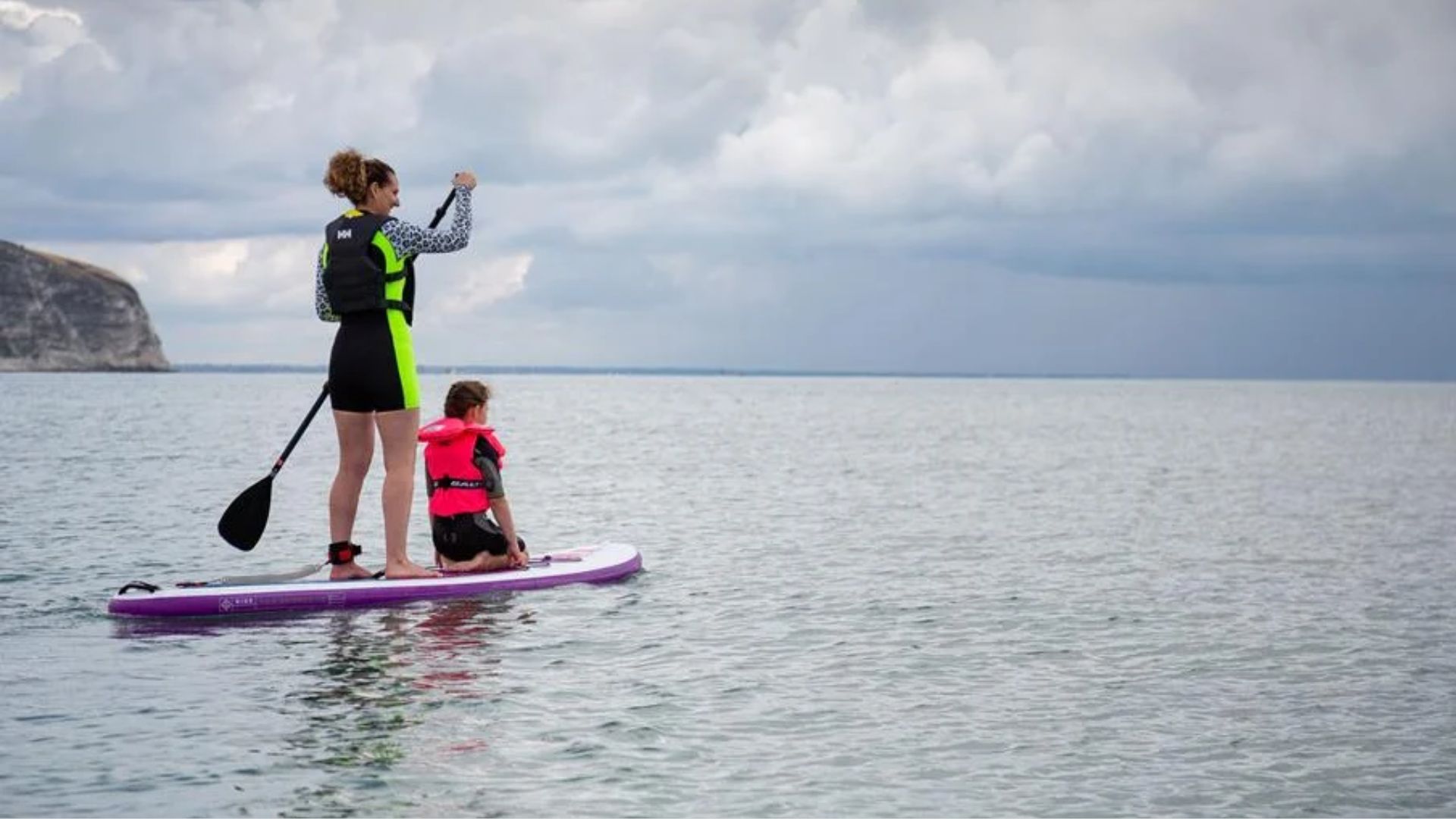
Paddleboarding around the island gives you a whole different view once you’re there. Always wear a leash, stay aware of boat traffic, keep kids close, and let someone know your plan before heading out.
If wind picks up or a storm rolls in, head back to shore. Beginners should stick to the calmer lagoon side for a more comfortable experience.
Visiting the Island on Land
Peanut Island isn’t just about the water. The land has walking trails, observation spots, and shaded areas worth visiting.
Walking Trails & Boardwalks

The island has a paved loop trail that circles the entire perimeter, roughly 1 mile and about 20 to 30 minutes at a relaxed pace.
Boardwalk sections offer raised water views, great for watching boats pass through the inlet. The trail is mostly flat and works well for strollers.
I always stop at the north end to sit on one of the shaded benches and watch the water. It’s worth the pause.
Observation Decks and Wildlife Viewing

There are a couple of raised viewing platforms that look out over the mangroves and water. From the decks, you can often spot pelicans, osprey, herons, egrets, and even manatees during cooler months.
Bring binoculars if you have them. They make a real difference.
Early mornings are the best time to visit these platforms when the island is quiet and wildlife is most active.
Picnic Areas and Tiki Pavilions

The covered tiki pavilions are spread across the island and offer welcome shade, especially in warmer months. Pavilions are first-come, first-served with tables, benches, and grills at select spots.
Bring your own charcoal if you plan to cook. Spots fill up fast on weekends between 10 a.m. and 2 p.m., so arriving by 9 a.m. is a smart move.
I always pack a cooler. Between snorkeling and walking, you’ll get hungry faster than you think.
Points of Interest on Peanut Island
Peanut Island has more to see than just the water. These spots add history and scenery to your visit.
Historic Sites and Bunkers
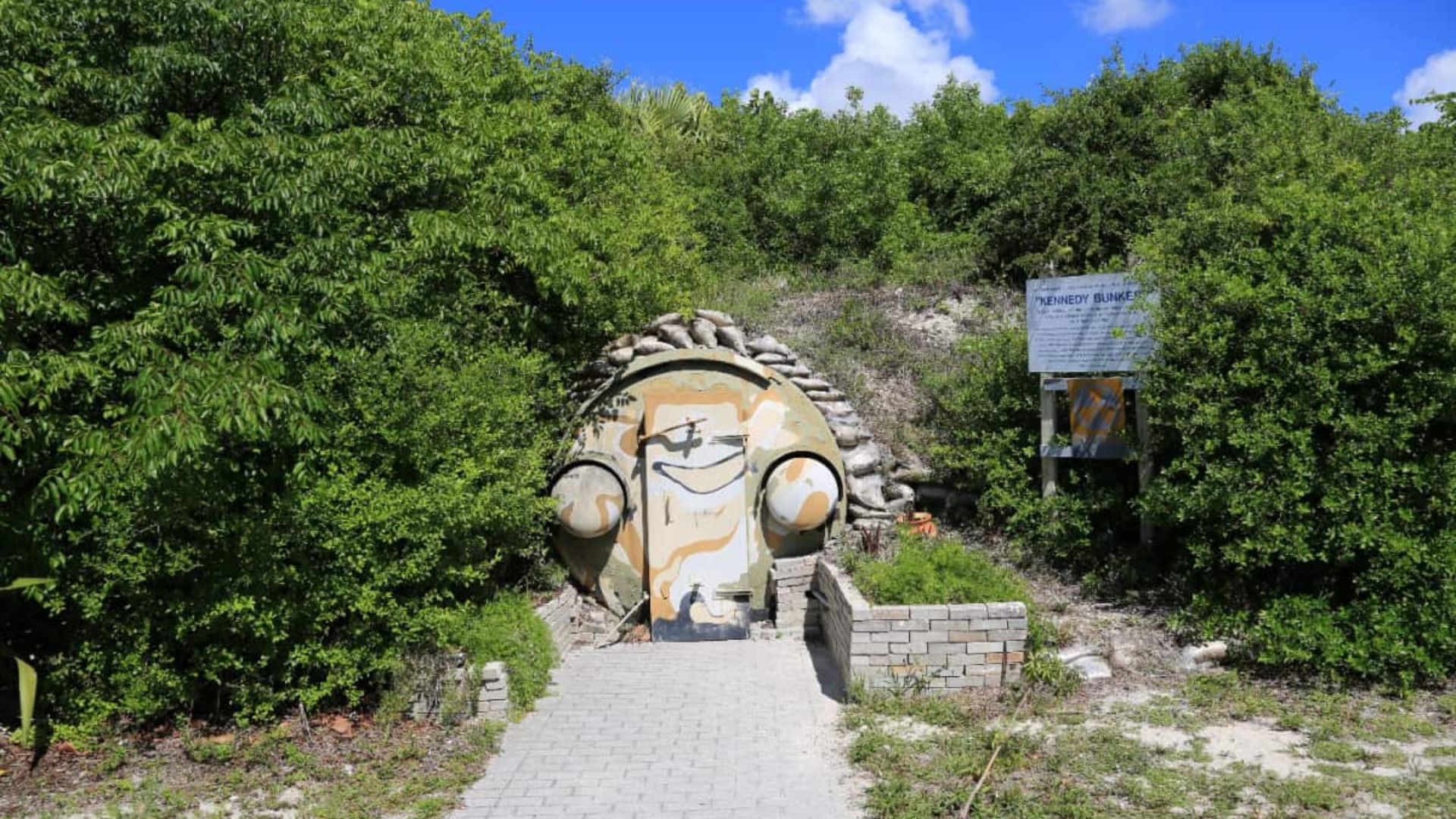
One of the more surprising things about Peanut Island is its history. The island is home to a Cold War-era bunker that was built in 1961 for President John F. Kennedy. It was meant to serve as a shelter during a nuclear emergency while he stayed at his nearby Palm Beach estate.
The bunker is small but genuinely interesting. Tours are available and give you a real look into what the space was designed for. It’s a part of history most visitors don’t expect to find on a small Florida island.
Sea Grape Trees and Scenic Spots

The sea grape trees along the island’s edge are hard to miss. They grow low and wide, offering natural shade along the shoreline. The large round leaves and clusters of fruit give the island a tropical feel that’s different from most South Florida beaches.
These spots are great for sitting, reading, or just taking in the view. The light through the sea grape canopy in the morning is something worth stopping for.
Lagoon Areas and Rock Formations
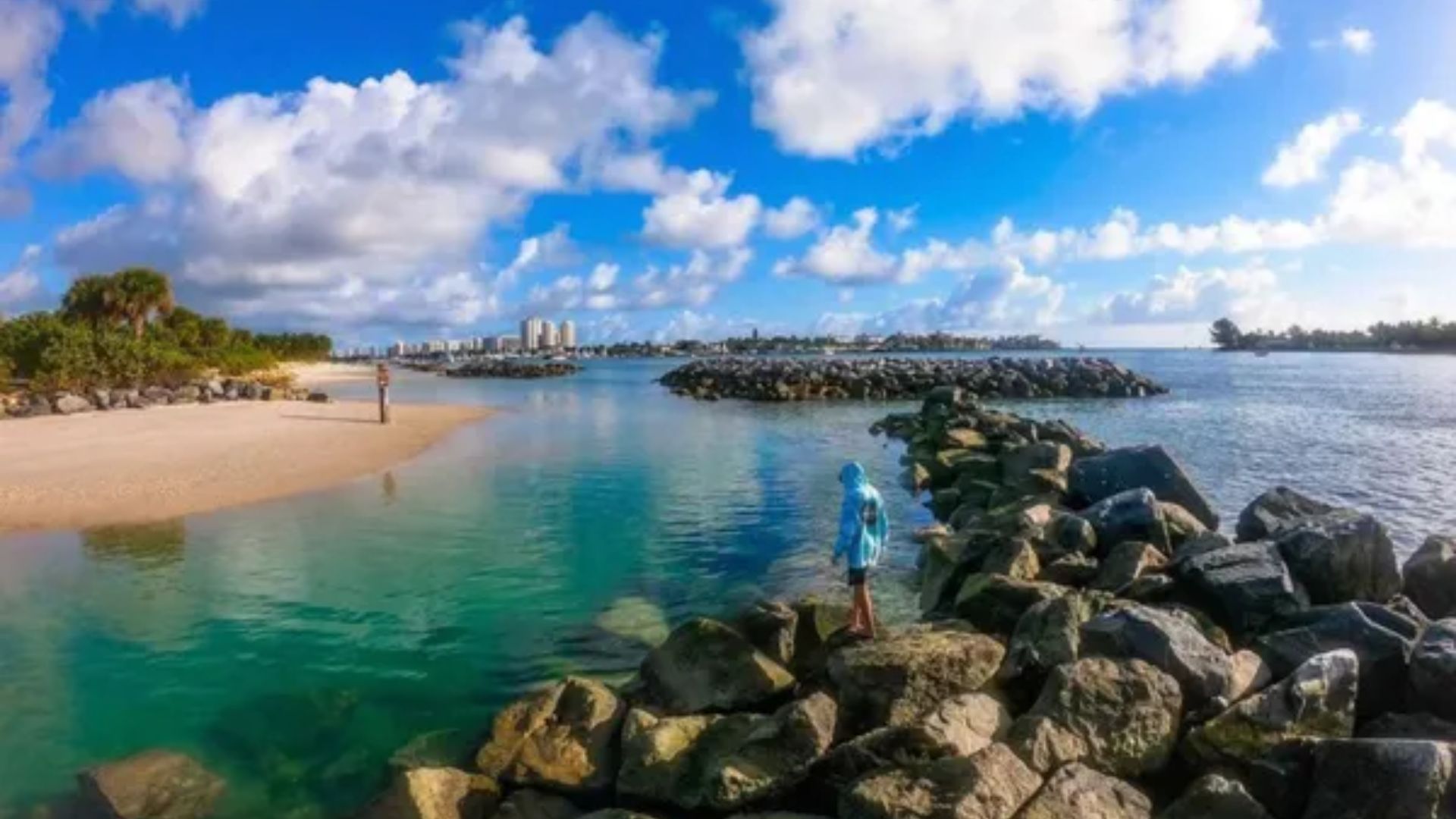
The lagoon on the north side of the island is calm and shallow, making it one of the most visited areas. The water is clear enough on most days to see the sandy bottom and any wildlife passing through.
Scattered rock formations along the shoreline add some character to the landscape. They also attract small fish and crabs, so keep your eyes open as you walk along the water’s edge. It’s a good spot for kids to visit at low tide.
Eco-Friendly Practices
Peanut Island is a protected natural area. How you behave here directly affects the wildlife and environment for future visitors.
Pack out all trash, skip feeding wildlife, stay off the reef, and use reef-safe sunscreen. Bring a small bag and pick up anything you see, even if it’s not yours. For snorkelers, keep fins away from coral and never touch or chase fish or turtles.
On land, stick to marked trails. The mangroves protect the shoreline from erosion, and walking through them does more harm than most people realize.
Visitor Tips & Amenities
Here is everything you need to know before heading to Peanut Island.
- Visit between November and April for cooler weather and clearer water
- Go on weekday mornings and avoid weekend afternoons and major holidays
- Pack snorkel gear, life jackets, water shoes, and a cooler with food and water
- Use reef-safe sunscreen and bring insect repellent near the mangroves
- Restrooms, outdoor showers, and wheelchair accessible paths are available on the island
Conclusion
I hope this guide helps you plan a trip you’ll actually enjoy. Peanut Island is the kind of place that rewards those who come prepared. When I first visited, I had no idea what to expect and I left wishing I had stayed longer.
Go early, bring sunscreen, and take time to slow down near the water. You’ll see more wildlife and feel less rushed.
If you’ve already visited, I’d love to hear what you think. Drop a comment below, share this post with someone planning a trip, or check out our other Florida outdoor guides.
Frequently Asked Questions
Is Peanut Island free to visit?
Access to the island itself is free. However, if you take the water taxi, there is a small fee usually around $5 to $7 for adults. Parking at Phil Foster Park is also free.
Can beginners snorkel at Peanut Island?
Yes, the lagoon side is shallow and calm, which makes it a good spot for people new to snorkeling. The reef area has more to see but requires slightly more comfort in the water.
Are dogs allowed on Peanut Island?
Dogs are generally not allowed in the water or on the beach areas of Peanut Island. It’s best to check current Palm Beach County park rules before your visit, as policies can change.
What are the park hours for Peanut Island?
The park is typically open from sunrise to sunset daily. Hours may shift slightly during holidays or special events, so checking with Palm Beach County Parks before your visit is a good idea.
Is there food available on the island?
There are no food vendors or concession stands on Peanut Island. You need to bring everything with you, including water, snacks, and meals. A cooler is highly recommended for longer visits.
