


Finding the Grand Teton best hikes can feel overwhelming with so many trails to pick from. I’ve hiked these peaks myself, and I know how hard it is to plan your time here.
This guide covers 21 trails across all skill levels, from easy lakeside walks to steep alpine climbs. You’ll get details on distance, difficulty, what to expect, and tips I learned firsthand.
I’ve spent weeks hiking Grand Teton, testing trails my family loves and routes that challenged me. Whether this is your first visit or you’re coming back, I’ll help you find the right hike.
Let’s make your Grand Teton trip count.
How to Choose the Right Grand Teton Hike
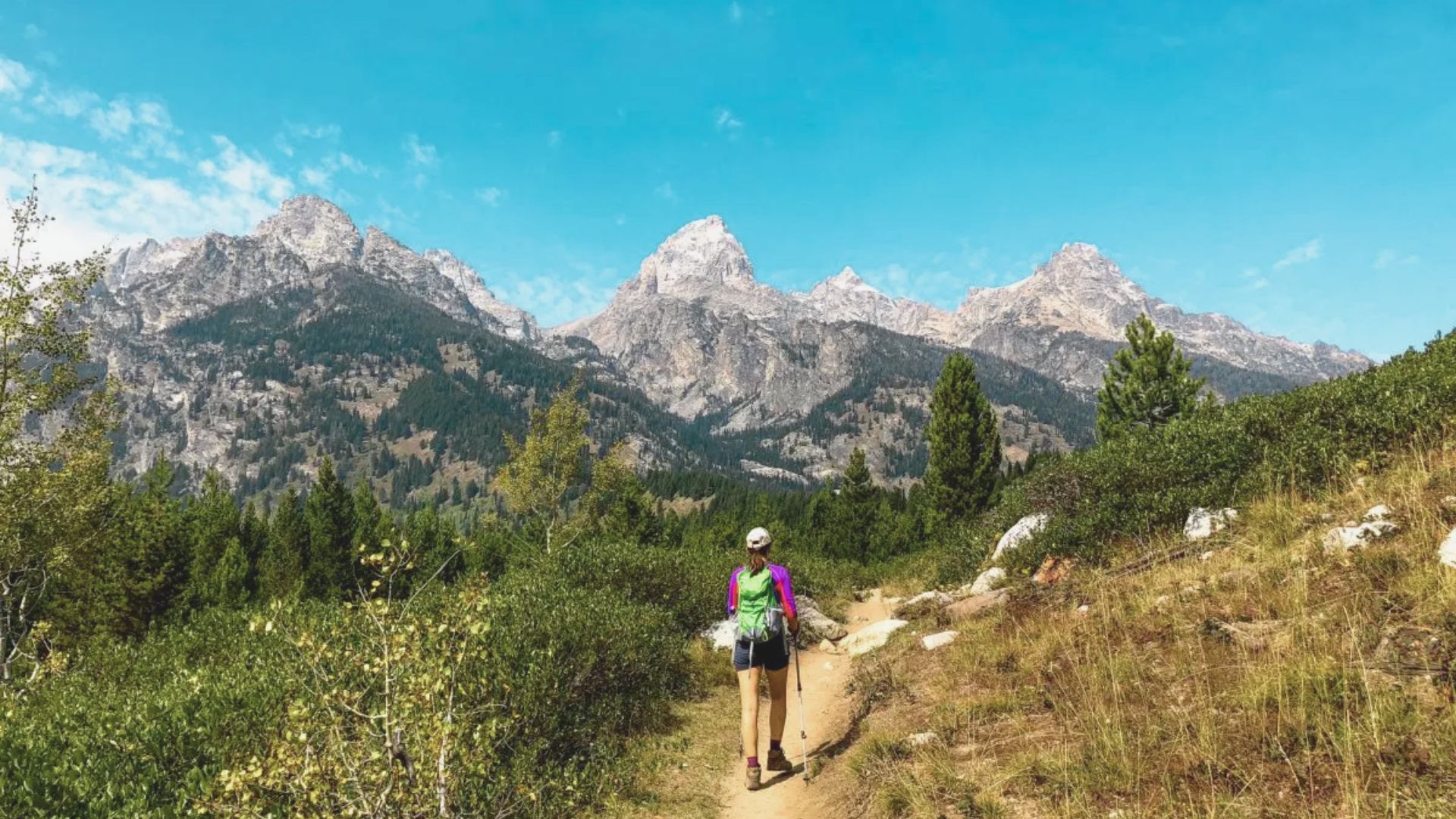
Picking the right trail depends on your fitness level, time, and what views matter most to you. Easy trails run under 3 miles with minimal elevation gain, perfect for families and beginners who want lakeside views in 1-2 hours.
Moderate hikes span 5-10 miles with switchbacks and elevation changes, leading to alpine lakes and waterfalls in 3-5 hours.
Challenging routes exceed 10 miles with serious climbing, rock scrambling, and snowfields, taking 6-10 hours and requiring strong fitness.
21 Grand Teton Best Hikes
Here are the top trails in Grand Teton, ranked from popular favorites to remote backcountry routes.
1. Delta Lake Trail
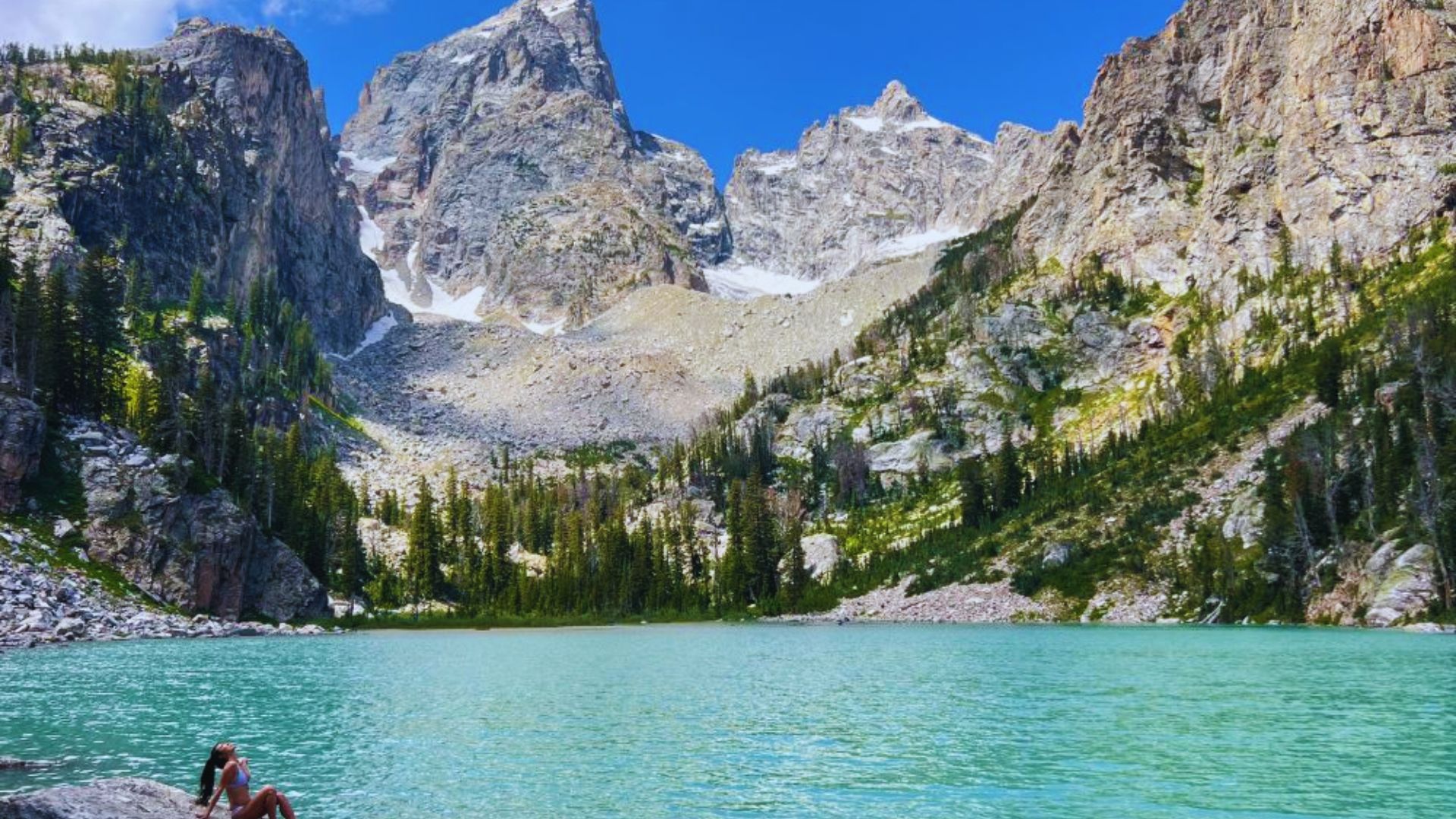
Distance: 7.4 miles round trip
Elevation Gain: 2,300 feet
Difficulty: Hard
This trail climbs steeply through forest before opening to a bright turquoise lake. The color comes from glacial melt. Expect rocky sections and some scrambling near the top. Start early because parking fills up fast. The views of Grand Teton from the lakeshore are worth every step. Bring plenty of water.
2. Cascade Canyon Trail
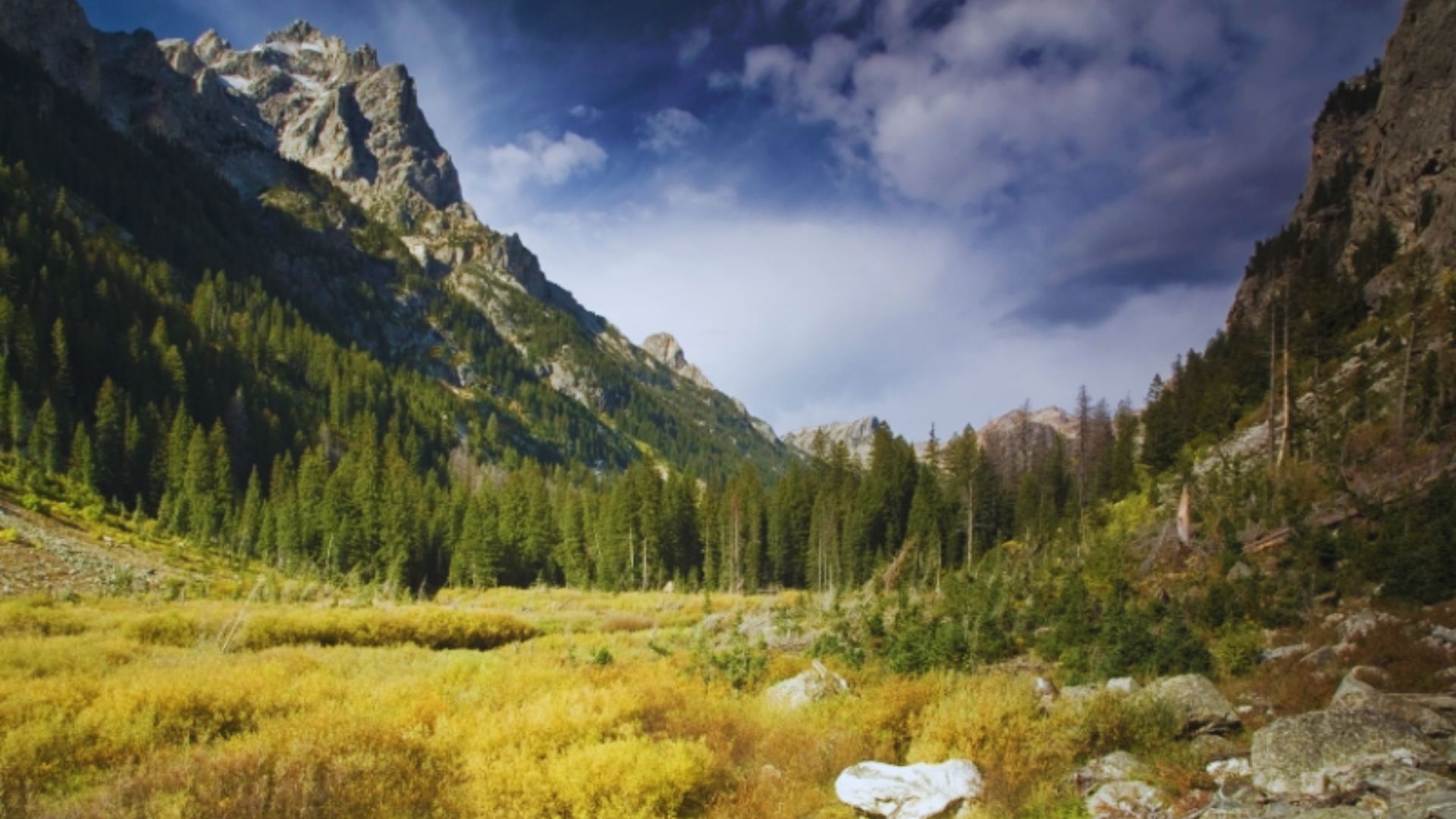
Distance: 9.1 miles round trip (from Jenny Lake boat dock)
Elevation Gain: 1,100 feet
Difficulty: Moderate
Cascade Canyon cuts between towering peaks. The trail stays relatively flat as it winds along the creek. You’ll pass through wildflower meadows in summer. I saw moose here twice. The further you go, the quieter it gets. Turn around at your own pace or push to Lake Solitude.
3. Paintbrush Canyon to Holly Lake

Distance: 13 miles round trip
Elevation Gain: 3,600 feet
Difficulty: Hard
This hike takes you deep into the backcountry. The canyon narrows as you climb, with waterfalls spilling down granite walls. Holly Lake sits in a rocky bowl with views straight up to the peaks. Snow lingers here through July. I found this trail less crowded than Delta Lake.
4. Taggart Lake Trail
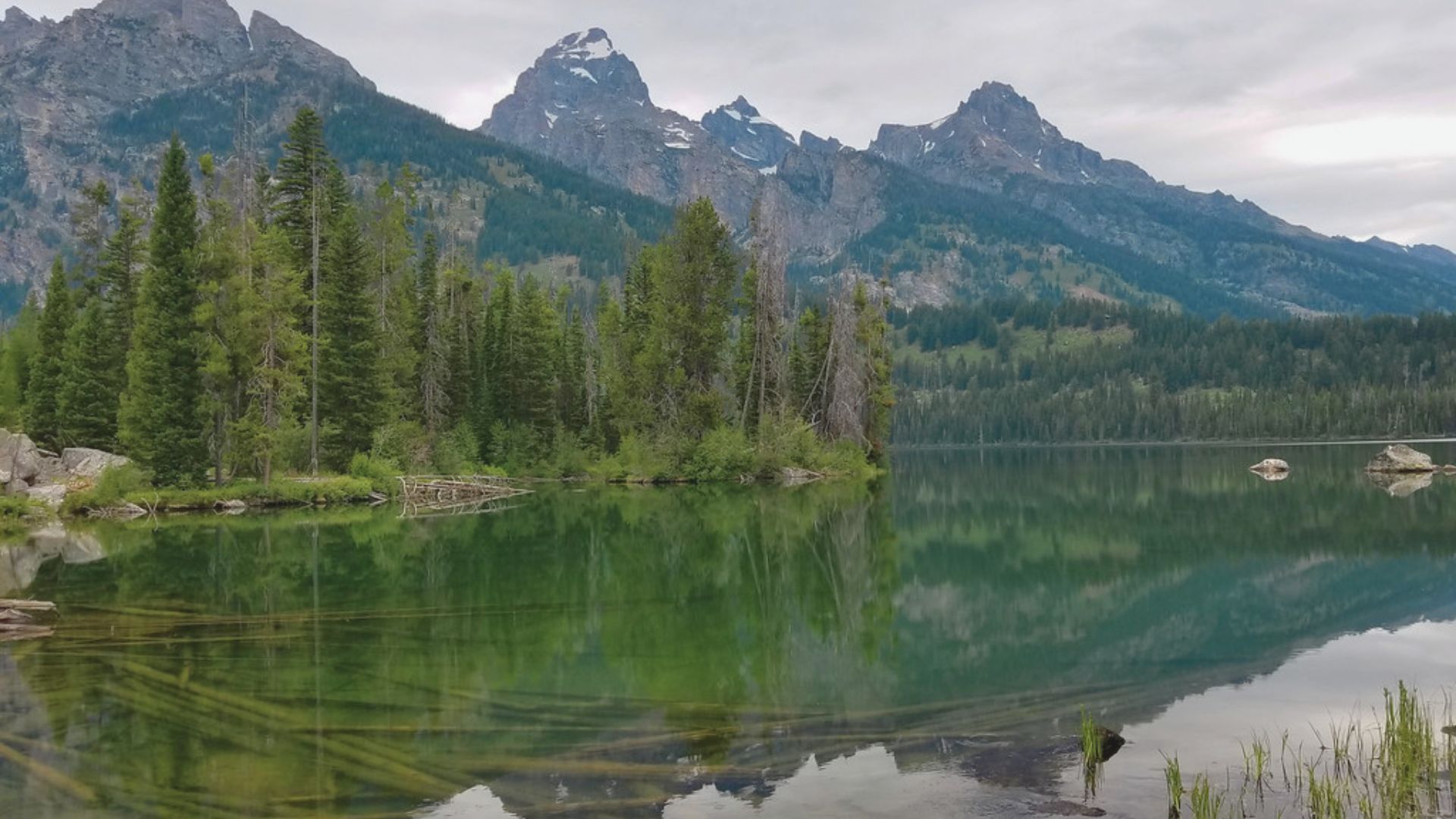
Distance: 3.2 miles round trip
Elevation Gain: 360 feet
Difficulty: Easy
A perfect first hike in the park. The trail is wide and gentle, winding through sagebrush and aspen groves. Taggart Lake reflects the Tetons on calm mornings. You can walk the loop in under 2 hours. My kids handled this easily. Great for sunset too.
5. Bradley Lake Trail
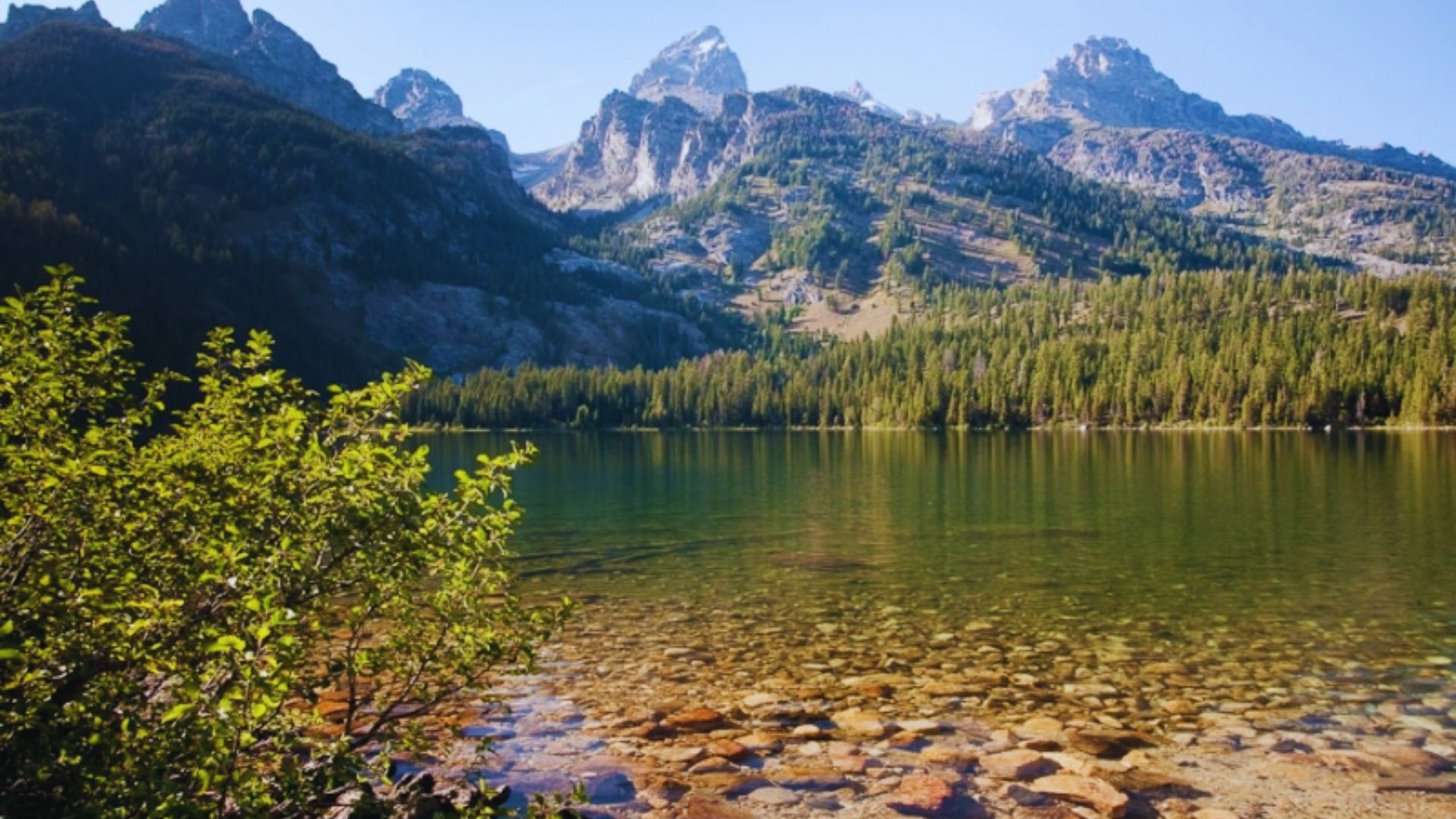
Distance: 6 miles round trip
Elevation Gain: 640 feet
Difficulty: Easy to Moderate
Bradley Lake sits just past Taggart. The trail continues through forest with glimpses of the peaks. The lake is bigger and quieter than Taggart. I liked this one better for swimming. Combine both lakes for a longer day hike.
6. Jenny Lake Loop
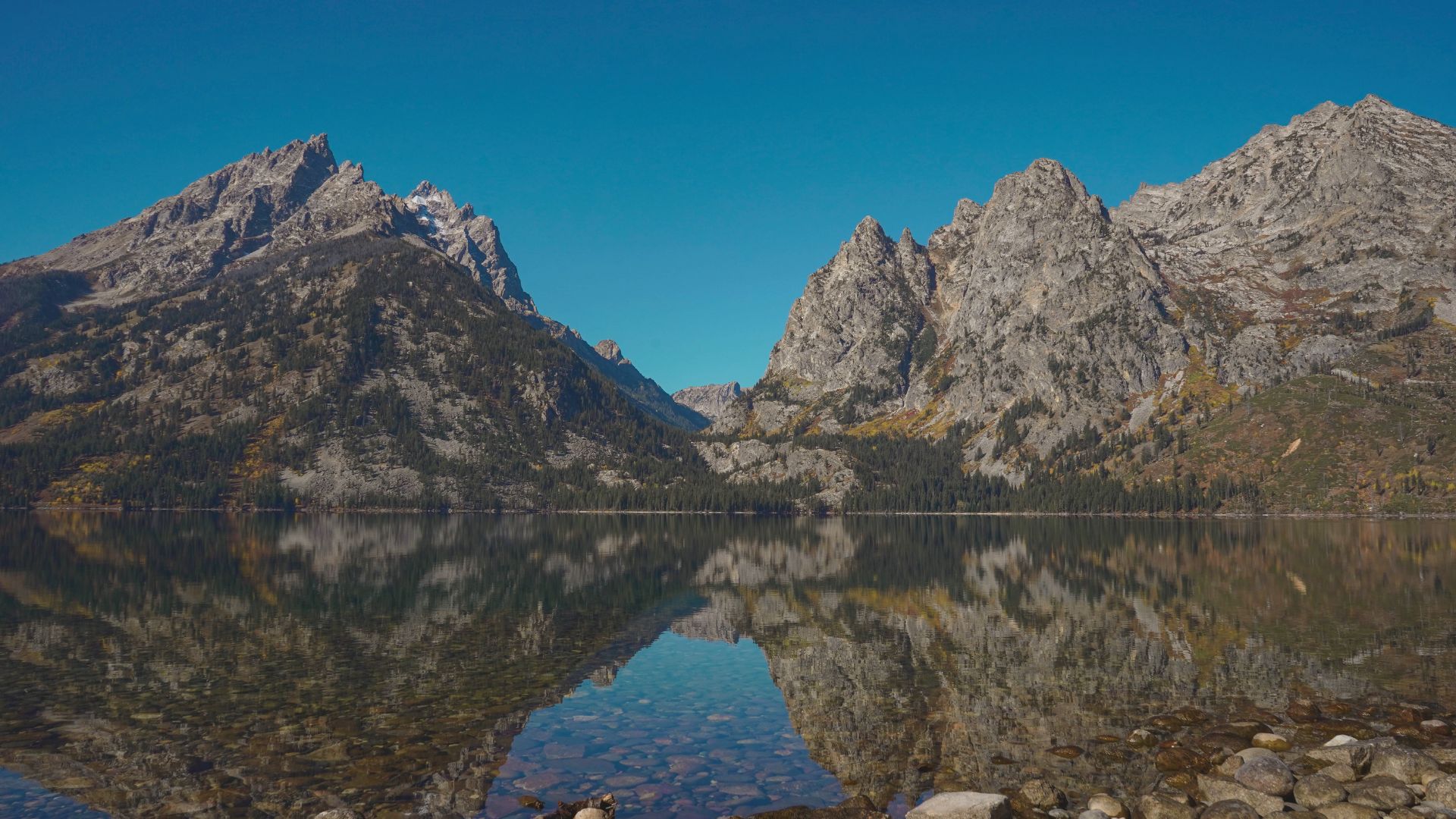
Distance: 7.1 miles round trip
Elevation Gain: 400 feet
Difficulty: Easy
This popular loop circles the entire lake. You can walk it clockwise or counterclockwise. The west side hugs the base of the mountains. The east side gives you open views across the water. Take the boat shuttle one way to cut the distance in half.
7. Inspiration Point Trail
Distance: 2 miles round trip (from boat dock)
Elevation Gain: 420 feet
Difficulty: Moderate
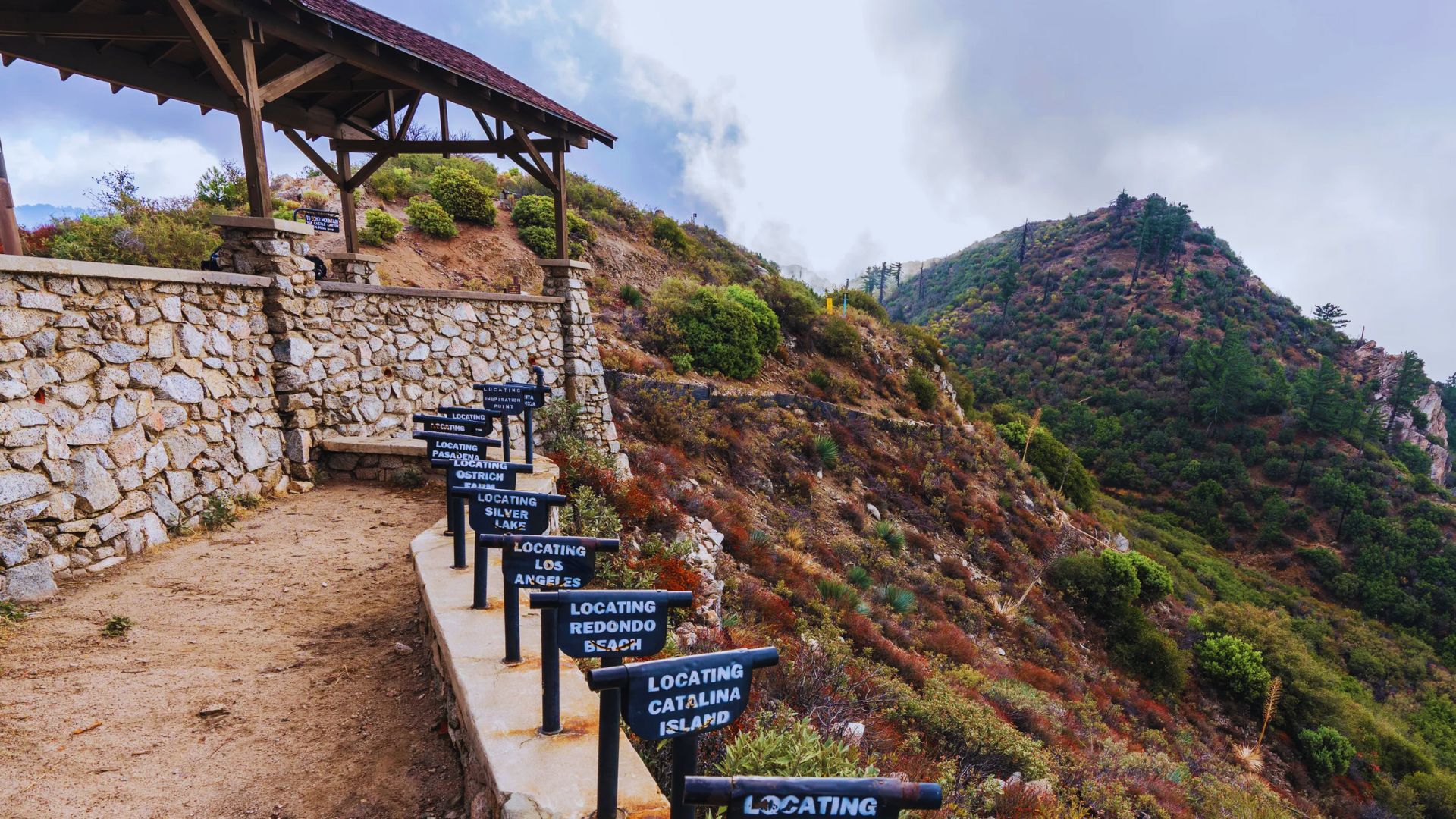
Short but steep, this trail climbs quickly above Jenny Lake. The viewpoint overlooks the lake, valley, and mountains all at once. It’s packed in summer. Go early or take the first boat. The views justify the crowds. Combine it with Hidden Falls for a longer hike.
8. Lake Solitude Trail
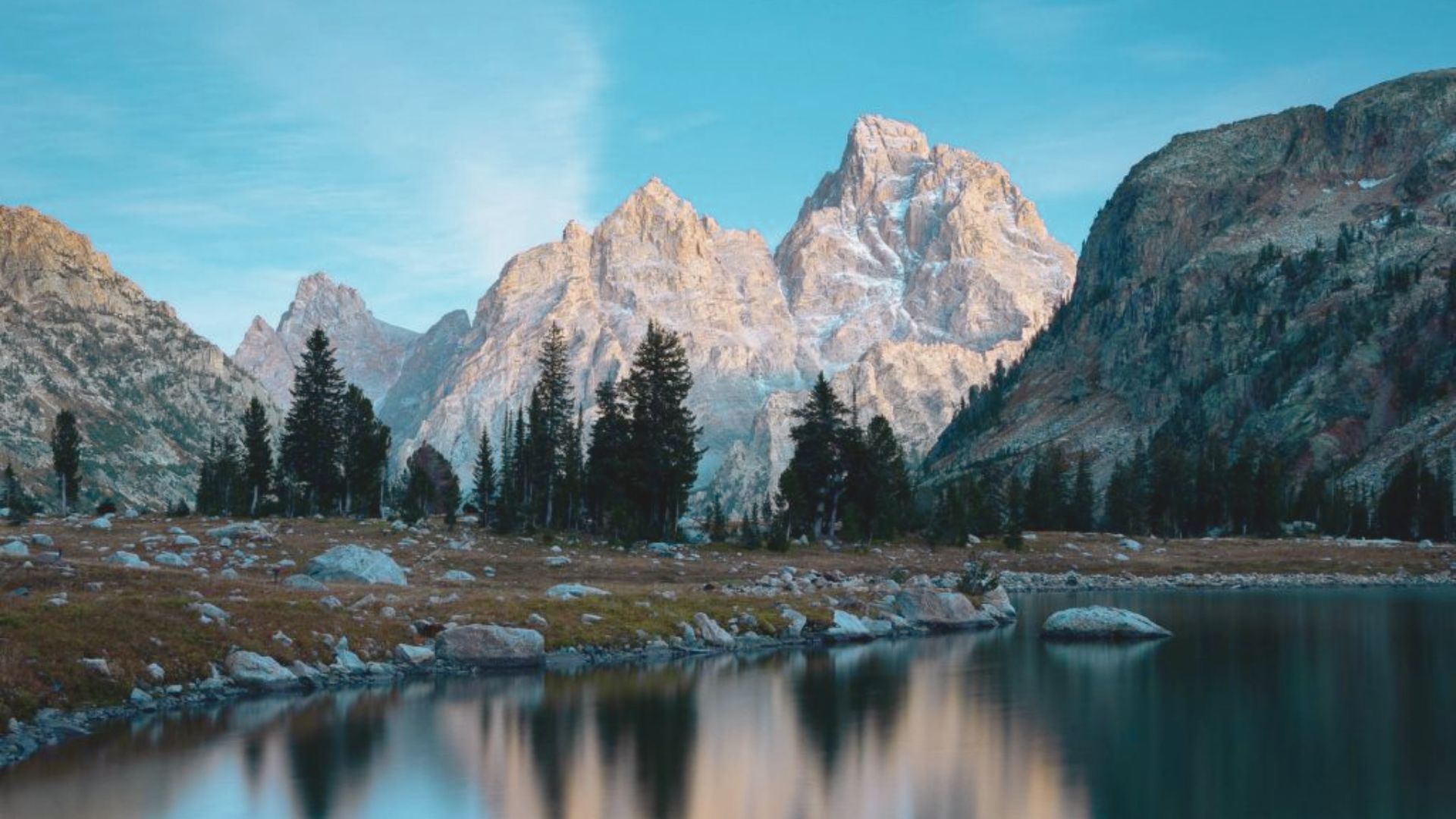
Distance: 14.6 miles round trip (from Jenny Lake boat dock)
Elevation Gain: 2,280 feet
Difficulty: Hard
This long trail extends deep into Cascade Canyon. The climb gets steeper after the canyon forks. Lake Solitude sits in a high basin surrounded by cliffs. It’s quieter and more remote than most Grand Teton hikes. Pack lunch and plenty of snacks. Start before dawn.
9. Amphitheater Lake Trail
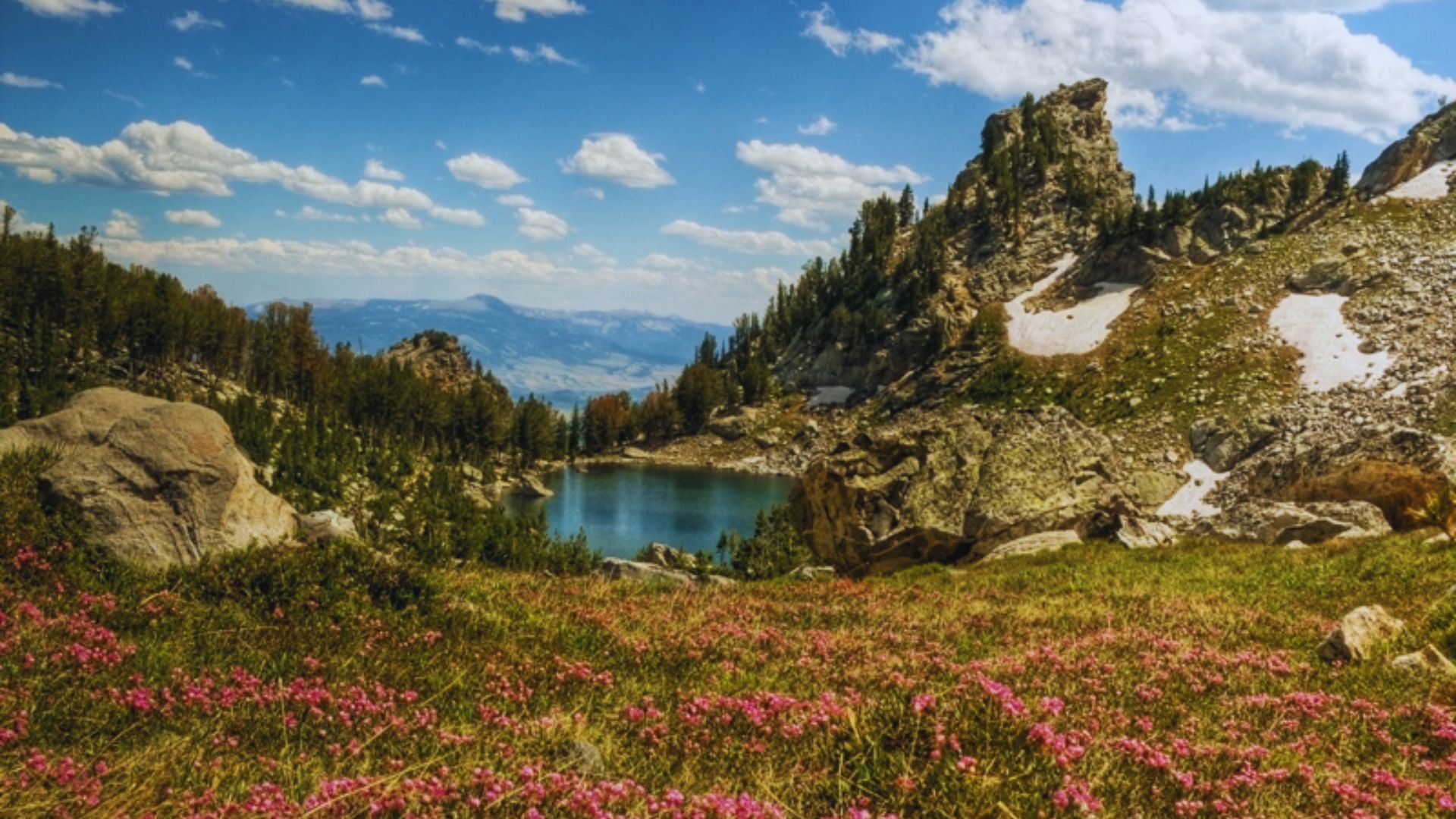
Distance: 9.6 miles round trip
Elevation Gain: 3,000 feet
Difficulty: Hard
This trail punches straight up the mountain. Switchbacks seem endless. But the alpine lake at the top makes it worthwhile. The views down into the valley are incredible. I saw marmots and pikas near the lake. Snow can linger into late summer.
10. String Lake Loop
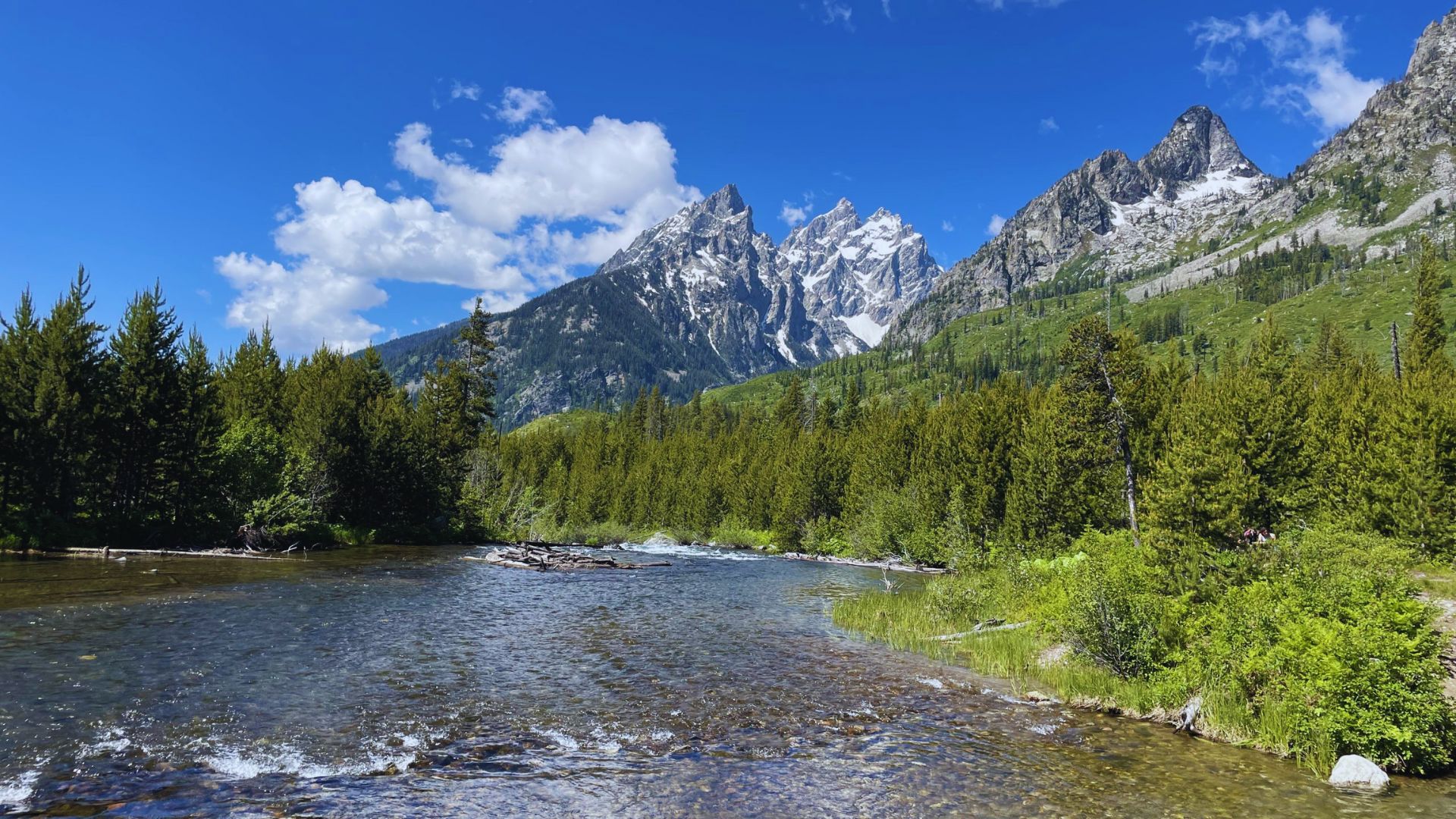
Distance: 3.7 miles round trip
Elevation Gain: 100 feet
Difficulty: Easy
A flat, family-friendly loop around String Lake. The water is shallow and warmer than other lakes, good for wading. The trail stays in the trees with occasional openings to the mountains. Bring a picnic. This is one of my go-to easy hikes.
11. Leigh Lake Trail
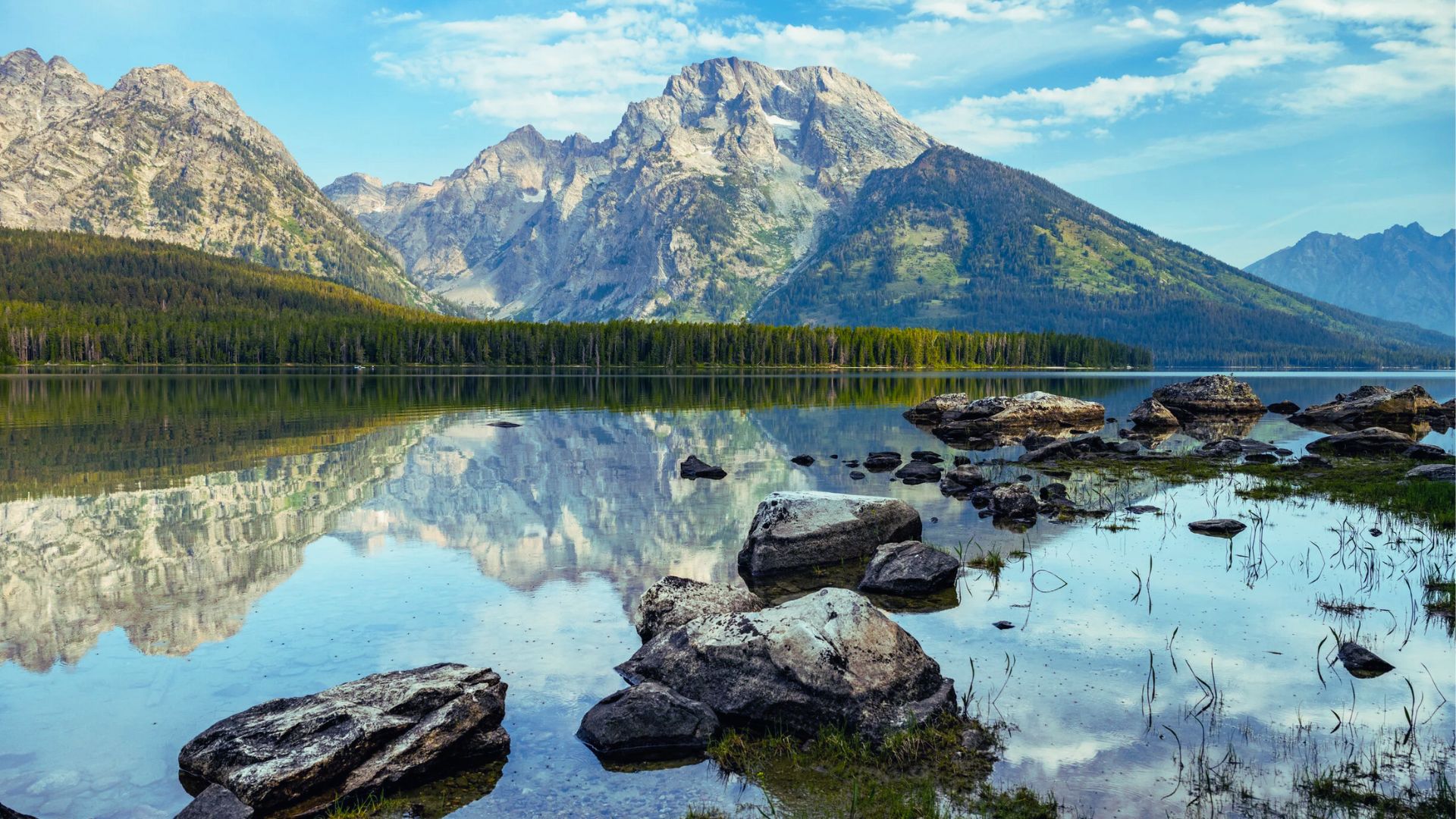
Distance: 7.4 miles round trip
Elevation Gain: 200 feet
Difficulty: Easy to Moderate
The trail follows the north shore of String Lake before reaching Leigh Lake. It’s flat and shaded. Leigh Lake is larger and wilder. You can hike to several beaches along the shore. I saw a moose swimming here. Keep walking as far as you want.
12. Hidden Falls Trail
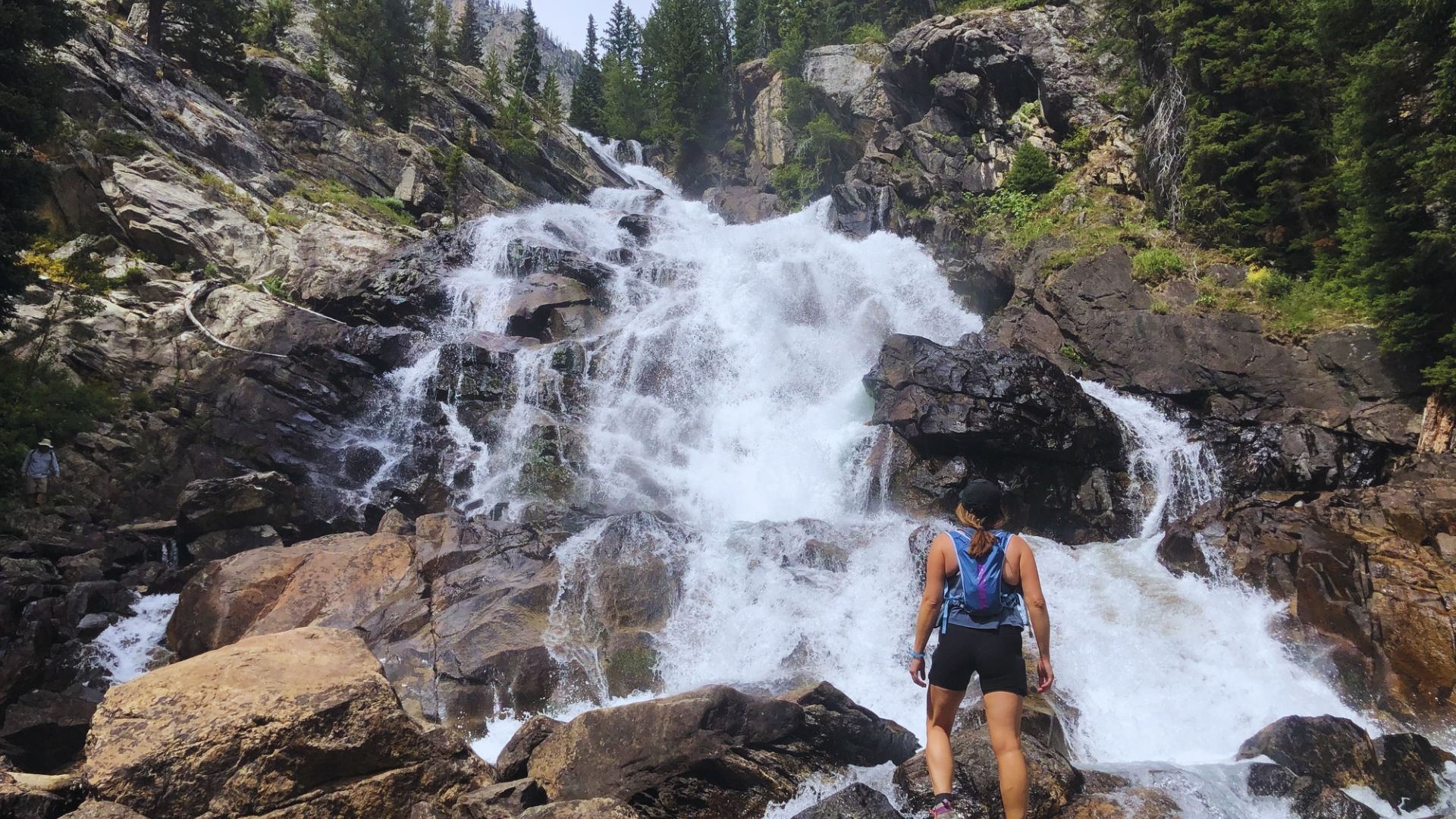
Distance: 1.2 miles round trip (from boat dock)
Elevation Gain: 200 feet
Difficulty: Easy
The shortest hike to a big payoff. Hidden Falls crashes down a rocky cliff into Cascade Creek. The spray feels good on hot days. This trail connects to Inspiration Point if you want more. It’s crowded but quick. Even young kids can do this.
13. Phelps Lake Trail
Distance: 4.6 miles round trip
Elevation Gain: 730 feet
Difficulty: Easy to Moderate
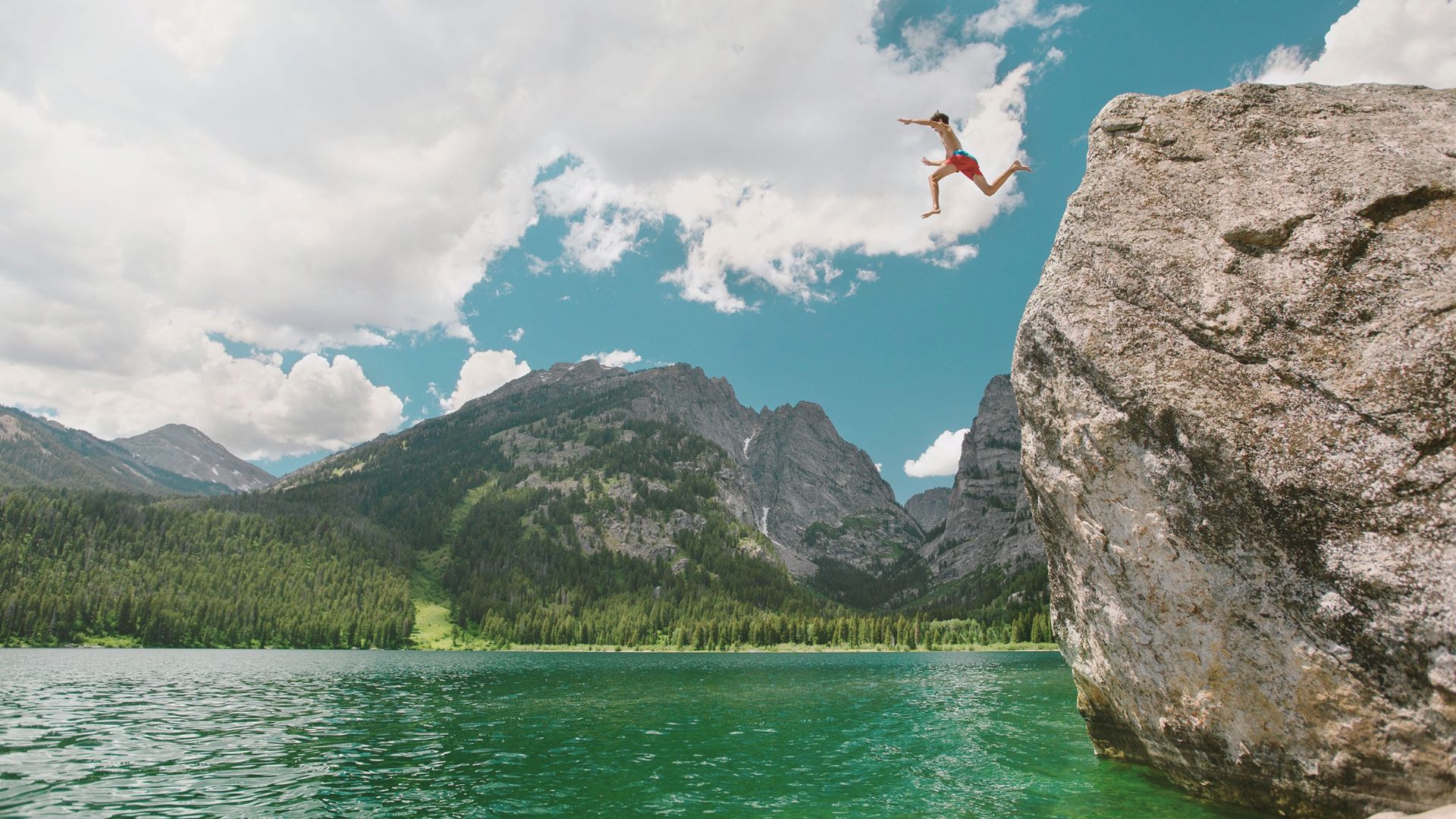
This lake sits south of the main park area. The trail drops down through forest to the lakeshore. There’s a jumping rock that’s popular with locals. The water is cold but clear. I prefer this trail in fall when the aspens turn gold.
14. Moose Ponds Trail
Distance: 3.1 miles round trip
Elevation Gain: 100 feet
Difficulty: Easy
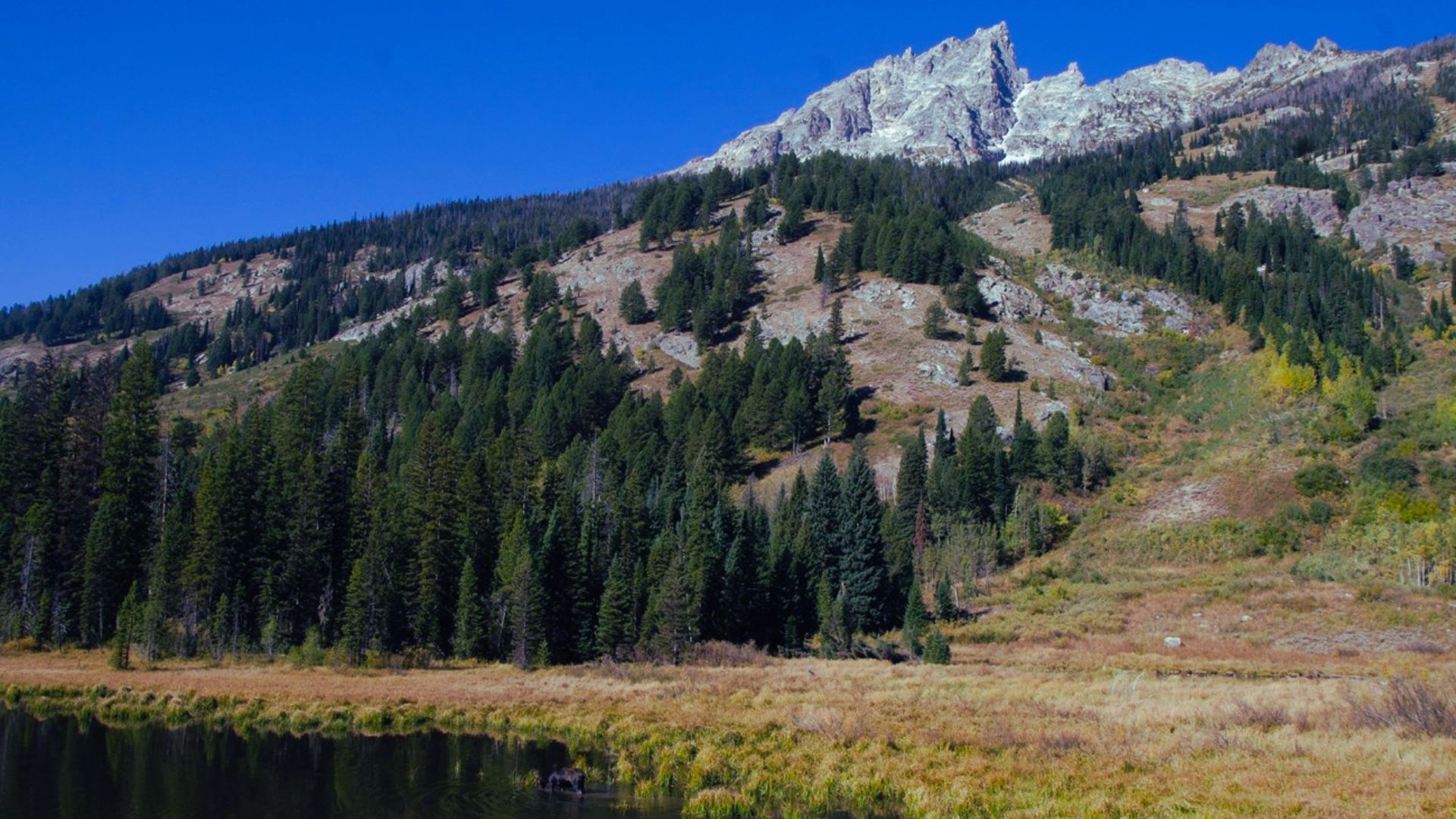
A flat boardwalk and dirt trail through wetlands. Moose hang out here, especially at dawn and dusk. Bring binoculars. The trail loops through sagebrush and willows. It’s quiet and away from the main crowds. Good for bird watching too.
15. Hermitage Point Trail
Distance: 9.3 miles round trip
Elevation Gain: 100 feet
Difficulty: Easy to Moderate
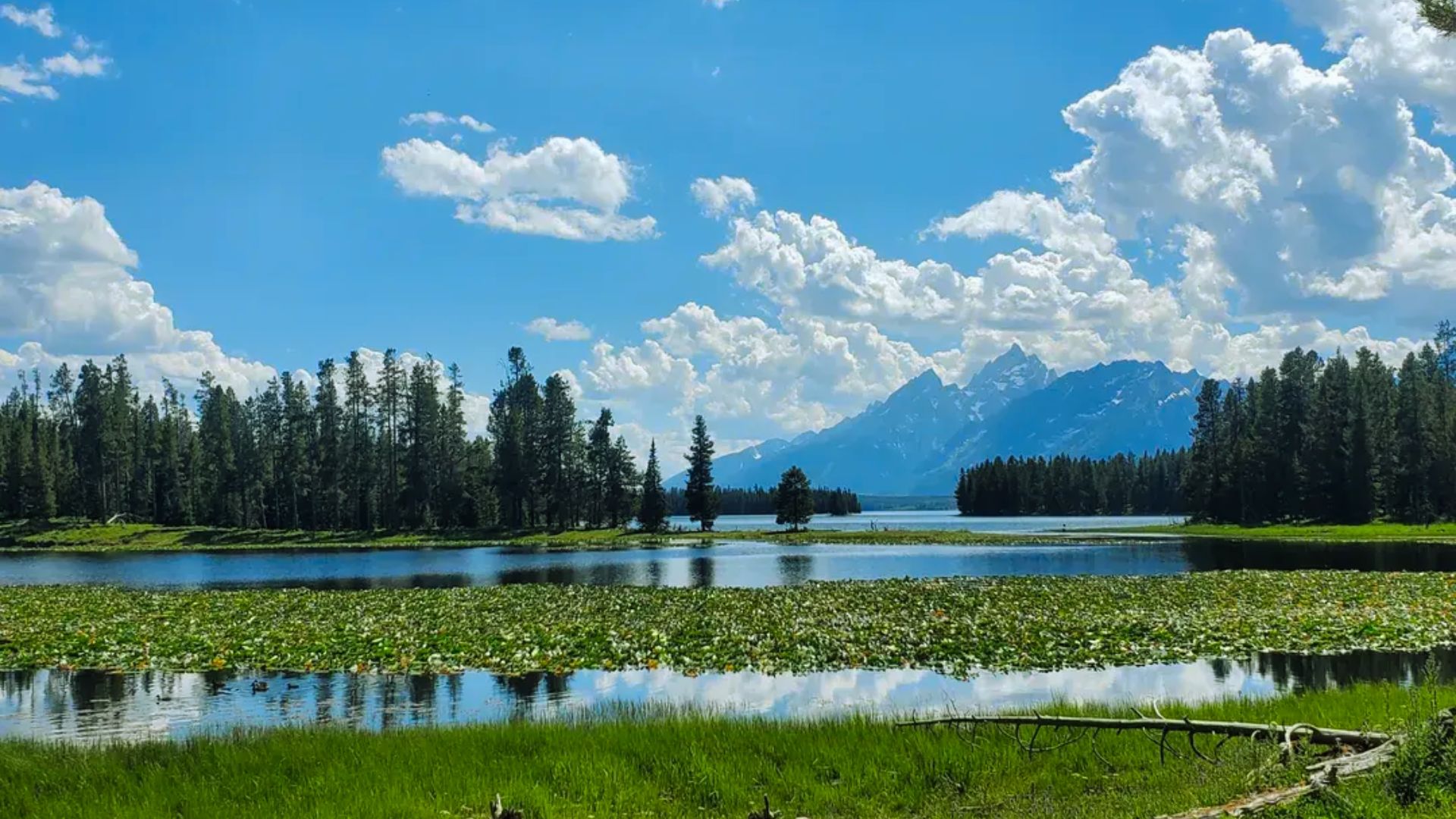
This loop winds through forests and meadows along Jackson Lake. You might see elk, moose, or bears. The trail is flat but long. Hermitage Point juts into the lake with views across the water. I saw three moose on this hike. Bring bug spray.
16. Death Canyon Trail
Distance: 7.6 miles round trip
Elevation Gain: 1,800 feet
Difficulty: Moderate to Hard
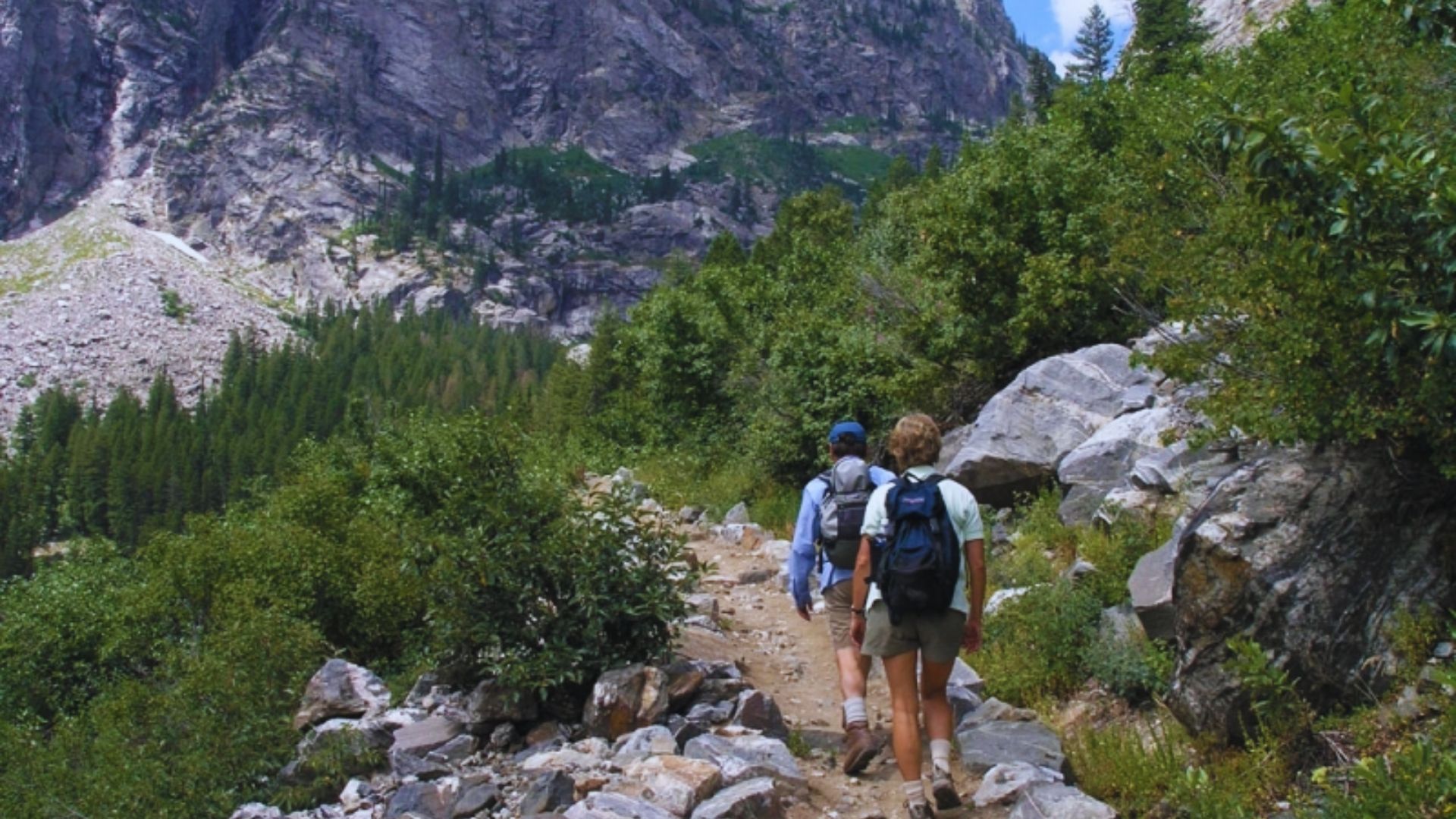
The trail climbs steadily into a narrow canyon. Cliffs rise on both sides. Keep going as far as you want, or push to the patrol cabin. I turned around after 5 miles. The canyon gets quieter the deeper you go. Watch for rockfall.
17. Death Canyon Shelf
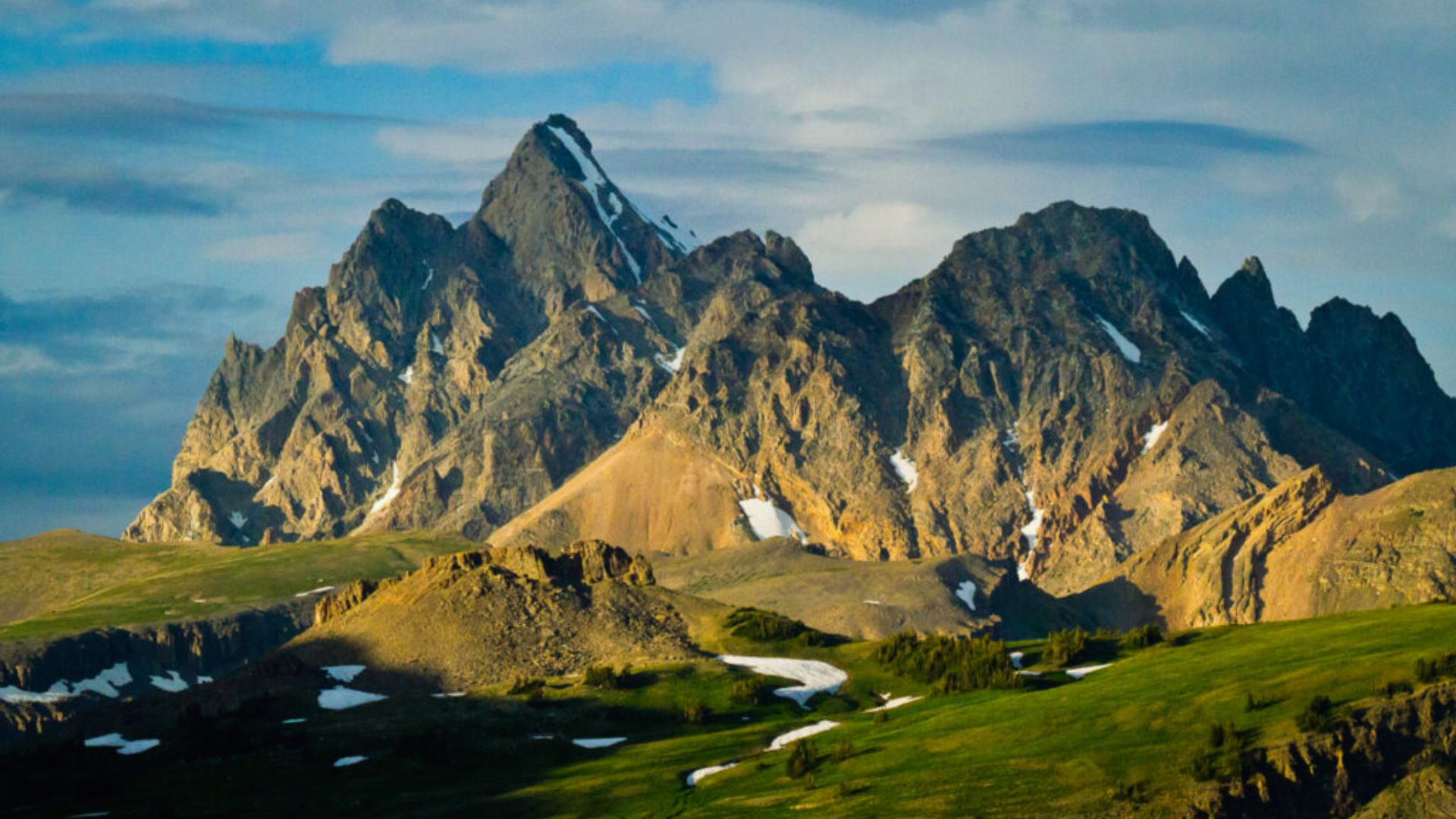
Distance: 15 miles round trip
Elevation Gain: 4,200 feet
Difficulty: Hard
This extension of Death Canyon climbs to a high plateau. The shelf offers views into both Death Canyon and Alaska Basin. It’s long and demanding. Snow covers parts of the trail through July. I did this as a backpacking trip. Day hikers should start before dawn.
18. Lake of the Crags Trail
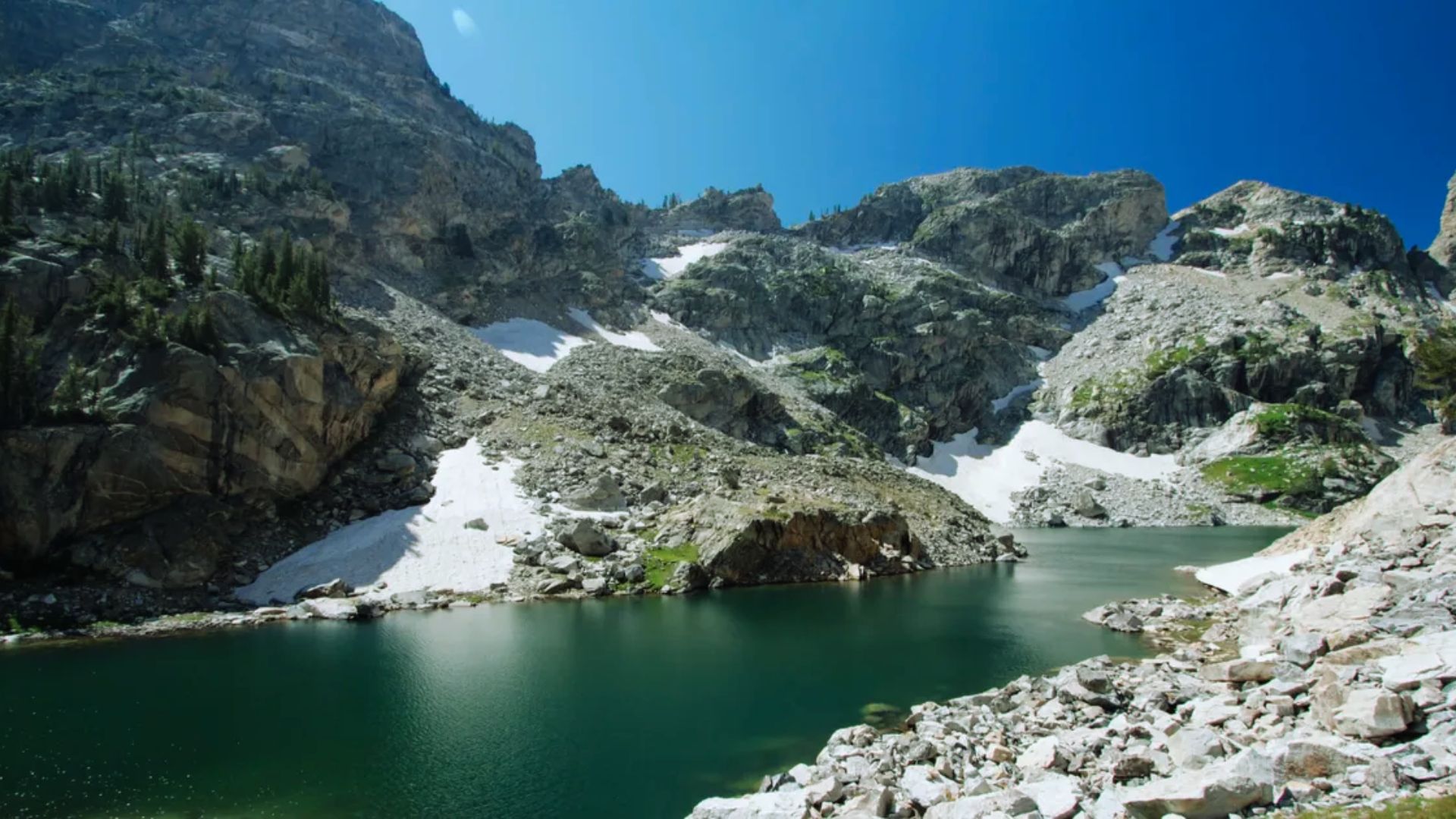
Distance: 16.4 miles round trip
Elevation Gain: 3,400 feet
Difficulty: Hard
A remote trail that follows Granite Canyon before climbing to an alpine lake. The lake sits in a rocky bowl beneath jagged peaks. Few people make it this far. The solitude is worth the miles. I camped overnight nearby. Day hiking requires a long, early start.
19. Static Peak Divide Trail
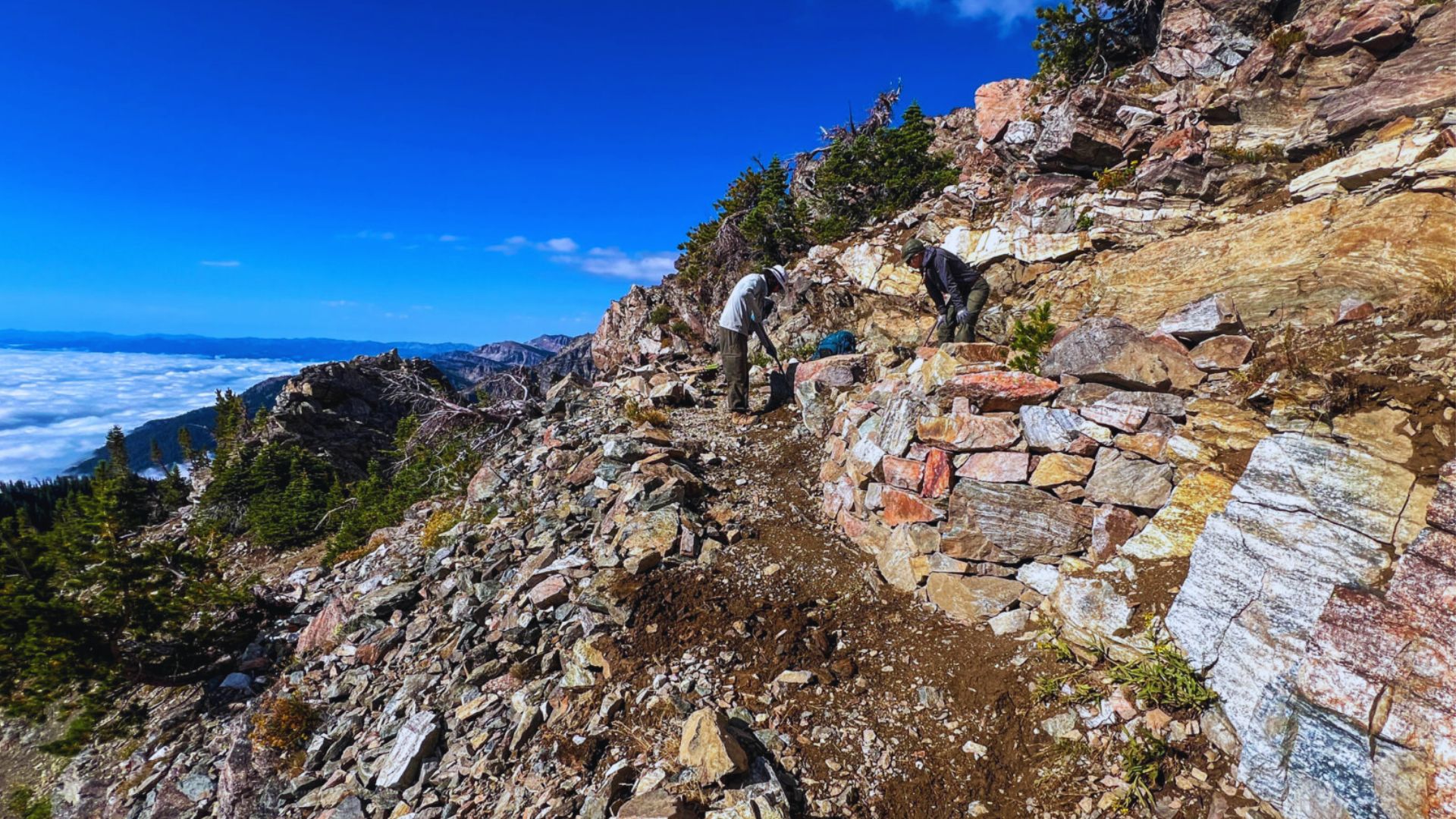
Distance: 16 miles round trip
Elevation Gain: 4,300 feet
Difficulty: Hard
This climb takes you to one of the highest points accessible by trail. The views stretch for miles in every direction. Expect snow, wind, and exposure. Only attempt this in good weather. I turned back due to afternoon storms. Check conditions before you go.
20. South Fork Cascade Canyon
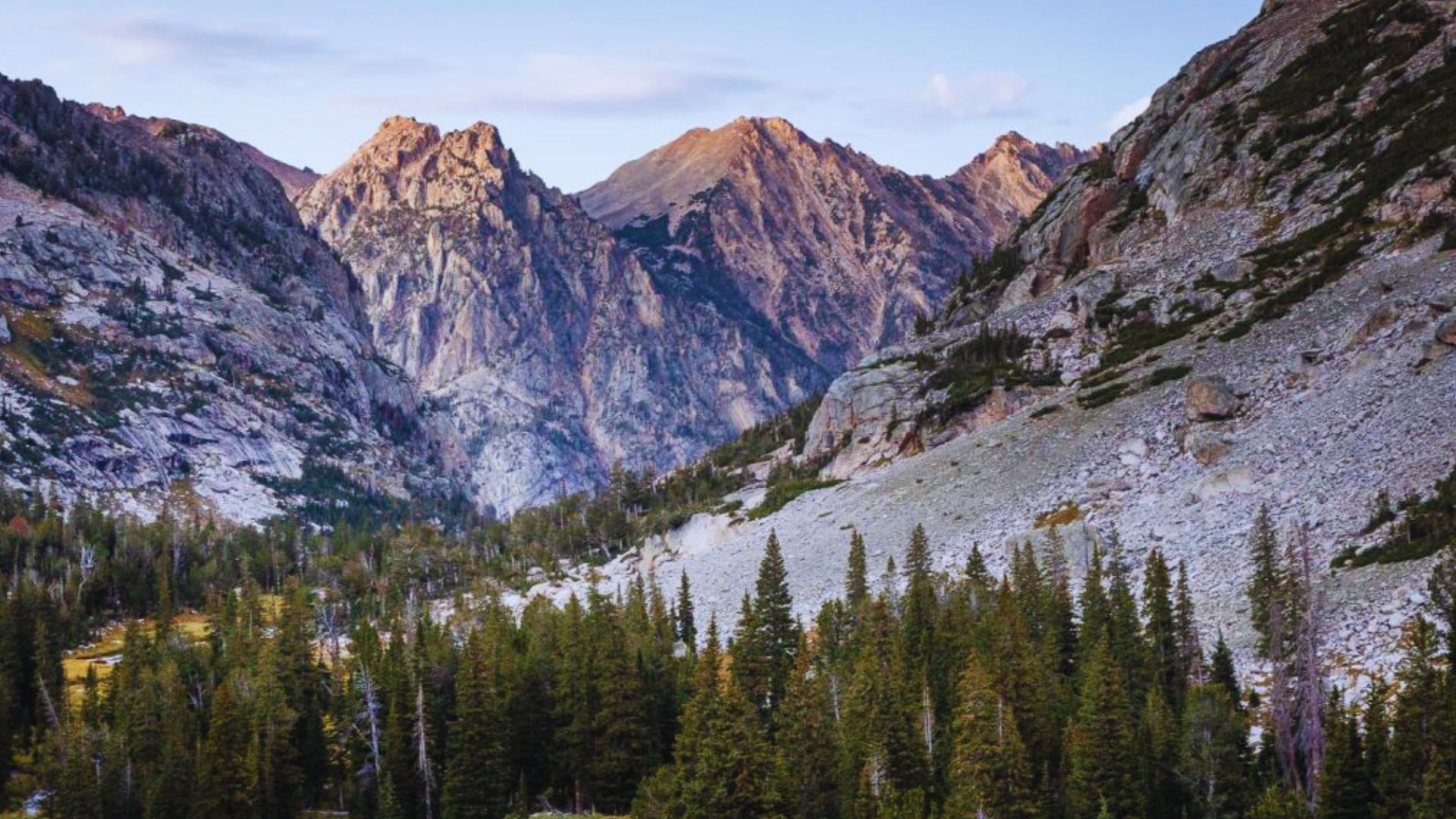
Distance: 19 miles round trip (from Jenny Lake boat dock)
Elevation Gain: 2,800 feet
Difficulty: Hard
This trail branches off Cascade Canyon and climbs into a remote valley. Fewer people come this way. The upper canyon opens into meadows surrounded by peaks. I saw bighorn sheep here. It’s a full day commitment. Bring headlamps in case you’re out past dark.
21. Teton Crest Trail (Day Hike Section)
Distance: Varies (8-12 miles depending on access)
Elevation Gain: 2,000-3,000 feet
Difficulty: Hard
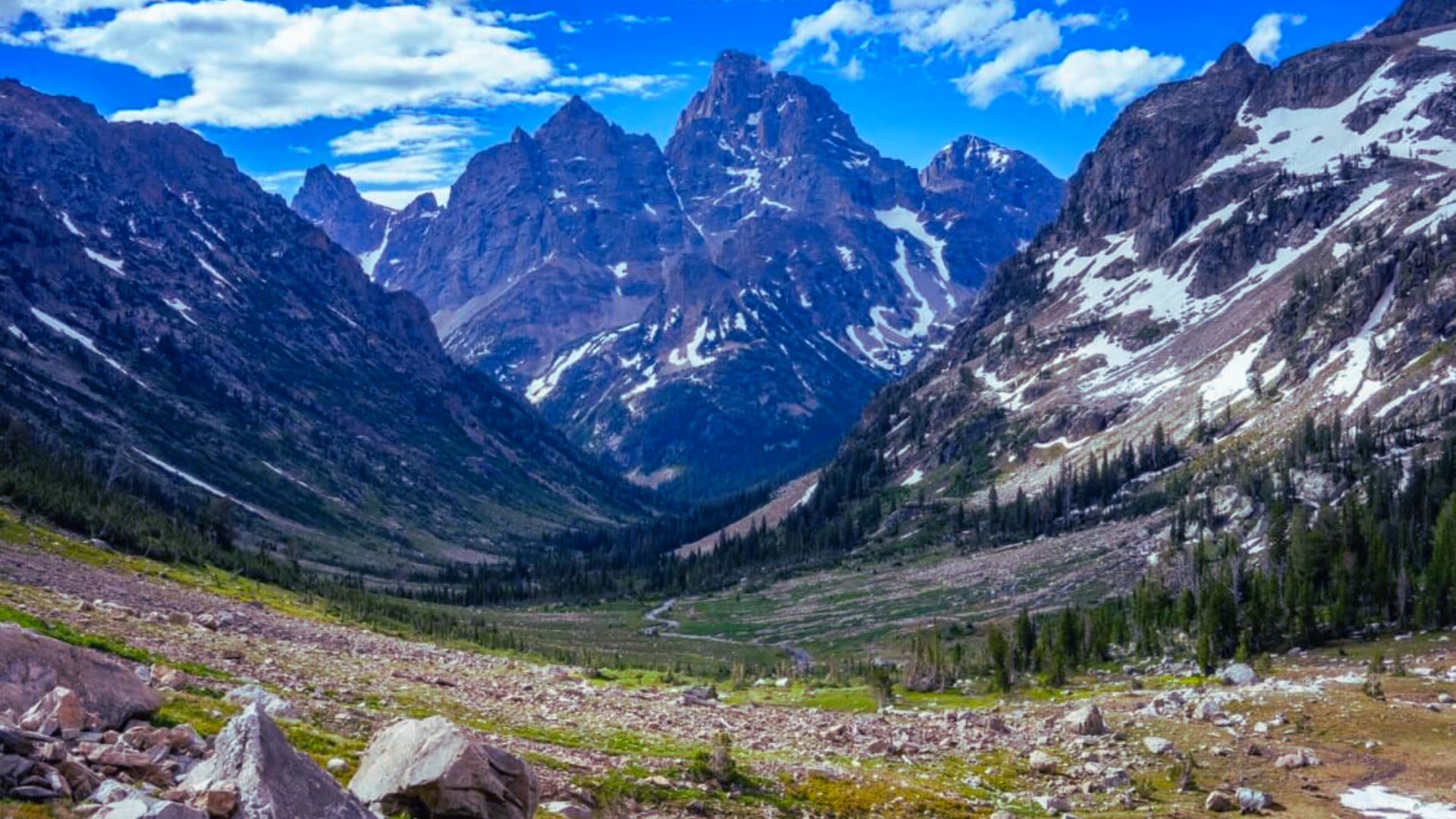
The full Teton Crest Trail is a multi-day backpacking route. You can day hike sections from trailheads like Death Canyon or Granite Canyon. The trail stays high with constant mountain views. Snow lingers late. Marion Lake is a good turnaround point. Check trail conditions first.
Best Time of Year to Hike in Grand Teton National Park
Timing your trip right makes a big difference for trail conditions, crowds, and weather.
July and August offer the most accessible trails with snow clearing by mid-July. Temperatures reach 70-80°F in the valley. Start hikes early to avoid afternoon thunderstorms and parking lot crowds. Mosquitoes peak in July, and wildflowers bloom through August.
September and early October bring smaller crowds, cool weather, and golden aspens. Morning temperatures drop to freezing. I prefer fall hiking for better light and active wildlife. Trails above 9,000 feet can see early snow.
Late May through June means snow on high trails. Lower elevation hikes open first, while trails above 8,000 feet hold snow into July. Check conditions before hiking. Teton Park Road closes in early November.
Needed Tips for Hiking Grand Teton Best Hikes
Being prepared helps you stay safe and enjoy your time on the trails.
- Carry bear spray and keep it accessible, not buried in your pack
- Bring 2-3 liters of water, snacks, sunscreen, rain jacket, and extra layers
- Arrive before 7 AM at popular trailheads to secure parking spots
- No permits needed for day hikes, just a $35 park entrance pass
- Check weather forecasts and start early to avoid afternoon thunderstorms
Conclusion
Grand Teton best hikes offer something for everyone, whether you want a quick lakeside walk or a full day climbing to alpine lakes. I’ve tested these trails with my family and solo, in summer heat and fall cold.
Start with easier routes to get your legs under you, then work up to the big climbs. The mountains will be here waiting. Now get out there and pick your first trail.
Which hike are you most excited to try? Drop a comment below and let me know where you’re headed.
Frequently Asked Questions
What is the best hike in Grand Teton for beginners?
Taggart Lake Trail is perfect for first-timers. It’s only 3.2 miles with minimal elevation gain and offers great mountain views without steep climbs.
When is the best time to hike in Grand Teton National Park?
Late July through September offers the best conditions with snow-free trails and stable weather. September is ideal for fewer crowds and cooler temperatures.
Do I need a permit to hike in Grand Teton?
No permit is needed for day hikes, just a park entrance pass ($35 per vehicle). Overnight backpacking trips require backcountry permits you can reserve ahead.
Are there bears on Grand Teton hiking trails?
Yes, both black bears and grizzly bears live in the park. Carry bear spray on every hike and make noise in areas with limited visibility.
How crowded do Grand Teton trails get in summer?
Popular trails like Jenny Lake and Delta Lake get very crowded with parking lots filling by 8 AM. Arrive early or choose less popular trails for more solitude.
