


Many travelers wonder if Turkey is truly safe to visit, and it is completely understandable to feel unsure. News stories can create doubt, and you naturally want clear information before planning a trip.
The truth is that millions of people visit Turkey every year and have an amazing time. Travelers often talk about how welcoming the locals are, how affordable everything feels, and how stunning the scenery is, from Cappadocia’s special landscapes to the turquoise Mediterranean coast. Most visitors describe feeling comfortable and well looked after throughout their stay.
This guide gives you honest insight into safety, the best places to explore, and practical tips based on real travel experiences.
No pressure and no sugarcoating. Just simple information to help you decide if Turkey fits your travel plans. You may find that it becomes one of your favorite destinations.
What Makes Turkey a Great Place to Visit?
Turkey delivers experiences you won’t find anywhere else. The country combines stunning nature, ancient history, delicious food, and genuine warmth from locals.
- Diverse landscapes: Turkey spans over 300,000 square miles with snow-capped mountains, turquoise coastlines, endless salt flats, and Cappadocia’s famous fairy chimneys. The scenery transforms every few hours as you travel.
- Thousands of years of history: Walk through remarkably well-preserved ancient cities like Ephesus, Troy, and Hierapolis. The Hagia Sophia has stood since 537 AD. Ruins from Assyrians, Hittites, Persians, Greeks, Romans, Byzantines, and Ottomans dot the landscape.
- East meets West culture: Istanbul straddles two continents, creating a fascinating blend of traditions. Modern cafes sit beside traditional tea houses, Byzantine architecture mixes with Ottoman designs, and the culture is less conservative than many expect.
- Incredible food beyond kebabs: Try gözleme, manti dumplings, pide, stuffed eggplant, baklava, and fresh seafood. Turkish tea and coffee culture runs deep, with locals drinking 5+ cups of tea daily as a way to show hospitality.
- Genuinely warm hospitality: Turkish locals go out of their way to help visitors. Shop owners offer tea while you browse, hotel staff treat you like family, and you’ll be invited for tea multiple times per day. The warmth feels authentic, not rehearsed.
- Great value for money: Spend 40 to 60 percent less than in Western Europe. Expect $5 meals at local restaurants, 30-cent metro rides, and $20 to $60 hotels. Your budget stretches much further for more experiences.
- Safe with common sense: Turkey has the same Level 2 travel rating as Italy and France. Stick to tourist areas like Istanbul, the Aegean coast, Cappadocia, and the Mediterranean. Use standard precautions like you would in any major European city.
Top Places That Prove Turkey Is Worth Visiting
Turkey’s destinations range from otherworldly landscapes to ancient ruins to stunning beaches. Each region offers completely different experiences.
I’m going to show you the must-visit places that make Turkey unforgettable and why travelers return home raving about them.
Cappadocia
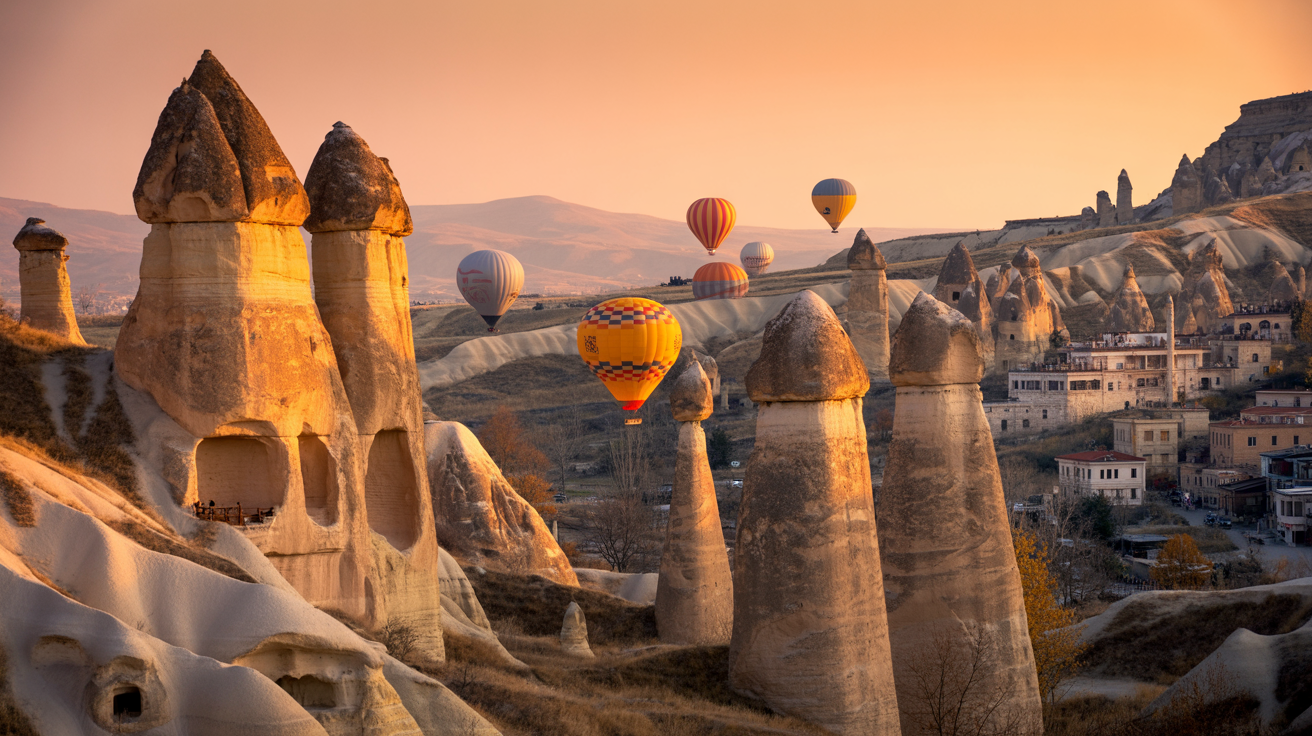
Cappadocia looks like something from a fantasy movie. The landscape is surreal, with towering rock formations and hidden underground cities. This region in central Turkey is unlike anywhere else on Earth.
The main attraction is hot air ballooning at sunrise. Hundreds of balloons float over fairy chimneys as the sun lights up the valleys below. It’s one of the world’s most iconic travel experiences. The fairy chimneys are tall, cone-shaped rock formations carved by wind and water over millions of years. You can explore caves, hike through national parks, and visit an underground city in Nevsehir where ancient Christians hid from persecution.
Popular hikes include Göreme National Park and Pigeon Valley, where trails wind through rock formations and past cave churches with Byzantine frescoes. Stay in Göreme’s famous cave hotels carved directly into the rock. Sleeping in a cave might sound rough, but these hotels offer modern luxury inside ancient stone.
Istanbul
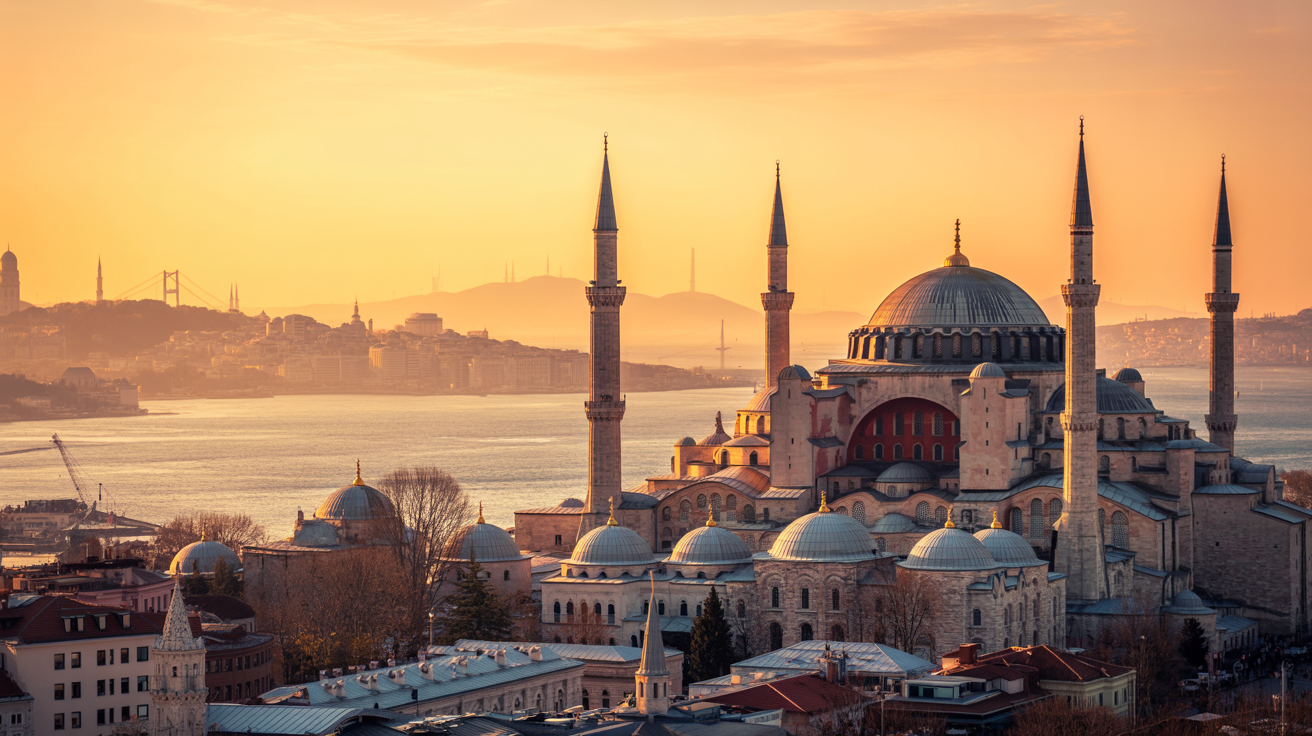
Istanbul is where East meets West in the most literal way possible. The city straddles two continents separated by the Bosphorus Strait. History, culture, food, and energy collide here in the best way.
Must-see landmarks include the Hagia Sophia, a massive former church and mosque built in 537 AD, and the Blue Mosque with its stunning tilework and six minarets. The Grand Bazaar is one of the world’s oldest covered markets with over 4,000 shops selling carpets, ceramics, jewelry, and spices. The Spice Market fills the air with the scent of Turkish tea, saffron, and dried fruits.
Take a Bosphorus ferry ride between the European and Asian sides. For less than a dollar, you get incredible views of palaces, mosques, and bridges. Sunset cruises are popular but cost more. The Basilica Cistern is an underground chamber with over 300 ancient columns reflected in shallow water. Whirling Dervish ceremonies showcase spiritual Sufi dancing that’s mesmerizing to watch.
The best neighborhoods to stay in are:
Karakoy: A trendy area with cafes, street art, and easy access to attractions
Beyoglu: Lively district with restaurants, bars, and Istiklal Avenue shopping street
Kadikoy: The Asian side with local markets, seafood restaurants, and fewer tourists
Istanbul requires at least three to four days to see the highlights.
Pamukkale
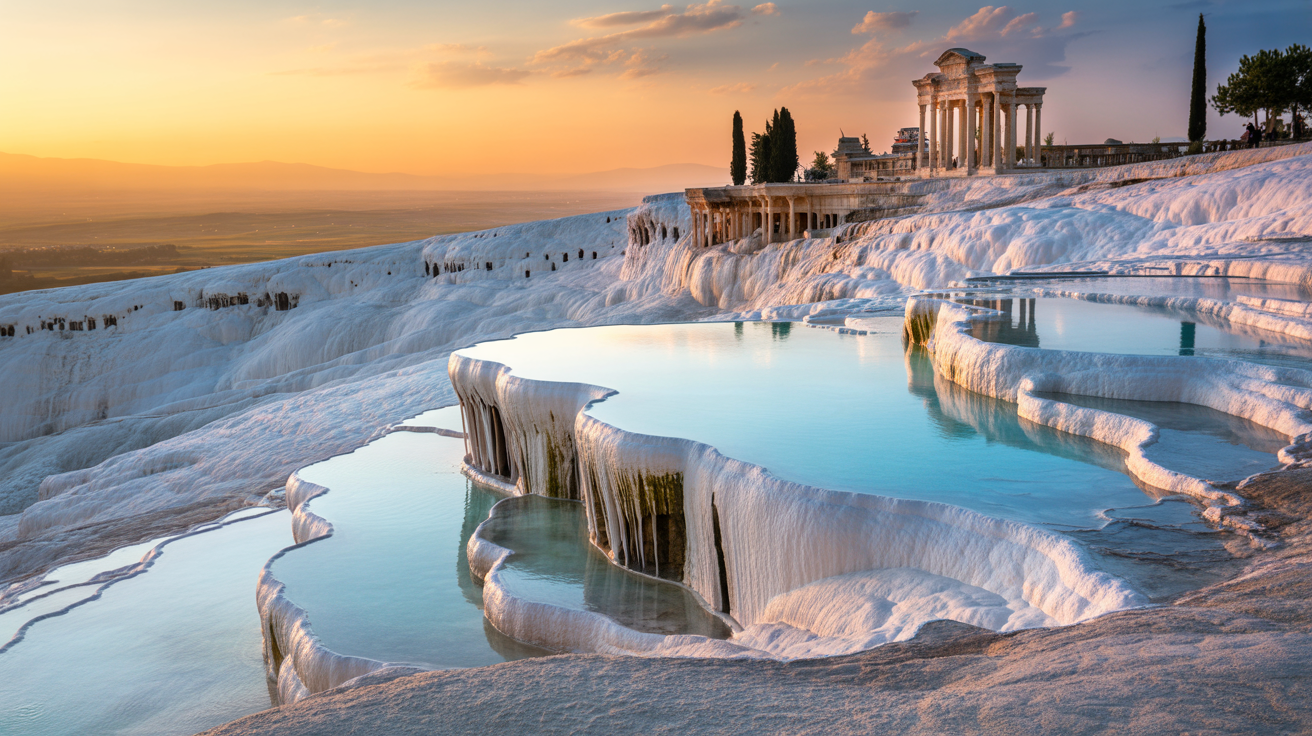
Pamukkale means “Cotton Castle” in Turkish. The name fits perfectly because white calcium terraces cascade down the hillside like frozen waterfalls. This UNESCO World Heritage site is one of Turkey’s most photographed locations.
The thermal pools form when mineral-rich hot springs flow over the cliff edge. Calcium deposits create brilliant white terraces filled with warm, turquoise water. You can walk barefoot through the pools. The water temperature stays around 95°F year-round. Go early morning or late afternoon to avoid crowds and get the best photos.
At the top sits ancient Hierapolis, a Roman spa city with a massive theatre, sprawling necropolis, and the Antique Pool. The pool lets you swim among submerged marble columns from a collapsed Roman temple. It costs extra but offers a unique experience. Pamukkale makes an easy day trip from nearby towns or deserves an overnight stay.
Turkish Riviera
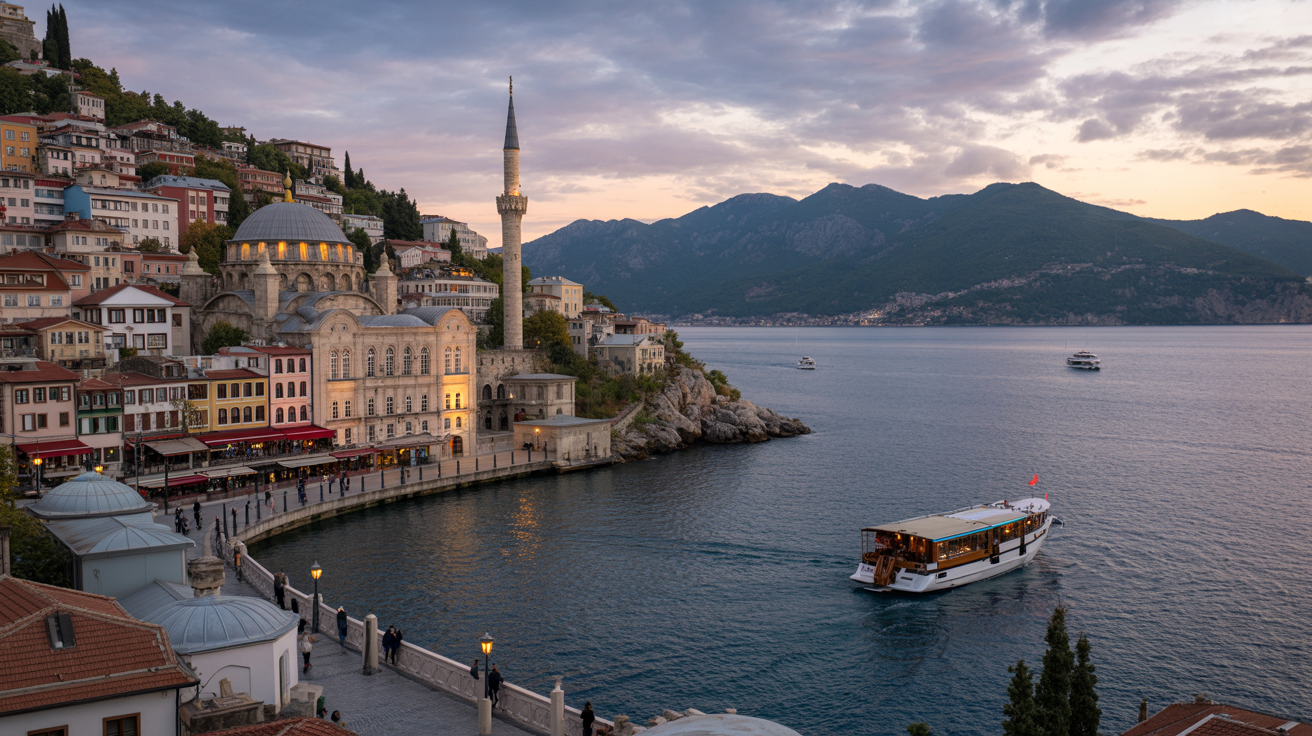
Turkey’s southern coast combines stunning beaches with ancient ruins. The Turkish Riviera offers turquoise water, dramatic cliffs, and charming coastal towns. This region is perfect for beach lovers and adventure seekers.
Oludeniz Blue Lagoon is one of Turkey’s most famous beaches. The protected bay has calm, crystal-clear water perfect for swimming. Oludeniz is also Turkey’s paragliding capital. You launch from Babadag Mountain and glide over the lagoon with incredible views. Boat tours explore hidden coves and beaches only accessible by water.
Fethiye features ancient Lycian rock tombs carved into cliffs above the harbor. The town has excellent beaches, a lively marina, and access to the 12 Islands boat tour. Bodrum mixes history with nightlife, home to the ruins of the Mausoleum of Halicarnassus (one of the ancient Seven Wonders) and modern beach clubs.
The Lycian Way is a 500-kilometer coastal hiking trail connecting ancient ruins, mountain villages, and secluded beaches. You don’t have to hike the whole thing. Day sections offer stunning views.
Popular road trip routes shared by travelers:
Istanbul → Cappadocia → Antalya → Kalkan → Fethiye → Bodrum → Izmir
This route covers diverse landscapes, historical sites, and coastal beauty. Budget two to three weeks to do it properly without rushing.
Historical Wonders
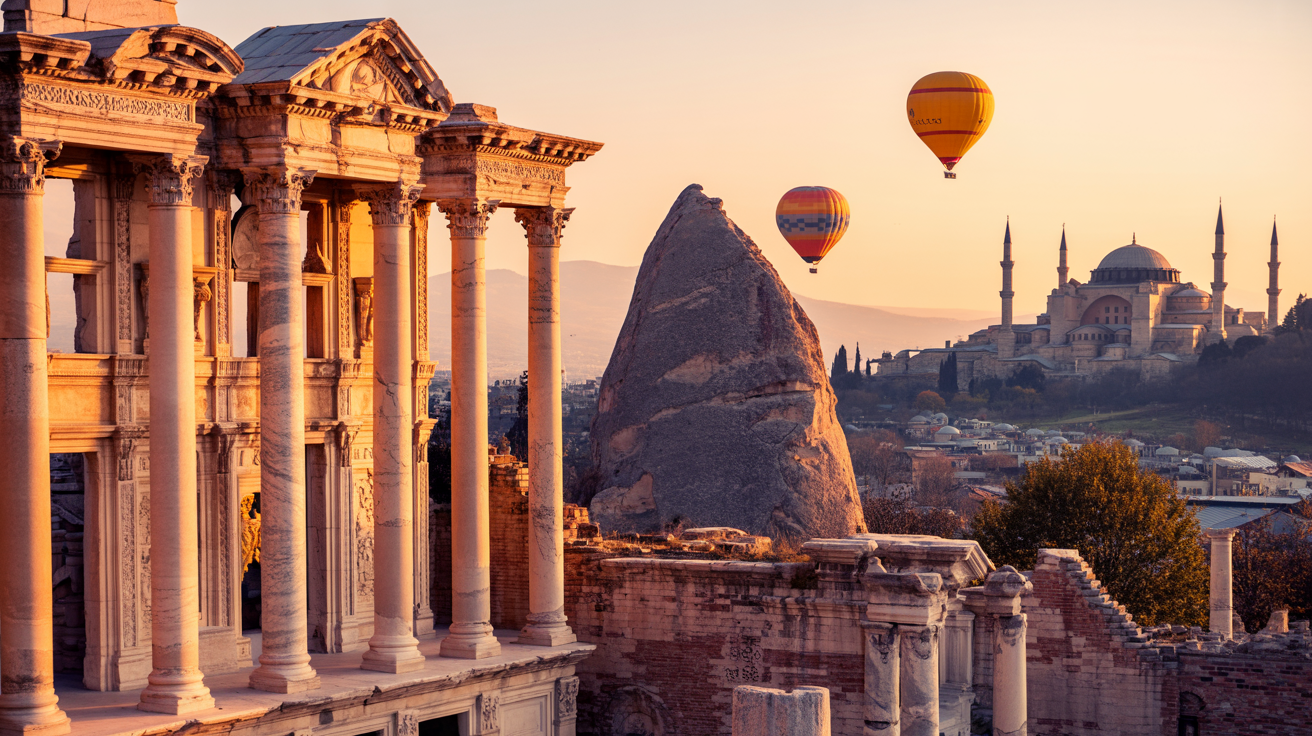
Turkey has more ancient ruins than you can visit in one trip. These historical sites bring thousands of years of civilization to life. Each location tells a different chapter of Turkey’s rich past.
Ephesus is Turkey’s best-preserved ancient city. Walk marble streets that the Romans walked 2,000 years ago. See the massive amphitheater that held 25,000 people, the elaborate public baths, and the Library of Celsus with its impressive columned facade. Ephesus feels alive despite being ruins. You can easily imagine daily life in Roman times.
Mount Nemrut sits in southeastern Turkey at 7,000 feet. Giant stone heads of ancient gods and kings topple around the summit. Sunrise hikes reward you with otherworldly views as light hits the statues. It’s remote and requires effort to reach, but travelers say it’s worth it.
The Princess Islands sit in the Sea of Marmara near Istanbul. No cars are allowed on these islands. Transportation is by horse-drawn carriage or bicycle. The islands have a European café culture, Ottoman mansions, and pine forests. They offer a peaceful escape from Istanbul’s intensity. Buyukada is the largest and most popular island, perfect for a day trip.
Each of these destinations showcases a different side of Turkey. Together, they prove why the country deserves a spot on your travel list.
What Surprises Most Visitors About Turkey? (From Real Experiences)
Turkey offers something for everyone. You get ancient ruins, beautiful beaches, and vibrant cities all in one place. The food alone makes the trip worthwhile.
I’ve talked to dozens of travelers who visited Turkey. Most say it exceeded their expectations. Here’s what actually surprised them most.
Most people arrive with outdated ideas about Turkey. The reality on the ground is completely different from what you see in the news.
Turkey Is Larger Than Expected
You can’t see everything in one trip. The country stretches from Europe into Asia. It’s bigger than Texas.
Most travelers underestimate the distances. Istanbul to Cappadocia takes 8 hours by bus. Flying between regions saves time but costs more.
It’s Less Conservative in Major Cities
Istanbul, Izmir, and Ankara feel surprisingly modern. You’ll see women in bikinis at beaches and locals drinking wine at dinner. The cities operate like any European capital.
Rural areas are more traditional. But tourist hotspots welcome visitors of all backgrounds. I wore tank tops and shorts in Istanbul without any issues.
Travel Infrastructure Is Excellent
Turkey has invested heavily in tourism. Here’s what works well:
- Modern airports in all major cities
- High-speed trains between key destinations
- Clean, affordable buses that run on time
- English signs in tourist areas
- Reliable WiFi in hotels and cafes
Getting around is easier than in most European countries. The public transport system puts many Western nations to shame.
Food Is More Diverse Than Expected
Forget what you know about Turkish food. It goes way beyond kebabs. Each region has its own specialties.
The Black Sea coast serves fish dishes you won’t find elsewhere. Southeast Turkey offers spicy, Middle Eastern-influenced cuisine. Breakfast spreads include 15-20 different items. I gained weight during my trip and regret nothing.
Locals Are Exceptionally Kind
Turkish hospitality is real. Strangers invited me for tea multiple times. Shop owners gave me directions without trying to sell anything. People genuinely want you to enjoy their country.
Yes, tourist traps exist in popular areas. But step away from the main squares and you’ll meet incredibly generous people. I’ve traveled to 40 countries, and Turkey ranks among the friendliest.
Safety, Travel Tips, and Best Time to Visit
Turkey is generally safe for tourists. I felt comfortable walking around most cities, even at night. Common sense goes a long way here.
- Follow basic safety guidelines: Stay away from the Syrian and Iraqi borders in the southeast, watch your belongings in crowded markets and on public transport, avoid protests or political rallies, and use official taxis or rideshare apps late at night. Female travelers report feeling respected throughout their trips, with harassment occurring less than in many European cities.
- Get travel insurance before you go: Several travelers experience food poisoning during their trips, as street food safety varies widely. Insurance also covers lost luggage, flight cancellations, and hospital visits. Medical care in Turkey is good, but you’ll need coverage for any medical emergencies.
- Visit between April and October for the best weather: Summer gets hot, especially in the south, with coastal areas hitting 95°F regularly in July and August. September through November offers the ideal balance of good weather, smaller crowds, and lower prices.
- Spring and fall are the sweet spots: September to November brings smaller crowds at major attractions, cooler temperatures for sightseeing, lower prices on hotels and flights, and pleasant beach weather in early fall. Spring (April to May) features blooming wildflowers and comfortable temperatures.
- Avoid winter unless you’re skiing: Many coastal hotels close from November to March. Winter is best for those planning ski trips in the mountains, but not ideal for exploring coastal areas or major tourist attractions.
Conclusion
Turkey is absolutely a great place to visit. It offers fascinating history, memorable food, and warm, welcoming locals. The country is also more varied than many expect, with modern cities, traditional culture, and landscapes that range from beaches to mountains.
Most travelers feel safe in the main tourist areas. Using simple awareness and keeping yourself informed is usually enough for a smooth trip. Travel insurance is always helpful for unexpected situations, especially if you plan to explore different regions.
The best time to visit is between April and October, with September to November offering great weather and fewer crowds. Turkey often surprises travelers in the best way, and many leave wishing they had stayed longer. If you have already visited, share your experience below to help others plan their own trip.
Frequently Asked Questions
Is Turkey safe for tourists in 2025?
Yes, Turkey is safe for tourists. Millions visit annually without issues. Avoid southeastern border regions and stay alert in crowded areas. Women travelers report feeling comfortable. Major cities have a strong security presence. Use common sense like you would in any foreign country.
How much does a trip to Turkey cost?
Turkey is affordable compared to Europe. Budget travelers spend $40-60 daily. Mid-range trips cost $80-120 per day. Luxury travel runs $200+. Food is cheap. Hotels offer great value. Domestic flights and buses are reasonably priced.
What is the best month to visit Turkey?
September through November is ideal. You’ll find fewer crowds, comfortable temperatures, and lower prices. April and May also work well. Avoid July-August if you dislike extreme heat. Winter is best only for skiing in mountainous regions.
Do I need a visa to visit Turkey?
Most tourists need an e-visa, which you can get online before traveling. The process takes minutes and costs around $50 for U.S. citizens. Some nationalities get visa-free entry for short stays. Check Turkey’s official e-visa website for your specific requirements.
Is Turkey good for first-time international travelers?
Yes, Turkey works well for beginners. The tourism infrastructure is excellent. Many locals speak English in tourist areas. Transportation is reliable and affordable. Signs are clear. The country balances familiar comforts with exotic experiences perfectly.
