


I fell in love with Kyoto the moment I arrived. This city holds Japan’s soul with over 2,000 temples, traditional geisha districts, and tea ceremonies that date back centuries.
Can you see Kyoto in just 3 days? I won’t lie, you could spend weeks here. But I’ve learned that 3 days is enough to cover the highlights if you plan well.
I’m sharing my tried and tested itinerary that includes the best temples, bamboo groves, historic lanes, and local restaurants.
No rushing, no stress, just the experiences that made my Kyoto trip memorable.
Why 3 Days Is Ideal for Visiting Kyoto

Three days gives you the perfect balance in Kyoto. You’ll have time to see the famous temples without feeling rushed through each one.
Day one covers the eastern districts, day two takes you to Arashiyama’s bamboo forests, and day three explores the northern temples and downtown areas.
This timeframe lets you experience morning temple visits when crowds are lighter, enjoy proper sit-down meals, and even catch a sunset at Kiyomizu-dera.
You won’t see everything, but you’ll leave with memories that matter.
Overview of This 3 Day Kyoto Itinerary
This itinerary breaks Kyoto into three main areas, making it easy to plan your days without backtracking across the city.
Kyoto Areas Covered in This Itinerary
Day one focuses on Eastern Kyoto, where you’ll visit historic temples and traditional streets.
Day two takes you west to Arashiyama for bamboo groves and peaceful Zen gardens. Day three covers Central Kyoto, including bustling markets, imperial palaces, and Nijo Castle.
How to Use This Itinerary
Each day includes 6 to 8 hours of sightseeing, giving you time for meals and rest. I’ve arranged attractions in the best visiting order to save travel time.
Start early at popular spots to avoid crowds, then move to quieter locations in the afternoon.
Day 1: Eastern Kyoto – Temples, Shrines & Traditional Streets
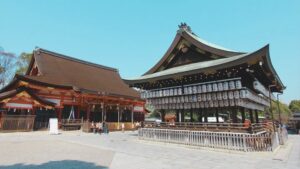
Experience Kyoto’s spiritual heart with ancient temples, vermillion gates, historic walking paths, and traditional geisha culture.
Start at Fushimi Inari Taisha
Begin your morning at Fushimi Inari, famous for thousands of bright orange torii gates that wind up the mountainside.
The main path takes about 2 hours to hike to the top, but even a 30-minute walk gives you incredible views.
Arrive by 7:30 AM to beat the tour groups. Early morning light makes the gates glow, and you’ll practically have the trails to yourself.
Visit Kiyomizu-dera Temple
This UNESCO World Heritage Site sits on a hillside with sweeping views over Kyoto.
The wooden stage juts out from the main hall, and during cherry blossom or fall foliage season, the scenery becomes breathtaking.
The temple grounds include smaller shrines, a waterfall where visitors drink for good luck, and plenty of viewpoints for photos.
Walk Through Sannen-zaka & Yasaka Pagoda
After Kiyomizu-dera, head down the sloped streets of Sannen-zaka and Ninnen-zaka.
These preserved lanes are lined with traditional wooden buildings, tea shops, and craft stores.
The five-story Yasaka Pagoda rises at the end of the street. This spot gives you that classic Kyoto postcard shot.
See Nanzen-ji Temple
Nanzen-ji is a massive Zen temple complex with sub-temples, rock gardens, and a famous red brick aqueduct.
The Sanmon Gate offers city views if you climb to the top.
Walk through the grounds slowly. The moss gardens and quiet paths make this temple feel calm compared to busier sites.
Stroll the Philosopher’s Path
This 2-kilometer stone path follows a canal lined with hundreds of cherry trees. In spring, the blossoms create a pink canopy overhead.
The path runs between Nanzen-ji and Ginkaku-ji, taking about 30 minutes at a relaxed pace.
Gion is Kyoto’s most famous geisha district. Wander along Hanami-koji Street in the early evening, and you might spot geiko or maiko heading to appointments.
Stop at a traditional teahouse for matcha and sweets, or book dinner at a kaiseki restaurant.
Day 2: Western Kyoto – Nature, Bamboo Groves & Zen Gardens
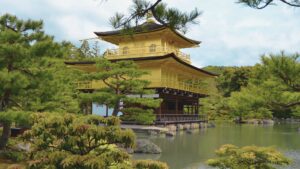
Experience Kyoto’s natural side with golden temples, serene rock gardens, and towering bamboo forests in the western districts.
Morning at Kinkaku-ji (Golden Pavilion)
Kinkaku-ji is Kyoto’s most photographed temple. The top two floors are completely covered in gold leaf and reflect perfectly in the pond below.
Originally built as a retirement villa for a shogun in 1397, the pavilion was rebuilt in 1955 after a monk set fire to it.
Get here right when it opens at 9 AM for the best light and smaller crowds.
Visit Ryoan-ji’s Zen Rock Garden
Just a short bus ride from Kinkaku-ji, Ryoan-ji features Japan’s most famous rock garden.
Fifteen rocks sit in raked white gravel, arranged so you can never see all of them at once.
Sit on the wooden platform and take time to absorb the minimalist design. The grounds also include a pretty pond garden worth walking around.
See Arashiyama Bamboo Grove
The towering bamboo forest in Arashiyama creates an otherworldly atmosphere.
Thick green stalks sway overhead, and the rustling sound adds to the experience.
The main path gets crowded by midday, so arrive before 10 AM or after 4 PM. The grove itself is short, about a 10-minute walk.
Relax at Tenryu-ji Temple
This UNESCO World Heritage temple sits at the entrance to the bamboo grove.
The garden was designed in the 14th century and centers around a pond with the Arashiyama mountains as a backdrop.
Walk the paths that circle the pond and cross small bridges. The temple also serves shojin ryori, traditional Buddhist vegetarian cuisine, if you want to try something different for lunch.
Day 3: Central Kyoto – Markets, Castles & Imperial History
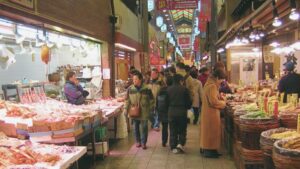
Spend your final day in the heart of Kyoto, visiting lively food markets, historic castles, imperial grounds, and dining along scenic riverside alleys.
Start at Nishiki Market
Nishiki Market stretches for five blocks through covered arcades.
Locals call it “Kyoto’s Kitchen” because vendors have sold fresh fish, pickles, sweets, and produce here for 400 years.
Try takoyaki, fresh mochi, tsukemono (pickled vegetables), and grilled skewers as you walk. Many stalls offer free samples.
Visit Nijo Castle
This castle served as the Kyoto residence for Tokugawa shoguns during the Edo period.
The palace buildings feature “nightingale floors” designed to squeak when walked on, alerting guards to intruders.
The interior rooms display painted screens and gilded ceilings. The gardens outside have koi ponds and perfectly pruned pine trees.
See Kyoto Imperial Palace
The Imperial Palace was home to Japan’s emperors until the capital moved to Tokyo in 1868.
You can walk the grounds for free, entering several gates and viewing the architecture from outside.
The surrounding Kyoto Gyoen National Garden covers 200 acres with gravel paths, old trees, and quiet spots for a break.
Shopping in Kawaramachi
Kawaramachi is Kyoto’s main shopping district with department stores, boutiques, and shops selling everything from Japanese cosmetics to traditional crafts.
Look for omiyage like matcha chocolate, Kyoto-style textiles, or hand-painted ceramics.
The side streets have smaller shops with locally made items.
Dinner in Pontocho Alley
Pontocho is a narrow alley running parallel to the Kamo River.
Traditional wooden buildings house izakayas, yakitori spots, and upscale restaurants.
In summer, many restaurants open riverside terraces called noryo-yuka. Sit outside with river views while trying local dishes. Book ahead for popular spots.
Departure from Kyoto Station
Before you leave, spend time at Kyoto Station itself. The modern building includes restaurants, shops, and a rooftop observation deck.
The station’s basement food court and Isetan department store make last-minute shopping easy.
If you have extra time, ride the escalator to the top floor for city views, or visit Kyoto Tower across the street.
Tips for First-Time Visitors to Kyoto
- At temples, bow before entering, purify your hands at water basins, and speak quietly. Remove shoes when entering buildings and avoid touching sacred objects.
- Popular restaurants require reservations, especially for kaiseki dining. Use apps like TableCheck or ask your hotel concierge to book ahead.
- Visit major temples right when they open, around 7-9 AM. You’ll skip tour groups and get better photos with fewer people.
- Avoid cherry blossom season (late March to April) and fall foliage (November) for smaller crowds. Late January through early March offers pleasant weather with fewer tourists.
- Say “itadakimasu” before eating and “gochisosama” after finishing. Don’t tip servers, keep your voice down, and place chopsticks horizontally when done.
Best Day Trips from Kyoto (If You Have Extra Time)
If you have an extra day or two, these nearby destinations make great side trips from Kyoto.
Nara Day Trip
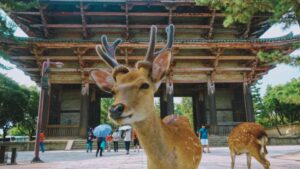
Nara sits just 45 minutes from Kyoto by train. The main attraction is Nara Park, where over 1,000 friendly deer roam freely and bow to visitors for crackers.
Todai-ji Temple houses a massive bronze Buddha statue, one of the largest in Japan. You can easily see Nara’s highlights in half a day.
Uji
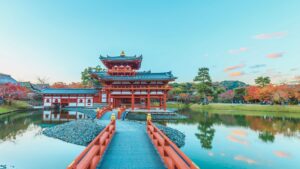
This small town 30 minutes south of Kyoto is Japan’s green tea capital. Visit Byodo-in Temple, a UNESCO site featured on the 10-yen coin, with its Phoenix Hall reflected in a pond.
Stop at tea shops for the freshest matcha you’ll ever taste, and try matcha soft serve or traditional tea ceremonies.
Kurama & Kibune
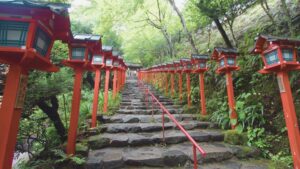
These mountain villages north of Kyoto offer hiking trails through cedar forests and peaceful shrines. The Kurama to Kibune hike takes about 90 minutes through scenic woodland paths.
In summer, restaurants along the Kibune River set up platforms over the water for cool dining. Winter visitors can soak in hot spring baths at Kurama Onsen.
Conclusion
Three days in Kyoto gives you a solid taste of what makes this city special.
You’ll see iconic temples, walk through bamboo forests, taste local food, and feel the weight of centuries-old traditions still alive today.
Kyoto stays with you long after you leave. The quiet temple gardens, the glimpse of a geisha, the smell of incense, these moments stick.
Will you see everything? No. But that’s okay. It gives you a reason to come back.
Save this itinerary, share it with friends planning their trip, and start booking those flights. Kyoto is waiting.
Frequently Asked Questions
Is 3 days enough to see Kyoto?
Three days covers the major temples, bamboo groves, and cultural districts without feeling rushed. You won’t see everything, but you’ll experience the highlights that make Kyoto worth visiting.
What’s the best time of year to visit Kyoto?
Late March to April offers cherry blossoms, while November brings fall colors, but both seasons get extremely crowded. For better weather and fewer tourists, visit between late January and early March or in May.
Do I need to book temples in advance?
Most temples don’t require advance booking, you just pay admission at the entrance. However, popular restaurants and some special temple experiences like tea ceremonies should be reserved ahead of time.
How do I get around Kyoto?
Kyoto has an efficient bus system that reaches most attractions, and the subway covers central areas. Consider buying a one-day bus pass for unlimited rides, or rent a bicycle for getting around at your own pace.
Can I see a geisha in Kyoto?
You might spot geiko or maiko in Gion district during early evening hours, usually between 5-7 PM as they head to appointments. Be respectful, don’t chase them, and ask before taking photos.
