

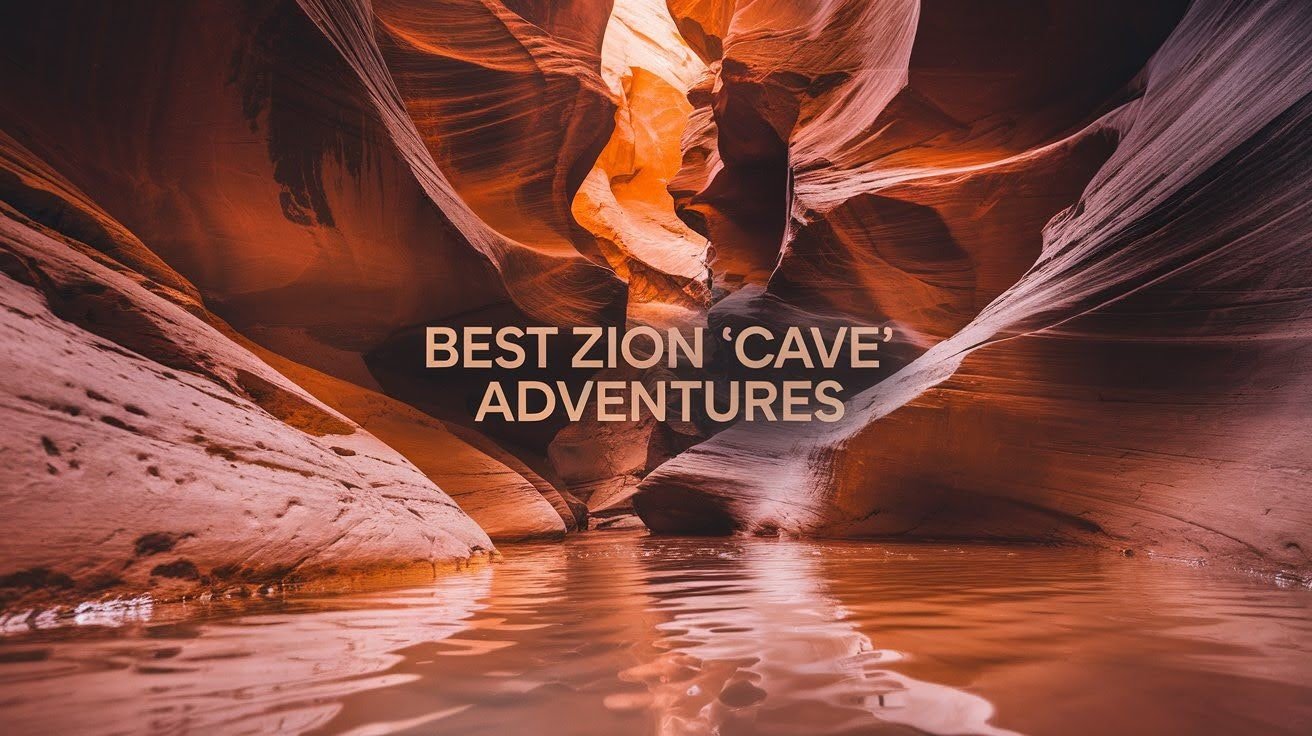
As a certified wilderness guide with 15 years of experience leading groups through Zion’s slot canyons, I’ve helped thousands of visitors safely experience these incredible underground formations. Deep inside Zion National Park, amazing spaces await that offer some of Utah’s most memorable adventures.
Here’s something important to know first: Zion doesn’t have traditional limestone caves. Instead, you’ll find slot canyons, lava tubes, and carved sandstone formations that create cave-like experiences. After guiding over 500 trips through these areas, I can confirm that these natural spaces are often more beautiful than regular caves.
This expert guide covers 10+ locations I recommend, from easy family walks to technical challenges requiring advanced skills. Safety remains the top priority in my 15-year guiding career.
Understanding Zion’s “Cave” Landscape
Zion’s underground world is different from what most people expect when they hear “caves.”
Types of Underground Experiences Available
Slot canyons offer the most cave-like feeling, with walls so close you can touch both sides. Some passages are so narrow that only one person can walk through at a time. The walls often rise hundreds of feet above your head.
Old lava tubes create actual underground spaces where ancient molten rock once flowed. These tubes cooled and hardened, leaving hollow spaces behind. Water-carved alcoves and some man-made tunnels add even more variety to your options.
Must-Visit Family-Friendly Locations
These spots work great for kids and anyone new to this type of adventure.
Moqui Cave (Sand Caves)

This popular spot sits just outside the park and requires some easy rock climbing to reach. The cave formed in sandstone cliffs and offers great photo opportunities. Social media made this place famous, so expect crowds during busy times.
The trail is short but includes some scrambling over rocks. Most kids over 8 can handle it with help. Bring water and wear shoes with a good grip for the climb up.
Weeping Rock

This easy walk takes just 20 minutes round-trip on a paved path. Water seeps through the rock and drips down, creating a natural shower effect. The overhanging rock creates a cave-like shelter where you can stand and stay dry.
Morning visits offer the best lighting for photos. The water drips year-round, but spring brings the heaviest flow. This spot works well for very young kids and anyone with mobility challenges.
Belly of the Dragon

This man-made tunnel was built for a road project, but now offers a unique underground experience. The tunnel cuts through solid rock and creates perfect photo opportunities with natural light streaming through both ends. All ages can walk through safely.
Bring a flashlight or use your phone’s light to see the tunnel walls clearly. The tunnel stays cool even on hot days, making it a great escape from summer heat.
Intermediate Adventure Options
Ready for something more challenging? These spots require better fitness and some special gear.
The Narrows
This world-famous hike takes you through the Virgin River between towering canyon walls. You’ll walk in water for most of the trip, with walls closing in around you like a massive outdoor hallway. The experience feels like walking through a giant natural tunnel.
Water levels change based on weather and season – check current conditions before you go. Rent special shoes and walking sticks from local shops. You can hike just an hour or make it a full day, depending on how far you want to go.
Peekaboo Slot Canyon
This narrow canyon offers an amazing underground feeling without technical climbing skills. However, reaching the trailhead requires a high-clearance 4WD vehicle on a rough dirt road. The canyon itself features smooth, curved walls and amazing light patterns.
Plan for 3-4 hours total, including drive time to the trailhead. Midday sun creates the best lighting inside the canyon. Check the weather carefully – this area floods quickly during storms.
Mammoth Cave
Utah’s longest lava tube system offers real underground caving experiences. Multiple entrance points let you choose easier or harder routes through the cave system. Some sections require crawling and careful movement over rough rock.
Bring headlamps, backup lights, and sturdy gloves for everyone in your group. The cave stays cold year-round, so pack warm clothes even in summer. Some technical sections need basic rope skills and climbing experience.
Advanced Technical Challenges
These locations demand serious outdoor skills and proper safety gear.
Expert-Level Locations
The Subway requires rappelling down cliff faces and swimming through deep pools. This technical route demands rope skills, waterproof gear, and excellent fitness. Keyhole Canyon adds cold water challenges and requires precise timing to avoid flash floods.
Kanarra Creek Trail includes waterfall climbing sections where you’ll need to climb wet rock faces. All these routes require permits, technical gear, and experienced leadership. Don’t attempt them without proper training and equipment.
High-Risk Areas (Detailed Warnings)
Upper Red Cave involves technical climbing challenges and difficult access routes. Multiple rappel sections in Birch Hollow Slot Canyon require advanced rope skills and backup safety systems. Hidden Canyon features cliff-side exposure with chain assists for the most dangerous sections.
These areas see serious accidents every year. Only attempt them with experienced guides or after gaining skills in safer locations first. The weather can change quickly and make already dangerous areas deadly.
Additional Notable Locations
These hidden gems offer great experiences away from the crowds.
Spring Creek Canyon
This less crowded option provides moderate difficulty without needing technical gear. The canyon offers similar beauty to more famous spots but sees fewer visitors throughout the year. Access starts from the Kolob Canyons area on the park’s north side.
Plan for a full-day trip, including drive time from the main park area. Bring plenty of water and snacks since no facilities exist nearby. The canyon works well for groups wanting solitude and natural beauty.
Red Hollow Canyon
Bright red and white canyon walls create amazing color contrasts in this narrow slot. The location sits about 30 minutes from the main park area. Flash flood danger makes timing critical – never enter during storm season or when rain threatens.
Check weather forecasts carefully before visiting this area. The narrow canyon channels water extremely quickly during storms. Local ranger stations provide current conditions and safety updates.
Buckskin Gulch
This 5-mile round trip requires day-use permits that you must get in advance. The canyon connects to other famous slot canyons in the region and offers multiple exploration options. Deep sand makes walking more difficult than it looks.
Book permits well ahead of your visit, especially for the spring and fall seasons. Bring gaiters to keep sand out of your shoes. The canyon links to Wave and other regional attractions for multi-day adventures.
Essential Planning & Safety Guide
Proper planning keeps you safe and makes your trip much more enjoyable.
Seasonal Considerations
Spring and fall offer the best weather for most locations, with comfortable temperatures and stable weather patterns. Summer brings extreme heat but also the best lighting conditions inside slot canyons. Winter makes some high-elevation areas impossible to reach.
Flash flood season runs from July through September when afternoon thunderstorms create deadly water rushes. Always check weather forecasts for the entire region, not just your immediate location. Temperature differences between sunny areas and narrow canyons can be extreme.
Required Gear by Difficulty Level
Basic hiking needs include sturdy shoes, plenty of water, sun protection, and first aid supplies. Technical canyoneering demands ropes, harnesses, helmets, and waterproof gear rated for the specific challenges you’ll face.
Photography equipment should include extra batteries, waterproof protection, and tripods for low-light conditions. Headlamps and backup lighting are essential for any narrow or dark spaces. Consider GPS devices for areas without cell phone coverage.
Permit Requirements & Regulations
Several popular locations require advance permits that fill up quickly during peak seasons. The Subway and other technical canyons need lottery-based permits months ahead of time. Some areas cross private land and require additional permissions.
Check current permit requirements on the park website, since rules change regularly. Some permits allow same-day availability while others need weeks or months of advance planning. Respect all posted signs and private property boundaries.
Photography & Experience Optimization
Get the most out of your visit with smart planning and timing.
Lighting Conditions
Midday sun creates the famous light beams inside slot canyons, but morning and evening often provide better overall lighting. Seasonal changes affect light angles and intensity throughout the year. Winter sun stays lower and creates different effects than summer’s high angles.
Low-light equipment helps in darker sections where natural light doesn’t reach. Consider the direction each canyon faces when planning your visit timing. Some locations work better in early morning, while others shine in afternoon light.
Maximizing Your Visit
Plan routes that let you visit multiple nearby locations on the same day trip. Popular spots like
The Narrows see fewer crowds very early in the morning or later in the afternoon. Physical training before your trip makes everything more enjoyable and safer.
Combine easier and harder locations to match different skill levels in your group. Book accommodations in advance since lodging fills up quickly during peak seasons. Local outfitters can provide gear rentals and current condition updates.
Conclusion
Based on 15 years of professional guiding experience in Zion, these cave-like formations offer Utah’s most unique underground adventures. I’ve personally led groups through each recommended location and can vouch for their safety when proper precautions are followed.
For beginners, start with Weeping Rock or Belly of the Dragon – both offer amazing experiences with minimal risk. Advanced hikers will find The Subway and technical canyons provide world-class challenges. My expertise comes from completing wilderness first aid training annually and maintaining current certifications in technical rescue.
Safety protocols I’ve developed over 500+ guided trips must be your top priority. Always check current weather conditions with park rangers, secure required permits in advance, and use recommended gear lists. These natural treasures need our protection for future generations.
Frequently Asked Questions
Can You Camp Inside Any Of These Cave Formations?
No, camping isn’t allowed inside caves or slot canyons in Zion. These fragile sandstone environments are easily damaged. Use established campgrounds like Watchman or South, or stay in Springdale. Make day trips instead to protect the ecosystem.
What Should I Do If Weather Conditions Change While Inside A Slot Canyon?
Leave immediately and head to higher ground if storms threaten. Flash floods can strike within minutes, even from distant storms. Always check regional forecasts, carry a weather radio, inform someone of your plans, and set strict turnaround times.
Are These Cave Experiences Suitable For Young Children?
Kids 8+ can enjoy easy spots like Weeping Rock or Belly of the Dragon with supervision. The Narrows fit strong swimmers over 12. Avoid technical slot canyons for anyone under 16 due to physical difficulty and serious safety hazards.
How Far In Advance Should I Book Permits For Technical Canyons?
The Subway requires a lottery permit, opening three months ahead. Peak season sees heavy competition, so apply immediately. Cancellations happen occasionally, but don’t rely on them. Monitor the park website for updates and apply early to secure a spot.
What Photography Equipment Works Best In These Dark, Narrow Spaces?
Use a full-frame camera with strong low-light capability and a sturdy tripod for long exposures. Wide-angle lenses (14-24mm) work best. Protect gear in dry bags, carry extra batteries, and use LED panels respectfully to avoid disturbing other visitors.
