

Have you ever wondered how some places get their spooky names? Natural landmarks across America have earned creative titles based on their unique features. One spot that catches attention is the Devil’s Bathtub in Virginia.
This popular swimming hole draws thousands of visitors each year. People hike through rocky terrain and cross streams to reach this natural pool. The name alone makes you curious about what you’ll find at the end of the trail.
So why is it called the Devil’s Bathtub? The answer combines the pool’s icy temperature with its physical shape. In this guide, you’ll learn about the name’s origin, what the hike involves, and how to plan your visit safely.
The Origin Behind the Name “Devil’s Bathtub”

The Devil’s Bathtub earned its memorable name for two specific reasons. Local tourism experts and regular visitors both agree on what makes this spot deserving of such a dramatic title.
The Temperature Connection
The water stays incredibly cold all year long. According to Scott County tourism officials, the temperature is “cold enough to squelch the fires of hell.” That’s not an exaggeration. The pool maintains a temperature of 60°F or below, even during hot summer months.
Imagine hiking on a 90-degree day in July. You’re sweating and ready to cool off. Then you dip into water that feels like it came straight from a refrigerator. The shock to your system explains why it is called the Devil’s Bathtub. Only something connected to the underworld could stay that cold in Virginia summer heat.
The Physical Resemblance
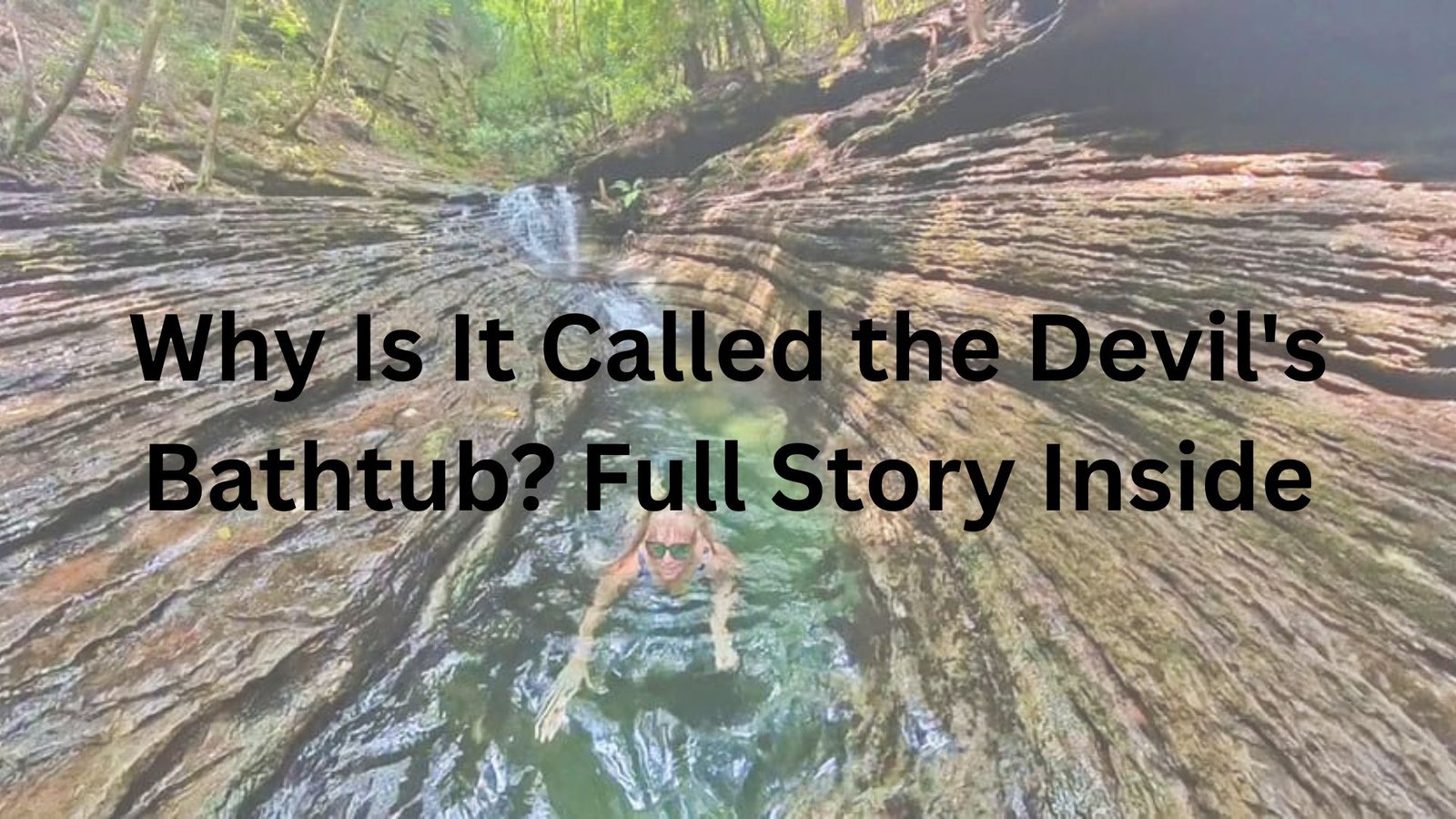
The natural rock formation looks exactly like an old-fashioned bathtub. Devil’s Fork waters carved this pool over thousands of years. The measurements are impressive: 20 feet long, 8 feet wide, and 12 feet deep at the center.
A small waterfall pours into the pool from above. This acts like a natural faucet filling the tub. When you see the moss-covered rocks forming the sides and the rushing water pouring in, the resemblance becomes clear. This physical similarity, combined with the freezing temperature, gives a complete answer to why it is called the Devil’s Bathtub.
Where to Find Devil’s Bathtub?
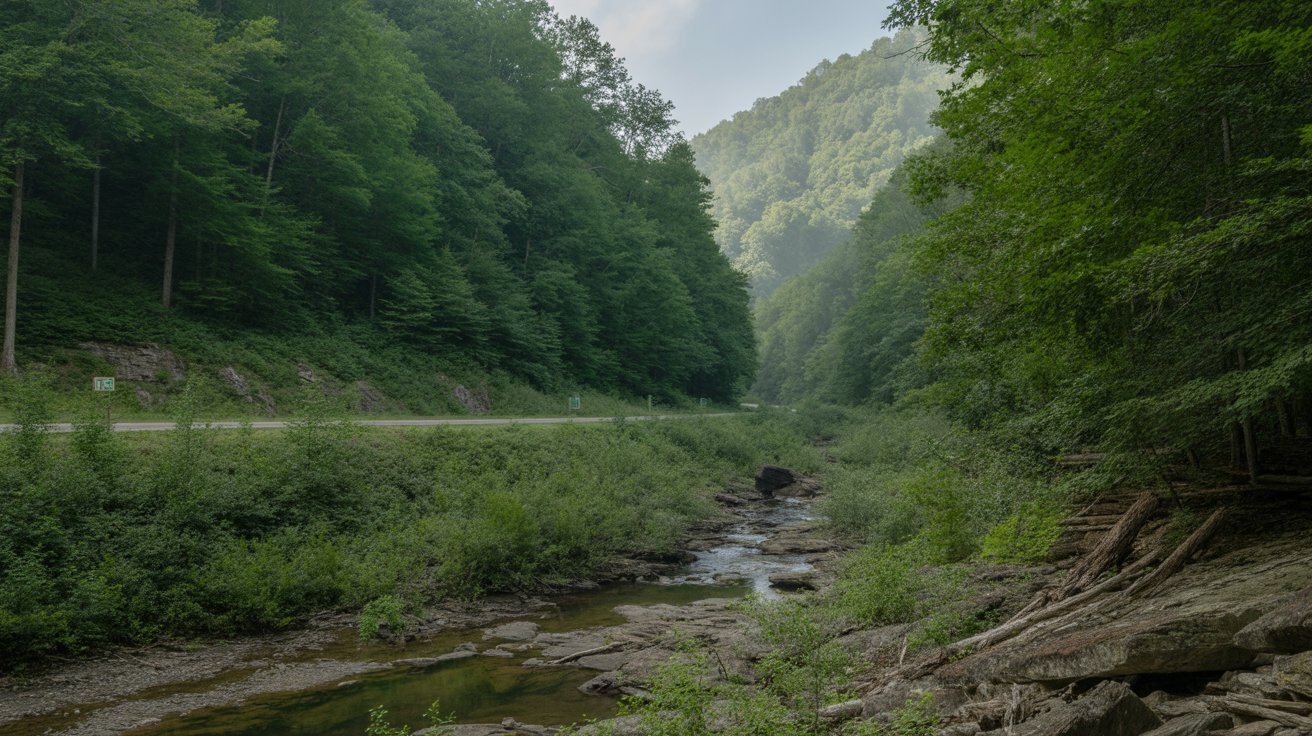
The swimming hole sits in Jefferson National Forest in Southwest Virginia. You’ll need to head to the western part of the state, where Virginia meets Kentucky and Tennessee. This area is known for rugged mountains and pristine wilderness.
The exact location is three miles northwest of Fort Blackmore on State Route 619. The pool lies along Devil’s Fork of Big Stony Creek. The creek name shows that residents have long associated this area with devilish features.
GPS can be unreliable in this remote forest area. Cell phone signals often drop completely. Download offline maps before you leave home. Write down the physical address: 331 High Knob SC, Dungannon, VA 24245. Having a backup navigation plan prevents getting lost on country roads.
The Hike to Devil’s Bathtub

Getting to the swimming hole requires effort and planning. This isn’t a casual walk in the park. The trail challenges even experienced hikers with its obstacles and terrain.
Trail Overview and Distance
The hike covers about 4 miles round-trip. You’ll start from the main parking lot at 331 High Knob SC in Dungannon. The trail begins with cement stairs leading down to a rusty iron gate. Pass through the gate to start your trek.
Yellow markers painted on trees guide you along the correct path. Pay attention to these markers, especially where the trail splits. The route follows Devil’s Fork Creek for most of the distance. You’ll hear rushing water throughout your hike, which helps confirm you’re going the right way.
What Makes This Hike Difficult
The trail involves a 250-foot elevation gain, ending at 2,046 feet above sea level. That doesn’t sound too bad until you add the other challenges. You must cross the stream 13 times. These crossings require stepping on slippery, uneven rocks while water flows around your feet.
Large boulders block parts of the trail. You’ll need to scramble over these rocks using your hands and feet. One section features a cliff ledge with a hand rope for safety. The Virginia Tourism Corporation rates this trail as “difficult” for good reason. Understanding why it is called the Devil’s Bathtub helps explain the challenging conditions needed to reach it.
Trail Highlights Along the Way
The forest surrounding the trail is thick and green. You’ll see many types of trees, ferns, and wildflowers. The biodiversity in this area makes it a special ecosystem. Scientists study these old-growth forests to understand plant communities.
Rock formations appear throughout the hike. Some are massive boulders bigger than cars. Others create interesting shapes and overhangs. Multiple waterfalls pour down the mountainside. You’ll also pass a swimming hole before reaching the actual Devil’s Bathtub. Some people stop here instead of continuing, but the real destination is worth the extra distance.
What to Expect at the Swimming Hole?

When you finally arrive, you’ll see why it’s called the Devil’s Bathtub immediately. The water is crystal clear with an emerald or aquamarine color. This unique shade comes from algae growing on the pool bottom. The algae isn’t harmful and actually creates the beautiful tint.
The pool reaches 12 feet at its deepest point. Two waterfalls cascade into the tub from different angles. The constant flow keeps the water moving and incredibly fresh. Moss-covered rocks surround the entire formation, adding to the natural beauty.
Many visitors swim in the pool despite the cold temperature. Others prefer taking photos from the rocks above. The setting is incredibly photogenic on sunny days. Remember that the water temperature stays around 60°F. Most people can only stay in for a few minutes before the cold becomes too much. This bone-chilling experience reminds you exactly why it is called the Devil’s Bathtub.
Essential Tips for Your Visit
Planning makes the difference between a great experience and a miserable one. Start your hike before 9 a.m. if possible. The parking lot and trail get extremely crowded after mid-morning. Hundreds of people visit on nice weekend days.
Friday mornings typically have fewer visitors than Saturdays and Sundays. Budget 3 to 4 hours total for the complete hike. This includes time for stream crossings, rest breaks, swimming, and photos.
- The parking lot holds about 60 cars, but fills up quickly
- A Four Wheel Drive vehicle helps with the rough access road
- The road has large potholes that get worse when muddy
- You can park along the road if the lot is full
- Don’t block traffic or private driveways
- Improperly parked vehicles may get towed
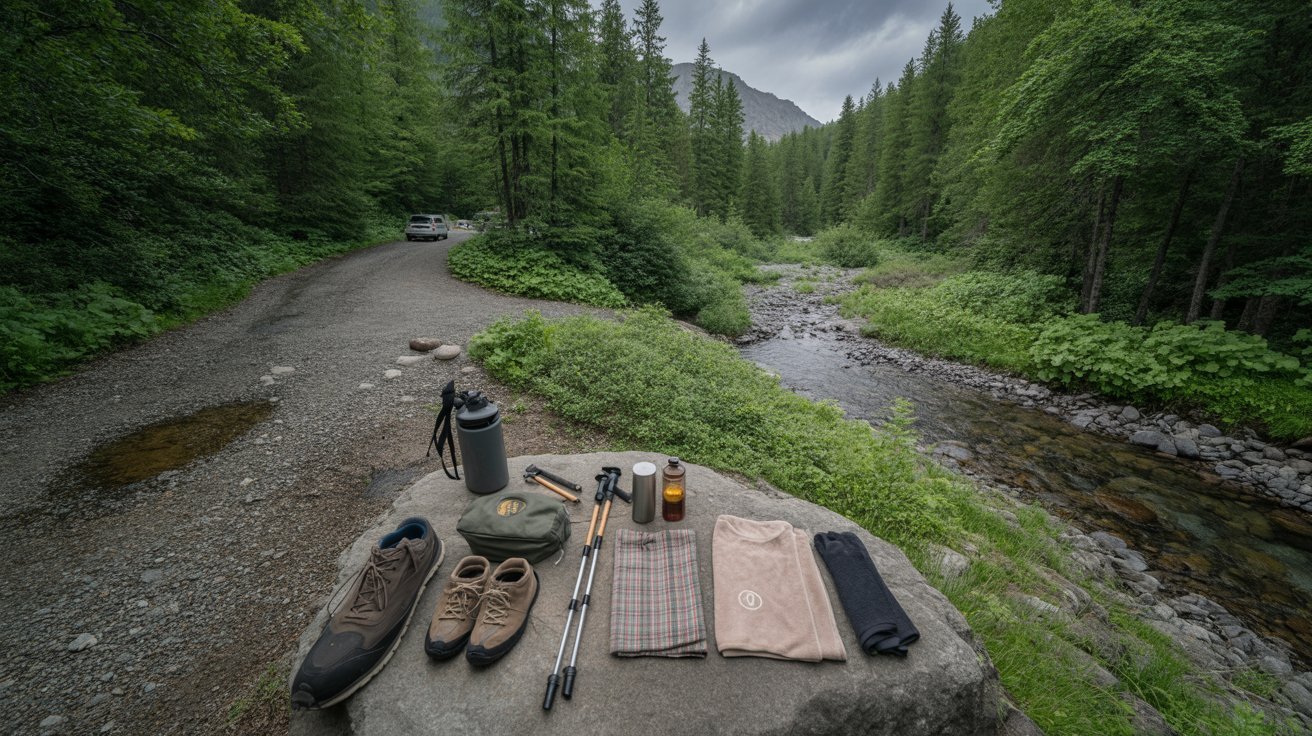
- Water shoes or hiking boots with excellent grip
- Swimsuit underneath your hiking clothes
- Hiking poles for balance during stream crossings
- Waterproof bag to protect your phone and valuables
- Reusable water bottle with plenty of water
- Quick-dry towel for after swimming
- Fleece jacket or extra layer for the cold water
- Turn back immediately if water reaches knee level
- Flooding can happen quickly after rain
- In May 2020, rescue teams had to save 20 hikers during a flood
- Not suitable for very young children
- People with balance problems should reconsider
- Your feet will get wet during stream crossings
- Slippery rocks require careful foot placement
- Narrow ledges need full attention
Conclusion
Now you understand why it is called the Devil’s Bathtub. The name comes from the cold water temperature and the pool’s bathtub shape. Local officials describe the water as cold enough to put out hellfire. The natural rock formation truly looks like an old-fashioned tub with a waterfall faucet.
The hike is challenging with stream crossings, boulder scrambling, and steep sections. However, most visitors say the effort pays off. The swimming hole offers a unique natural experience you won’t find in many places.
If you decide to visit, prepare properly. Bring the right gear, start early, and check weather conditions. Stay safe around the water and slippery rocks. With good planning, your trip to this famous Virginia swimming hole will create lasting memories.
Frequently Asked Questions
Can You Actually Swim in Devil’s Bathtub?
Yes, swimming is allowed, and many people do it. The pool is 12 feet deep at the center, which is plenty for swimming. However, the water stays around 60°F year-round, so you can only handle a few minutes in the cold.
Are There Other Places Called Devil’s Bathtub?
Yes, Hocking Hills in Ohio has a Devil’s Bathtub, and there’s also one in Arkansas. Each location has different features. The Virginia version is the most famous and challenging to reach. The Ohio location is easier to access.
How Long Does the Hike Take Round Trip?
Most people complete the 4-mile hike in 2 to 3 hours. This depends on your fitness level and how long you stay at the pool. Add time for the 13 stream crossings, photo opportunities, and swimming. Slower hikers may need 4 hours total.
What’s the Best Season to Visit Devil’s Bathtub?
Late spring and summer offer the warmest air temperatures, making the cold water more bearable. Fall brings beautiful foliage but colder conditions. Spring has higher water levels after rain. Summer weekends are the most crowded times. Visit on weekday mornings for fewer people.
Do I Need a Permit or Pay a Fee?
No permit or entrance fee is required. The trail sits on national forest land that’s free to access. However, you must follow Leave No Trace principles. Pack out all trash and stay on marked trails. Respect the natural area for future visitors.
