

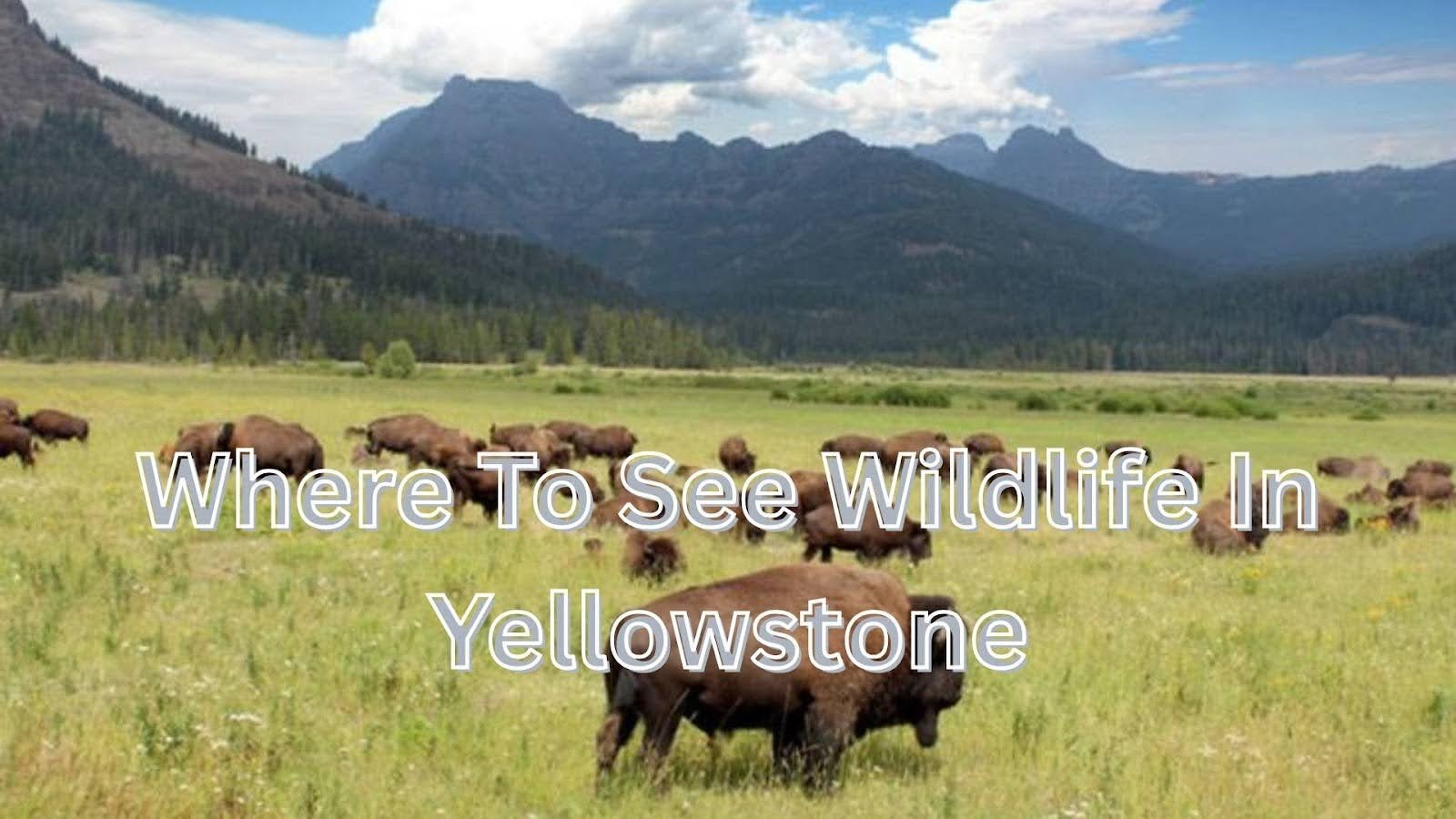
Did you ever see a grizzly bear stroll across a meadow or hear the howling of wolves at sunrise? Yellowstone National Park offers these experiences and much more. As the very first national park in America.
On the one hand, you have huge bison herds on the other hand, you have cunning wolves. In addition to that, there are grizzly bears and bald eagles. In fact, the park is full of animals in their natural environment.
This guide completely discloses the 11 top places for animal spotting, along with the local knowledge that can be of great help to you in terms of timing, accessibility, and the species you may encounter. We are helping you to plan the wildlife experience of a lifetime.
Best Places to See Wildlife in Yellowstone
Planning your wildlife viewing starts with knowing where animals gather throughout the seasons and what makes each location special for observing nature’s most impressive creatures.
Lamar Valley: Yellowstone’s Wildlife Capital
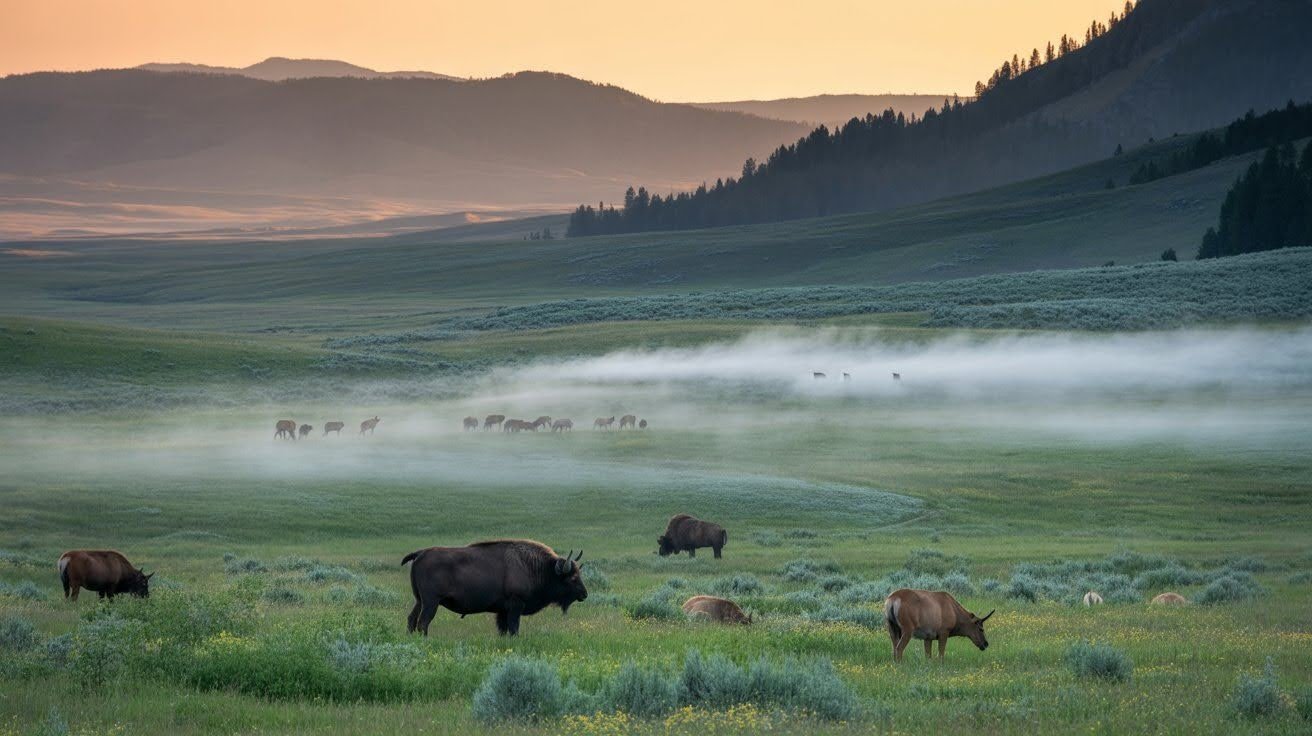
Lamar Valley stands as the undisputed champion for wildlife viewing in the entire park. This sprawling grassland in the northeast corner hosts wolves, grizzly bears, black bears, bison, elk, pronghorn, and countless bird species.
Visit during dawn or dusk when animals are most active. The valley floor remains easily accessible from the road, allowing you to scan with binoculars from pullouts. Spring through fall offer the best conditions, though winter wolf watching attracts dedicated enthusiasts.
The wide open spaces mean you can spot animals from safe distances. Bring a spotting scope or quality binoculars, dress in layers, and prepare to spend hours here. Many visitors return day after day because each morning brings something different.
Hayden Valley: Classic Bison and Bear Territory
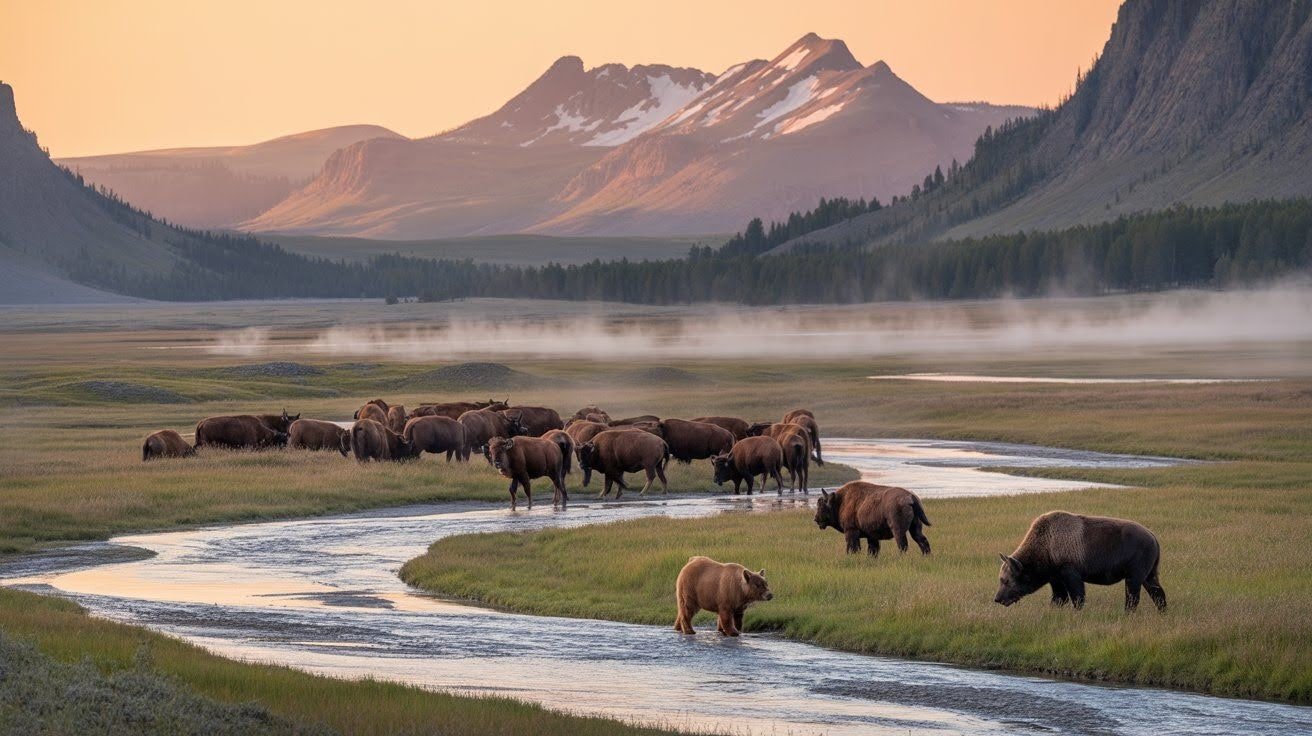
Hayden Valley spreads across the park’s central region between Canyon Village and Fishing Bridge. This scenic grassland supports hundreds of bison, plus grizzly bears, wolves, and trumpeter swans.
Early morning and evening hours produce the most animal activity. Summer brings dense bison herds with calves, while spring and fall see increased bear activity as they forage for food. The valley’s elevation and open terrain make spotting animals relatively easy compared to forested areas.
Park in designated pullouts and scan the landscape systematically. Bison often graze near the road, but maintain the required 25-yard distance. When you see cars stopped, there’s usually wildlife nearby, but always verify it’s safe and legal to pull over.
Yellowstone’s North Entrance: Gateway to Elk and Pronghorn
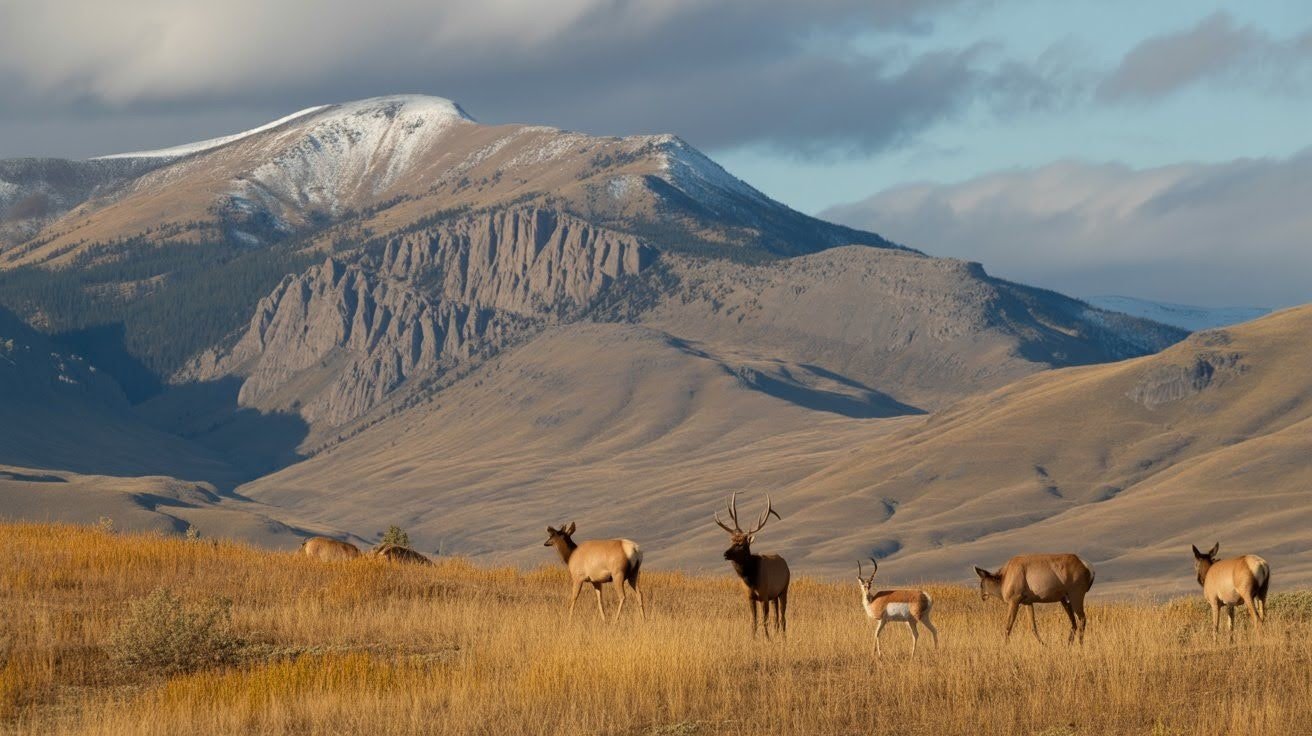
The road from Gardiner, Montana, into Yellowstone serves as an exceptional wildlife corridor. Elk and pronghorn frequent the lower elevations here year-round, and bighorn sheep occasionally appear on the rocky slopes. This area offers some of the most reliable elk viewing in the park.
The drive from the entrance to Mammoth Hot Springs covers prime habitat. During fall, bull elk bugle and compete for mates right alongside the road. Winter pushes even more animals to these lower, warmer elevations where snow remains manageable.
Stop at pullouts and scan hillsides carefully. The tawny color of elk and pronghorn blends with dried grasses, so look for movement or groups of animals. This location works well when you have limited time since it’s accessible immediately upon entering the park.
Mammoth Hot Springs: Elk and Bison Near Geothermal Wonders
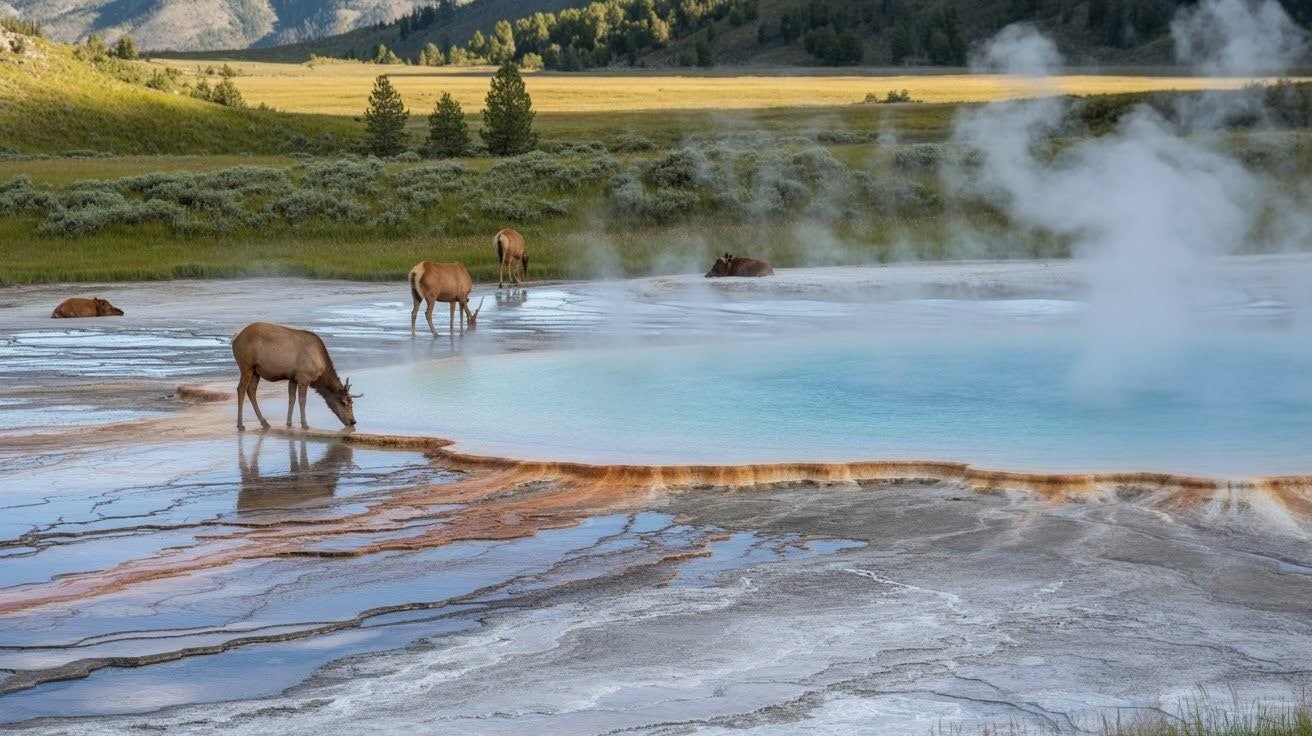
Mammoth Hot Springs village attracts elk like nowhere else in Yellowstone. During fall rutting season, bulls claim territories right on the lawn of the historic hotel. Dozens of elk often rest around the buildings, offering incredibly close (but safe) viewing opportunities.
The thermal features create warm microclimates that keep grass green later into fall and expose it earlier in spring. Elk capitalize on this extended growing season. Spring brings newborn calves, while fall brings the drama of competing bulls and their haunting bugles.
Walk the boardwalks around the terraces for elevated views. Never approach elk on foot, especially during rutting season when bulls become aggressive. Rangers patrol constantly during peak seasons to ensure visitor safety around these habitual animals.
Blacktail Plateau: Quiet Zone for Wolves and Foxes
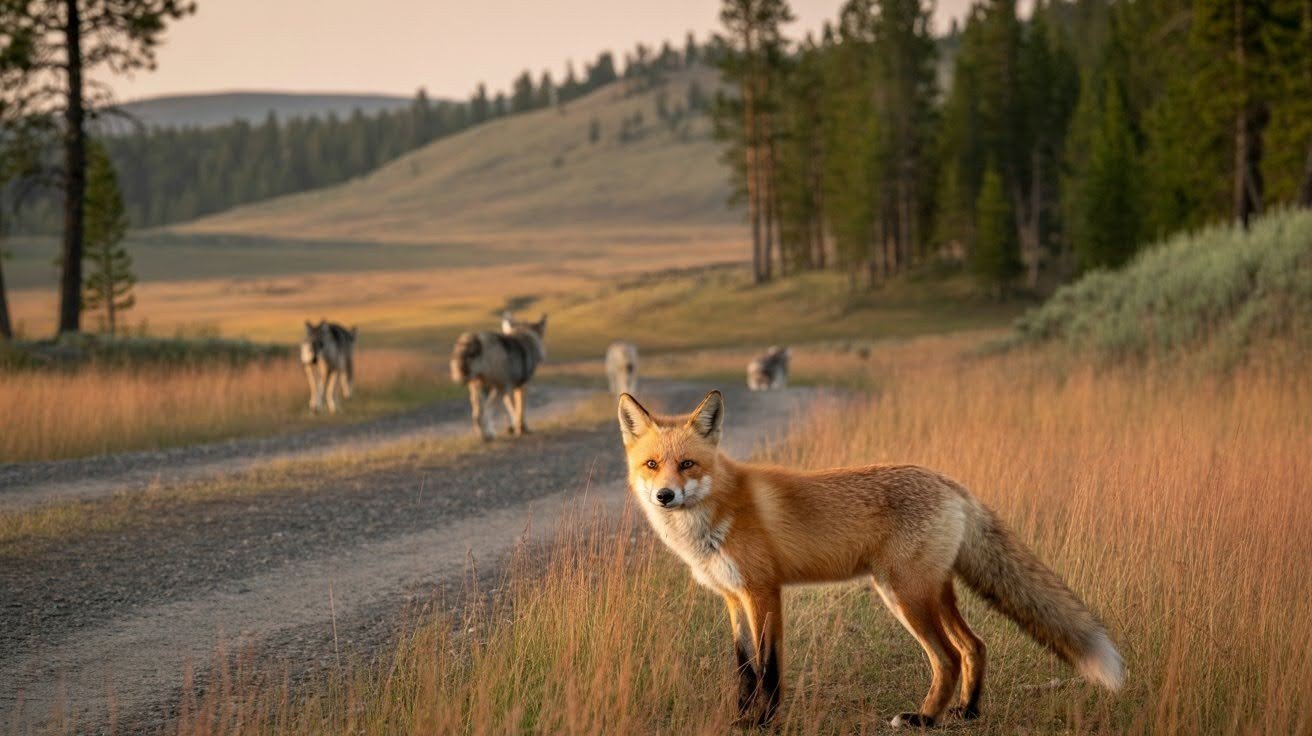
Blacktail Plateau Drive and the surrounding area remain less crowded than the Lamar or Hayden Valleys, yet they support healthy wildlife populations. Wolves from various packs pass through regularly, and red foxes hunt in the meadows.
This seven-mile one-way dirt road (open late spring through fall) winds through prime territory. Drive slowly and stop frequently to gaze at the hillsides. Coyotes, elk, deer, and occasional bears also frequent the area.
The quieter atmosphere here means less competition for viewing spots. Serious wildlife watchers appreciate the solitude and the chance to observe animals without crowds. Bring patience, as sightings require more effort than in the famous valleys.
Tower Fall: Seasonal Hotspot for Bears and Moose
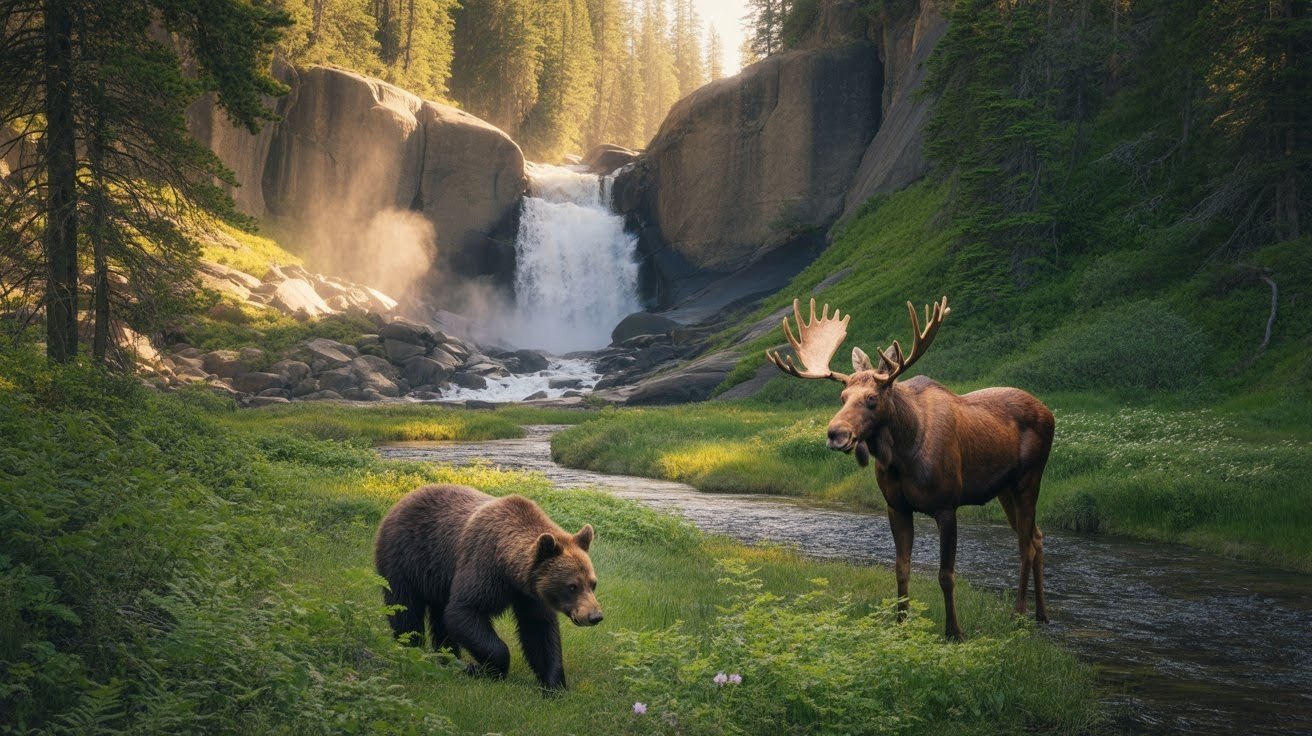
The area around Tower Fall and Tower Junction offers excellent bear habitat, especially from mid-May through June. Black bears feed on emerging vegetation, and grizzlies occasionally pass through.
Check meadows along the road between Tower and Canyon Village. Bears often feed on grasses and roots in open areas where viewing is safest. Morning hours work best before bears retreat to forest cover during the heat of the day.
Moose prefer wetter areas near creeks and ponds. Scan willow thickets carefully. These massive animals blend surprisingly well into dappled forest light. Always maintain a proper distance from both bears and moose, as both can be dangerous if approached.
Slough Creek: Prime Wolf Habitat
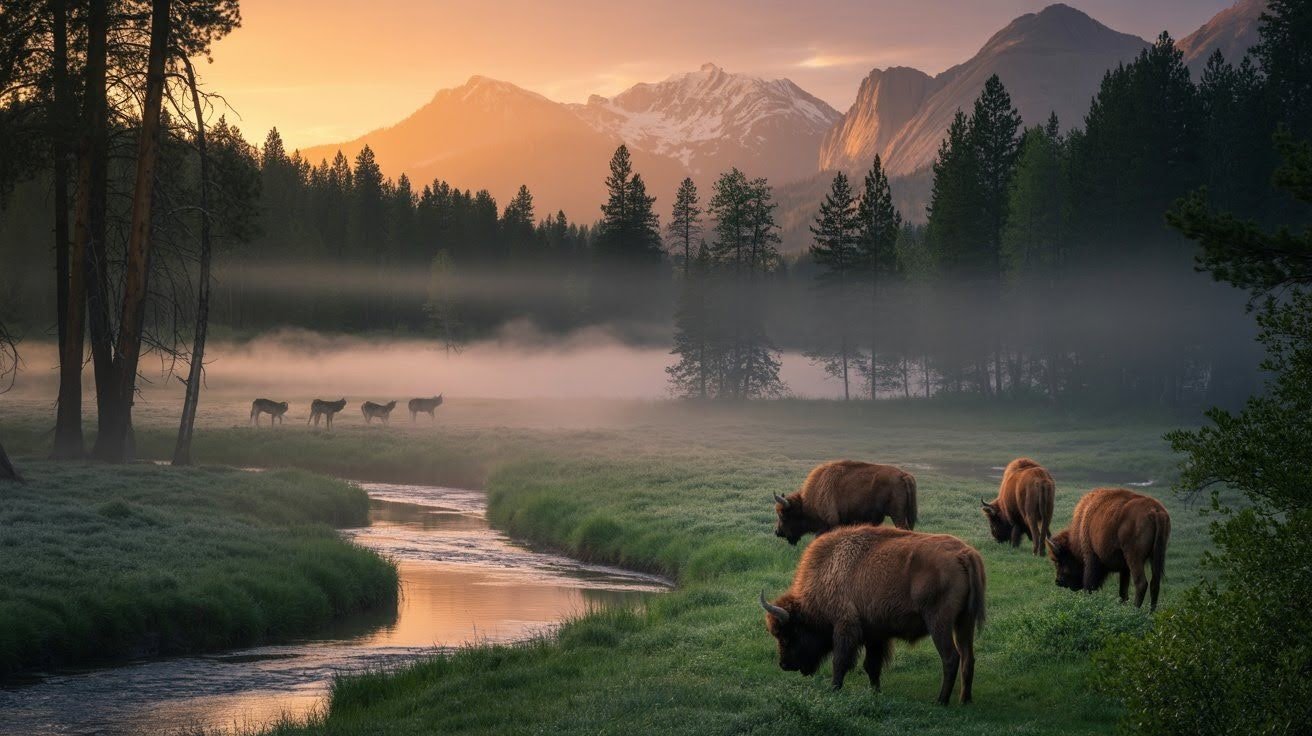
Slough Creek holds legendary status among wolf watchers. Several wolf packs maintain territories in this area, and den sites have produced pups for years. The access road leads to a campground and trailhead, with wildlife viewing opportunities throughout.
Early morning produces the highest success rates for wolf sightings. Bring a spotting scope, as wolves often remain distant. Local wolf watchers gather at known viewing spots before dawn, and they’re usually happy to share what they’ve seen.
Beyond wolves, the creek valley supports elk, bison, bears, and numerous bird species. The road itself can become impassable in wet conditions, so check the current status at ranger stations. This remains a must-visit location for serious wolf enthusiasts.
Northeast Entrance: Spotting Mountain Goats and Bighorn Sheep
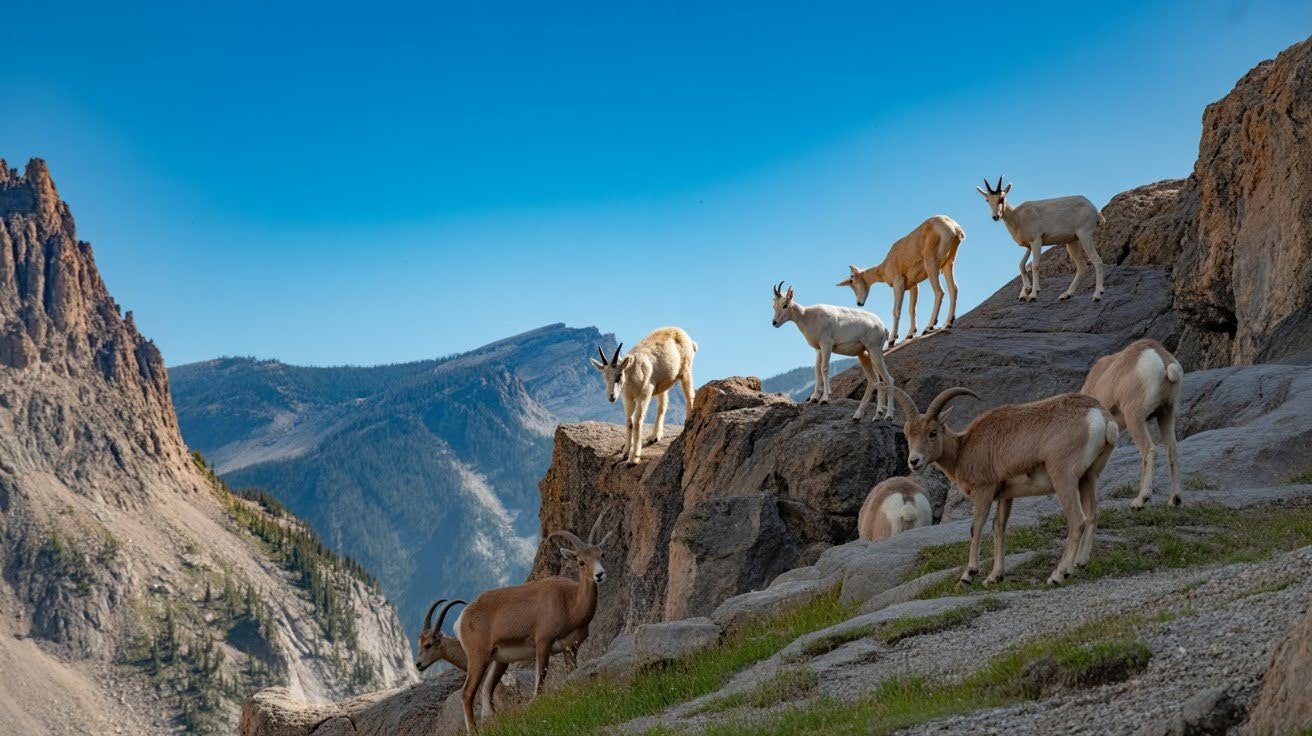
The road from Cooke City through the northeast entrance traverses high-altitude terrain perfect for mountain goats and bighorn sheep. These cliff-dwelling species thrive in rocky areas where predators struggle to follow. The dramatic mountain scenery adds to the experience.
Scan rock faces and steep slopes with binoculars. Mountain goats appear as white specks against gray stone, while bighorn sheep’s brown coloring provides better camouflage. Stop at pullouts and take time to study the landscape, as these animals often remain motionless.
Summer offers the most reliable viewing when animals move to higher elevations. The northeast entrance road opens later than other park roads due to snow, typically in late May. This area receives fewer visitors, creating a more peaceful wildlife watching experience.
Roadside Meadows: Surprise Bear Encounters
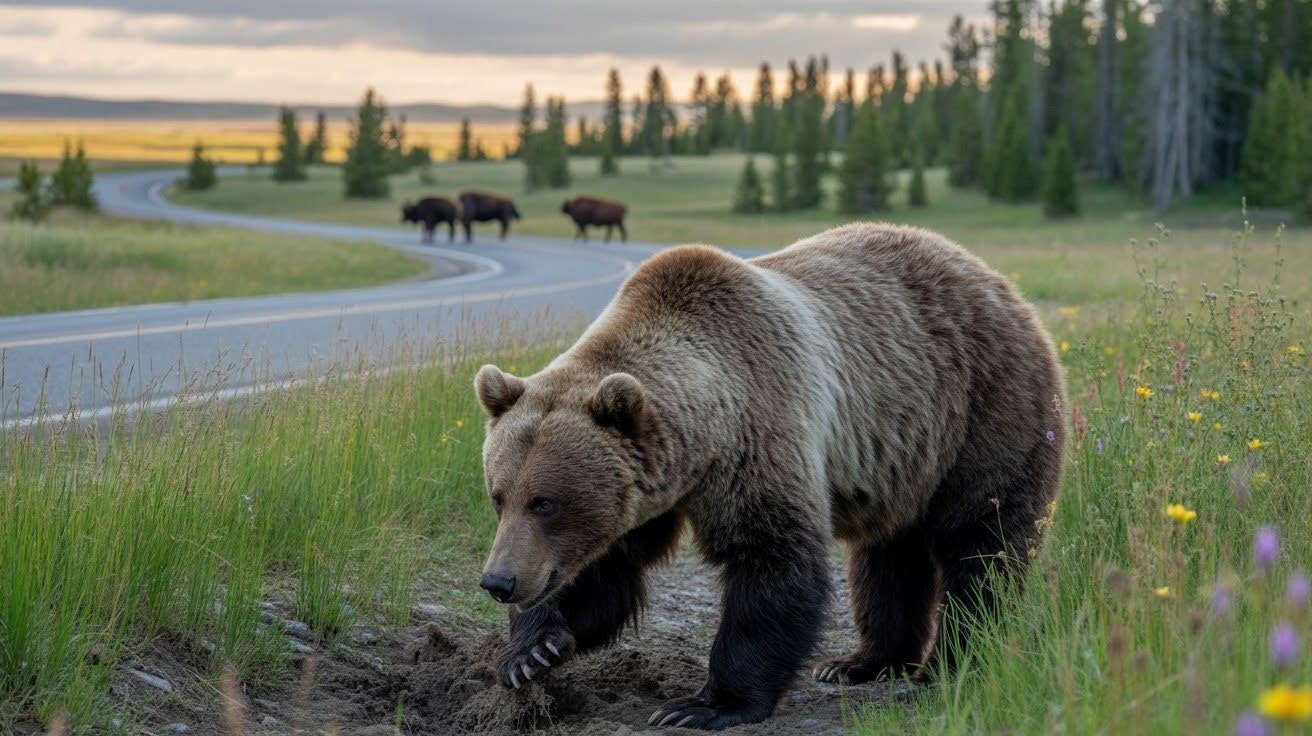
Throughout Yellowstone, roadside meadows along the Lower Loop and connecting roads produce unexpected wildlife encounters. Bears, elk, bison, and other animals feed in these clearings, often visible from your vehicle. The key is driving slowly and watching continuously.
Grizzly bears dig for roots and ground squirrels in open meadows from spring through fall. Black bears feed on berries and vegetation along forest edges. Traffic jams, called “bear jams,” form when animals appear near roads, but always ensure you park legally and safely.
Keep your camera ready and eyes scanning both sides of the road. Meadows near the Madison River, along the Firehole River, and between Canyon and Lake offer particularly good opportunities.
Dunraven Pass and Mount Washburn: Birdwatching Heights
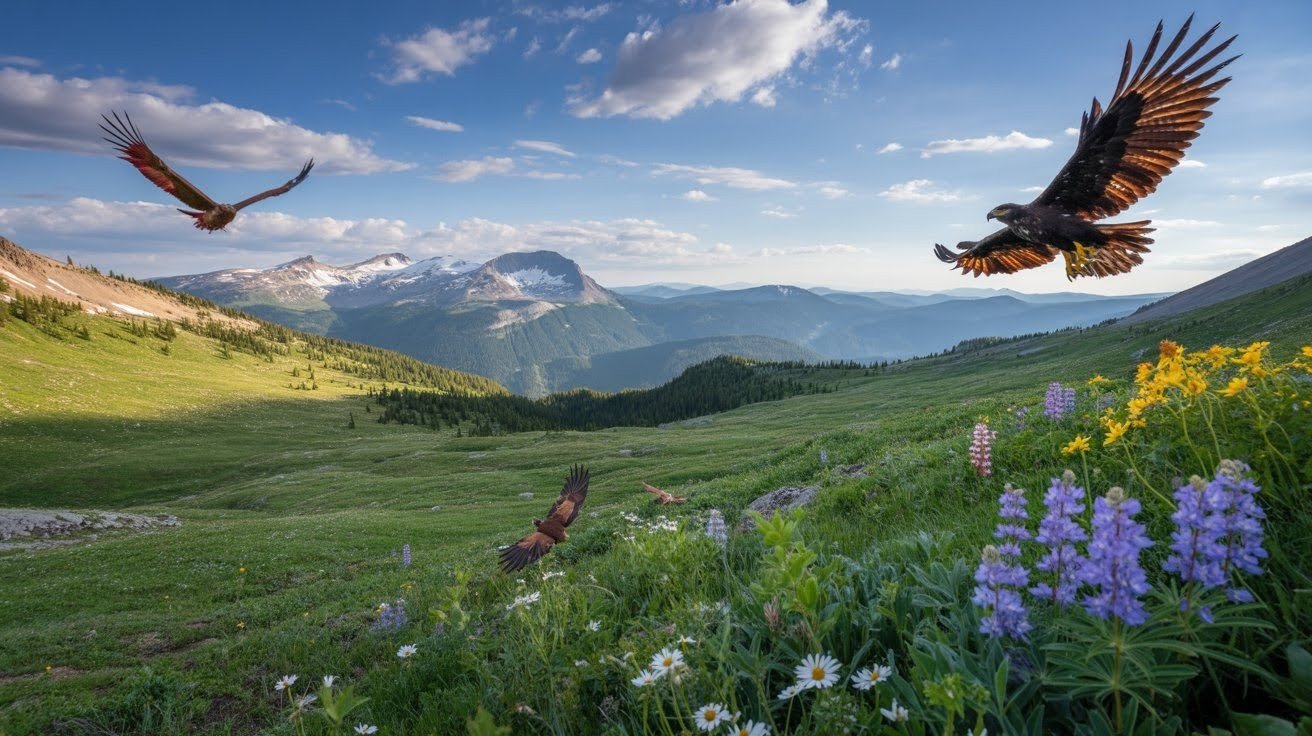
The high elevation areas around Dunraven Pass and Mount Washburn provide exceptional birdwatching. Hawks, golden eagles, and peregrine falcons soar on thermal currents. The trails to Mount Washburn’s summit occasionally yield bighorn sheep and marmot sightings.
Hike to the summit in summer for 360-degree views and abundant wildflowers. Birds of prey hunt smaller mammals in the alpine meadows. Bring layers, as the weather changes rapidly at 10,000+ feet elevation.
The pass itself (when open, typically late May through October) offers pullouts for scanning valleys below. Look for soaring birds against the sky and animals moving across distant hillsides. This location rewards those willing to hike and spend time in the high country.
East Entrance Road: Frequent Grizzly Sightings
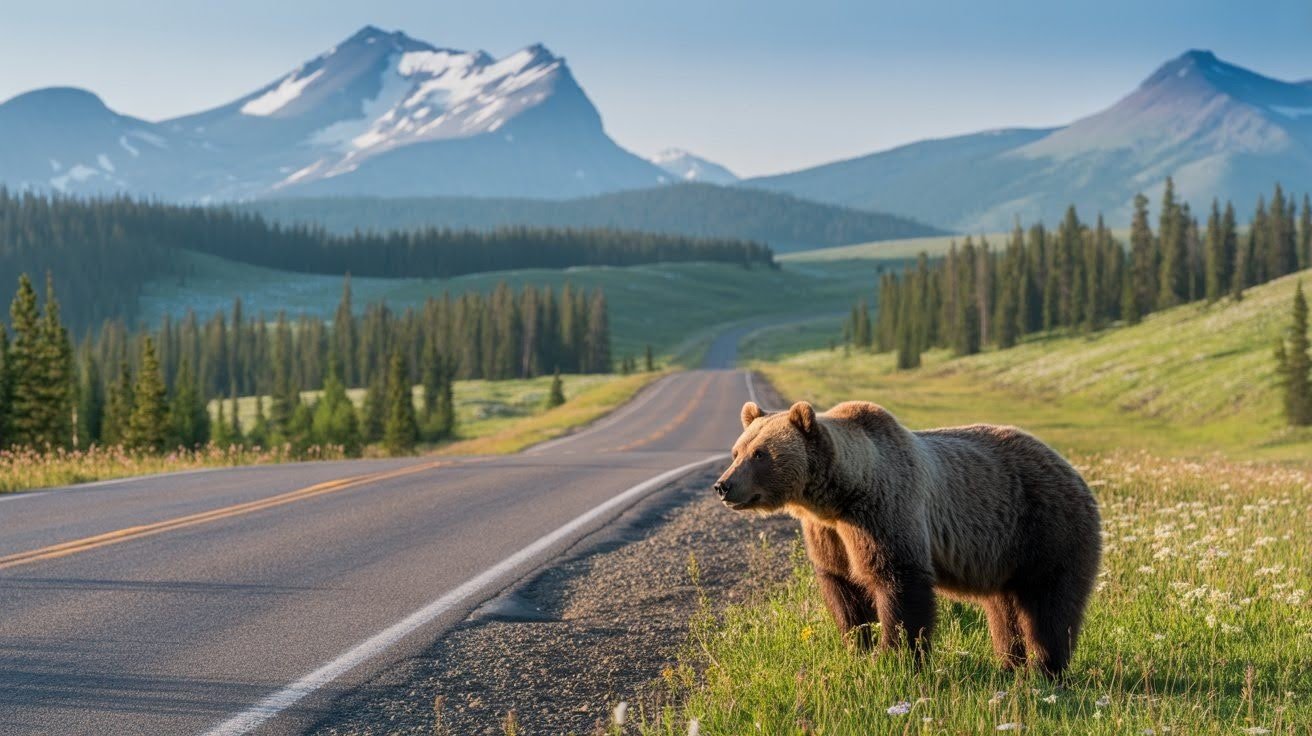
The road from Fishing Bridge to the East Entrance runs through prime grizzly bear country. Open meadows near Yellowstone Lake’s eastern shore attract bears feeding on spawning cutthroat trout in tributary streams, roots, and pine nuts.
Spring brings bears from their dens to feed intensively. Summer sees continued activity as they prepare for another hibernation. Scan meadows systematically, looking for the distinctive shoulder hump and dished face profile of grizzlies.
Rangers often monitor bear activity here, and they’ll inform you of recent sightings. Never approach bears on foot, and always stay near your vehicle in designated areas. The combination of mountain views and bears.
Expert Tips to Maximize Wildlife Viewing
Success in finding where to see wildlife in Yellowstone combines preparation, timing, and patience. These proven strategies will significantly improve your chances of memorable encounters.
- Rise before dawn and stay until dusk: Animals are most active during these golden hours when temperatures cool and human activity decreases. The soft light also creates better photography conditions.
- Invest in quality optics: A good pair of binoculars (8×42 or 10×42) and a spotting scope extend your viewing range dramatically. Many animals maintain safe distances, so magnification is essential.
- Consult rangers daily: Stop at visitor centers each morning for updated wildlife reports. Rangers know recent sightings and can direct you to active areas, saving hours of random driving.
- Practice extreme patience: Wildlife watching requires waiting, sometimes for hours. Bring snacks, water, and layers. The best sightings often come to those who remain still and quiet in one productive location.
- Master animal behavior reading: Watch for signs like birds circling (indicating a carcass or predator), magpies and ravens gathering (suggesting wolves or bears nearby), or bison suddenly alert and staring (possible predator approach).
Conclusion
Namely,Yellowstone is one of the top four places on the planet where people can see animals in the wild in their natural habitat. The 12 locations documented here are the places where you will be most likely to see these animals. Bears, wolves, bison, elk, and many more.
It is worth noting that the viewing of the wild creatures should be done with the utmost respect towards animals and their living quarters. Observe all the rules of the park, keep the distances that are required, and never give food to or get close to the animals.
You should not forget to bring binoculars, have your camera ready, and be willing to get up at dawn. The marvel of seeing a wolf pack work out a hunt or a grizzly bear visit its meadow will be there for you.
Frequently Asked Questions
What is the best time of year to see wildlife in Yellowstone?
Late April through May offers peak viewing as animals emerge from winter with newborns. September through October also excels with rutting elk, active predators, and fewer crowds. Winter concentrates animals in accessible northern areas for hardy visitors.
How close can you get to wildlife in Yellowstone?
Federal regulations require staying at least 25 yards from most wildlife and 100 yards from bears and wolves. Use binoculars or telephoto lenses for closer views. Never approach animals on foot, and stay in or near your vehicle in bear country.
What should I bring for wildlife watching in Yellowstone?
Essential items include quality binoculars, a spotting scope with a tripod, layered clothing for changing weather, food and water, sunscreen, bear spray, and a camera with a telephoto lens. Download park maps and check weather forecasts before heading out each day.
Can you see wolves in Yellowstone without a guide?
Yes, many visitors see wolves independently, especially in Lamar Valley and Slough Creek during early morning hours. Join groups of wolf watchers with scopes at popular pullouts. They often share views and information. Patience and dawn visits increase your success significantly.
Are there dangerous animals I should worry about in Yellowstone?
Bison cause more injuries than any other animal, as people approach too closely. Grizzly and black bears pose risks if surprised or protecting cubs. Make noise while hiking, carry bear spray, and never run from wildlife.
