

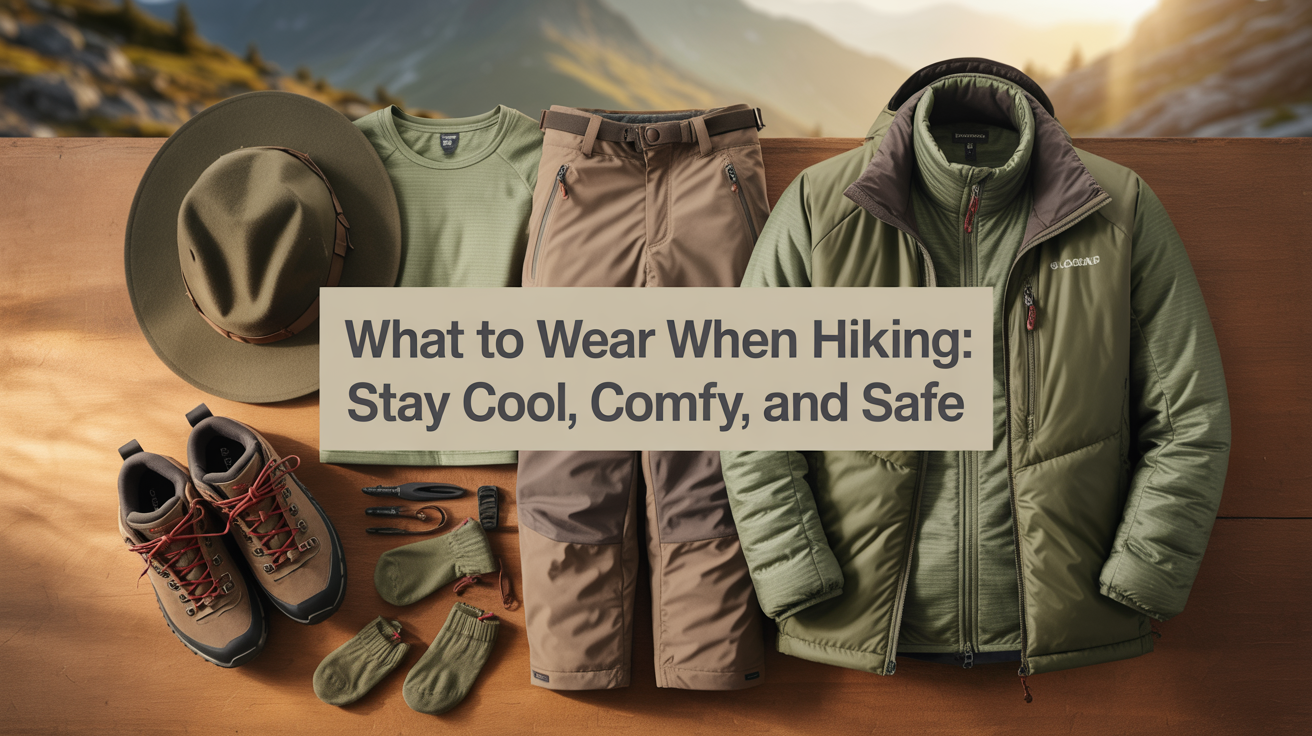
I’ve made every clothing mistake you can make on a trail. Cotton shirts that turned into wet rags. Jeans that chafed. Boots that gave me blisters two miles in. Learn from my failures instead of repeating them.
This guide covers exactly what to wear hiking, from base layers to footwear, so you stay comfortable, dry, and safe no matter the weather or trail difficulty. I’ll show you what actually works, not just what looks good in photos.
You don’t need expensive gear to hike well. You just need the right basics. I’ve spent years testing clothing on everything from easy day hikes to multi-day backpacking trips, and I’m sharing what genuinely makes a difference. Let’s get you dressed right so you can focus on the trail, not your wardrobe.
Understanding the Hiking Layering System
I learned this system the hard way, shivering on a mountain in what I thought were good clothes. You need more than just “warm stuff.” You need layers that work together. Think of it like building blocks for your body. The Three Core Layers. This approach works for any hike, any season. I use it year-round.
Base Layer (Next to Skin)
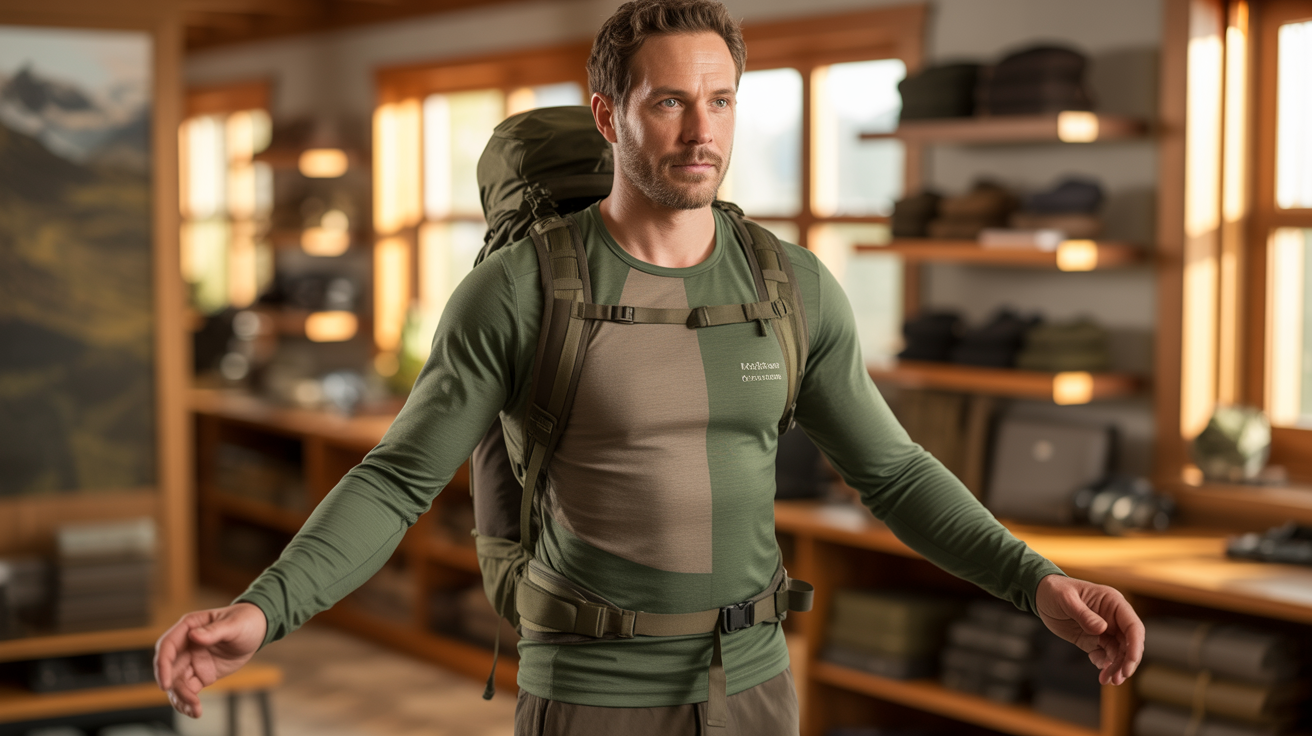
This layer sits against your skin. It’s your first line of defense. Its job is simple: pull sweat away from your body and keep you dry.
- Merino wool: warm even when wet, doesn’t smell
- Polyester: dries fast, affordable
- Nylon: lightweight, durable
Cotton holds moisture. It makes you cold. I once wore a cotton shirt on a spring hike and regretted it for hours. Stick with synthetic fabrics or wool. Look for wicking shirts, technical underwear, or lightweight thermals.
Mid Layer (Insulation)
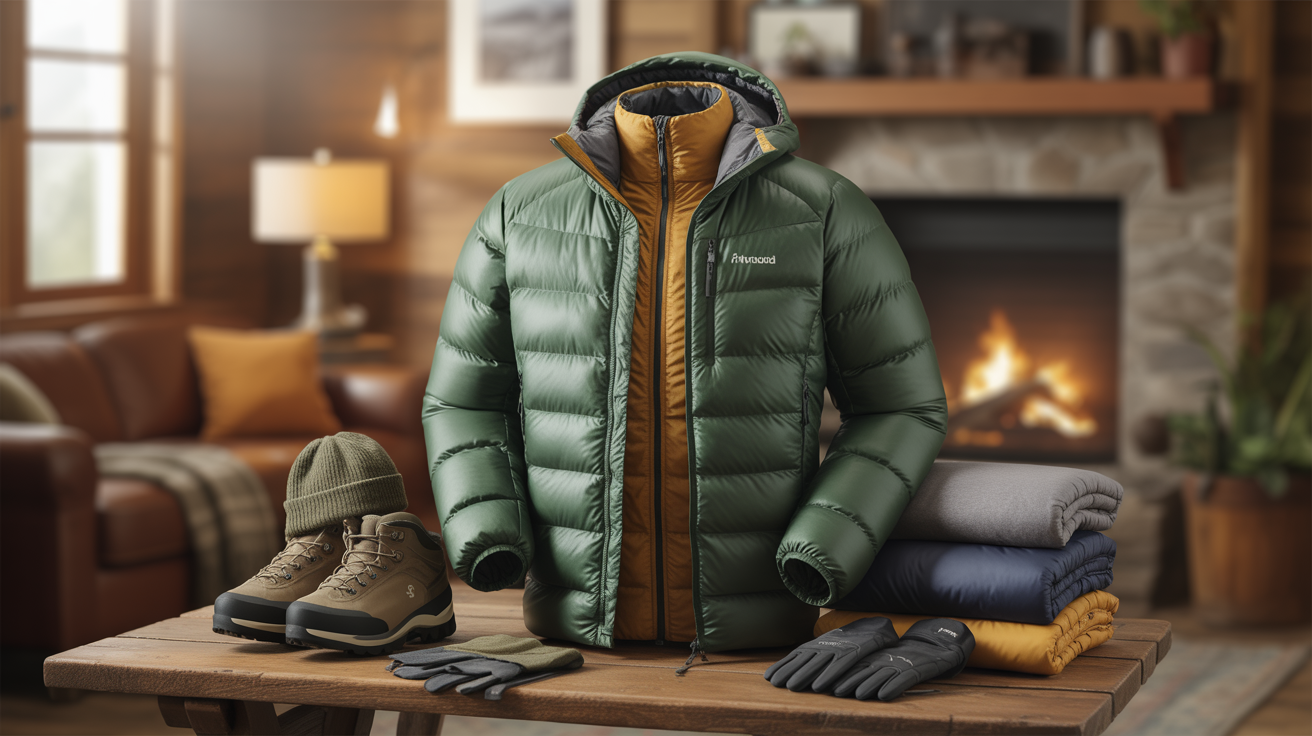
This layer traps your body heat. It creates a warm air pocket around you. Without it, you lose heat fast.
- Fleece jackets for breathability
- Puffy vests for core warmth
- Synthetic down for wet conditions
Temperature matters. I wear a lightweight fleece when it’s 50°F. I add an insulated jacket when it drops below freezing.
The beauty of this system? You adjust based on conditions. Too warm? Remove the mid-layer. Cold again? Put it back on.
Outer Layer (Shell or Protection Layer)
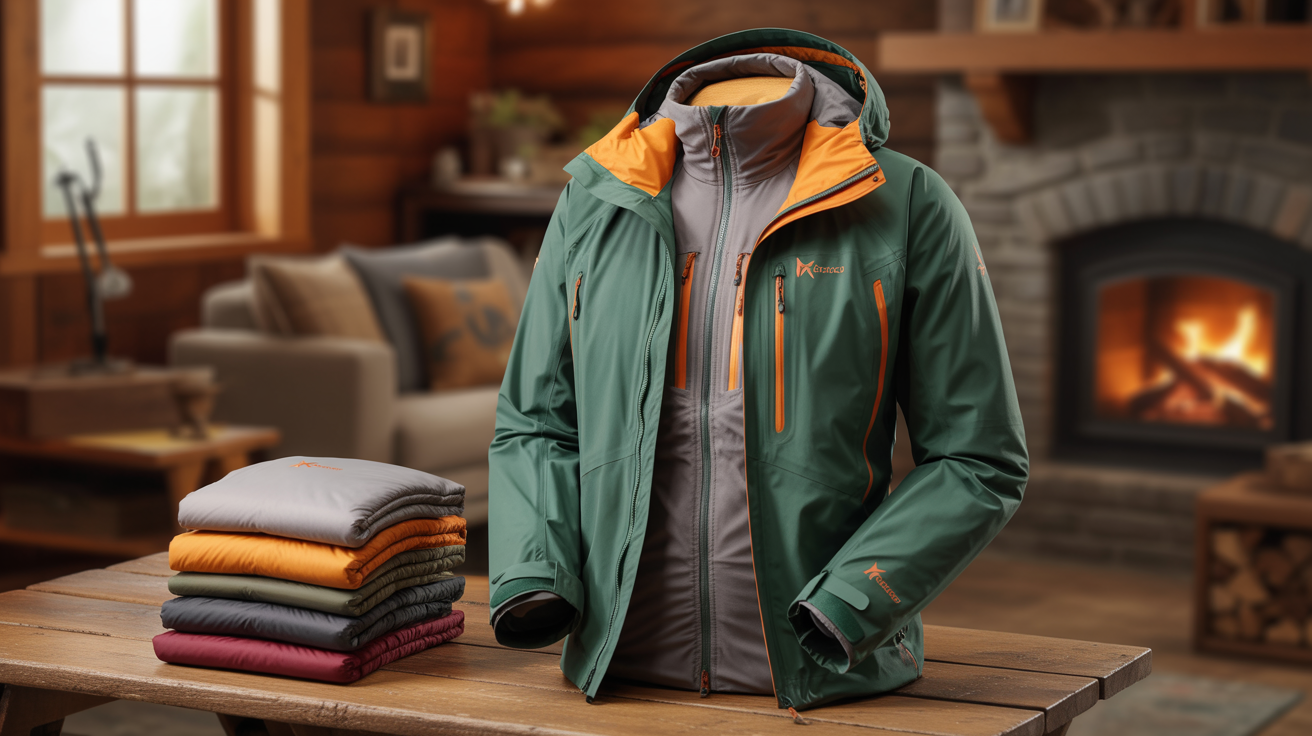
This is your shield. Rain, wind, snow, it blocks everything trying to get in. No outer layer means nature wins.
Your shell should be:
- Waterproof or water-resistant
- Windproof
- Packable (so you can carry it when not in use)
I carry a lightweight rain jacket on every hike. Even if the forecast looks clear. The weather changes fast in the mountains. A good shell weighs almost nothing but saves you when conditions turn bad.
Essential Hiking Clothing from Head to Toe
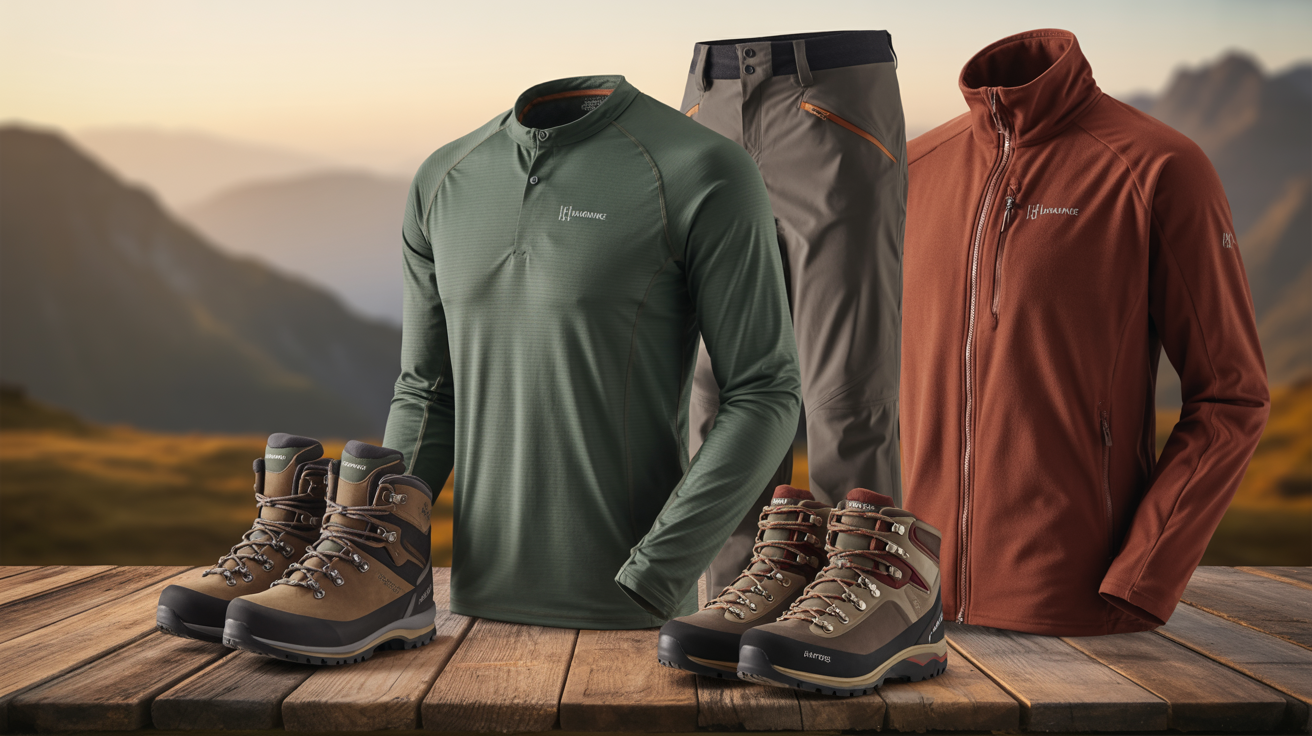
I’ve learned that what you wear can make or break your hike. The right clothes keep you comfortable when conditions change. Let me walk you through what actually works on the trail.
Moisture-Wicking Shirts
Your shirt is your first line of defense against sweat and discomfort. Cotton holds moisture, which means you’ll stay wet and cold.
That’s why I always choose synthetic fabrics or merino wool instead. Pick short-sleeves for warm weather and long-sleeves when it’s cooler or you need sun protection.
Look for shirts with cooling technologies like Omni-Freeze™ or UPF-rated fabrics. For cold-weather hikes, pack a thermal base layer underneath.
Quick-Drying Pants, Shorts, or Leggings
Your bottom layer needs to move with you and dry fast. I stick with nylon or polyester blends because they’re lightweight and durable.
They won’t weigh you down when wet. Convertible pants zip off at the knee for changing weather, while leggings give you flexibility and feel comfortable all day. Avoid denim; it’s heavy, doesn’t dry, and will ruin your hike.
Outerwear and Jackets
A good jacket protects you without making you overheat. I always pack a lightweight rain jacket or windbreaker, even when the forecast looks clear.
The weather changes fast in the mountains. For colder hikes, bring an insulated jacket with pit zips for ventilation, waterproof seams to keep rain out, and breathable fabric so you don’t get soaked from the inside.
Socks, Small But Essential
Bad socks cause blisters. Good socks make miles feel easier. I learned this the hard way after ruining several hikes with cotton socks.
Moisture-wicking materials like merino wool or synthetics keep your feet dry. Brands like Darn Tough, Smartwool, and Injinji make socks that actually last.
Footwear for Every Trail
Your shoes matter more than any other piece of gear. The wrong choice leads to pain, blisters, or injury. Hiking boots give you support and protection on rough terrain, while trail runners are lighter and more breathable for long distances.
Hiking sandals work for hot weather or trails with stream crossings. Break in new shoes before your hike and add gaiters when the trails get muddy or snowy.
Headwear for Protection
Your head and neck need protection from the sun and the cold. A brimmed hat with an UPF rating blocks harmful rays on exposed ridges.
Cold weather calls for a beanie or thermal hat. A buff or neck gaiter works year-round, it shields your neck from the sun in summer and adds warmth in winter.
Gloves
Your hands get cold before you expect them to. Lightweight gloves handle cool mornings perfectly. I keep a pair in my pack even during summer for high-altitude starts.
Winter hiking requires waterproof, insulated gloves with touchscreen-compatible designs so you can use your phone without taking them off.
Sunglasses and Eye Protection
Sun glare causes headaches and eye strain. Polarized lenses cut through glare from water, snow, and rocks.
Photochromic lenses adjust to changing light conditions automatically, working great when you move between shaded forests and open ridges. UV-blocking sunglasses are required for high-altitude or desert hikes where sun intensity increases.
Smart Hiking Accessories for Comfort and Safety
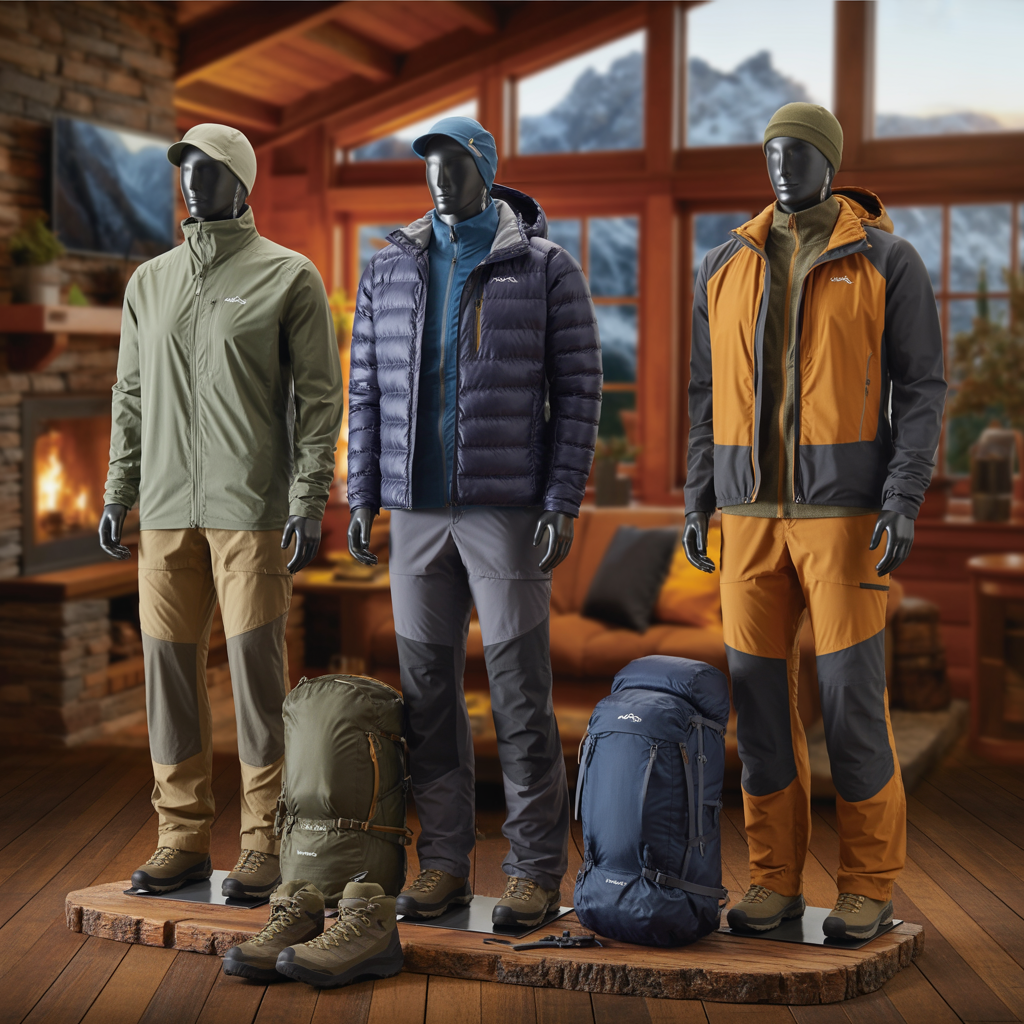
The right accessories keep you safe and comfortable on the trail. I never hit the trail without these essentials. They’ve saved me more times than I can count.
- Backpacks and Daypacks: Choose the right size. Day hikes need 15-25L while long treks require 30-50L. Look for a breathable back panel, adjustable straps, and hydration compatibility for maximum comfort on the trail.
- Hydration Essentials: Keep moving by carrying at least 1.5-3L depending on distance and temperature. Use hydration bladders, reusable bottles, or stainless steel containers because staying hydrated prevents fatigue and cramps.
- Trekking Poles: Get stability on uneven ground and reduce knee strain by about 25% on descents. They distribute impact across your whole body instead of just your legs and joints.
- Lighting and Rain Protection: A flashlight or headlamp saves you if the hike takes longer than planned, while a lightweight rain cover protects your gear from sudden storms. I keep both in my pack always, even on short morning hikes.
- Insect Repellent and Sunscreen: Protect yourself from bugs and harmful UV rays at any altitude. Apply both before starting and reapply during breaks. I’ve learned that prevention beats dealing with bites and burns later.
Dressing for Different Hiking Conditions
I’ve learned this the hard way: the right clothes can make or break your hike.
- Warm Weather Hiking: Hot days need smart choices. Light, breathable fabric is your best friend. I always reach for UV-rated shirts first. They protect without overheating you. Shorts work great. So do moisture-wicking tanks.
- Cold Weather Hiking: Base layer first. Mid-layer second. Insulated outer layer last.. I live in fleece-lined leggings when it’s freezing. Regular pants just don’t cut it. Don’t forget to take gloves, wool socks, and a thermal beanie.
- Rainy or Wet Conditions: Pack waterproof (not water-resistant) boots, a breathable shell jacket, quick-dry synthetic layers, and extra socks in a ziplock bag; wet socks ruin everything.
- Mountain and Alpine Hikes: Weather shifts fast at altitude, so layer with insulating base layers, a windproof jacket, and gaiters, pack for the worst conditions even if the trailhead feels warm.
Conclusion
Now you know what to wear when hiking. It’s not complicated. Skip cotton, choose moisture-wicking layers, wear proper footwear, and dress for the weather. That’s really it.
You don’t need to spend a fortune or own every piece of technical gear out there. Start with the basics: good socks, comfortable shoes, and layers you can adjust. The rest comes with experience and figuring out what works for your body and your trials.
Got questions about specific gear or conditions I didn’t cover? Drop a comment below. I read every single one, and I’m happy to help. And if this guide helped you feel more confident about your next hike, share it with a friend who’s just getting started. Happy trails.
Frequently Asked Questions
What should you not wear while hiking?
Avoid cotton clothing; it holds sweat and takes forever to dry, leaving you cold and uncomfortable. Skip jeans too; they’re heavy and restrict movement. Don’t wear brand-new boots without breaking them in first. Also, to avoid loose jewelry that can snag on branches, and skip anything too tight that limits your range of motion.
What is the best material to wear for hiking?
Synthetic fabrics like polyester and nylon work best; they wick moisture away and dry quickly. Merino wool is excellent too, especially for socks and base layers, since it regulates temperature and resists odors. Both materials keep you comfortable in various weather conditions without holding sweat like cotton does.
Should I wear leggings or pants for hiking?
Both work, depending on the trail and weather. Leggings are great for warm weather and easier trails; they’re flexible and lightweight. Hiking pants offer more protection from rocks, branches, and bugs on rugged trails. Choose pants with some stretch for better movement. In cold weather, pants with extra insulation win.
What kind of shoes should I wear for hiking?
Trail shoes work for easy, well-maintained paths; they’re lightweight and flexible. Hiking boots provide ankle support and durability for rocky or uneven terrain. Make sure whatever you choose fits well with hiking socks and has good tread. Break them in before your trip to avoid blisters on the trail.
How many layers should I wear hiking?
Use three layers: a moisture-wicking base layer next to your skin, an insulating mid-layer for warmth, and a waterproof outer shell for protection from wind and rain. You won’t always need all three; e, adjust based on weather and activity level. The key is being able to add or remove layers as conditions change.
