

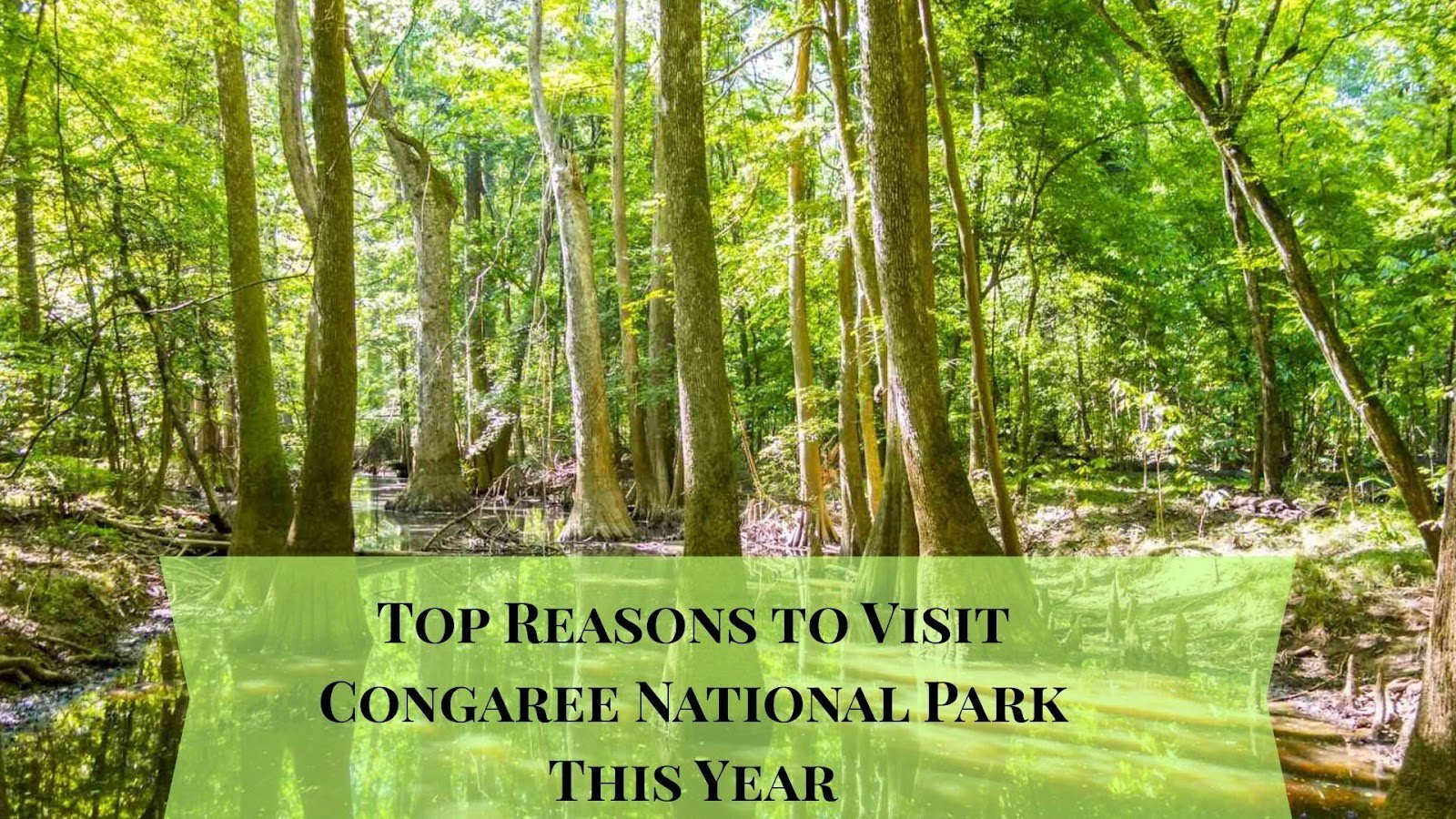
Are you looking for a national park that’s actually different? Congaree isn’t your typical tourist spot. It’s a flooded forest in South Carolina where you can walk among some of the tallest trees in the East.
This guide shows you exactly why Congaree deserves a spot on your travel list. You’ll find out what makes it special, when to go, and what to do there. No fluff, just honest reasons from someone who’s researched this place thoroughly.
I’ve pulled together real information about Congaree’s unique ecosystem, activities, and seasonal highlights. If you’re planning a quick day trip or a weekend adventure, you’ll know what to expect. Let’s enjoy why thousands of people are discovering this underrated park tucked away in the South Carolina wilderness.
Why You Should Visit Congaree National Park
I’ll be honest with you. Most people have never heard of Congaree. That’s actually part of its charm. This park protects something rare, one of the largest old-growth floodplain forests left in North America. UNESCO named it a Biosphere Reserve because ecosystems like this barely exist anymore. The trees here are massive. Some are national champions.
You’ll see record-breaking trees towering over 150 feet. Wildlife is everywhere, deer, otters, and over 200 bird species. The trails are peaceful. You might not see another person for hours. You can visit year-round for camping, kayaking, and hiking.
Compare this to Yellowstone or Zion. Those parks make you fight for parking spots. Congaree gets fewer visitors in a year than those parks see in a week. You can actually hear yourself think here. That’s becoming harder to find.
Top Reasons to Visit Congaree National Park This Year
Let me give you some practical reasons to visit. These aren’t just marketing points. They’re what actually make Congaree work for real travelers.
1. Easy to Reach From Major Southern Cities
Congaree sits less than an hour from Columbia, South Carolina. That’s it. No long mountain roads or remote desert highways.
You can reach it from Charlotte, Charleston, Atlanta, Savannah, or Myrtle Beach, all within a few hours’ drive. Perfect for day trips or weekend getaways. Follow I-77 or I-26 and watch for brown park signs near Cayce or Orangeburg. You’ll find it easily.
2. It’s Completely Free to Visit
Here’s something rare. No entrance fees. No parking fees. No permits for day visitors.
This makes Congaree perfect for budget-conscious travelers and families. You only pay if you camp overnight or book a guided kayak tour. Pack a picnic and spend the whole day enjoying without spending a dime.
3. Home to Record-Breaking Champion Trees
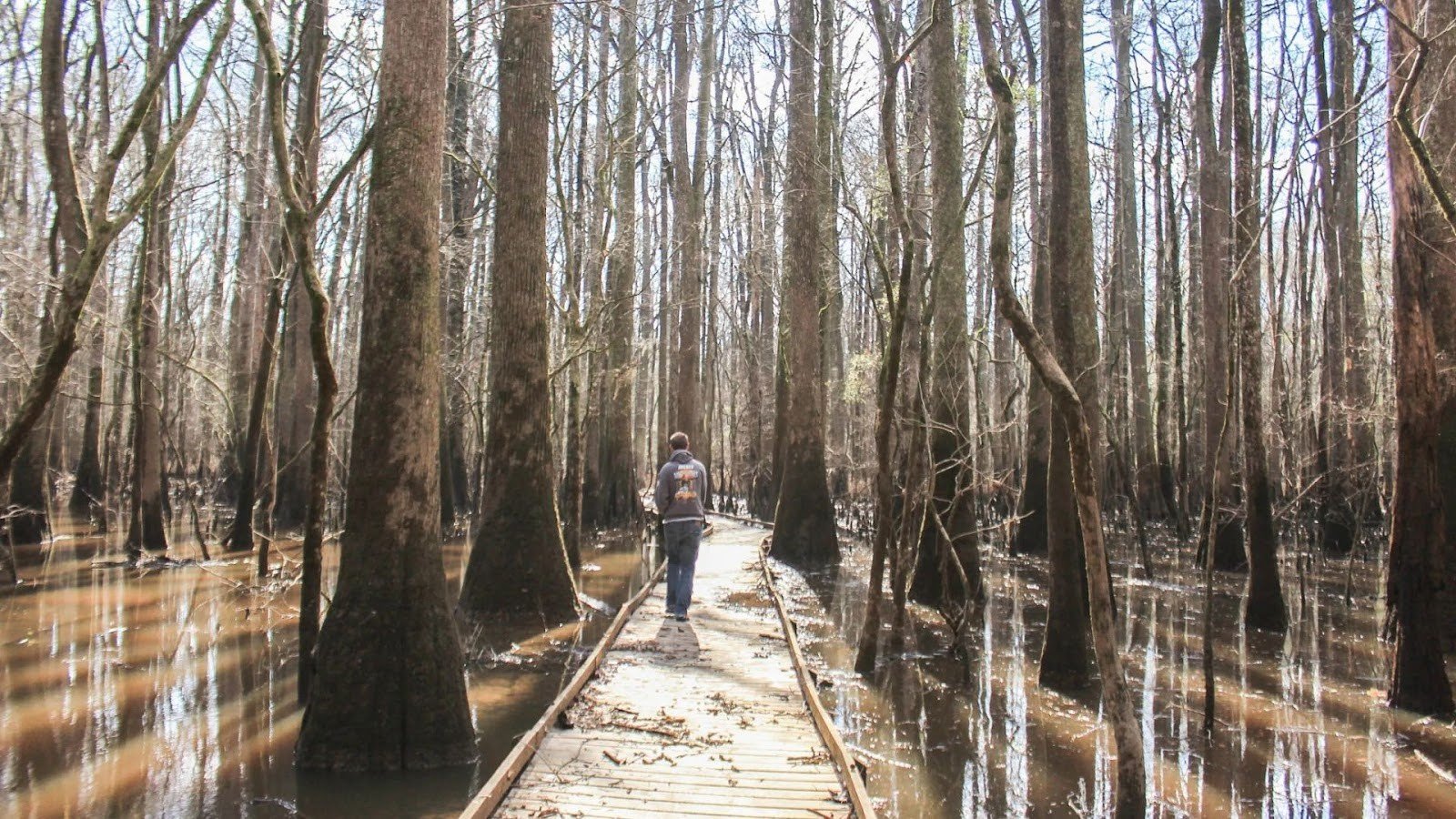
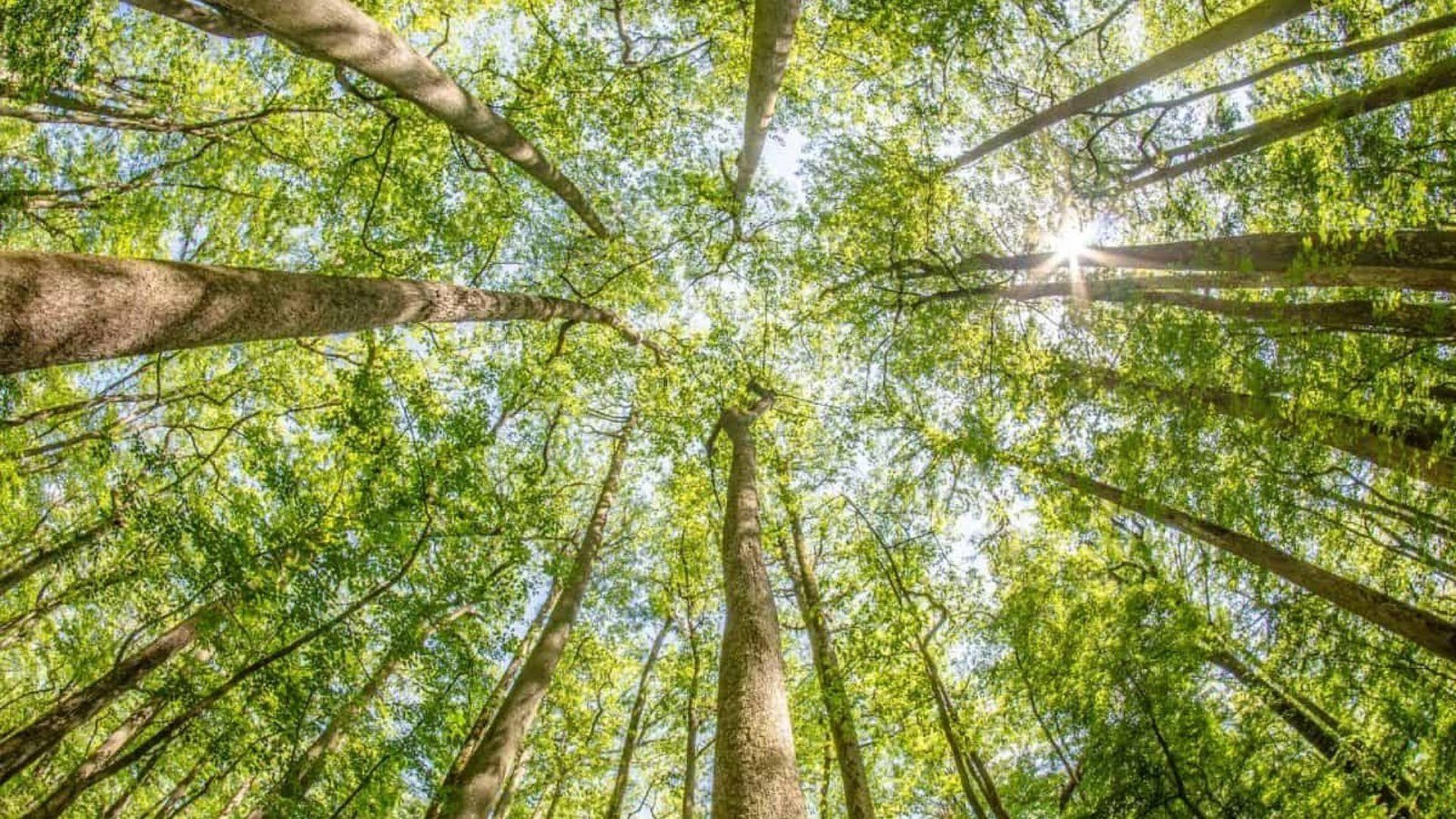
The floodplain here hosts some of the tallest trees on the East Coast. We’re talking heights comparable to California’s redwoods.
The loblolly pine reaches 167 feet. Sweetgums and cherrybark oaks tower overhead. The Boardwalk Loop Trail passes a former state champion loblolly pine it’s marked on the self-guided tour. Bring your camera. Stand beneath these giants and feel small for a minute.
4. Family and Accessibility-Friendly Trails
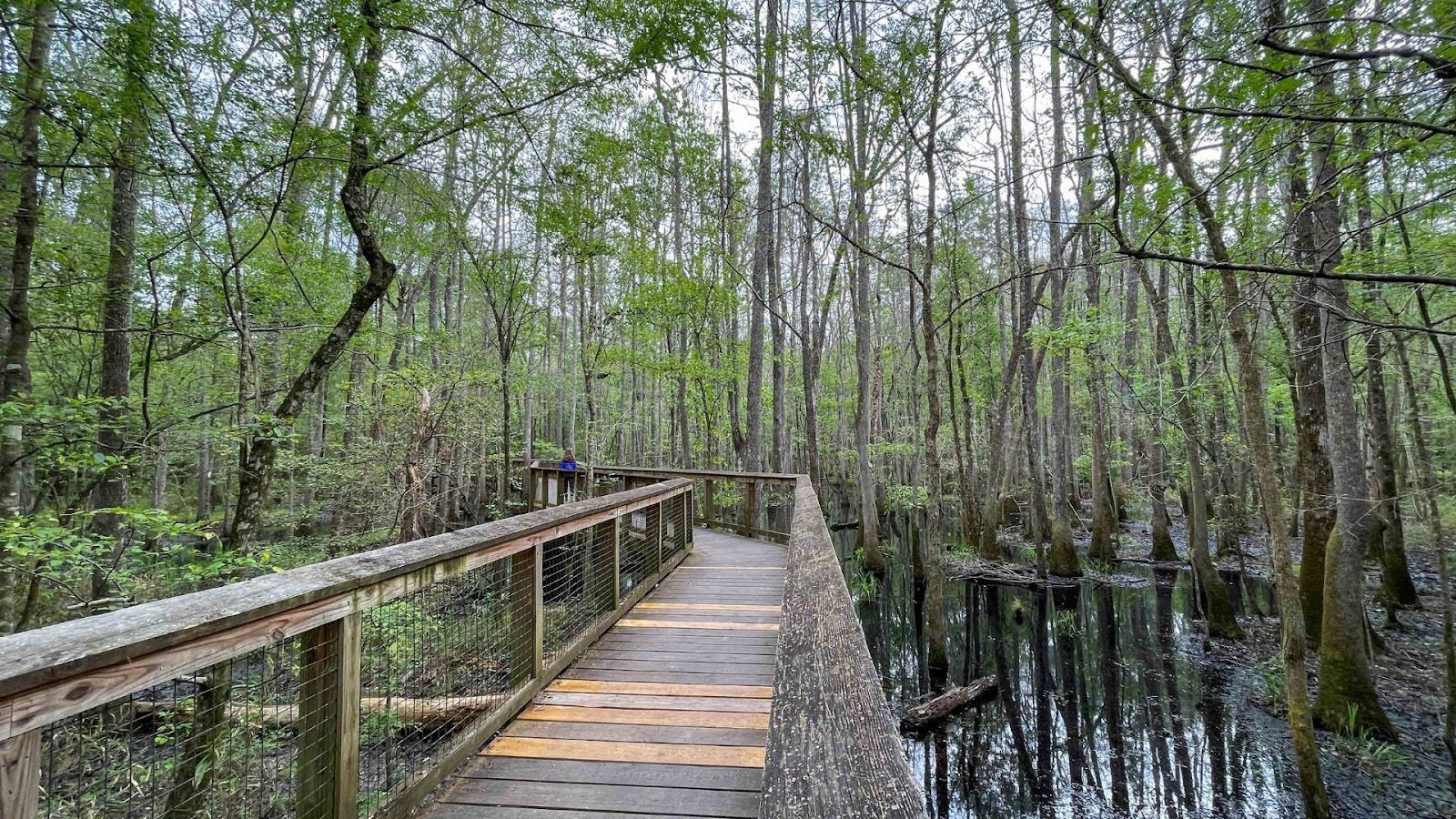
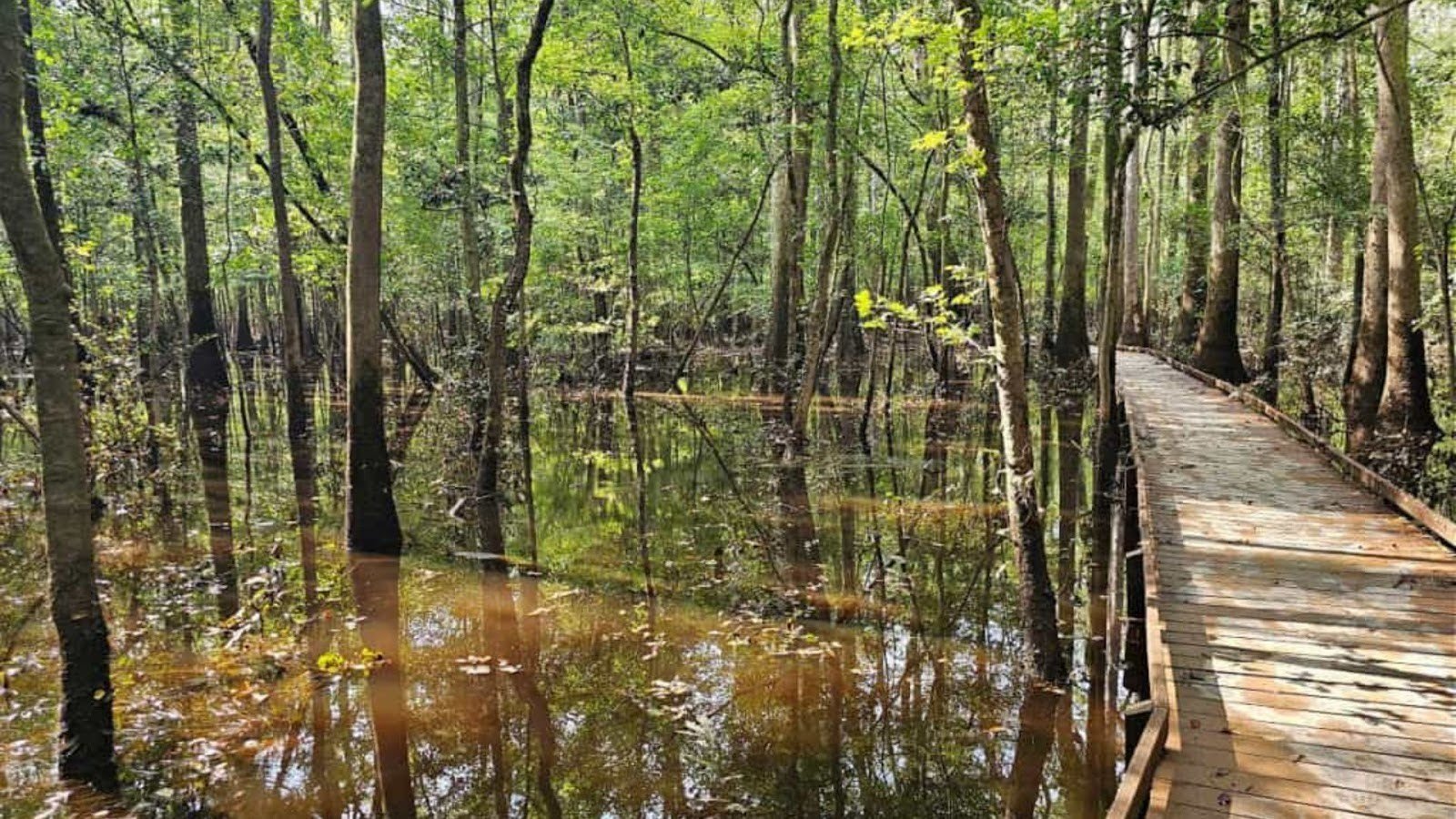
The Boardwalk Loop Trail is 2.4 miles of elevated path. It’s wheelchair- and stroller-accessible. No challenging terrain. No steep climbs.
Other easy options include Sims Trail, Firefly Trail, and Bluff Trail. All are short, flat, and ideal for kids or beginners. Check trail conditions on AllTrails+ before you go. Even non-hikers can enjoy nature here because the park’s design is truly inclusive.
5. Witness the fascinating Firefly Synchrony
Late May to early June brings something extraordinary. Thousands of fireflies blink in perfect unison across the floodplain during mating season. This happens at only two places in the entire U.S.
There’s a lottery system through the NPS website. Over 22,000 people apply annually. Only about 150 cars get in each night. You’ll need a red-light flashlight to protect wildlife during viewing they provide approved ones, or you can bring your own. Plan months ahead for this event.
6. Enjoy the Park by Water
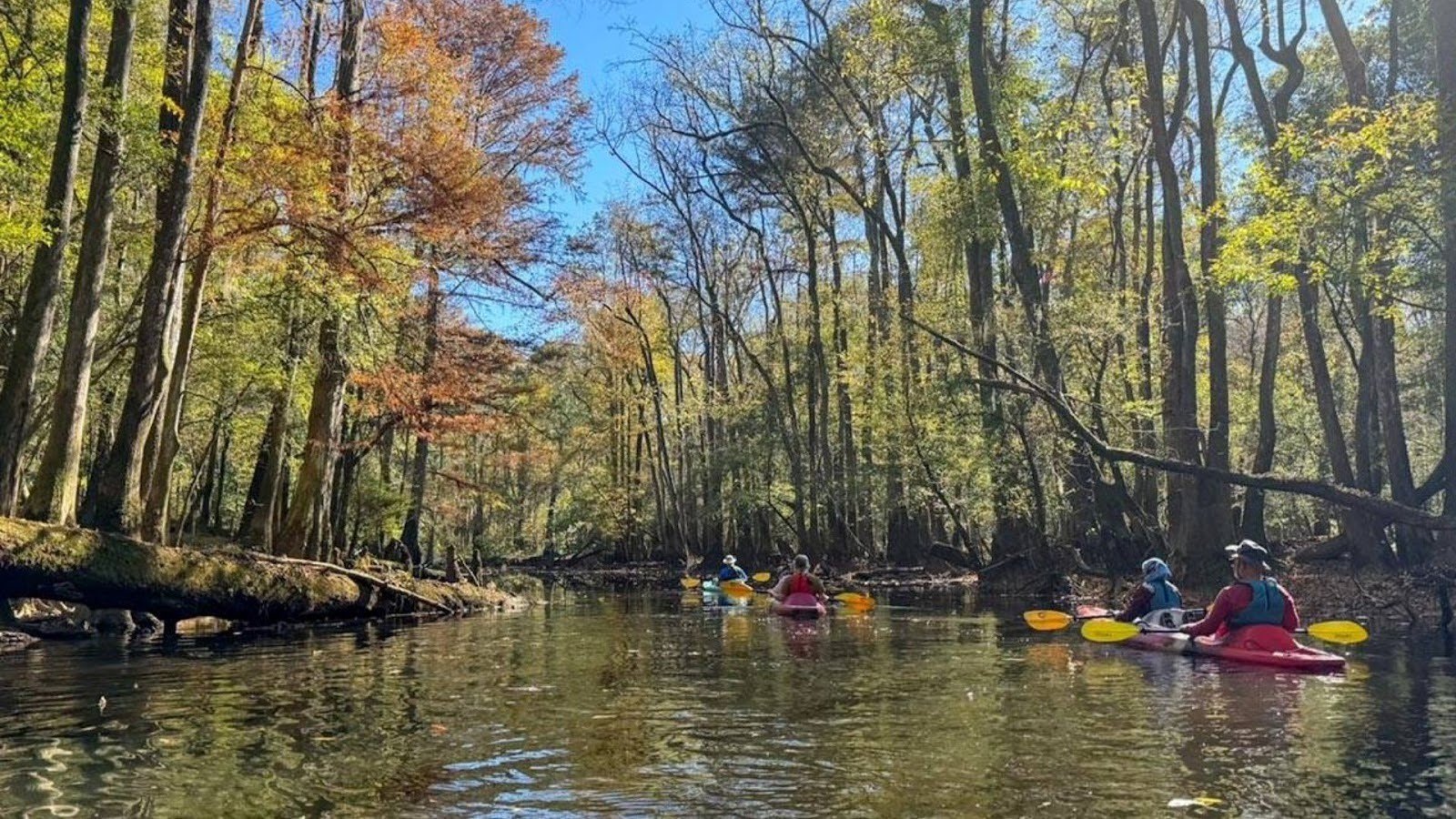
The Congaree and Wateree Rivers shape everything here. The best way to see it? Get on the water.
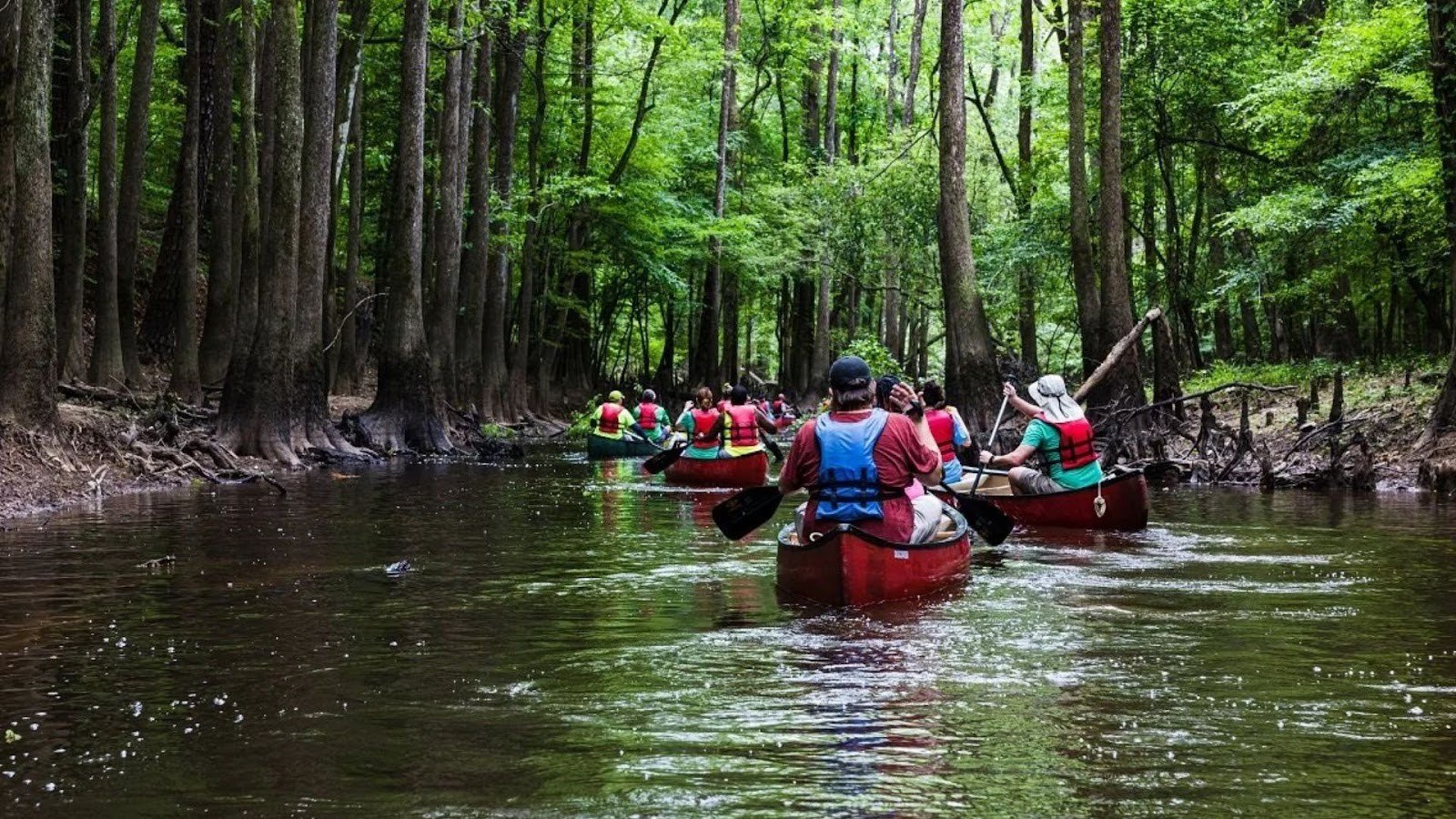
Try the Cedar Creek Canoe Trail. Go self-guided or book a tour. You’ll spot turtles, otters, herons, and even alligators. Skip the paddleboard low-hanging branches and wildlife make kayaks or canoes better choices. Outfitters near Columbia offer 4-hour guided tours for about $80 per person with all gear included.
7. Experience the Fascinating Seasonal Floodplain
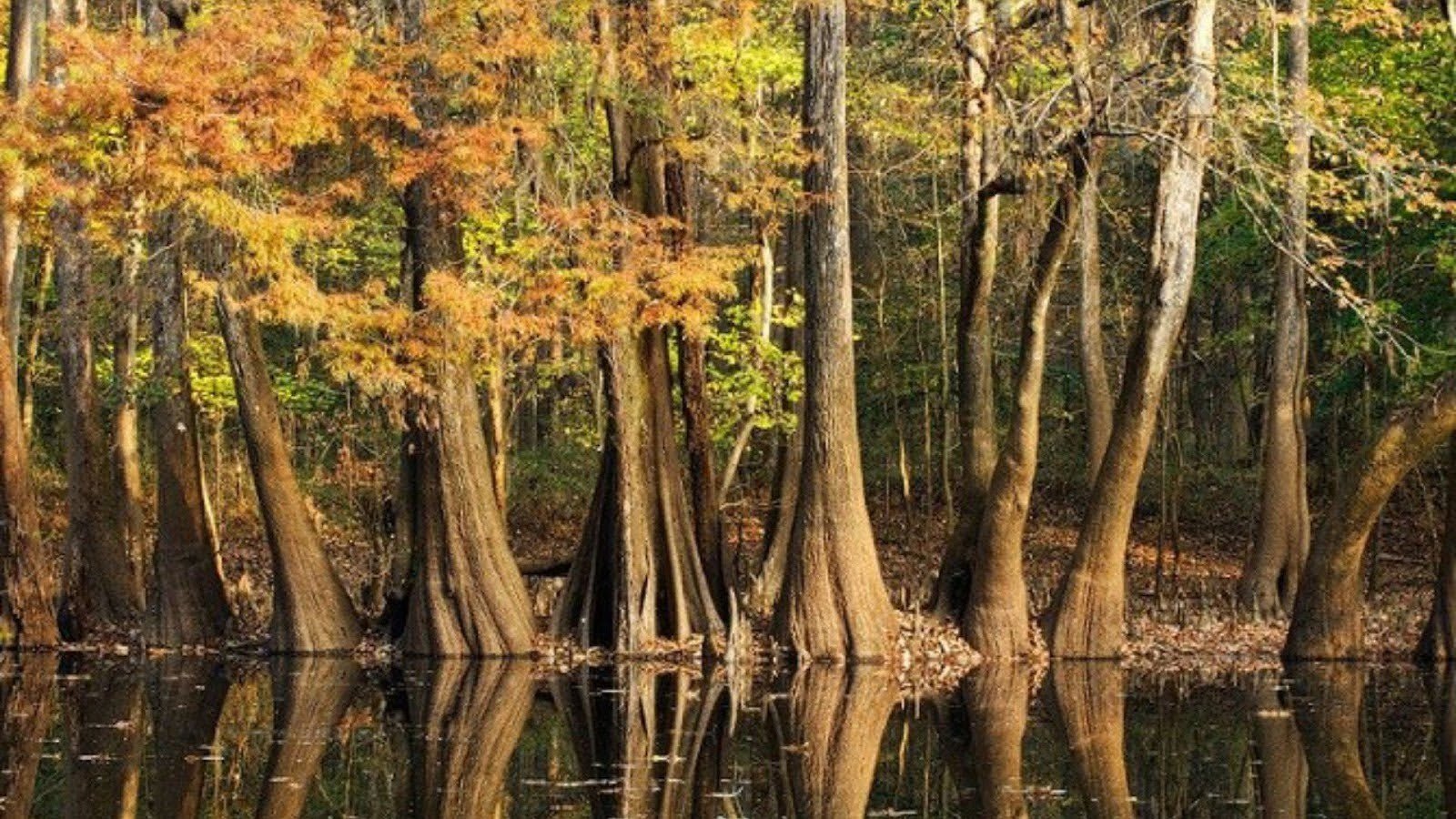
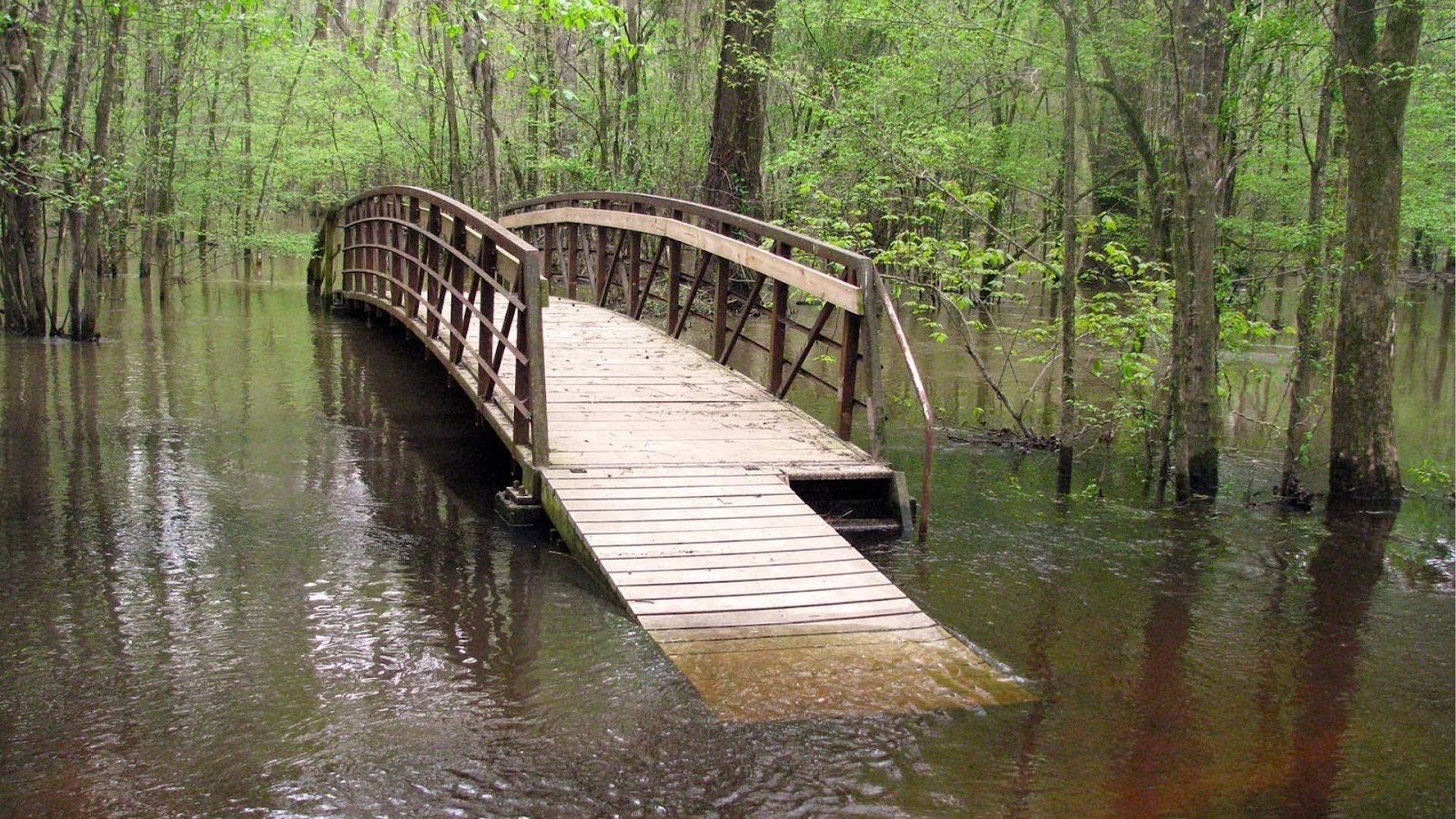
The park floods naturally from February to April. This isn’t a problem. It’s the whole point.
The floods replenish nutrients and shape the terrain. Sometimes the Boardwalk Trail ends up underwater check NPS updates before visiting. Watch how the forest transforms during high water. The reflections are surreal. The sounds change hourly. Photographers love this season.
8. Camp Peacefully Without the Crowds
Congaree offers two primitive campgrounds:
- Longleaf Campground: short walk from parking
- Bluff Campground: hike-in site about 1 mile from parking
Even during peak seasons, sites rarely sell out. That’s unheard of at most national parks. Book through Recreation.gov for easy reservations. Bring bug spray and waterproof gear this is true back-to-nature camping with minimal amenities.
9. Visit Any Season for a Different Experience
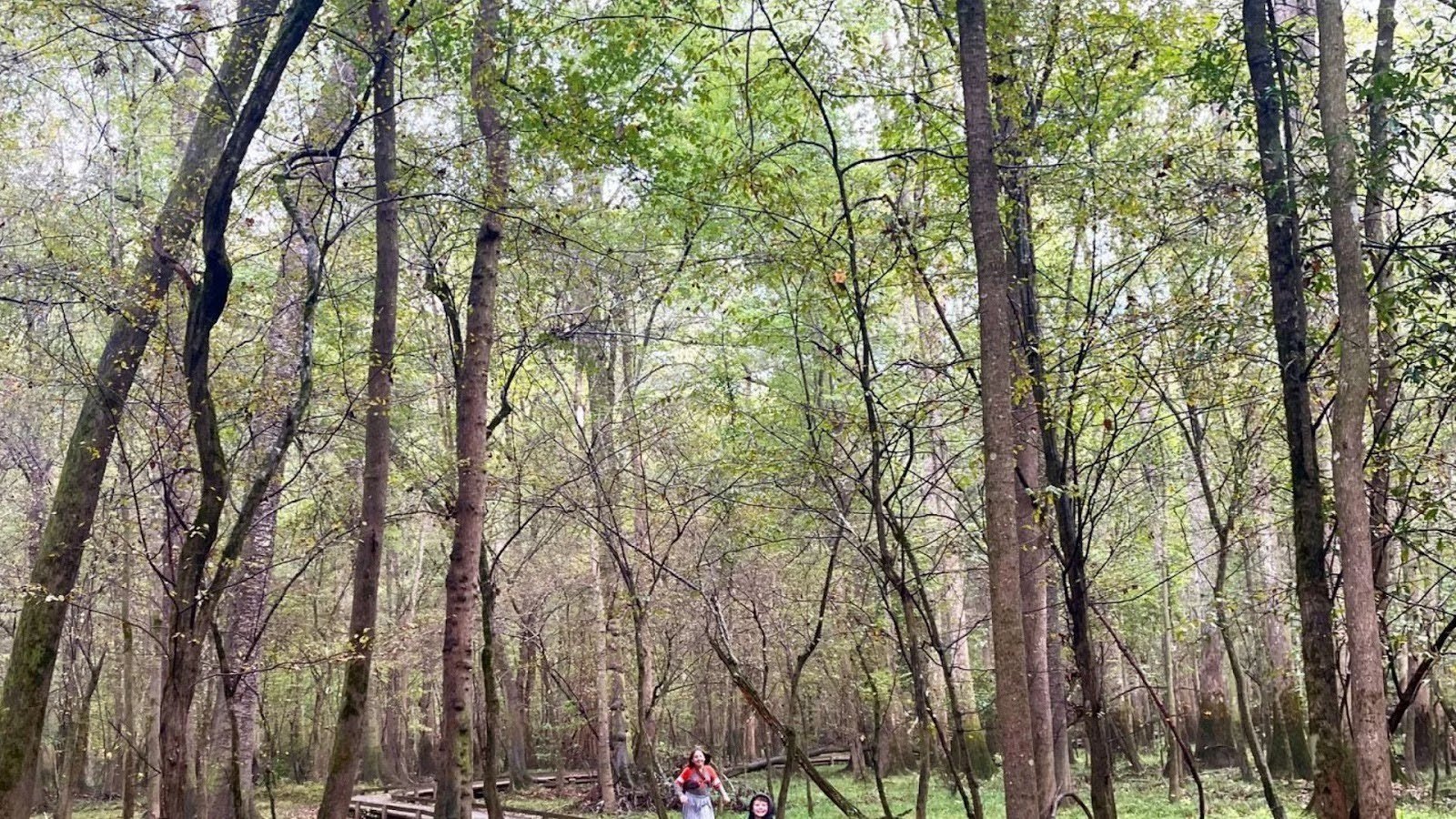
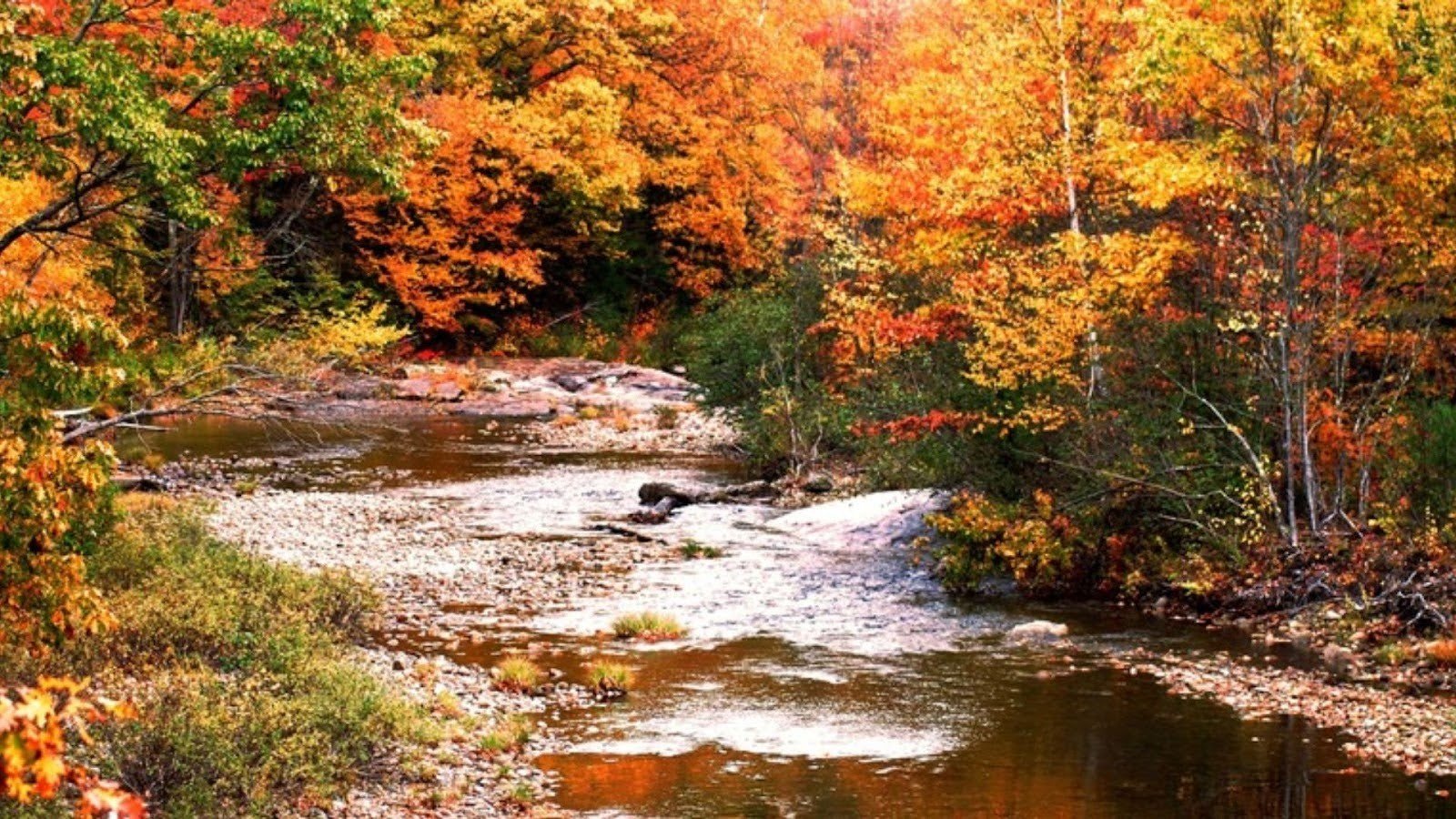
Every season offers something unique here. Spring brings blooming wildflowers and mild weather. Summer gives you a lush canopy and active wildlife (but expect mosquitoes). Fall delivers stunning foliage and peaceful trails.
Winter is my favorite, floodplain kayaking, and virtually mosquito-free exploration. You don’t need to time your visit perfectly. Congaree rewards you no matter when you show up.
Plan Your Visit to Congaree National Park
Getting to Congaree is easier than you might think. The park sits just outside Columbia, South Carolina, making it a perfect day trip or weekend adventure. You don’t need special permits or reservations to enjoy most areas.
Getting There
Columbia Metropolitan Airport (CAE) is your closest option, only 30 miles from the park entrance. Most visitors rent a car at the airport and drive straight to Congaree.
- GPS Address: 100 National Park Road, Hopkins, SC 29061
- Rental cars and guided tours are available from Columbia
- The drive takes about 35-40 minutes from downtown
No shuttles run directly to the park. You’ll need your own transportation or a tour group to reach the entrance.
Visitor Center Information
The Harry Hampton Visitor Center is your first stop. It opens daily from 9 AM to 5 PM, except on major holidays like Thanksgiving and Christmas.
- Free trail maps and educational exhibits
- Clean restrooms and helpful rangers
- Personalized trail advice based on current conditions
Stop here first. Rangers know recent wildlife sightings and which boardwalks are best for your visit. They’ll save you time and help you avoid flooded areas.
What to Bring
Water is essential you’ll need at least one liter per person for short hikes. The humid climate makes you sweat more than expected, even in winter.
- Bug spray, hat, sunscreen, and binoculars
- Camera with extra batteries
- Seasonal gear like waterproof shoes or jackets
Consider bringing a picnic lunch. No food is sold inside the park. Optional items include a kayak for water trails and a flashlight if you’re staying past dusk.
Safety Tips
Stay on marked trails at all times. Venomous snakes live throughout the park, and mosquitoes swarm in unmarked areas.
- Seasonal flooding after heavy rain
- Limited cell service in backcountry areas
- Rapidly developing afternoon thunderstorms
Download offline maps before entering the park. Tell someone your hiking plan before you go. Rangers at the visitor center provide updated trail conditions every morning, so check with them first.
Where to Stay Near Congaree National Park
You have several options for overnight stays near the park. Some visitors camp right inside Congaree, while others prefer hotels in nearby cities. Your choice depends on your budget and comfort level.
- Camping Options: Longleaf and Bluff Campgrounds sit inside the park with primitive sites, pit toilets, and no hookups. First-come, first-served basis with free entry, bring everything you need since stores are 20 minutes away.
- Nearby Hotels: Columbia, Cayce, and West Columbia offer comfortable rooms 20-40 minutes from the park. The Graduate Hotel ($200+/night, pet-friendly) and Courtyard Columbia-Cayce (near I-77, $120-150/night) are popular choices.
- Glamping Options: Gypsy Camper provides vintage campers with air conditioning and real mattresses starting around $100/night. You get the campfire experience with fewer bugs and actual beds instead of sleeping on the ground.
Conclusion
Ready to visit Congaree National Park? You now know what makes this place worth the trip. The champion trees, peaceful boardwalks, and quiet waterways offer something you won’t find at crowded parks.
You’ve got the information you need to plan your visit. Pick your season, choose your trails, and pack accordingly. Congaree is waiting, and it’s easier to reach than you might think.
Have you been to Congaree before? Drop a comment below and share your experience. If this guide helped you plan your trip, pass it along to someone else who loves discovering hidden gems. Safe travels, and enjoy those towering trees.
Frequently Asked Questions
What is the best time to visit Congaree National Park?
A: Fall and spring offer the best conditions. October through May brings cooler temperatures and fewer mosquitoes. Winter is ideal for hiking, while spring showcases wildflowers. Summer gets hot and buggy, but you’ll find fewer crowds and excellent canoeing opportunities during higher water levels.
How long does it take to visit Congaree National Park?
A: Most visitors spend 2-4 hours enjoying the park. The Boardwalk Loop takes about an hour. A full day allows time for longer trails and canoeing. If you’re camping, a weekend gives you the complete Congaree experience, including night walks and early morning wildlife watching.
Is Congaree National Park worth visiting?
A: Absolutely. Congaree protects the largest old-growth bottomland forest in America with champion trees you can’t see elsewhere. It’s uncrowded, free to enter, and offers unique experiences like firefly displays and paddling through flooded forests. Perfect for nature lovers seeking something different.
What should I bring to visit Congaree National Park?
A: Pack insect repellent, water, and sunscreen. Wear comfortable hiking shoes and light, long clothing for mosquito protection. Bring a camera for the impressive trees. In warmer months, bug spray is essential. Check water levels online before visiting if you plan to canoe.
Can you visit Congaree National Park in one day?
A: Yes, a day trip works perfectly. You can hike the Boardwalk Loop, enjoy additional trails, and visit the Harry Hampton Visitor Center in 4-6 hours. Start early to avoid the afternoon heat. For canoeing or camping, plan an overnight stay to fully enjoy the park.
