

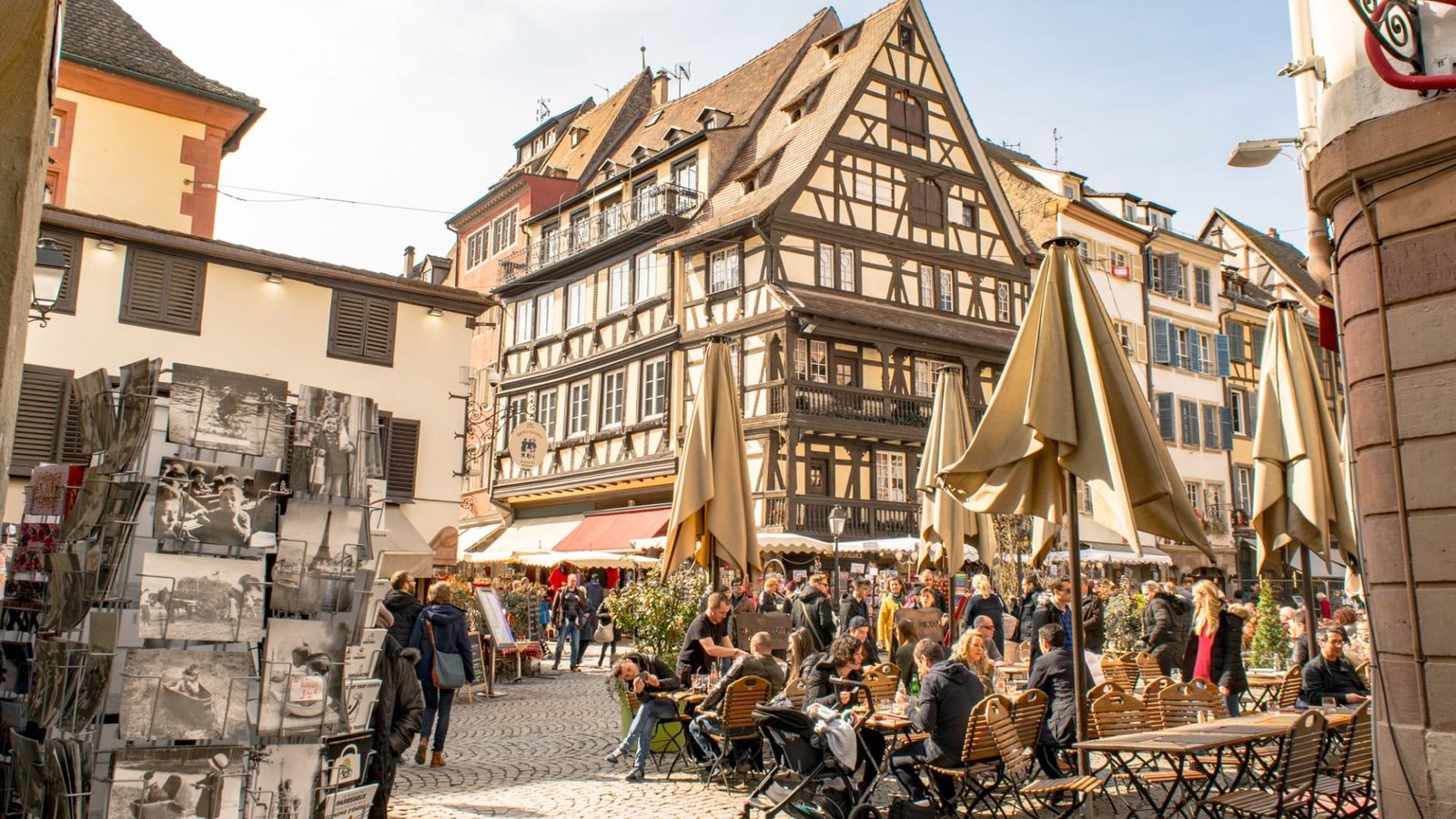
Strasbourg sits right on the border between France and Germany, giving it a character you won’t find anywhere else. The city blends French style with German traditions, creating a mix that shows up in everything from the food to the buildings.
This historic city earned UNESCO World Heritage status for good reason. Its medieval center features some of Europe’s most impressive Gothic buildings. The cathedral’s single spire has dominated the skyline for centuries. The famous Christmas markets draw visitors from around the world each winter, though the city offers plenty to see year-round.
In this guide, you’ll learn about the best things to do in Strasbourg, from climbing cathedral towers to floating down canals. We’ll cover the main sights, charming neighborhoods, local food specialties, and practical tips to help you plan your trip to this distinctive border city.
Top Attractions in Strasbourg
The city offers visitors a range of attractions that showcase its rich history and cultural heritage. From towering Gothic structures to charming waterside districts, these landmarks make Strasbourg worth visiting year-round.
Strasbourg Cathedral (Cathédrale Notre-Dame)

The cathedral dominates the city skyline with its single spire reaching 142 meters high. For centuries, this Gothic masterpiece held the title of world’s tallest building. The red sandstone facade features intricate carvings that took hundreds of years to complete.
Inside, you’ll find an astronomical clock that puts on a show at 12:30 PM each day. Climb the 332 steps to the platform for views across the city and into Germany on clear days. Visit in the late afternoon when the sun lights up the stained glass windows from inside.
La Petite France

This historic quarter gives you the classic Strasbourg experience with its half-timbered houses leaning over narrow canals. The buildings date back to the 16th and 17th centuries, when tanners and fishermen lived here. Flower boxes hang from the windows in spring and summer, adding color to the already charming streets.
Walk along Rue du Bain aux Plantes for the best canal views and photo opportunities. The area gets crowded during peak hours, so come early morning or during weekday afternoons for a quieter visit. Many restaurants here serve traditional Alsatian food in atmospheric settings.
Grande Île
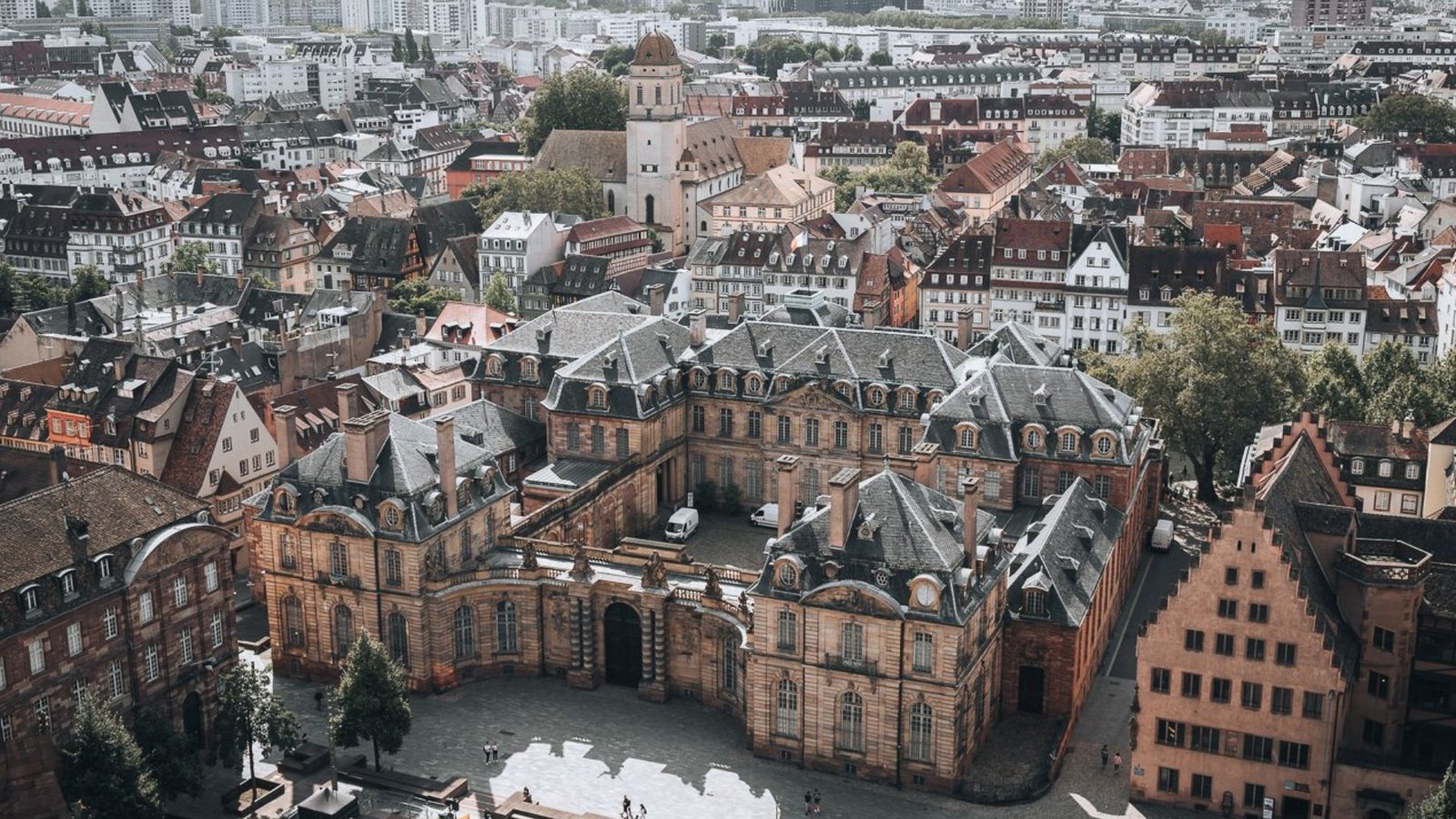
The Grande Île forms the historic heart of Strasbourg and earned UNESCO recognition for its well-preserved medieval layout. This island, surrounded by two branches of the Ill River, contains most of the major sights within walking distance of each other. You can cover the main landmarks in a few hours on foot.
Start at Place Kléber, the main square, then work your way toward the cathedral. The narrow streets between major sights hide local shops, cafes, and small squares worth checking out. Pick up a walking map from the tourist office to make sure you don’t miss the best spots.
Barrage Vauban and Ponts Couverts

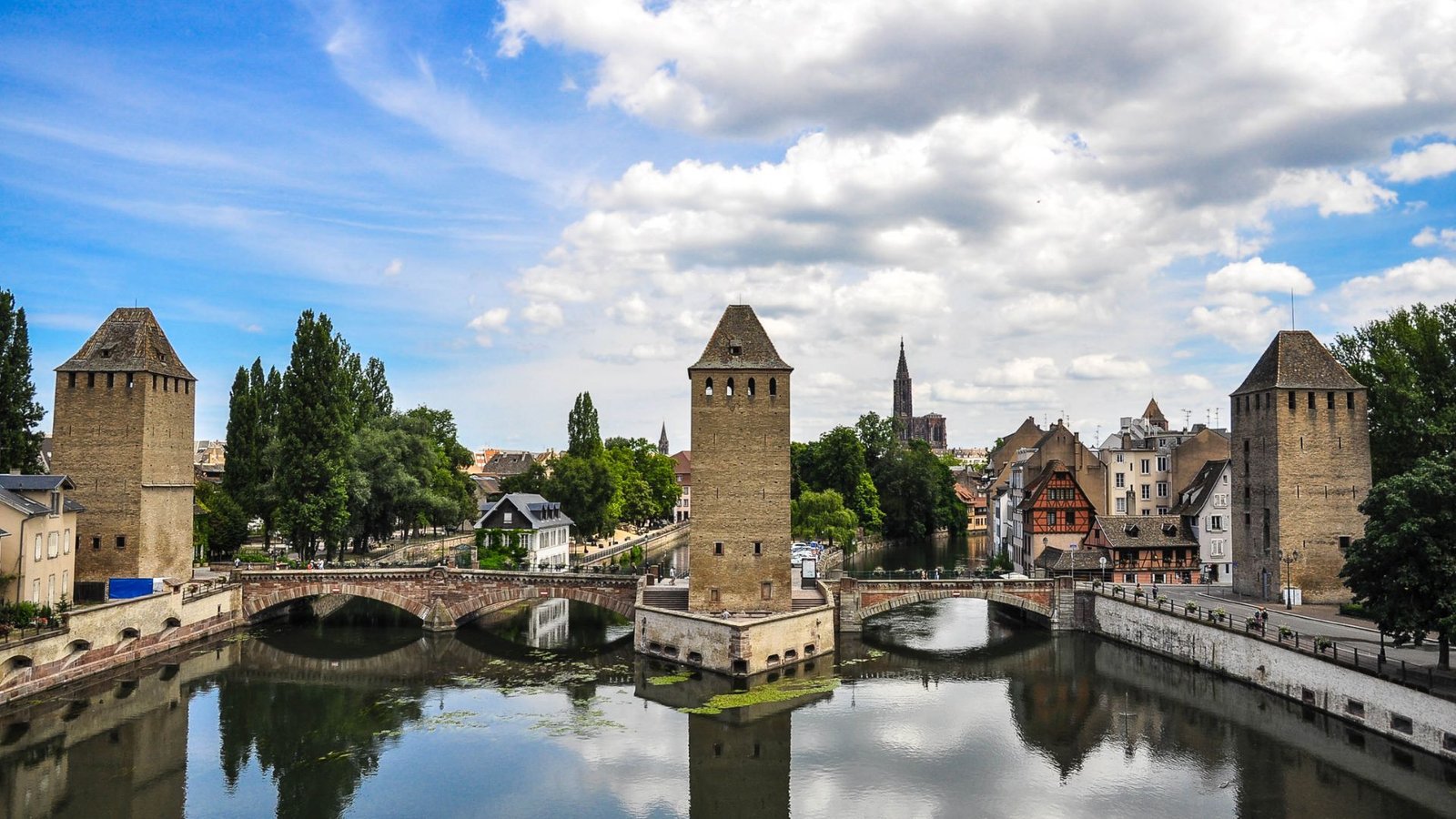
The Vauban Dam offers one of the best viewpoints in the city from its rooftop terrace. This 17th-century structure was built to defend the city by allowing soldiers to flood the southern approaches. The free terrace gives you panoramic views of La Petite France, the covered bridges, and the cathedral in the distance.
The three medieval towers of Ponts Couverts stand nearby, though the wooden roofs that gave them their name are long gone. Visit at sunset when the light turns the buildings golden, and the water reflects the sky. Bring your camera because this spot delivers some of the most memorable views when seeing things to do in Strasbourg.
Cultural Experiences and Activities
Beyond the main sights, Strasbourg offers cultural activities that give you a deeper insight into the city’s character. These experiences let you see the city from different angles and learn about its role in European history.
River Cruises

Boat tours take you through the canals and around Grande Île, offering a different view of the city’s buildings and designs. Most companies run 70-minute tours with audio guides available in multiple languages. You’ll pass under historic bridges, see La Petite France from the water, and cruise through the modern European Quarter.
Tours cost between 15 and 20 euros per person and run year-round, weather permitting. Some operators offer lunch or dinner cruises if you want a longer experience. Book online in advance during the summer and the Christmas market season when tours fill up quickly.
Museums Worth Visiting
The Musée Alsacien takes you inside recreated Alsatian homes from different time periods, showing how people lived and worked in the region. You’ll see traditional costumes, furniture, toys, and tools spread across three connected buildings. The museum gives context to the half-timbered houses you see throughout the old town.
Musée de l’Oeuvre Notre-Dame houses the original sculptures and stained glass from the cathedral, along with medieval and Renaissance art from the region. If you enjoy buildings, designs, and religious art, this museum adds depth to your cathedral visit. Both museums charge modest entry fees and offer English information guides.
European Parliament
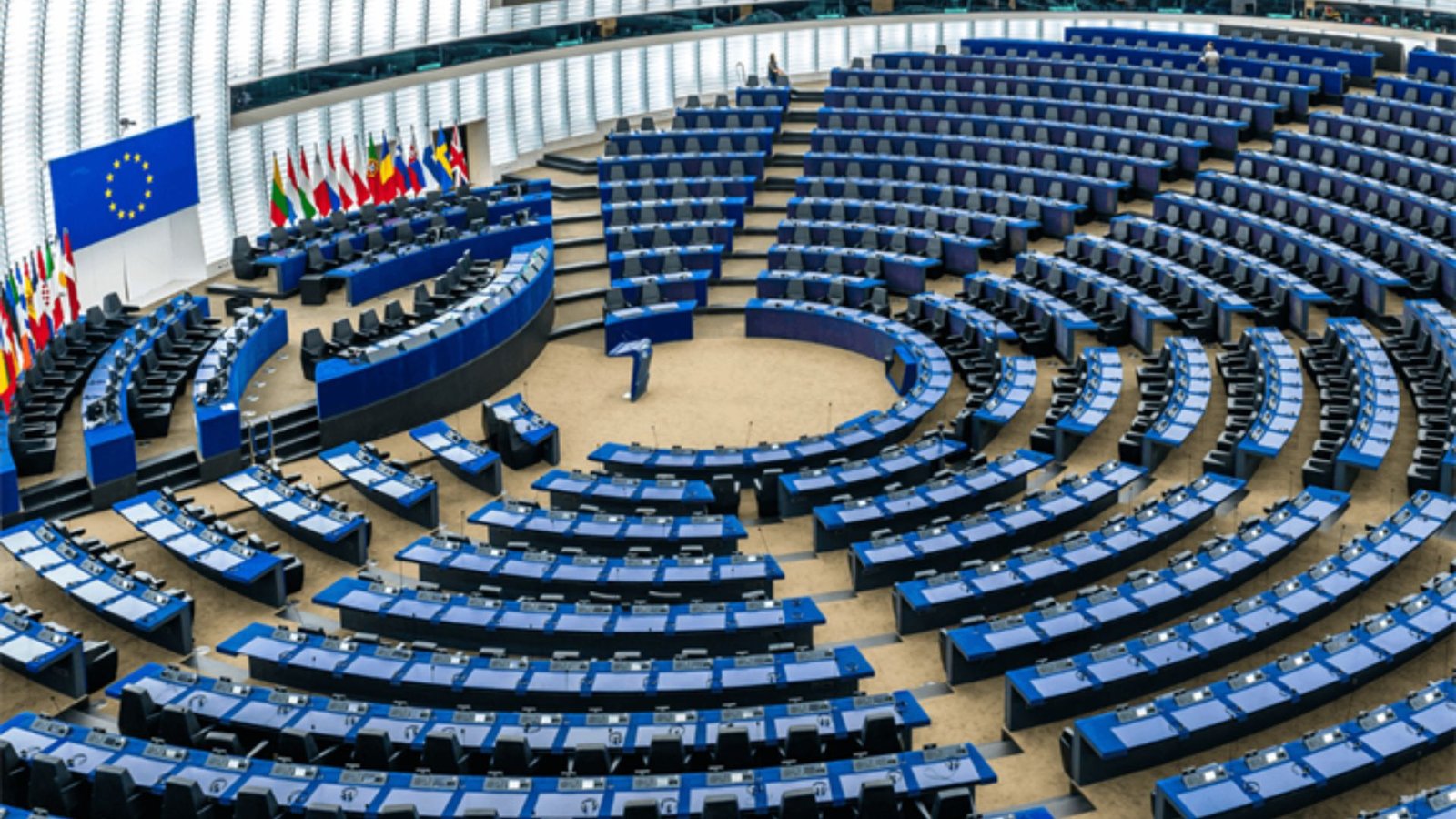
Strasbourg serves as the official seat of the European Parliament, making it one of the EU’s capital cities. Free guided tours show you the chamber where members debate and vote on European laws. You need to book tours in advance through the parliament’s website and bring a valid ID.
The modern parliament buildings contrast sharply with the old town’s medieval character. Tours last about an hour and help you understand Strasbourg’s importance in modern European politics. The visitor center explains the EU’s structure and Strasbourg’s role in hosting monthly parliamentary sessions.
Neighborhoods to Visit
Moving beyond the main tourist areas reveals neighborhoods that show different sides of the city. Each district has its own character and offers a break from the crowds in the historic center.
Neustadt District
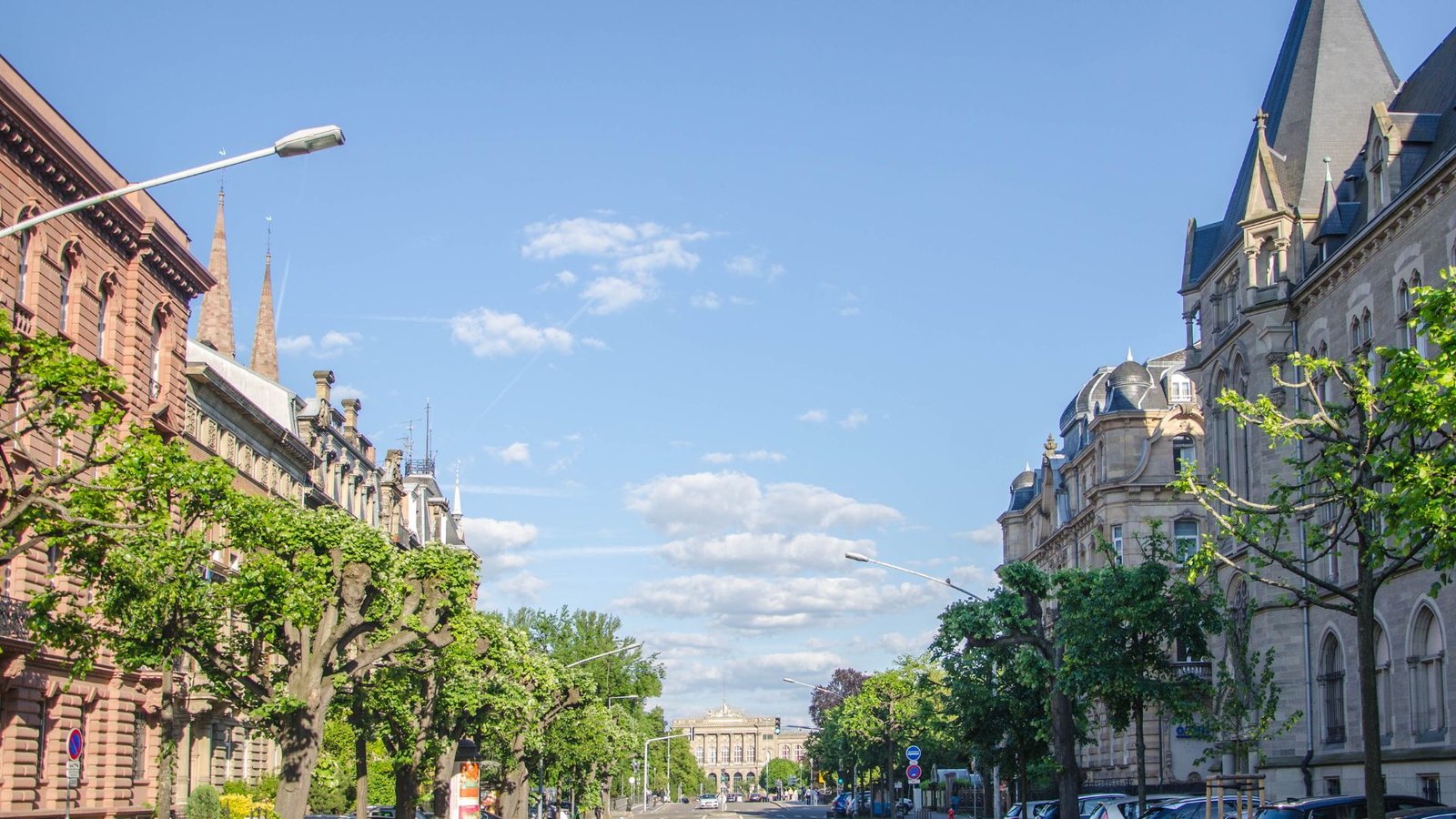
This “new town” was built by the Germans between 1870 and 1918 when they controlled the region. The wide boulevards and grand buildings showcase Neo-Renaissance and Art Nouveau styles rarely seen in the medieval center. Place de la République forms the heart of this district with impressive government buildings on all sides.
The National and University Library stands out with its dome and detailed facade. Walk down Avenue de la Liberté to see mansion after mansion built for wealthy residents during the German period. This area sees fewer tourists than Grande Île but offers equally interesting buildings and designs, and more space to breathe.
Krutenau
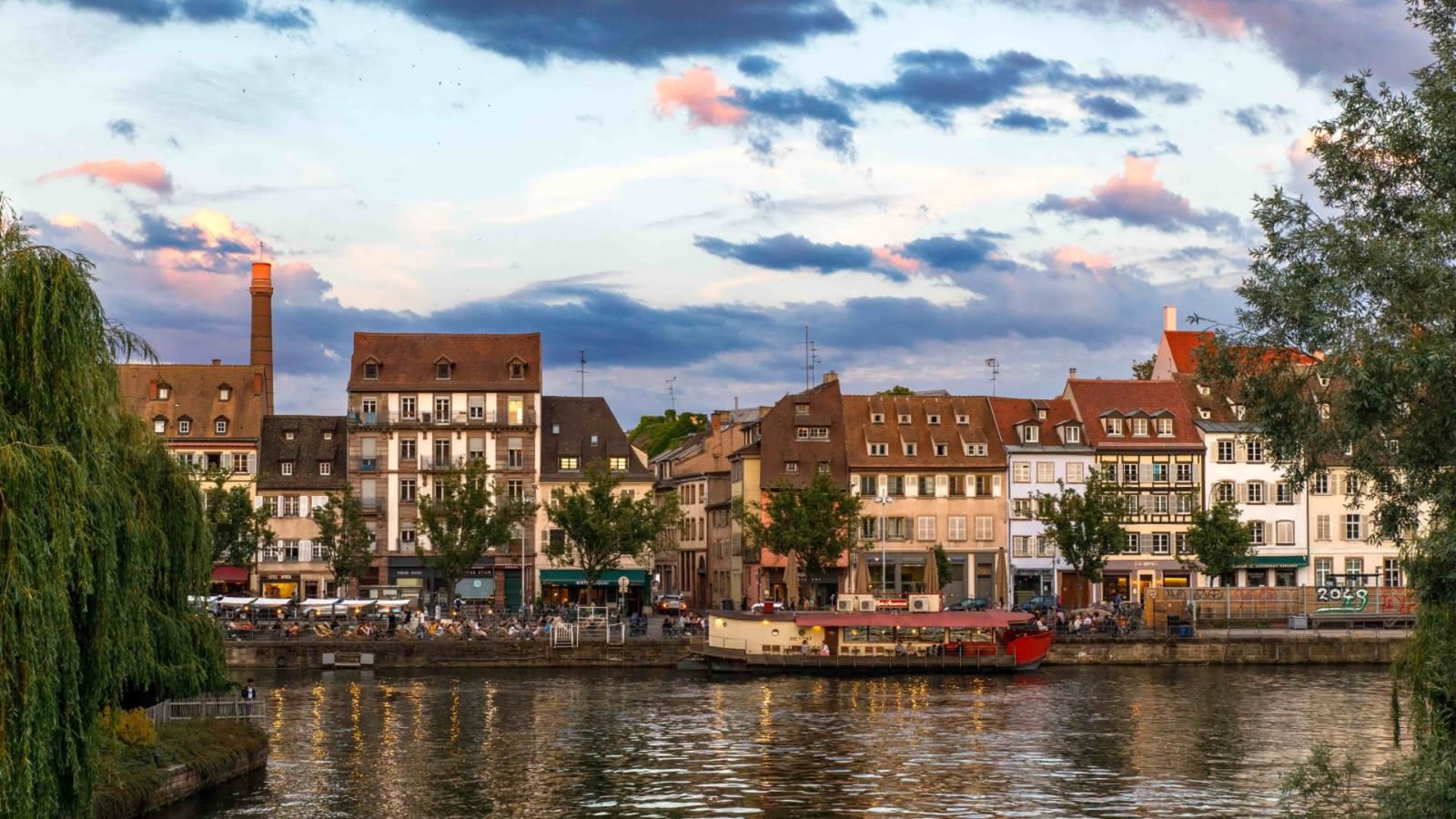
This student quarter mixes locals going about daily life with small shops and casual cafes. The streets here feel more residential and less polished than the main tourist zones. You’ll find vintage clothing stores, used bookshops, and neighborhood restaurants serving lunch specials.
Quai des Bateliers runs along the Ill River and makes a nice spot to sit and watch boats pass by. The area comes alive in the evening when students fill the bars and restaurants. Come here when you want to see how locals actually live rather than just visiting historic sites.
Orangerie Park
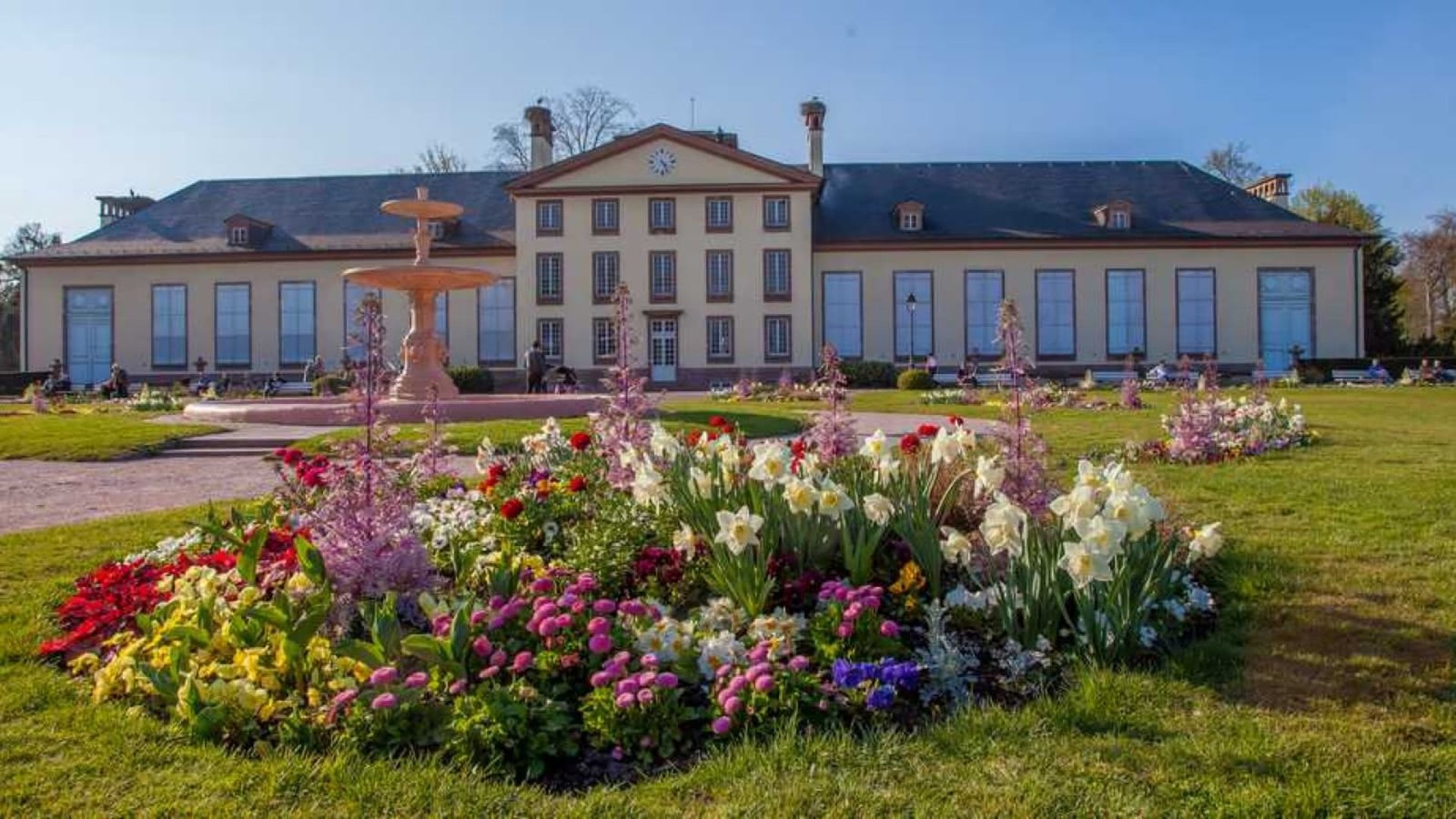
The city’s oldest public park covers 26 hectares and dates back to 1692. Wide paths wind through formal gardens, past a small lake, and into wooded areas. The park is home to storks, Strasbourg’s symbolic bird, which you can often spot in their nesting area.
A small zoo, playground, and bowling green make this park popular with families. The lakeside pavilion hosts concerts in summer. Rent a rowboat or simply walk the paths when you need a break from sightseeing. The park sits about 20 minutes on foot from the cathedral.
Where to Eat in Strasbourg?
The city’s food scene reflects its position between French and German culinary traditions. You’ll find restaurants serving Alsatian specialties alongside modern French cuisine and international options.
Traditional dishes worth trying:
- Choucroute garnie: Sauerkraut with sausages, pork, and potatoes
- Tarte flambée: Thin crust topped with cream, onions, and bacon
- Baeckeoffe: Slow-cooked meat and potato casserole
- Bretzel: Soft pretzels sold at bakeries and street stands
- Kugelhopf: Sweet bread baked in a distinctive ribbed mold
La Petite France has the highest concentration of traditional restaurants, though prices run higher in this tourist area. Rue des Tonneliers offers several authentic winstubs (traditional Alsatian taverns) where locals eat. For casual meals, check out the bakeries and cafes around the cathedral that serve quiche, sandwiches, and pastries. Budget 15 to 20 euros for lunch and 30 to 50 euros for dinner at sit-down restaurants.
Day Trips from Strasbourg
The surrounding Alsace region offers charming towns and historic sites within easy reach. Taking a day trip lets you see more of the area’s wine villages and countryside.
Popular destinations from Strasbourg:
- Colmar: Book town with canals and colorful houses (1 hour by train)
- Riquewihr: Medieval wine village surrounded by vineyards (1.5 hours by car)
- Kaysersberg: Hilltop town with castle ruins and wine tasting (1 hour by car)
- Château du Haut-Koenigsbourg: Restored medieval castle with mountain views (1 hour by car)
- Obernai: Market town on the wine route (30 minutes by train)
Trains connect Strasbourg to Colmar and Obernai regularly throughout the day. For the wine route villages, renting a car gives you the most freedom to stop at multiple towns. Organized bus tours also run to these villages if you prefer not to drive. Most day trip destinations make good combinations with your things to do in Strasbourg itinerary.
Practical Tips for Visiting
Planning helps you make the most of your time in the city. A few practical considerations will make your visit smoother.
Key information for your trip:
- The best months to visit are May, June, September, and October offer good weather with fewer crowds
- December brings Christmas markets, but also cold temperatures and packed streets
- Stay in Grande Île or nearby for walking access to main sights
- The tram system connects the train station to the historic center in 10 minutes
- Buy a Strasbourg Pass for free public transport and museum discounts
- Most people speak French, though German and English are also spoken in tourist areas
The city center is compact enough to walk, but trams help you reach outlying areas like Orangerie Park and the European Parliament. Hotels in the old town cost more, but save time on transportation. Book accommodations several months ahead if visiting during the Christmas market season or the summer holidays.
Conclusion
Strasbourg gives you a taste of both French and German culture in one city. The Gothic cathedral, medieval quarters, and riverside setting make it stand out among European destinations. The mix of structural styles tells the story of a city that has changed hands between two nations throughout history.
While the Christmas markets bring the biggest crowds, the city deserves a visit any time of year. Spring and fall offer comfortable temperatures for walking the historic streets. Summer brings outdoor cafes and river cruises in full swing.
From climbing the cathedral tower to floating down canals, the things to do in Strasbourg appeal to history fans, food lovers, and casual travelers alike. Plan at least two days to see the highlights without rushing through this special corner of Europe.
Frequently Asked Questions
How Many Days Do You Need in Strasbourg?
Plan for two to three days to see the main attractions comfortably. This gives you time to visit the cathedral, walk through La Petite France, take a river cruise, and try local restaurants. Add extra days if you want to include museums or take day trips to nearby wine villages.
Is Strasbourg Better Than Colmar?
Both cities offer different experiences. Strasbourg has more variety with museums, the European Parliament, and a larger historic center. Colmar is smaller and easier to cover in one day with its concentrated old town. Visit both if your schedule allows, as they’re only an hour apart by train.
What Language Is Spoken in Strasbourg?
French is the main language, though you’ll hear German as well due to the city’s history. Many people in tourist areas speak English. Learning a few basic French phrases helps, but you can get by with English in hotels, restaurants, and major attractions.
Can You Visit Strasbourg Without Speaking French?
Yes, the city is very tourist-friendly. Hotel staff, restaurant servers in the old town, and museum workers usually speak English. Download a translation app for reading menus and signs. Most audio guides and tour options come in English. Knowing some French helps outside the main tourist zones.
What Food Should You Try in Strasbourg?
Start with tarte flambée, a thin-crust pizza topped with cream, onions, and bacon. Try choucroute garnie for a hearty meal of sauerkraut with meats. Pick up bretzels from bakeries for snacking. Sample kugelhopf, a sweet bread, with your morning coffee. Pair meals with local Alsatian white wines like Riesling or Gewürztraminer.
