

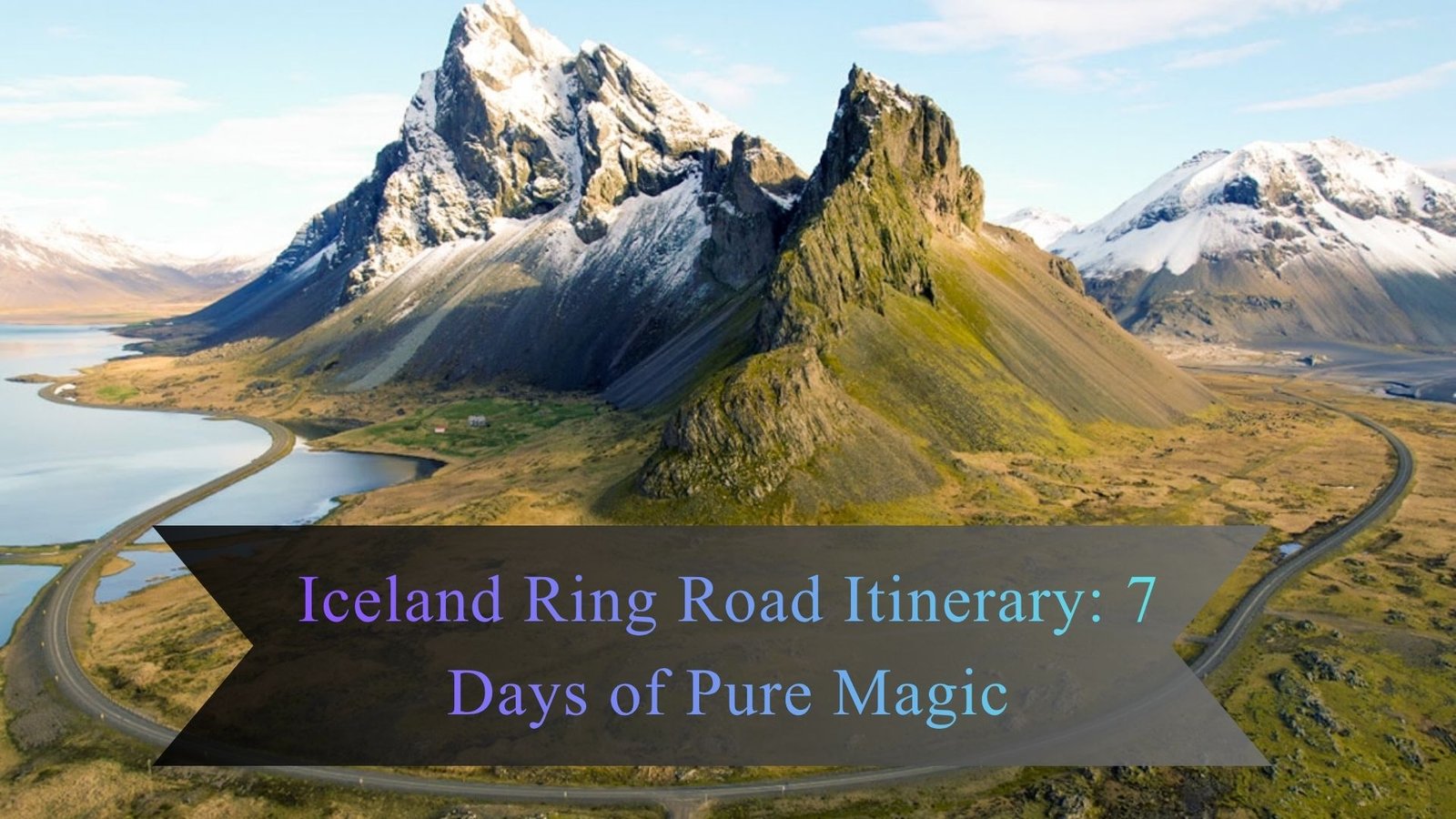
Thinking about driving Iceland’s Ring Road? I get it, planning this trip can feel overwhelming. There’s so much to see, and you’ve only got a week.
I’ve helped dozens of friends plan their Iceland road trips, and I’ve made plenty of mistakes myself. Packed too much into one day.
Missed amazing spots because I didn’t know they existed. That’s why I put this guide together. You’ll get a realistic 7-day plan that actually fits into your schedule without rushing.
This itinerary covers the famous waterfalls, black sand beaches, and glacier lagoons everyone talks about. But I’ll also share the quieter spots where you can actually enjoy the moment. Think of this as advice from a friend who’s already done the trip. Let’s make your Ring Road experience happen.
Before You Hit the Road
I’m going to be straight with you. This trip needs prep. Iceland isn’t your average road trip. The weather changes fast. Roads can close without warning. And your phone might lose signal in remote areas.
Car Rental Tips
Most people overthink this part. Here’s what actually matters: the right vehicle for your season. In summer, a basic 2WD works fine for the Ring Road.
But if you’re heading to F-roads or the Highlands? You’ll need a 4×4. No exceptions.
- 2WD for summer Ring Road, 4×4 for F-roads and Highlands
- Mid-size SUV costs $150 – 250 per day with insurance
- Fuel runs about $8 per gallon
Local companies like Lava Car Rental and Blue Car Rental know the terrain better than big chains. Yes, it’s expensive. But cutting corners on your rental? Bad idea.
Travel Essentials & Safety
Before you start each drive, check the Road.is and Safetravel. Is. Seriously, bookmark these sites now.
The weather in Iceland doesn’t mess around. One minute it’s sunny. Next, you’re in sideways rain with 50mph winds.
- Waterproof and windproof jacket
- A GPS device with offline maps downloaded
- Emergency supplies in your trunk
One more thing: don’t drive at night. Even in summer, when it stays light late, fatigue hits hard. Wind gusts can push your car off course. It’s not worth the risk.
When to Go
May through September is peak season for a reason. You get long daylight hours, open roads, and green landscapes everywhere you look. But here’s the trade-off: more tourists and higher prices.
- May – September: long daylight, all roads open, warm weather
- October – April: fewer crowds, Northern Lights, limited daylight
- Someroads are closed until late spring
If you can handle short winter days, you’ll find fewer crowds and a real shot at seeing the Northern Lights. Just plan accordingly.
The Perfect 7-Day Iceland Ring Road Itinerary
This is the route I wish someone had handed me before my first trip. No fluff. No impossible schedules. Just seven days of Iceland’s best spots at a pace that actually works.
Day 1: Arrival, Blue Lagoon, and Reykjavik
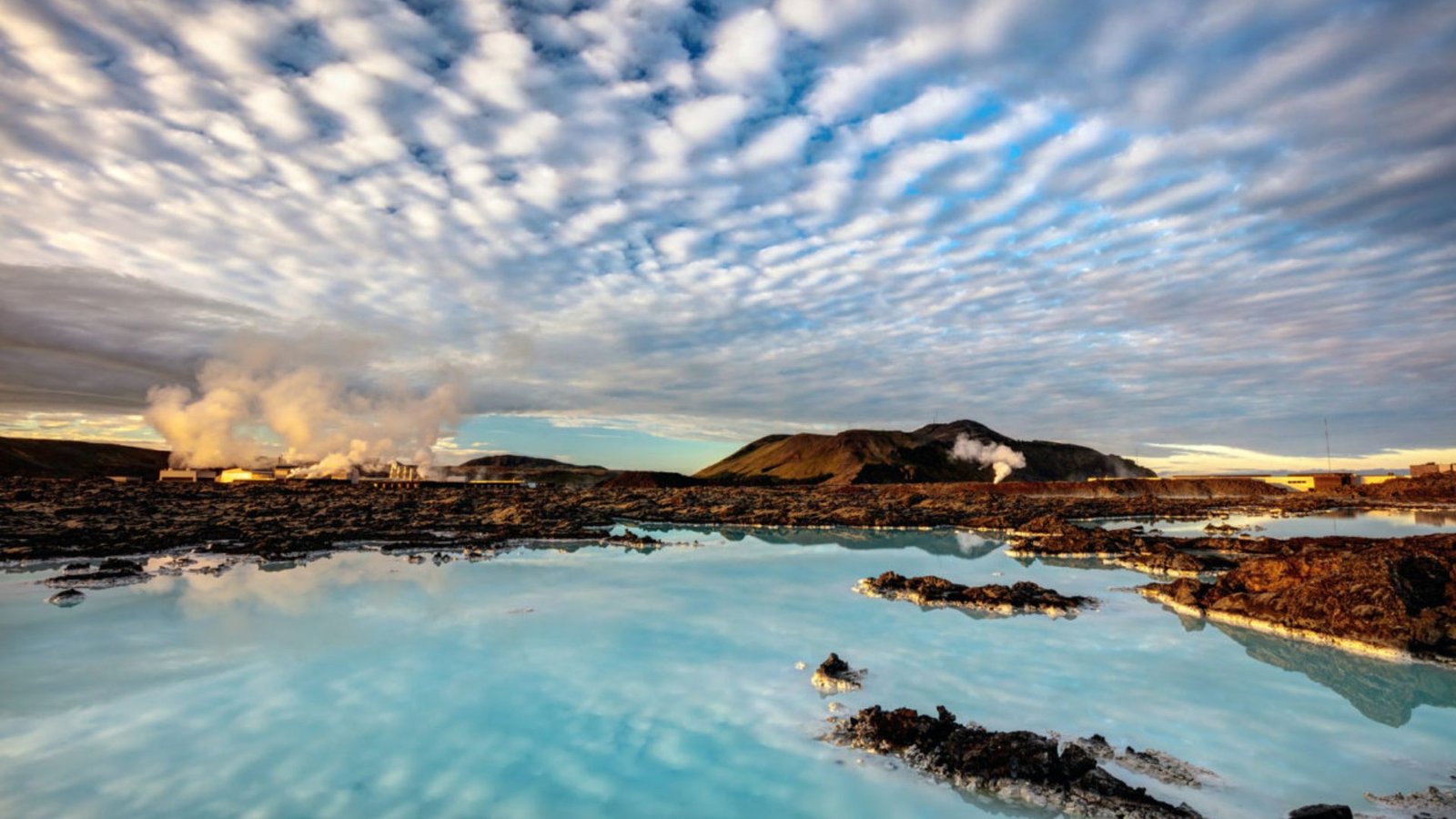
You just landed at Keflavik Airport. Grab your rental car and head straight to the Blue Lagoon near Grindavík.
Book an evening slot. Trust me on this. Fewer crowds, better photos, and you’ll still have energy to enjoy it.
Today’s stops:
- Blue Lagoon for your first Icelandic soak
- Hallgrímskirkja Church in Reykjavik (optional)
- Sun Voyager and Harpa Concert Hall, if you have time
Spend the night in Reykjavik or Grindavik. Get some rest. Tomorrow starts early.
Day 2: The Golden Circle and South Coast
This is Iceland’s greatest hits in one day. You’ll see tectonic plates, erupting geysers, and waterfalls that’ll make you stop mid-sentence.
Start at Þingvellir National Park, where you can literally walk between two continents. Then, hit the Geysir Geothermal Area, where Strokkur erupts every 5-10 minutes.
Your route today:
- Þingvellir National Park (tectonic plates)
- Geysir and Strokkur (erupting geyser)
- Gullfoss Waterfall (massive two-tiered cascade)
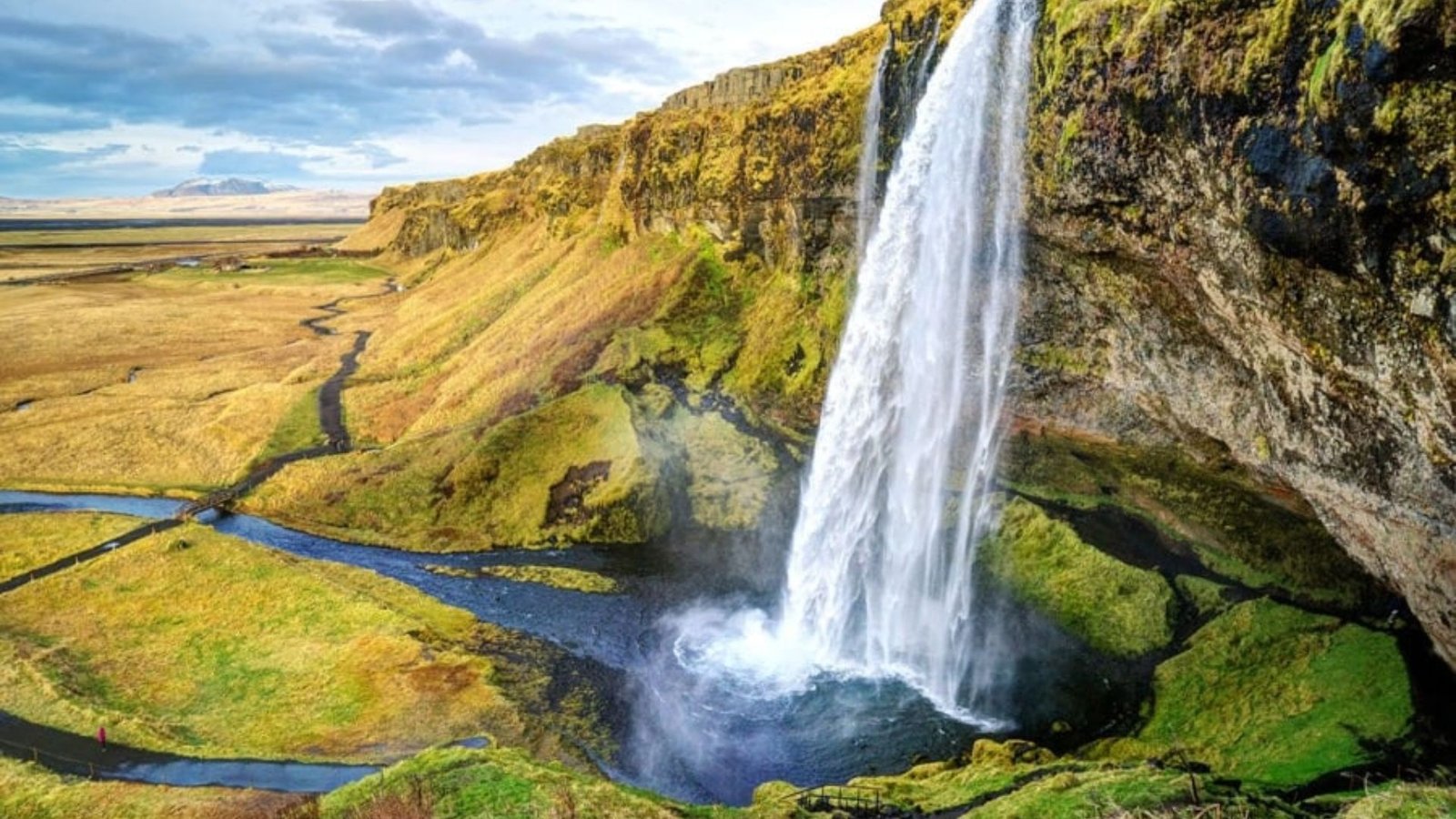
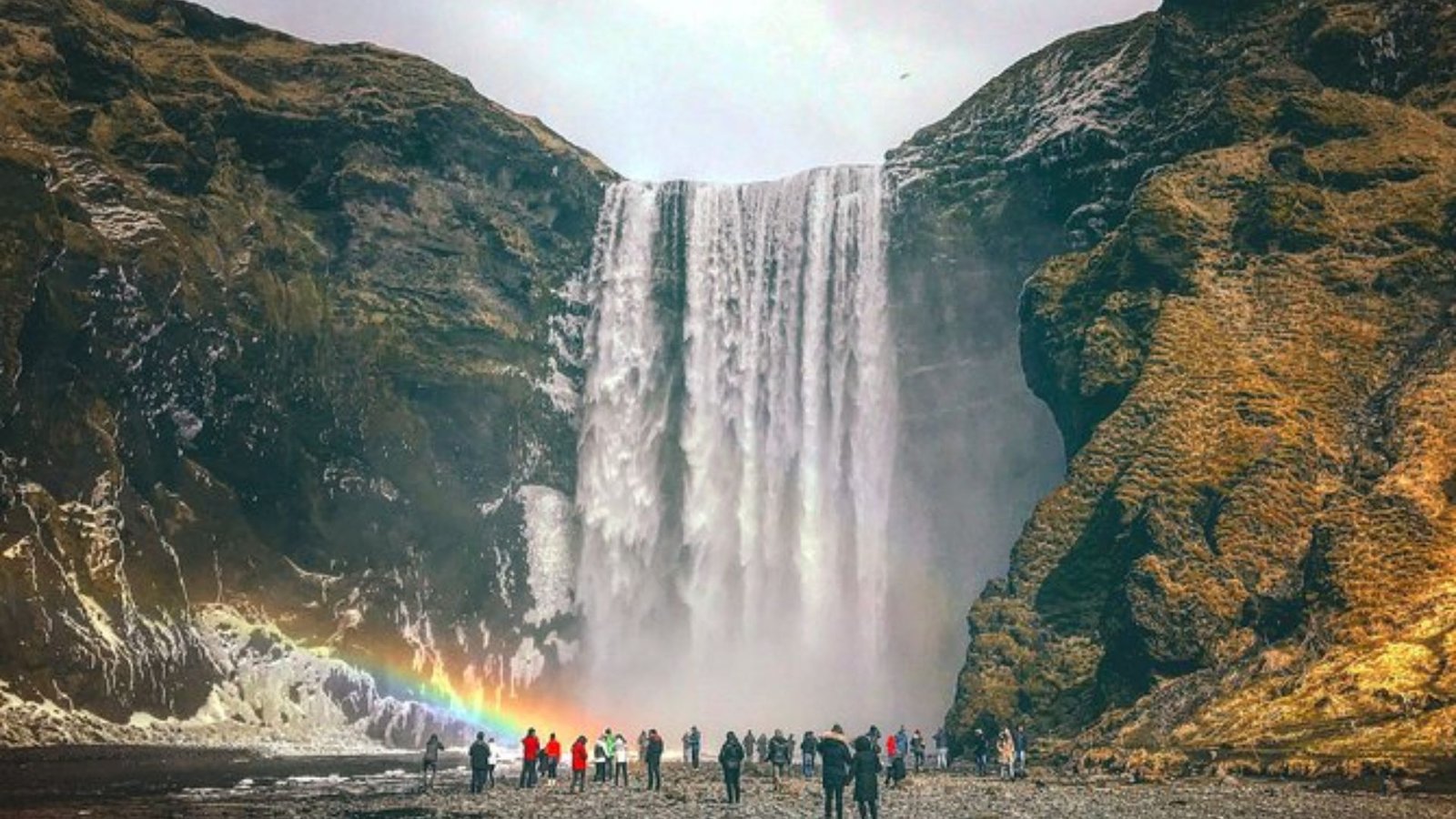
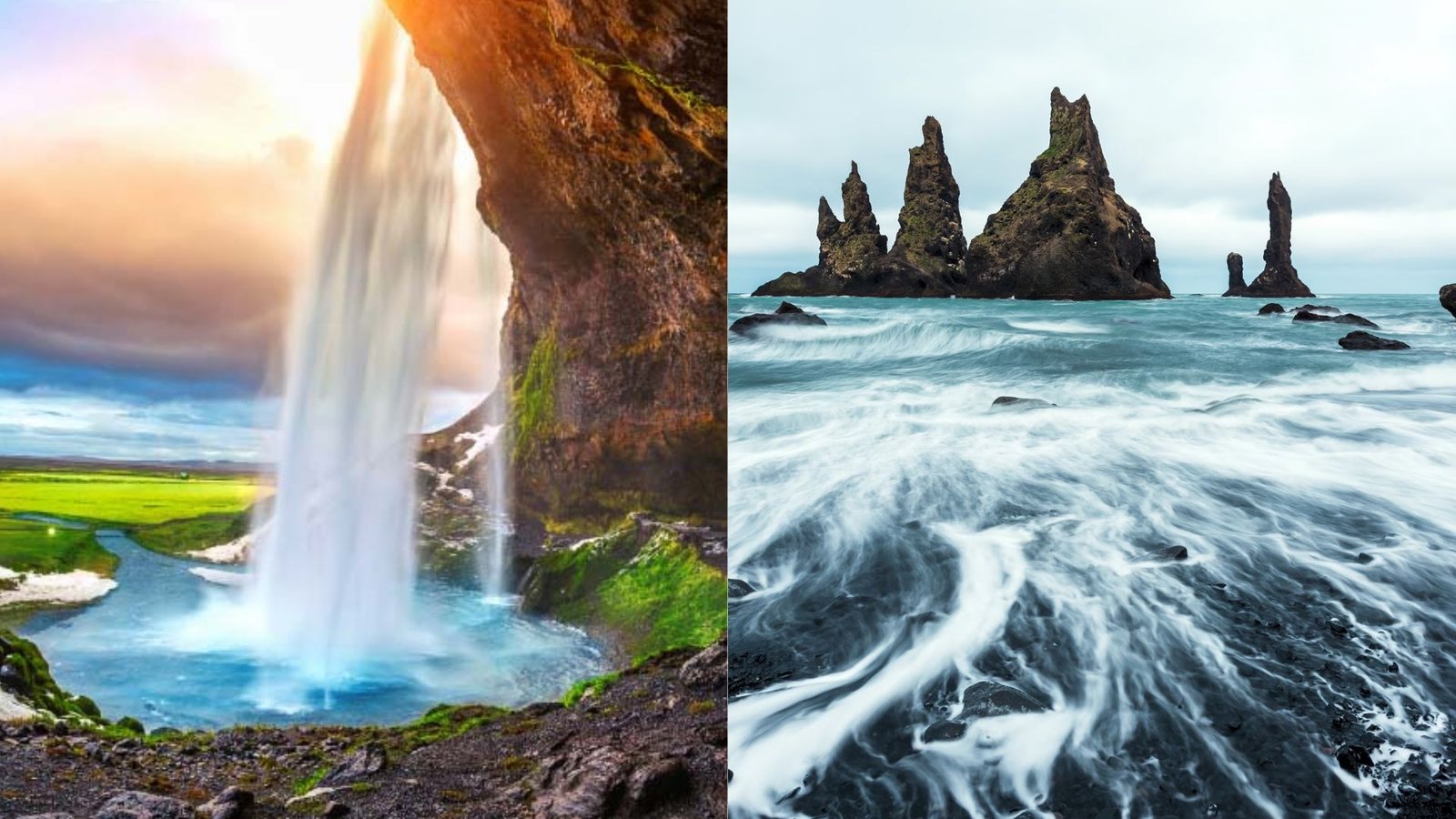
Drive south toward Vik in the afternoon. Stop at Seljalandsfoss (you can walk behind it) and Skógafoss (bring a rain jacket). If you have extra time, check out Reynisfjara Black Sand Beach. Overnight in Vik.
Day 3: From Vik to Höfn (South-East Coast)

Today you’ll drive through some of the most dramatic scenery in Iceland. Lava fields. Glacier views. Icebergs floating in a lagoon.
The drive takes longer than you think. Not because of distance, because you’ll keep stopping to stare.
Must-see stops:
- Fjaðrárgljúfur Canyon (green moss-covered gorge)
- Skaftafell National Park (short glacier hikes available)
- Jökulsárlón Glacier Lagoon and Diamond Beach (icebergs on black sand)
End your day in Höfn. Order the lobster. You’re welcome.
Day 4: Eastfjords Beauty
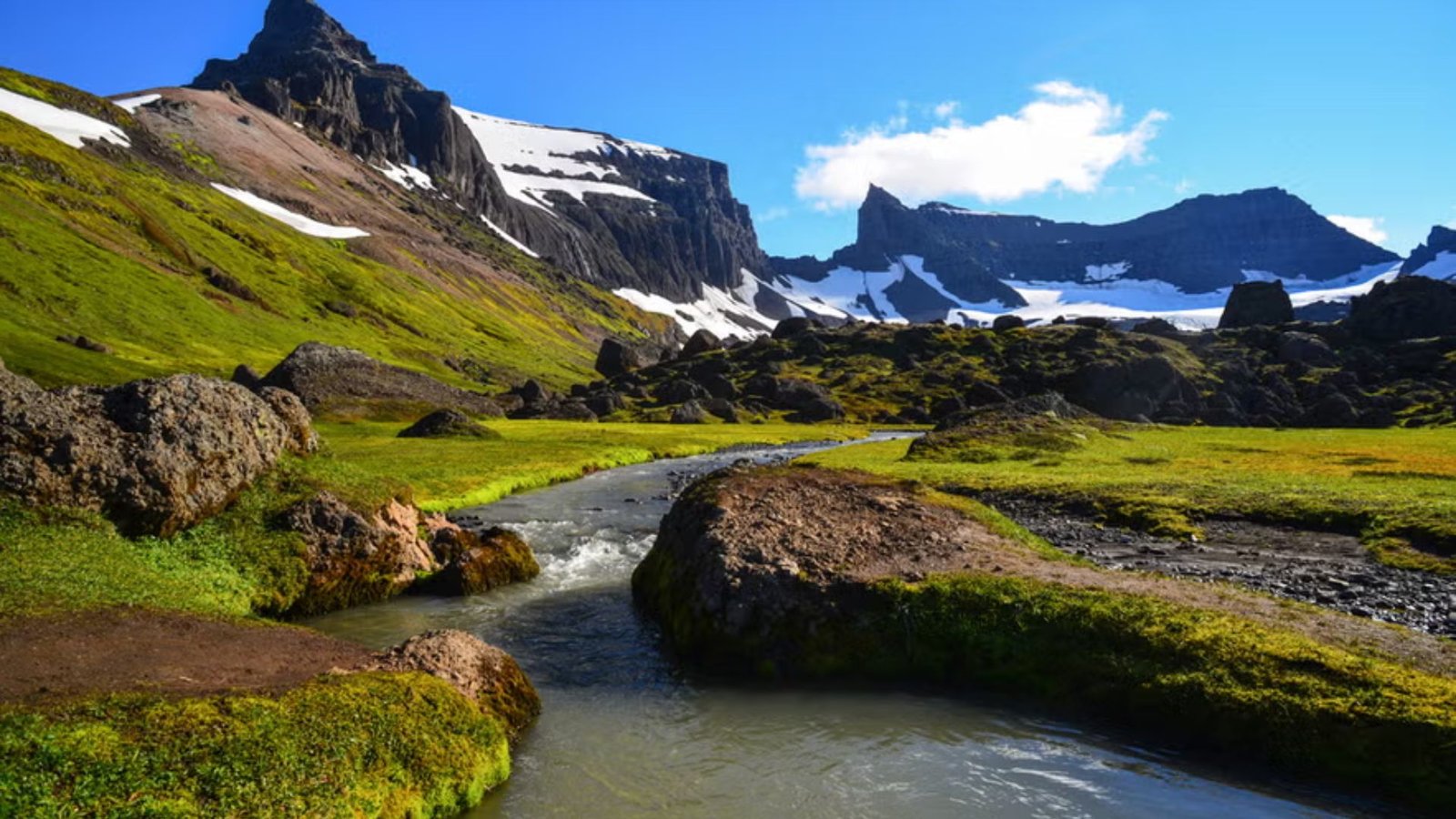
Long drive today. But the fjords make it worth every minute. Winding coastal roads, tiny fishing villages, and mountains that drop straight into the sea.
This is the part of Iceland most tourists skip. Their loss.
Towns worth stopping in:
- Djúpivogur (local art and quiet harbor)
- Seyðisfjörður (colorful church, rainbow street)
- Stuðlagil Canyon, if you want a hike (basalt columns)
Stay the night in Egilsstaðir or Seyðisfjörður. Both are good bases for tomorrow’s route.
Day 5: North Iceland Wonders
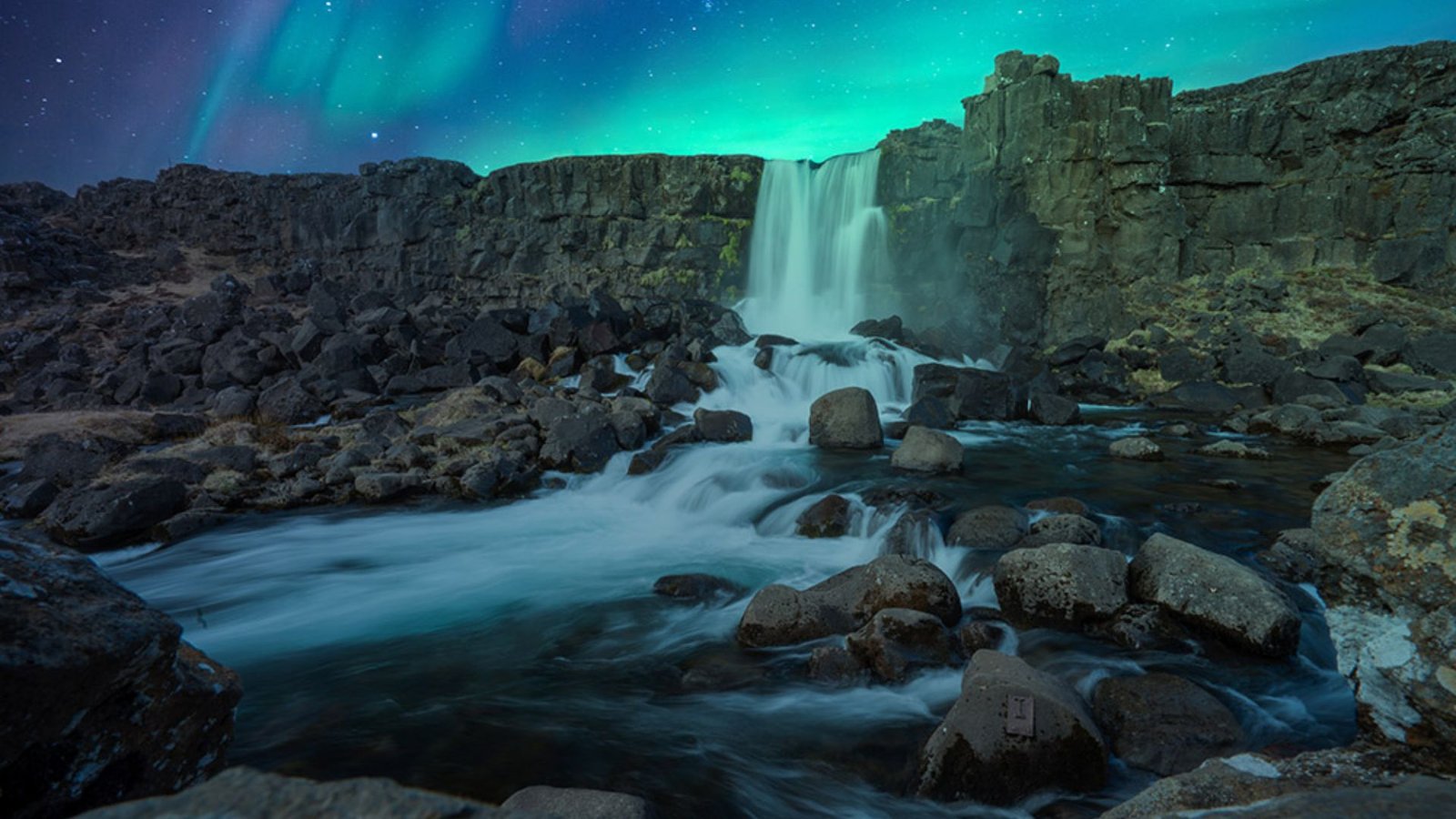
Welcome to Iceland’s geothermal playground. You’re going to see Europe’s most powerful waterfall today. Plus craters, lava fields, and mud pools that actually bubble.
Lake Mývatn is the star here. The landscape looks like another planet.
Today’s highlights:
- Dettifoss (bring earplugs, it’s LOUD)
- Lake Mývatn area (craters and lava formations)
- Hverir Geothermal Area (sulfur springs and steam vents)
If you’re tired from driving, soak at Mývatn Nature Baths. It’s less crowded than Blue Lagoon. Spend the night in Akureyri, Iceland’s northern capital.
Day 6: From Akureyri to the Snæfellsnes Peninsula

You’re heading west today. Stop at Goðafoss Waterfall on your way out of to; n, it takes 10 minutes and it’s right off the road.
Húsavík is nearby if you want to go whale watching. Otherwise, keep driving toward the Snæfellsnes Peninsula.
Optional stops:
- Goðafoss Waterfall (right off Route 1)
- Húsavík for whale watching tours
- Kirkjufell Mountain (yes, from Game of Thrones)
Stay in Grundarfjörður or Hellnar. Both put you in the perfect position for tomorrow.
Day 7: Snæfellsnes to Reykjavik
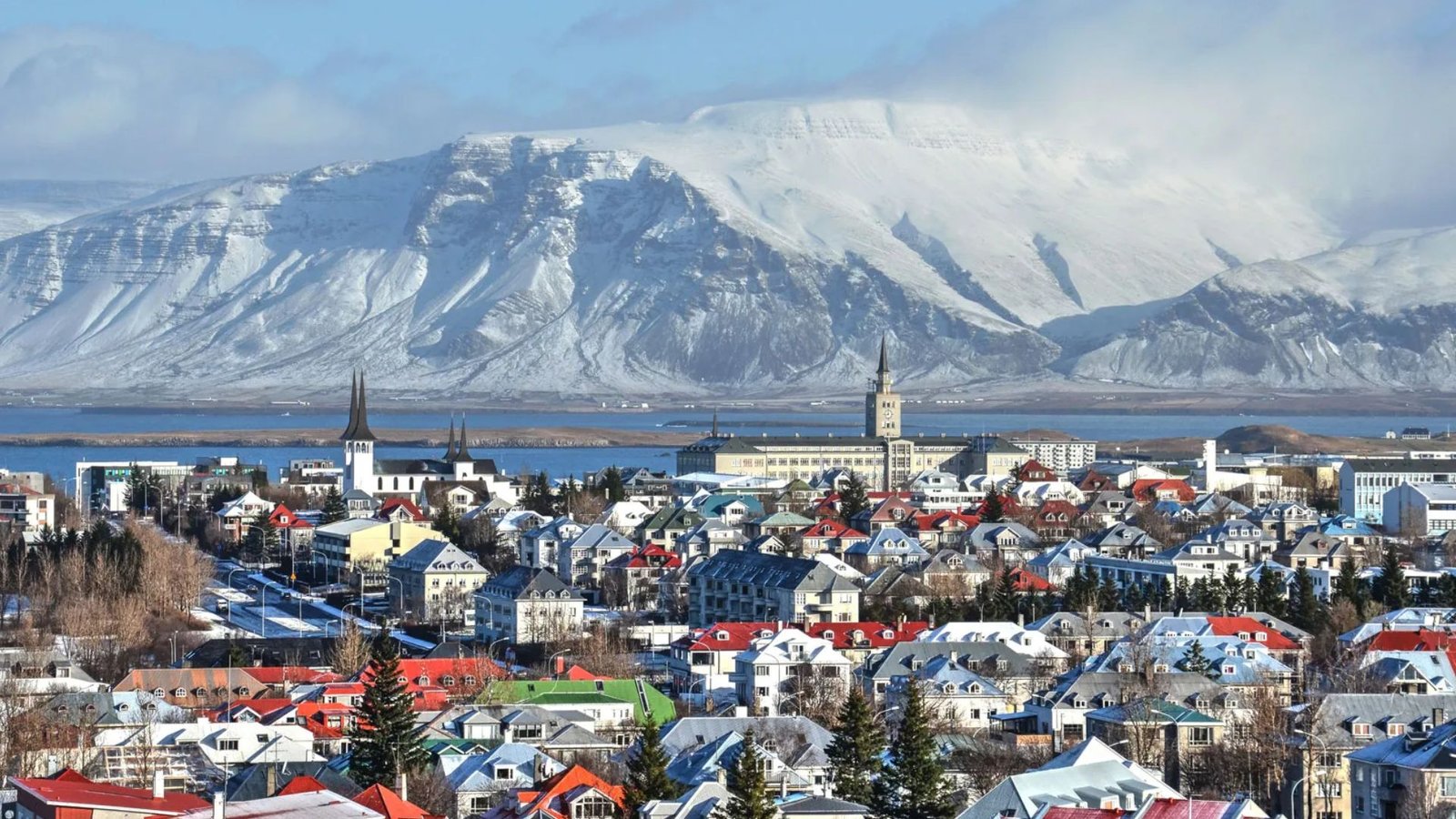
Last full day. Snæfellsnes Peninsula is called “Iceland in Miniature” because it has everything: glaciers, beaches, lava fields, cliffs, and tiny black churches.
Take your time here. This peninsula deserves it.
Final stops:
- Snæfellsjökull National Park
- Arnarstapi cliffs (great coastal walk)
- Ytri Tunga Seal Beach (actual seals!)
Drive back to Reykjavik in the afternoon (2.5 – 3 hours). If you have time before your flight tomorrow, hit Sky Lagoon for one last soak. Stay near Keflavik Airport or in Reykjavik, depending on your departure time.
Practical Planning Tips
Here are five tips to make your Iceland trip work:
- Budget smart: Budget $3,000 – 4,000 per couple for seven days and book accommodation early. This covers car rental, fuel, stays at Fosshotel or Icelandair Hotels, food, and tours. Reserve your rooms 2 – 3 months ahead for summer travel, or rent a campervan for more flexibility and cost savings.
- Fuel strategically: Always fill up on gas in larger towns. Fuel is expensive across Iceland, but prices jump even higher in remote areas. Top off your tank whenever you see a station in populated areas to avoid paying premium rates in the middle of nowhere.
- Try glacier hiking: Add a glacier hike at Skaftafell to your itinerary. You’ll walk on ancient ice wearing crampons while guides teach you about crevasses and formations. It’s one of those experiences that looks amazing in photos but feels even better in person.
- Time it right: Time your visit for ice caves or whale watching. Ice cave tours under Vatnajökull only run from November through March when the caves are safe. Whale watching in Húsavík works best from May through September, with humpbacks breaching close to boats.
- Book ahead: Book experience activities before you arrive in Iceland. Popular tours like ATV rides near Vik, snowmobile trips, and Landmannalaugar Highlands hikes sell out quickly. Don’t wait until you’re there, or you’ll miss out on the experiences you really want.
Essential Packing List
Here are five things you must pack:
- Weather protection: Pack a waterproof and windproof jacket and pants because rain hits without warning. Wind cuts through regular jackets like paper, so get gear that actually keeps water out.
- Warm layers: Bring warm base layers made from merino wool, plus hiking boots and gloves. Cotton stays wet and makes you cold, but merino keeps you warm even when damp.
- Reusable water bottle: Iceland’s tap water comes straight from glaciers and tastes amazing. Don’t waste money on bottled water when you can refill for free anywhere.
- Tech and snacks: Carry a power bank, camera gear, and snacks for long drives. Your phone dies fast in the cold, and you’ll drive hours without stores.
- Swimsuit ready: Bring your swimsuit for lagoons and hot springs in every region. You’ll regret it when everyone relaxes in 100°F geothermal water while snow falls.
Conclusion
That’s your Iceland Ring Road itinerary sorted. Seven days of waterfalls, beaches, and memories you’ll talk about for years.
You’ve got everything you need now. Daily routes that make sense. The big attractions plus some quieter spots. Real advice about timing and weather. No more late nights wondering if you’re planning this right.
Go ahead and book that car. Start making your packing list. Get excited about this trip, you’ve earned it. If something’s still bugging you or you’re not sure about part of the route, just ask in the comments.
I check them regularly, and I’m always happy to help. And hey, if this guide saved you some planning headaches, pass it along to your friends who are thinking about Iceland. Have an incredible time out there.
Frequently asked questions
How long does it take to drive the Iceland Ring Road?
The Ring Road is about 828 miles (1,332 km) around. Without stops, you could drive it in 12-13 hours. But that’s not realistic. With sightseeing, photos, and breaks, plan for 7-10 days. A week gives you enough time to see the
What’s the best time to drive the Iceland Ring Road?
Summer (June-August) offers the best weather and 24-hour daylight. Roads are clear and all services are open. Spring and fall work too, with fewer crowds but unpredictable weather. Winter (November-March) is challenging; ice, snow, and limited daylight make it tough for first-timers.
Do I need a 4×4 for the Ring Road?
Not necessarily. The main Ring Road is paved, and a regular car works fine in summer. However, a 4×4 is required for F-roads (highland routes) and helpful in winter. It also gives you more ground clearance for rough parking areas near attractions.
How much does a 7-day Ring Road trip cost?
Budget $1,500-3,000 per person. This includes car rental ($400-700), gas ($200-300), accommodation ($500-1,000), food ($300-600), and activities ($100-400). Costs vary based on your travel style. Camping and cooking for yourself save money, while hotels and restaurants cost more.
Can you complete the Ring Road in 5 days?
Technically, yes, but it’s rushed. You’d spend most of your time driving with little time to actually enjoy the sights. Seven days is the sweet spot, enough time to see everything without feeling stressed. If you only have 5 days, focus on one region instead.
