

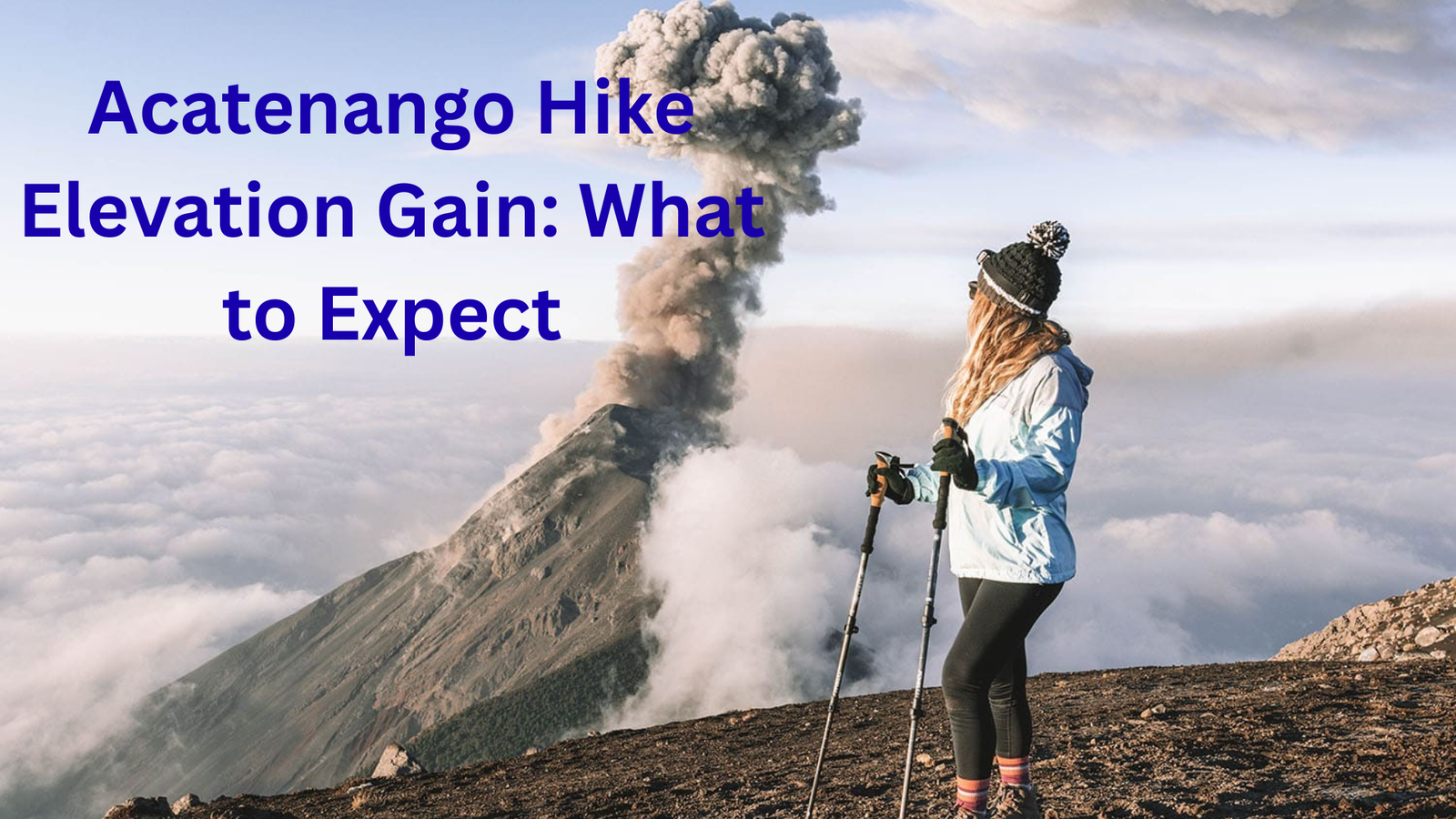
Thinking about hiking Acatenango, but unsure about the climbing. You are not alone. Seeing Volcán de Fuego from high above is an incredible sight, yet reaching the summit means gaining more than five thousand feet. That is a serious effort for most people.
Knowing how that climb feels can make the difference between a steady day and a rough one. I reviewed many firsthand accounts and trail notes to explain the gain in clear, simple terms. No extra filler, just what your body may feel on the way up.
This guide covers the two main routes, timing tips, how each stage feels, and the gear that truly helps. You will also see if a guide is useful, how to prepare for your fitness, and why many hikers still say the effort is worth it.
The Numbers You Need to Know
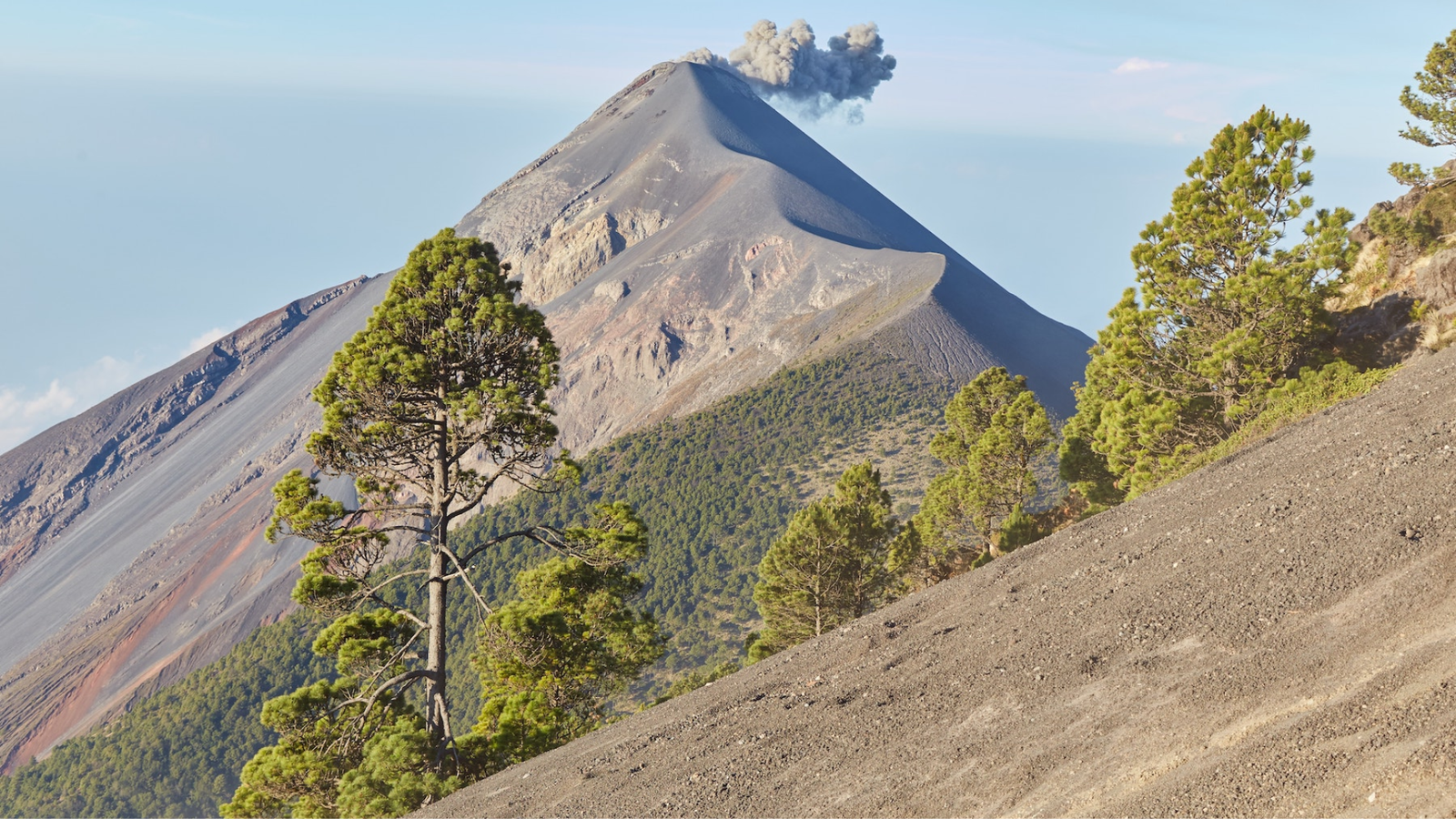
You’re going up 5,200 feet. That’s over a mile of climbing. The trail starts around 8,000 feet and tops out at 13,045 feet. Most people take 6 hours to reach base camp.
The peak sits at 13,045 feet. You’ll gain over 5,200 feet of elevation during the hike. The round trip covers 7-11 miles, depending on which route you take.
This isn’t just numbers on paper. The elevation gain happens over a short distance, which makes the trail steeper than most hikes. You’re climbing more than a vertical mile in just a few horizontal miles.
How Does it Compare to Other Hikes?
Most day hikes gain 1,000-2,000 feet. Acatenango more than doubles that. The challenge comes from doing it all in one push.
If you’ve hiked before, this will test you differently. The compressed elevation gain means sustained climbing with few flat sections to recover.
What the Climb Actually Feels Like?
Here’s how the elevation breaks down by section:
Stage by stage:
- First 1,000 feet: Loose gravel road to the entrance gate
- Next 2,000 feet: Muddy jungle paths with makeshift stairs
- Next 1,200 feet: Emerging from treeline with open views
- Final 1,000 feet to camp: The steepest, most challenging section
- Summit push: Another 500-1,000 feet of loose sand and gravel
Each section feels different. The jungle is humid and muddy. Above the treeline, wind picks up and temperatures drop. The final push to camp is where most people struggle.
Your legs will feel it by hour three. Your lungs will work harder as you climb higher. But you can rest whenever you need to.
How does Your Body Handle the Elevation?
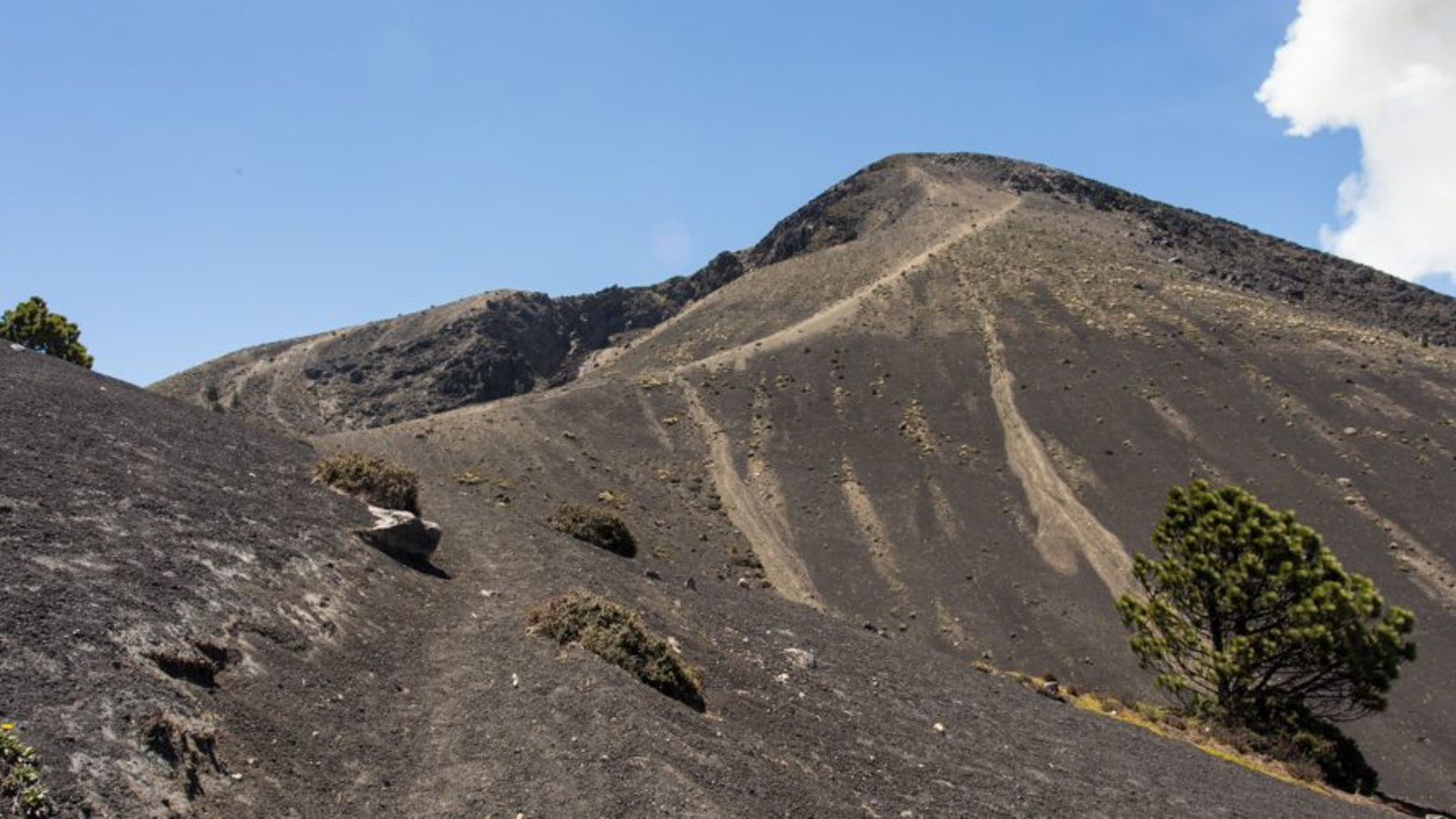
The air gets thinner as you climb. At 13,000 feet, you’re breathing air with 60% of the oxygen found at sea level.
You’ll notice it. Your breath gets shorter. Your heart beats faster. Headaches are common. This is normal your body is working with less oxygen.
Common Physical Effects
Your cardiovascular system works overtime. Your legs, especially your quads and calves, will burn during the climb. The descent is harder on your knees than you’d expect.
Most people feel tired but manageable. A few get mild altitude symptoms like headaches or nausea. Stay hydrated and pace yourself. Take breaks when you need them, not when the group stops.
Tips for Managing the Altitude
Spend a day or two in Antigua before hiking. It sits at 5,000 feet, which helps your body adjust. Drink more water than you think you need, at least 4 liters during the hike.
Go slow. Really slow. The people who rush up are the ones who suffer most. Break the climb into mental chunks. Focus on reaching the next section, not the summit.
Timing and Route Options
You have two main routes. The blue path is a direct 7-mile round trip with the full 5,200 feet of gain. The red path winds around the mountain for 8.5 miles and has slightly more elevation.
Most guided tours take the red path. Independent hikers often choose the blue path for speed.
Day Hike vs Overnight
Day hikers complete the full elevation in one push. That’s 5,200 feet up and down in 5.5-10 hours. You carry less weight, but there’s no break at the top.
Overnight hikers split the climb. You reach base camp at 12,000 feet, rest, then summit the next morning. The downside? You’re carrying camping gear up all that elevation.
When to Start Your Hike
For a day hike, start by 8 AM. You need daylight for the full descent. For overnight trips, most people start around 10 AM-noon to reach base camp by 3-4 PM.
Summit timing matters too. Sunrise from the top requires a 4-5 AM start from base camp. Sunset summits mean arriving at camp by 3 PM and climbing again at 5 PM.
Preparing for 5,200 Feet of Climbing
This hike is rated moderately difficult. It’s not the hardest thing you’ll ever do, but it’s genuinely challenging. You need reasonable fitness and determination.
Don’t show up unprepared. The elevation gain will humble you if you underestimate it.
Training That Actually Helps
Build these abilities:
- Stair climbing (find a tall building and go up repeatedly)
- Cardiovascular endurance (running, cycling, or long walks)
- Leg strength (squats, lunges, step-ups)
- Practice hikes with 2,000+ feet of gain if possible
Start training 4-6 weeks before your hike. Focus on sustained effort over hours, not short bursts. Your legs need endurance more than explosive strength.
Mental Preparation Matters
The elevation gain messes with your head. You think you’re almost there, then realize you have another hour of climbing. Break it into sections mentally. Celebrate reaching each stage.
Expect discomfort. Expect to feel tired. Expect to question your choices around hour four. That’s normal. Push through or take a break both are fine.
Essential Gear for the Climb
Water is critical. Bring at least 4 liters. The elevation and exertion will dehydrate you faster than normal hikes. Many people bring 5-6 liters.
Layers are everything. You’ll be warm in the jungle and freezing at the summit.
Must-have items:
- Thermal base layer and mid layer
- Down jacket (temperatures drop to freezing at the top)
- Gloves and a warm hat
- Trekking poles (they save your knees and help with balance)
- Headlamp with extra batteries
- Sunscreen and sunglasses (the sun is intense at altitude)
- High-energy snacks (nuts, bars, chocolate)
- Ibuprofen for headaches
Don’t overpack. Every extra pound makes the 5,200-foot climb harder. Use bag storage services in Antigua for items you don’t need.
Guided Tour vs DIY
Guided tours cost around $115 for overnight trips. They provide porters who carry your gear up that massive elevation gain. They set up camp at 12,000 feet. They set the pace.
Independent hiking gives you freedom and flexibility. You go at your own speed. You choose your timing. But you carry everything yourself, and navigation is on you.
Safety on the Mountain
Weather changes dramatically with elevation. The base is mild. The summit can be freezing with dangerous winds. Cloud cover can roll in and obscure the trail completely.
Know when to turn back. High winds at the summit mean it’s time to descend. Severe altitude symptoms mean you stop climbing. Running out of daylight means you head down now.
Cell service exists in some areas but isn’t reliable. Stay with other hikers when possible. Guides have emergency protocols and rescue contacts. Solo hikers should have GPS tracks downloaded and someone who knows their plans.
Why the Elevation Gain Is Worth It?
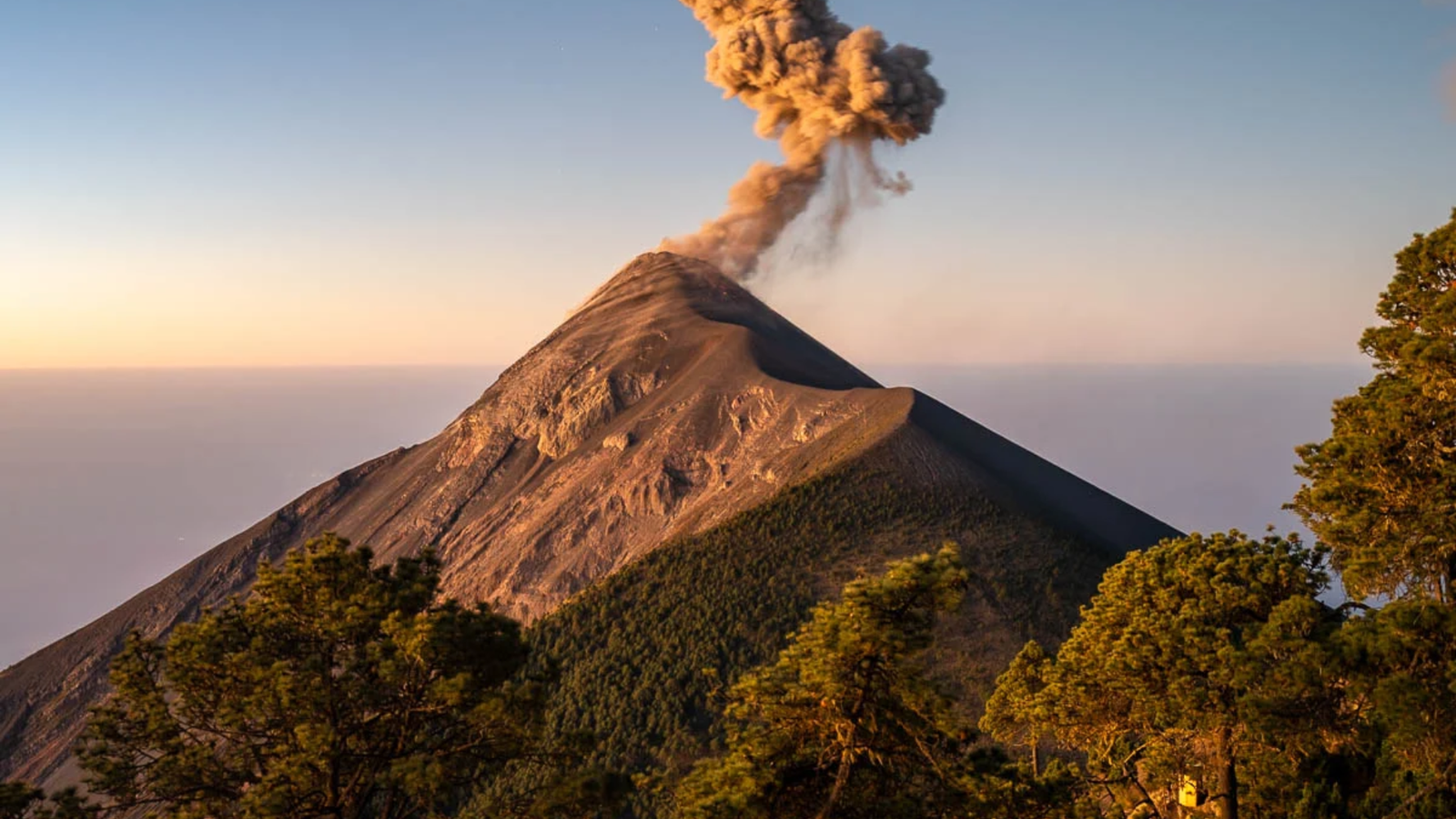
The view from 13,045 feet is stunning. You see Volcano Fuego erupting from close range. Lava cascades down its slopes. The boom of eruptions echoes across the valley.
Surrounding volcanoes stretch to the horizon. Sunrise paints the sky in layers of orange and pink. Stars at night from base camp are spectacular you’re above most light pollution at 12,000 feet.
The physical challenge is real. The mental battle is harder. Finishing proves something to yourself that no one can take away.
Conclusion
Ready to take on Acatenango. Now you have a clear sense of the climb with about five thousand feet of gain. It is tough but possible with steady prep and a calm pace. Knowing the elevation profile helps you feel more confident before you start.
Take your time, pack with care, and listen to your body. It does not matter if you have hiked many peaks or if this is your first volcano. Understanding how the climb feels can make the experience far more manageable.
The views from the top and the chance to see Fuego in action make every step feel worthwhile. If you have questions about training or gear, drop a comment below. I am glad to help. If this guide helped you, pass it along to friends planning their own Acatenango trip.
Frequently Asked Questions
How much elevation gain is the Acatenango hike?
The Acatenango hike has approximately 5,000 feet (1,524 meters) of elevation gain. You’ll start at around 7,900 feet and climb to the summit at 13,045 feet. The ascent typically takes 5-7 hours, depending on your fitness level and pace.
Is the Acatenango hike’s elevation gain difficult for beginners?
The Acatenango hike’s elevation gain is challenging for beginners due to steep sections and high altitude. However, with proper preparation, good fitness, and taking breaks, many first-time volcano hikers complete it. Acclimatizing beforehand and hiking at a steady pace help significantly.
What elevation do you sleep at on Acatenango?
Most hikers camp at base camp, located at approximately 12,300 feet in elevation. This is about 700 feet below the summit. You’ll spend the night here before summiting for sunrise, which helps with acclimatization during the Acatenango hike.
How do I prepare for Acatenango’s elevation gain?
Train with uphill hiking or stair climbing for 4-6 weeks before your trip. Build cardiovascular endurance and leg strength. Arrive in Guatemala a few days early to acclimatize, stay hydrated, and consider practicing with a weighted backpack to simulate hiking conditions.
What’s the hardest part of the Acatenango elevation gain?
The final push to the summit is the most challenging section. The steep, loose volcanic sand combined with thin air at 13,000+ feet makes breathing difficult. Most hikers find this last hour the toughest, but frequent rest stops make it manageable.
