


This guide shows you the best spots across Japan. You’ll find modern cities, ancient temples, peaceful hot springs, and natural wonders. I’ll help you pick the right places based on your interests and time.
I’ve spent years exploring Japan, so I know which destinations are worth your time. You’ll get honest recommendations, not just tourist traps.
Here’s what I’ll cover: top cities like Tokyo and Kyoto, hidden villages, scenic mountain towns, cultural sites, and island getaways. Plus, I’ll share sample itineraries for 7, 10, and 14-day trips.
Let’s plan your perfect Japan trip.
Why These Japan Must See Places Matter
Japan offers something for everyone. Big cities pulse with energy. Ancient temples offer quiet reflection. Mountain villages show traditional life. Hot springs relax your body and mind.
I picked these 21 places because they give you the real Japan. Not just the tourist version. You’ll see where locals actually go. Places that changed how I view travel.
Each destination tells a different story. Some are famous for good reason. Others fly under the radar but deserve your time. Together, they create the complete Japan experience.
You don’t need to visit all 21. Pick what speaks to you. Mix cities with nature. Balance busy days with slow ones. That’s how you make memories that last.
21 Japan Must See Places
A curated list of Japan’s top destinations, covering iconic cities, cultural landmarks, and natural highlights you shouldn’t miss.
1. Tokyo: Modern Japan at Its Best

Tokyo blends skyscrapers with tradition perfectly. The city never sleeps, and you’ll find something new around every corner.
Start at Shibuya Crossing. Watch thousands of people cross at once. It’s wild. Then head to Senso-ji Temple in Asakusa for a taste of old Tokyo.
Harajuku shows you quirky fashion. Shinjuku has the best nightlife. Don’t skip the Tokyo Skytree views or a stroll through peaceful Meiji Shrine.
You can spend weeks here and still find new spots.
2.Kyoto:The Heart of Traditional Japan
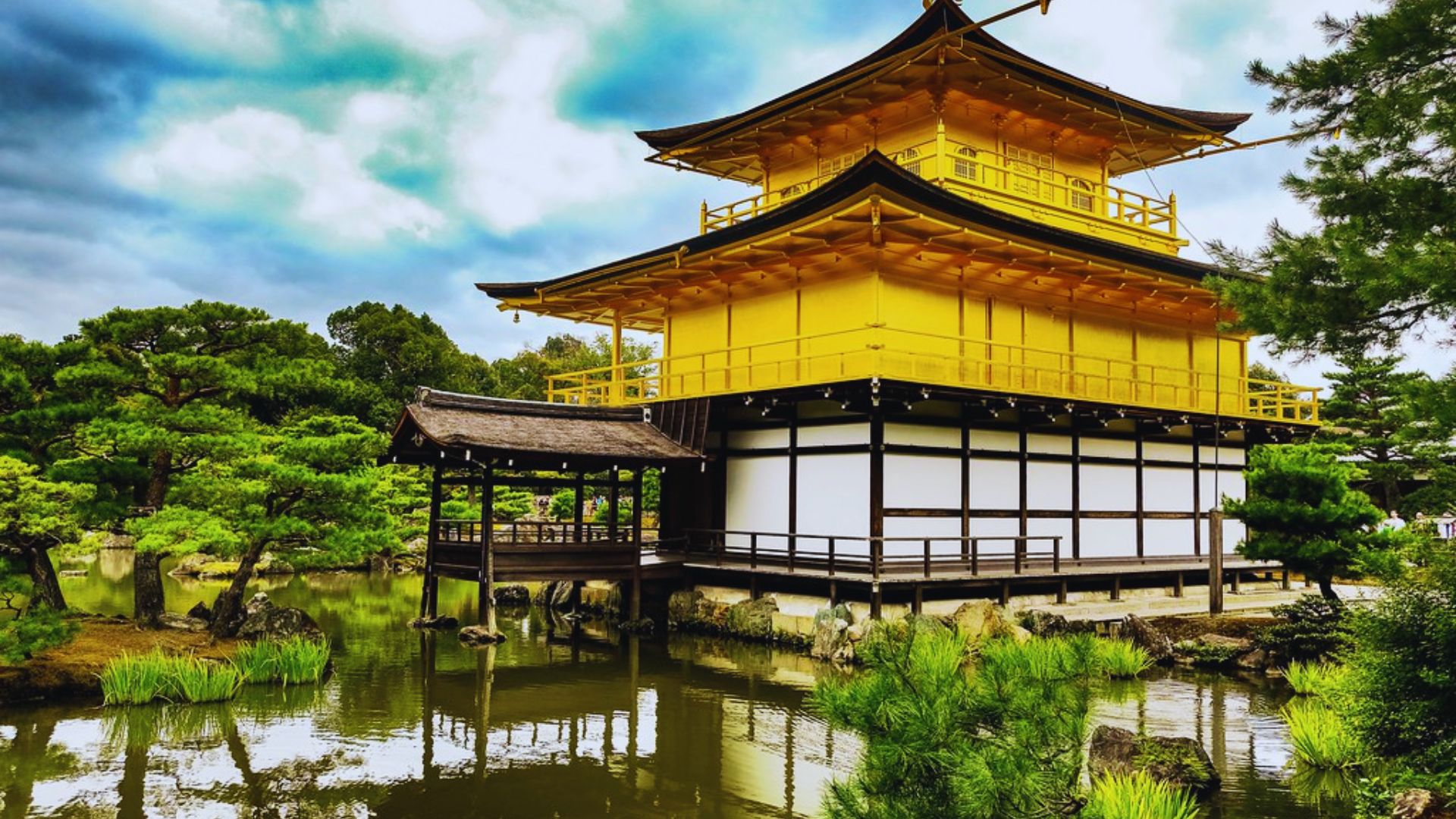
Kyoto is where Japan’s soul lives. This city has over 2,000 temples and shrines.
Walk through bamboo forests in Arashiyama. Visit Kinkaku-ji, the golden temple that reflects in the pond. Gion district is where you might spot a geisha heading to work.
The gardens here are art. Ryoan-ji’s rock garden makes you stop and think. Spring brings cherry blossoms. Fall turns everything red and gold.
3. Osaka: Vibrant Food & Nightlife
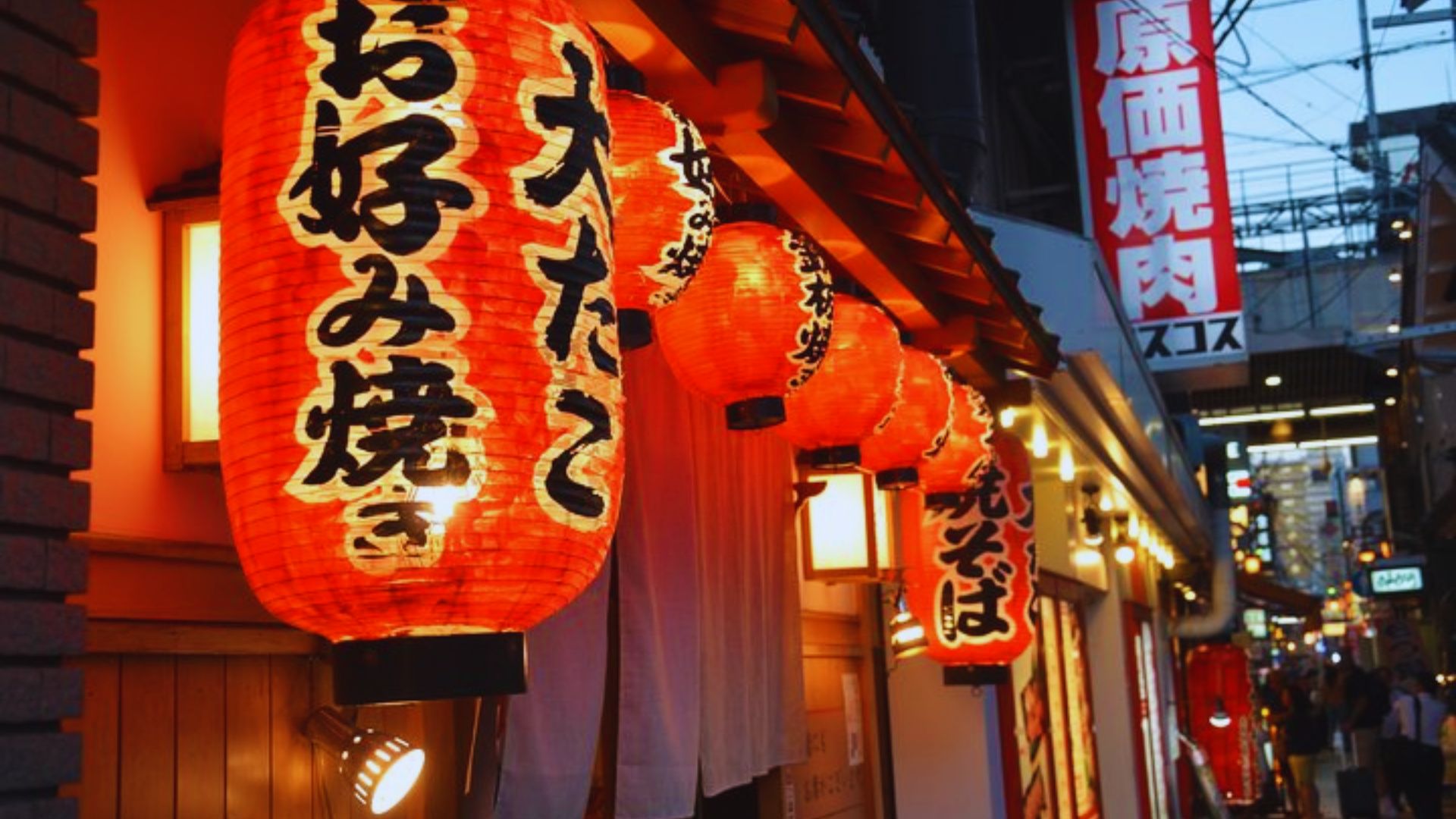
Osaka knows how to have fun. People here are friendlier and more relaxed than in Tokyo.
The food scene is legendary. Try takoyaki (octopus balls) from street vendors. Dotonbori lights up at night with neon signs and energy. Osaka Castle sits in the middle of the city with great history.
Locals call this Japan’s kitchen. They’re not wrong. Every meal feels like a celebration.
4. Nara: Ancient Capital & Deer Park
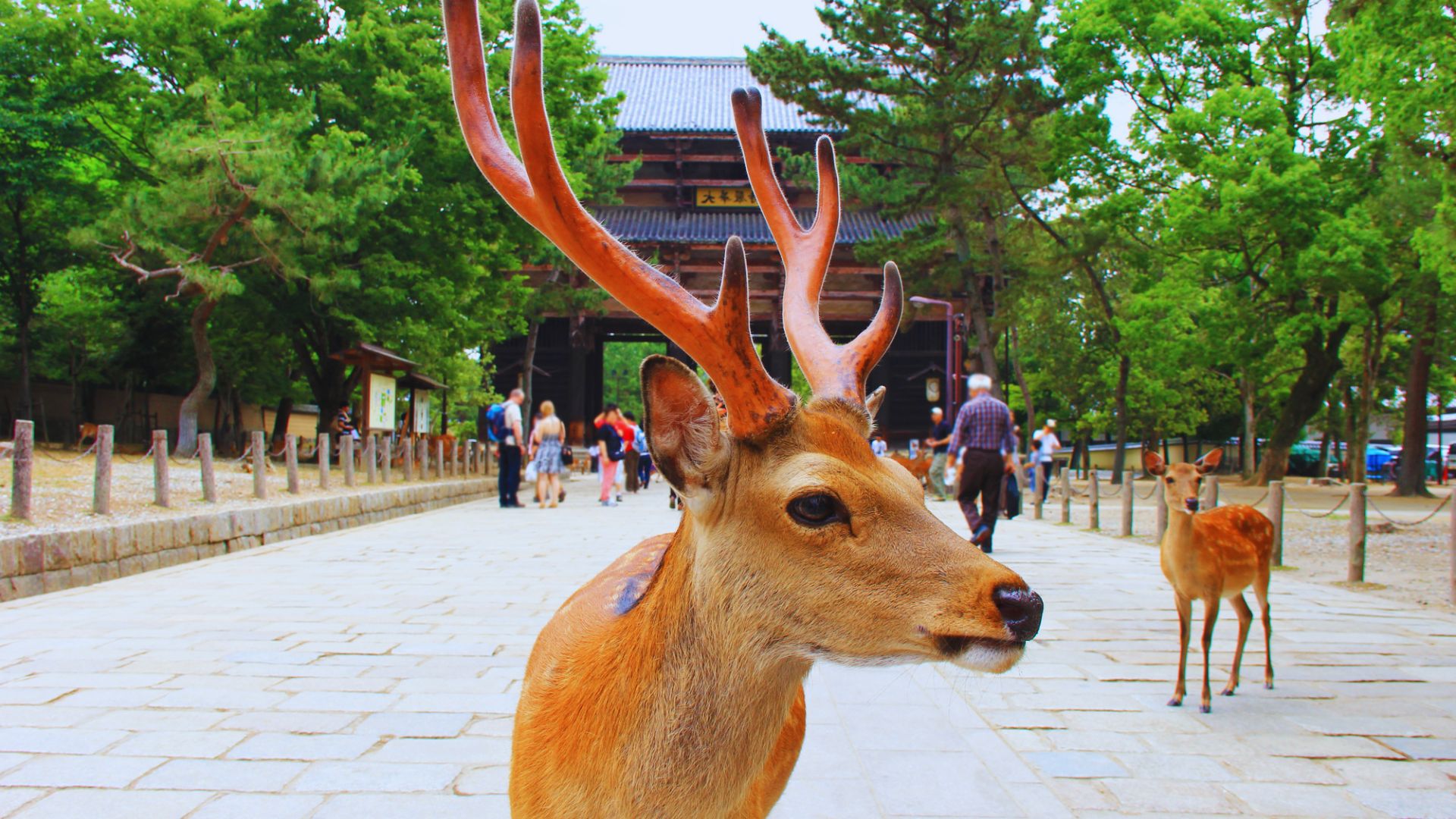
Deer roam free in Nara Park. They bow when you offer them crackers. It’s surreal.
The Great Buddha at Todai-ji Temple is massive. One of the biggest bronze statues in the world. Kasuga Taisha shrine has thousands of stone lanterns lining the paths.
This was Japan’s capital before Kyoto. You can see the whole city on a day trip, but it deserves more time.
5. Hiroshima & Miyajima: History & Nature
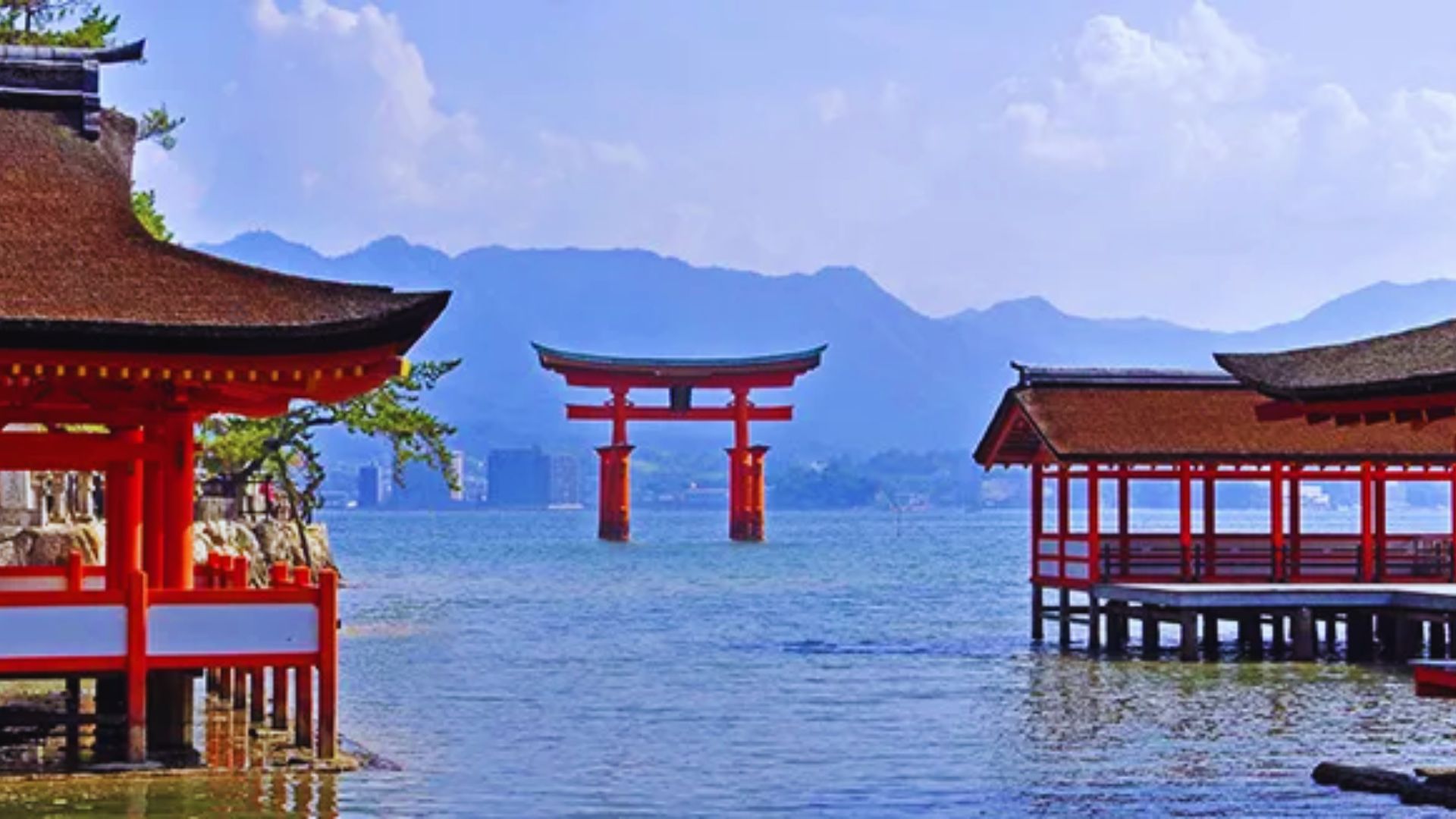
Hiroshima teaches important lessons. The Peace Memorial and Museum are moving. They show the city’s past and hope for the future.
Take a ferry to Miyajima Island. The floating torii gate at Itsukushima Shrine is iconic. Time your visit for high tide. Hike Mount Misen for views of the Seto Inland Sea.
The contrast between these two places hits hard. History and beauty side by side.
6. Hakone: Mt. Fuji Views & Onsens
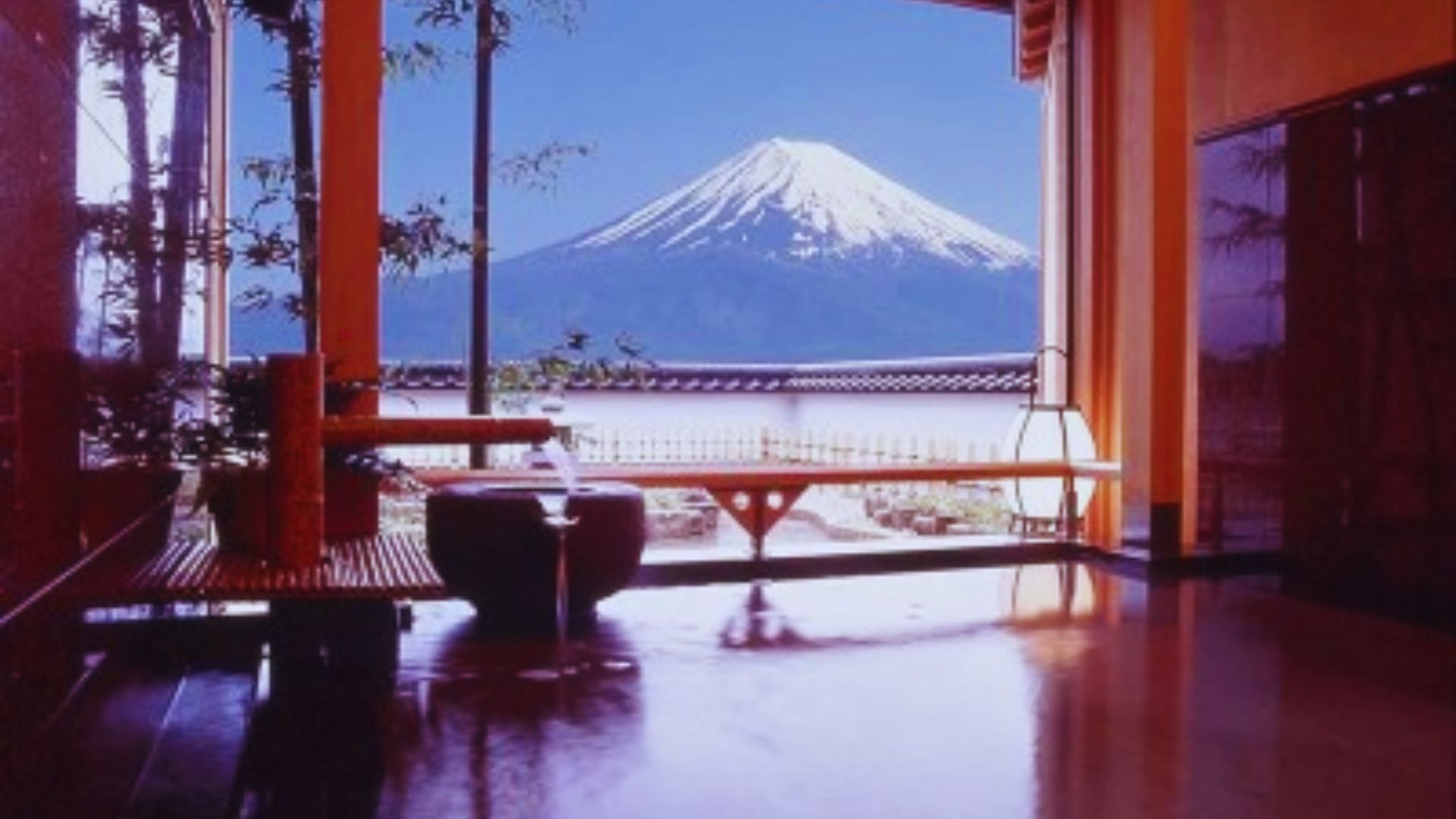
Hakone is where you go to relax. Hot springs (onsen) are everywhere. Soaking in warm water while looking at Mt. Fuji is perfect.
Take the Lake Ashi cruise. On clear days, Mt. Fuji reflects in the water. The Hakone Open-Air Museum mixes art with nature. Don’t miss the black eggs at Owakudani. They’re boiled in sulfur springs.
This makes a great weekend escape from Tokyo.
7. Kanazawa:Traditional Art & Gardens
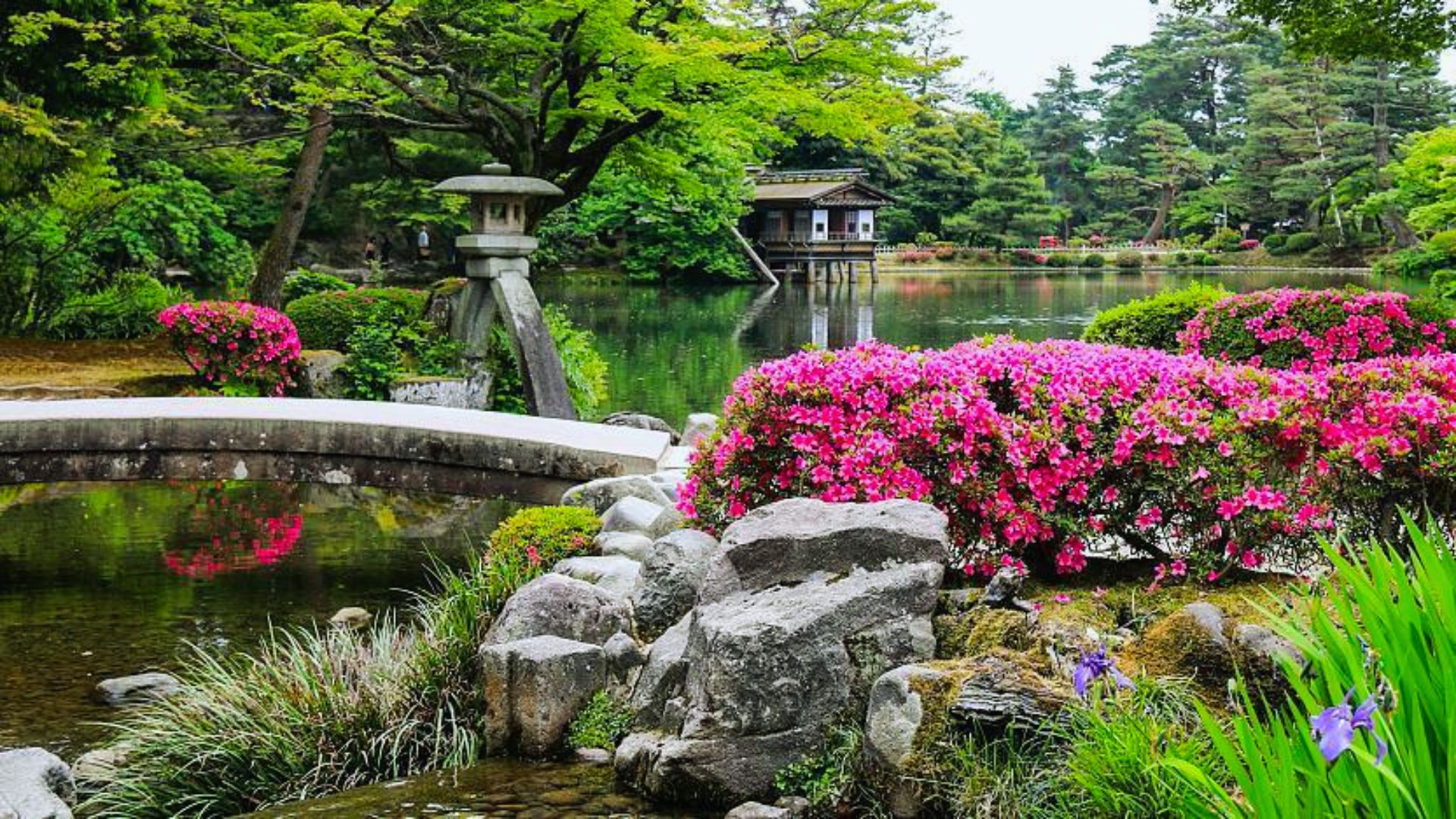
Kanazawa escaped bombing during the war. That means old buildings and districts survived intact.
Kenroku-en Garden is one of Japan’s top three gardens. Higashi Chaya district has preserved tea houses from centuries ago. The 21st Century Museum brings modern art into the mix.
Gold leaf products are made here. Try gold-flecked ice cream. Visit the samurai and geisha districts to see how people lived.
8. Takayama: Charming Japan Alps Town

Takayama feels like stepping into old Japan. Wooden buildings line narrow streets. The mountain air is crisp.
The morning markets sell local crafts and food. Sanmachi Suji district has sake breweries you can tour. Try Hida beef. It rivals Kobe beef but costs less.
Spring and fall festivals here are huge. Massive floats parade through town. Even without festivals, this place charms you.
9. Koya-san:Temple Stay Experience
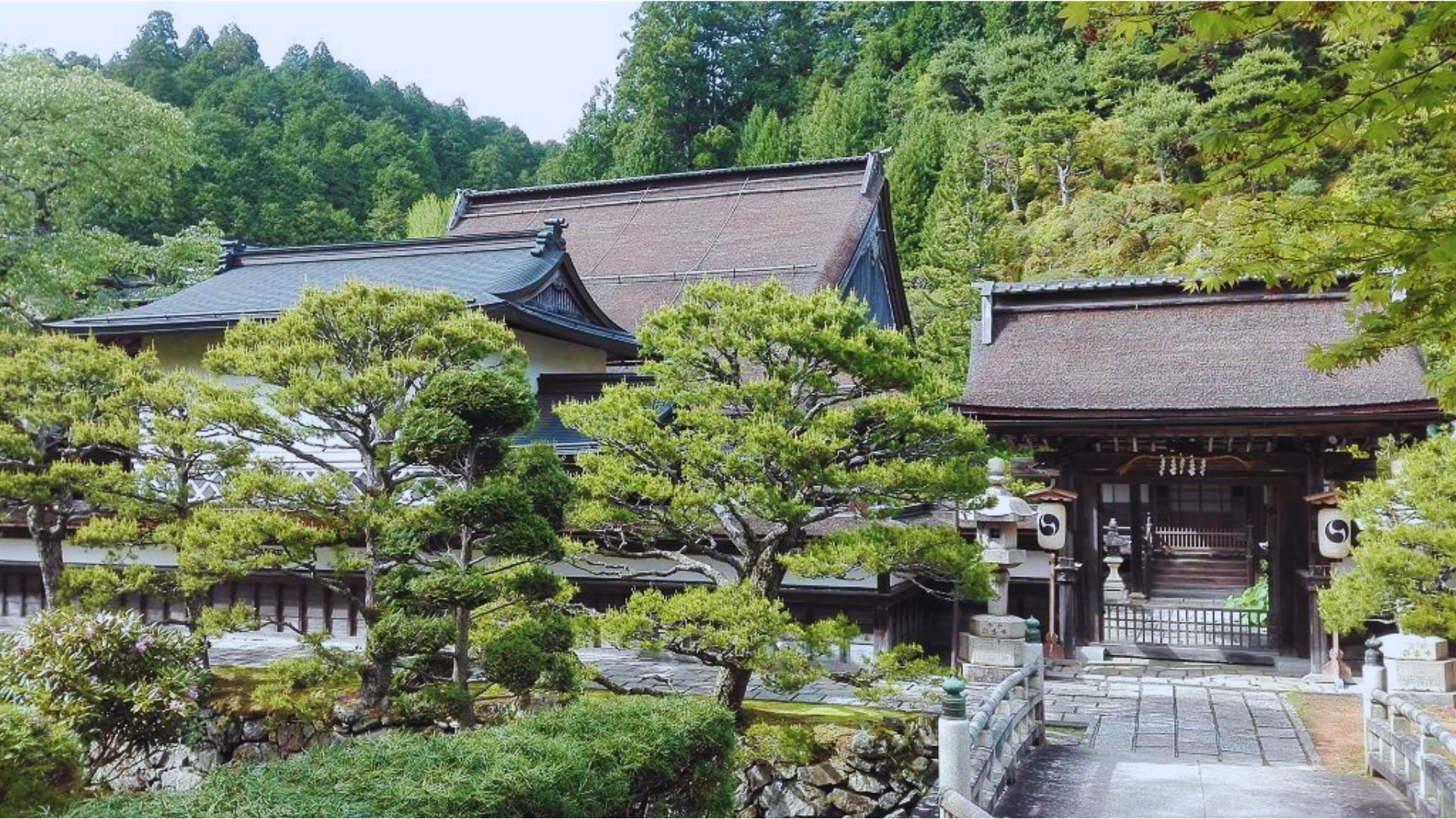
Sleep in a Buddhist temple on Mount Koya. Monks wake you at dawn for prayers. It’s spiritual and peaceful.
Okunoin Cemetery has thousands of lanterns and tombstones among giant cedars. Kongobu-ji Temple is the head temple of Shingon Buddhism. The vegetarian meals (shojin ryori) taste better than you’d expect.
This isn’t typical tourism. You’ll leave feeling different.
10.Tsumago: Edo-Period Village
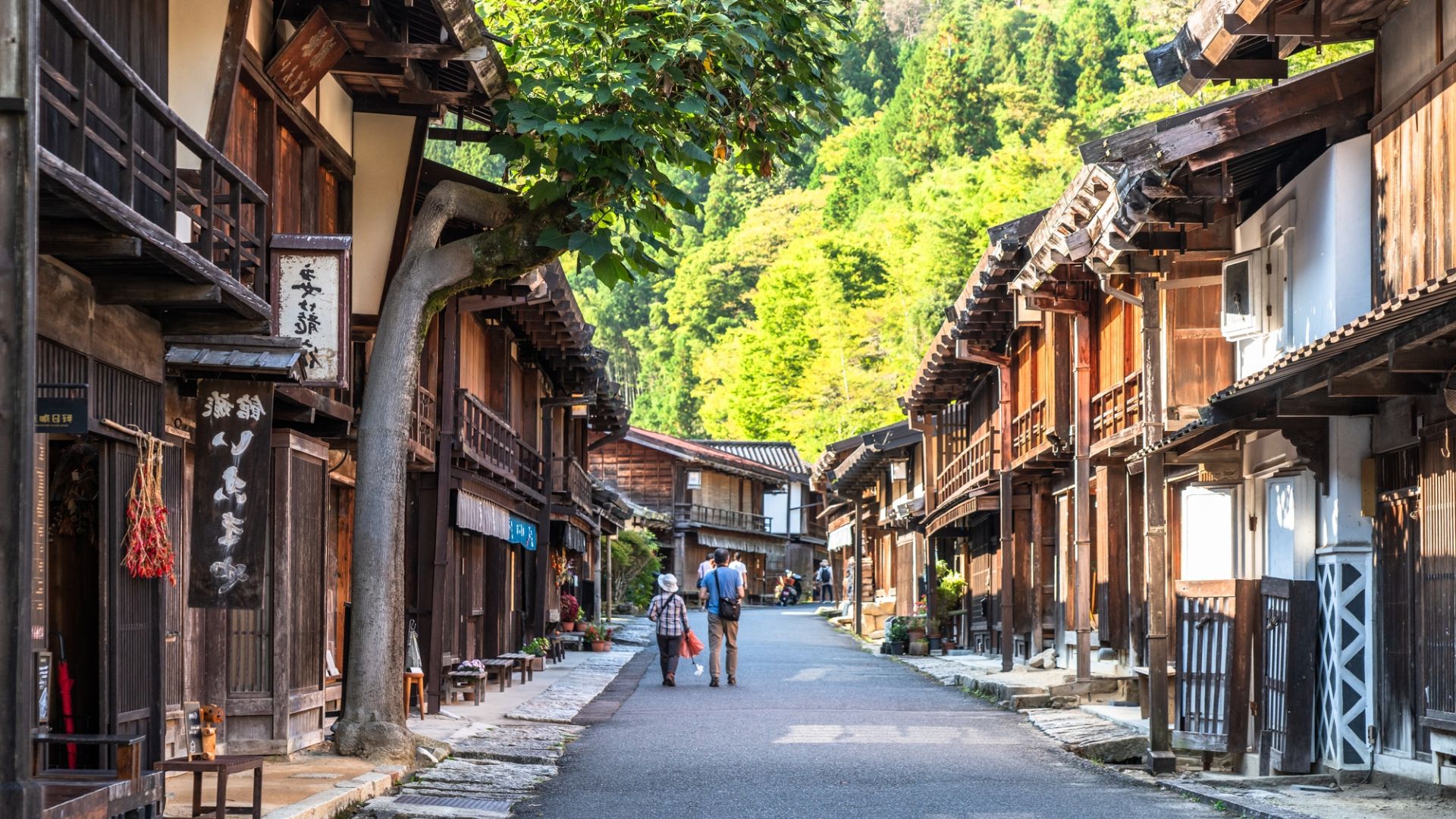
Tsumago banned cars and power lines. Walking these streets feels like time travel back 400 years.
Old post towns along the Nakasendo Way connected Tokyo and Kyoto. Tsumago preserved everything. Wooden inns still welcome guests. Hike to nearby Magome for more history.
Stay overnight in a traditional inn. The hosts treat you like family.
11. Kawaguchiko: Mt. Fuji Views
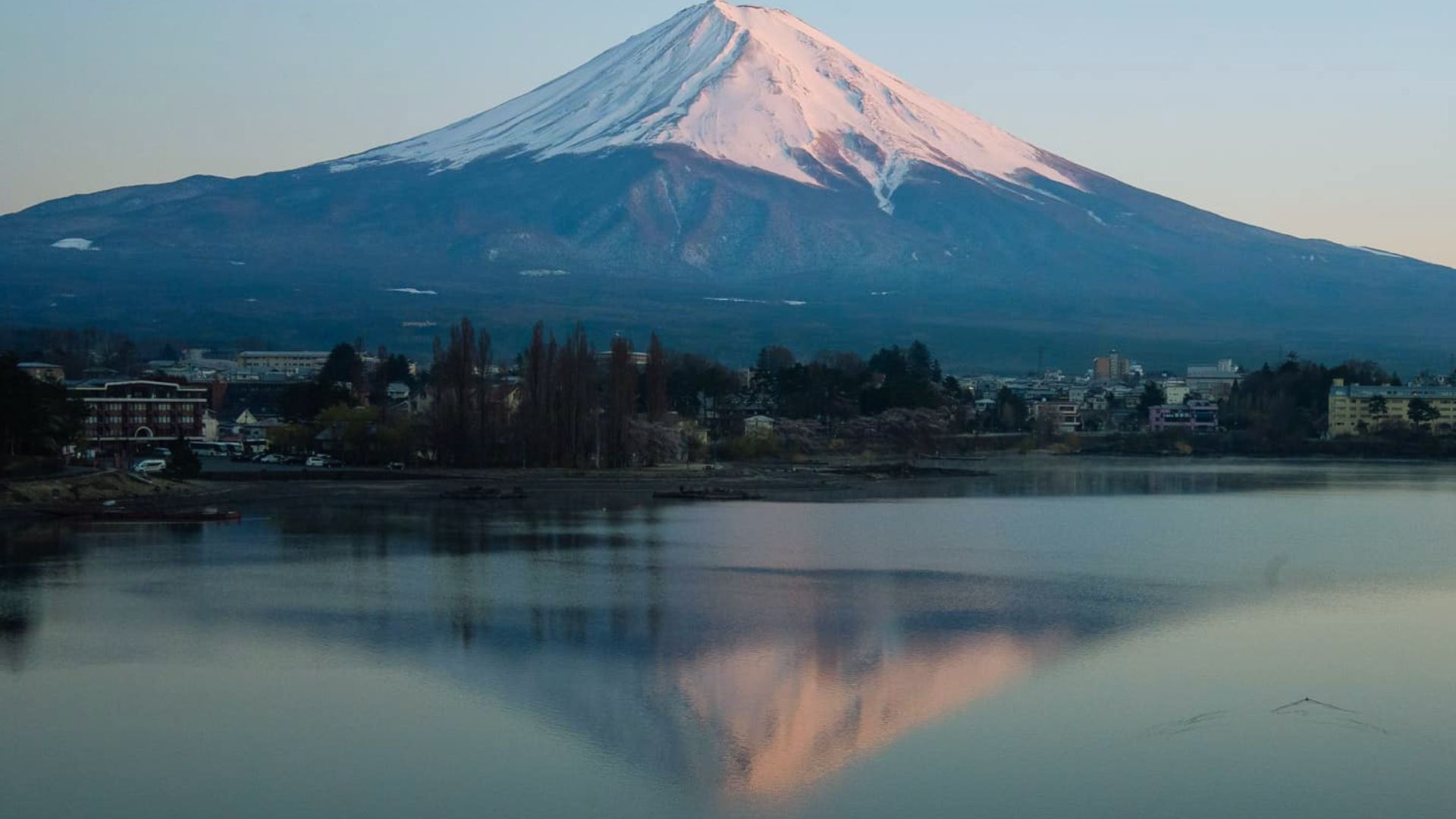
Lake Kawaguchi gives you the best Mt. Fuji photos. The mountain reflects perfectly on calm mornings.
Rent a bike and circle the lake. Chureito Pagoda offers the classic shot with cherry blossoms in spring. Hot springs here face the mountain.
You can’t climb Mt. Fuji in winter. But you can admire it year-round from here.
12.Kamakura: Temples & Giant Buddha
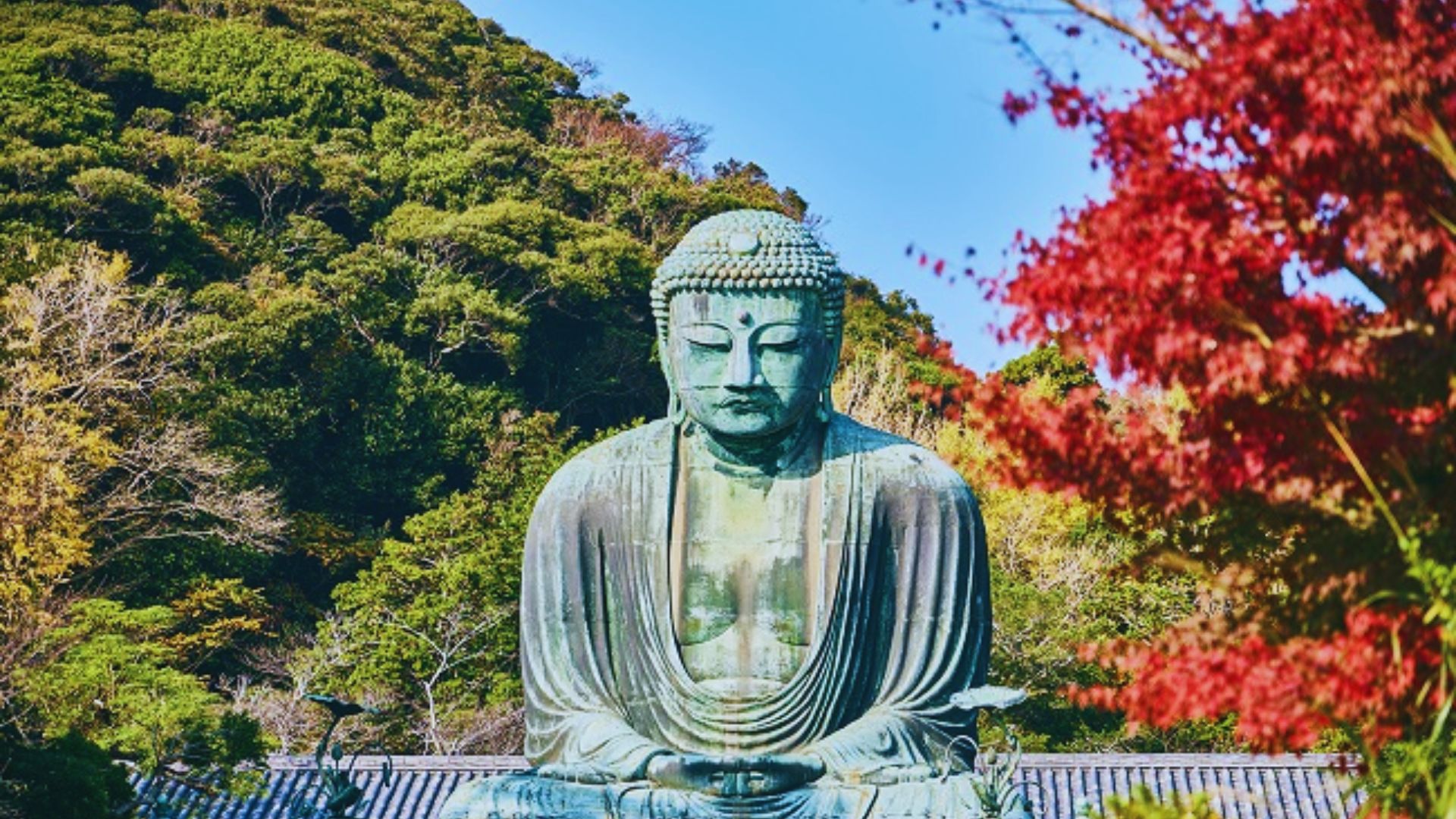
Kamakura is a beach town with a serious history. It was Japan’s capital 800 years ago.
The Great Buddha sits outdoors at Kotoku-in Temple. Hasedera Temple overlooks the ocean. Bamboo groves at Hokoku-ji are quieter than Kyoto’s.
Surf culture mixes with temple culture here. Grab lunch at Komachi Street after temple hopping.
13. Shirakawa-go: Traditional Village
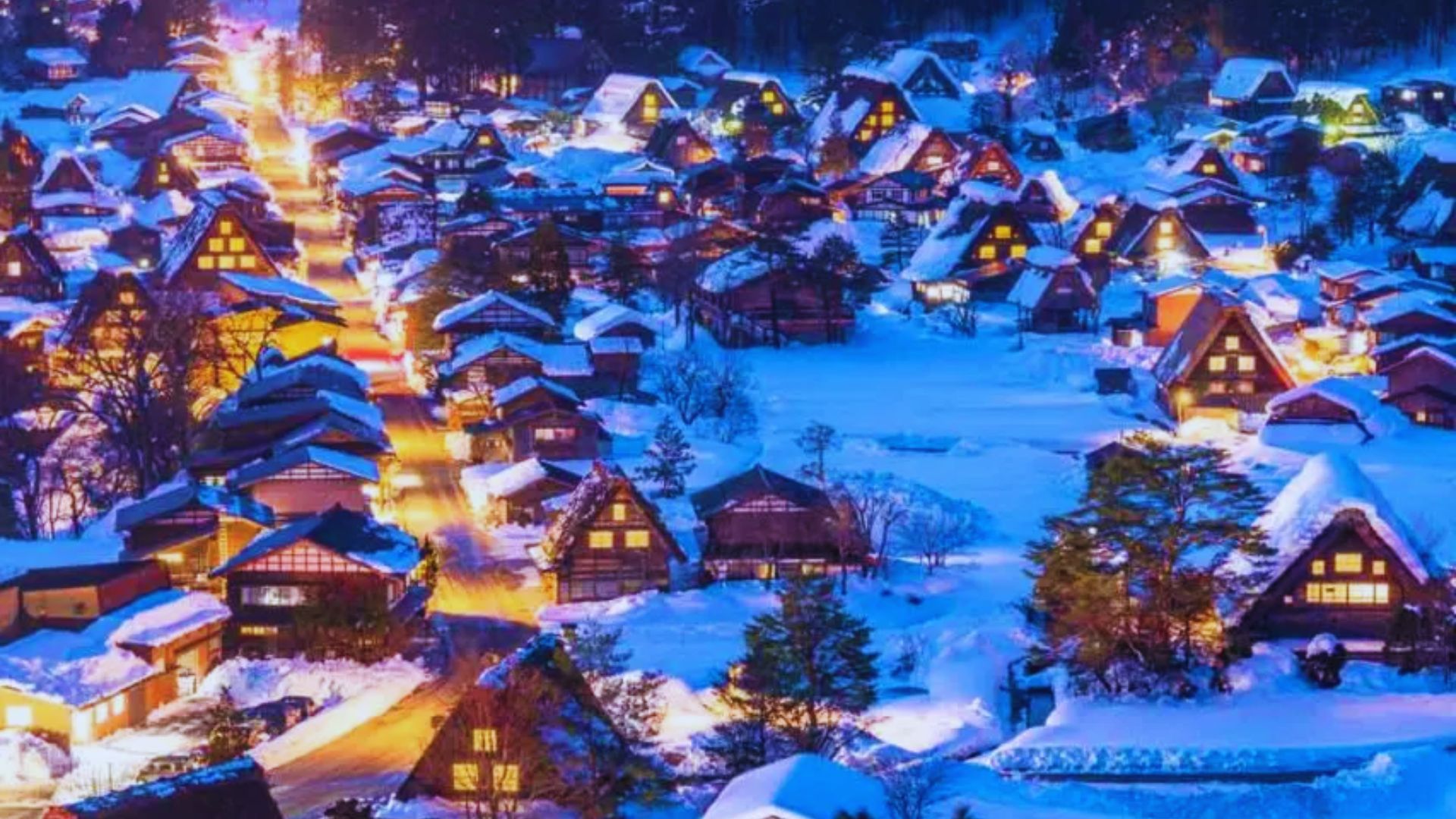
Steep thatched roofs handle heavy snow. These gassho-zukuri houses are UNESCO-listed. Some are 250 years old.
Winter lights up the village at night. Stay in a farmhouse to experience rural life. The views from the observation deck show how special this place is.
It gets crowded but remains worth it. Go early in the morning or late afternoon.
14. Kinosaki Onsen: Hot Spring Town
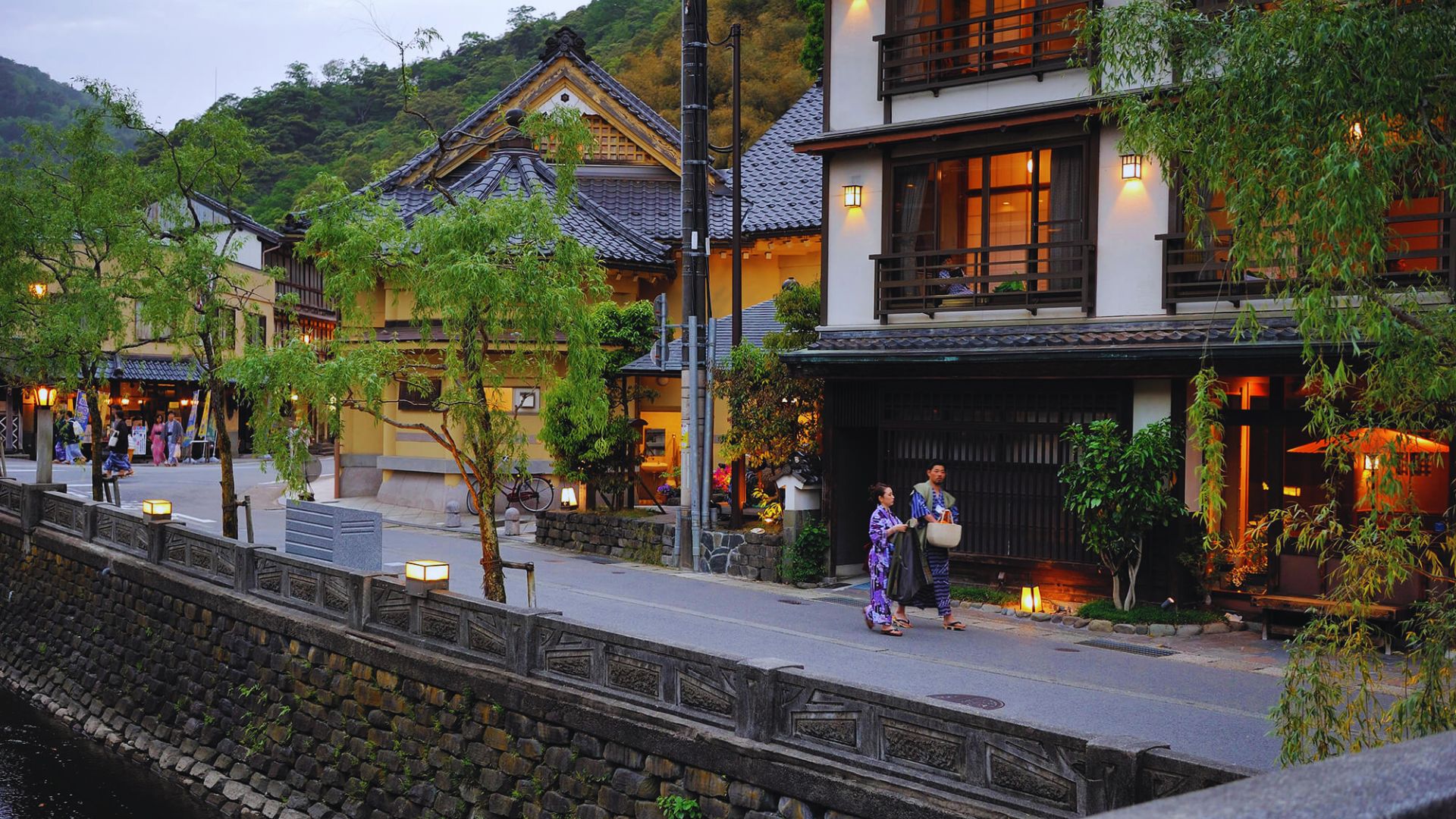
Seven public hot springs dot this small town. Wear a yukata and wooden sandals. Hop from bath to bath.
The Otani River runs through town. Willow trees line the banks. Everything moves slower here. That’s the point.
Come in winter for crab season. The snow makes it even more atmospheric.
15. Naoshima: Art Island
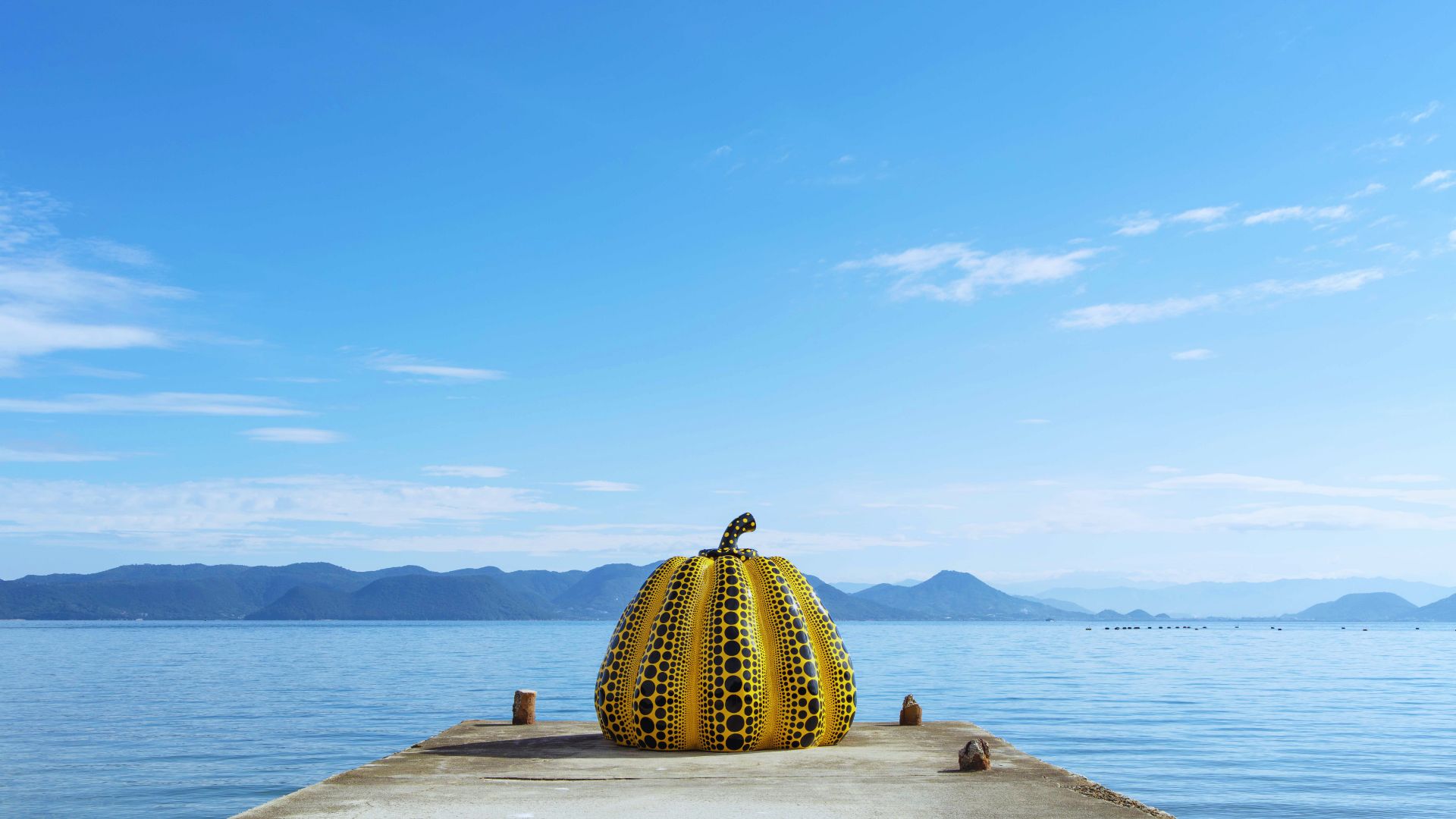
Modern art takes over this island. Yellow pumpkins by Yayoi Kusama sit by the sea. Museums are built underground.
The Chichu Art Museum houses Monet paintings. Benesse House combines a hotel and gallery. Local houses became art installations.
Rent a bike. The island is small but packed with creativity.
16. Okayama: Garden & Culture
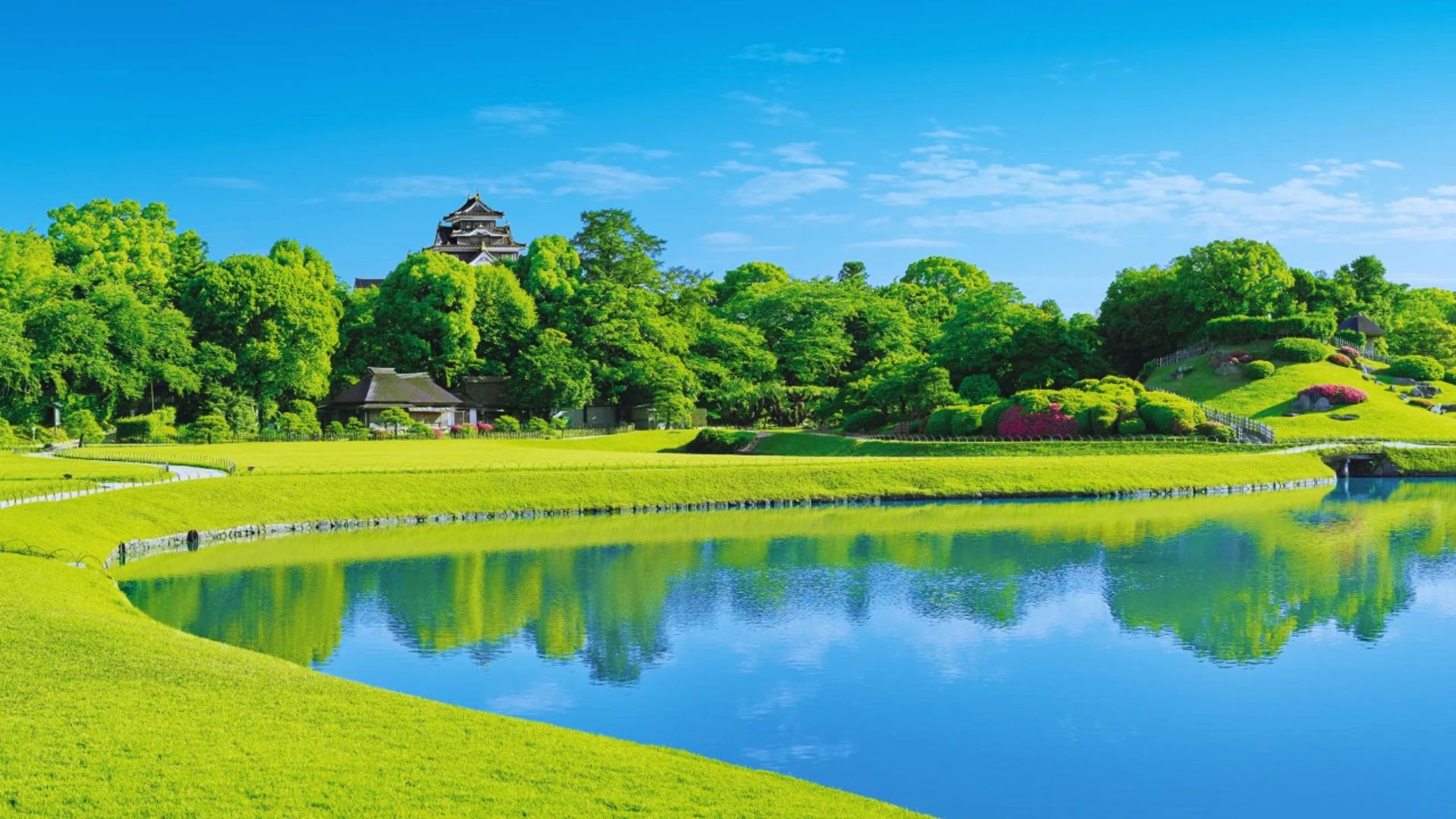
Korakuen Garden is massive and peaceful. One of Japan’s three best gardens. The lawn areas are rare in Japanese gardens.
Cross the river to Okayama Castle. The black exterior earns it the nickname “Crow Castle.” Kurashiki district nearby has white-walled warehouses turned into museums.
This city flies under the radar but shouldn’t.
17. Himeji Castle: Historic Castle
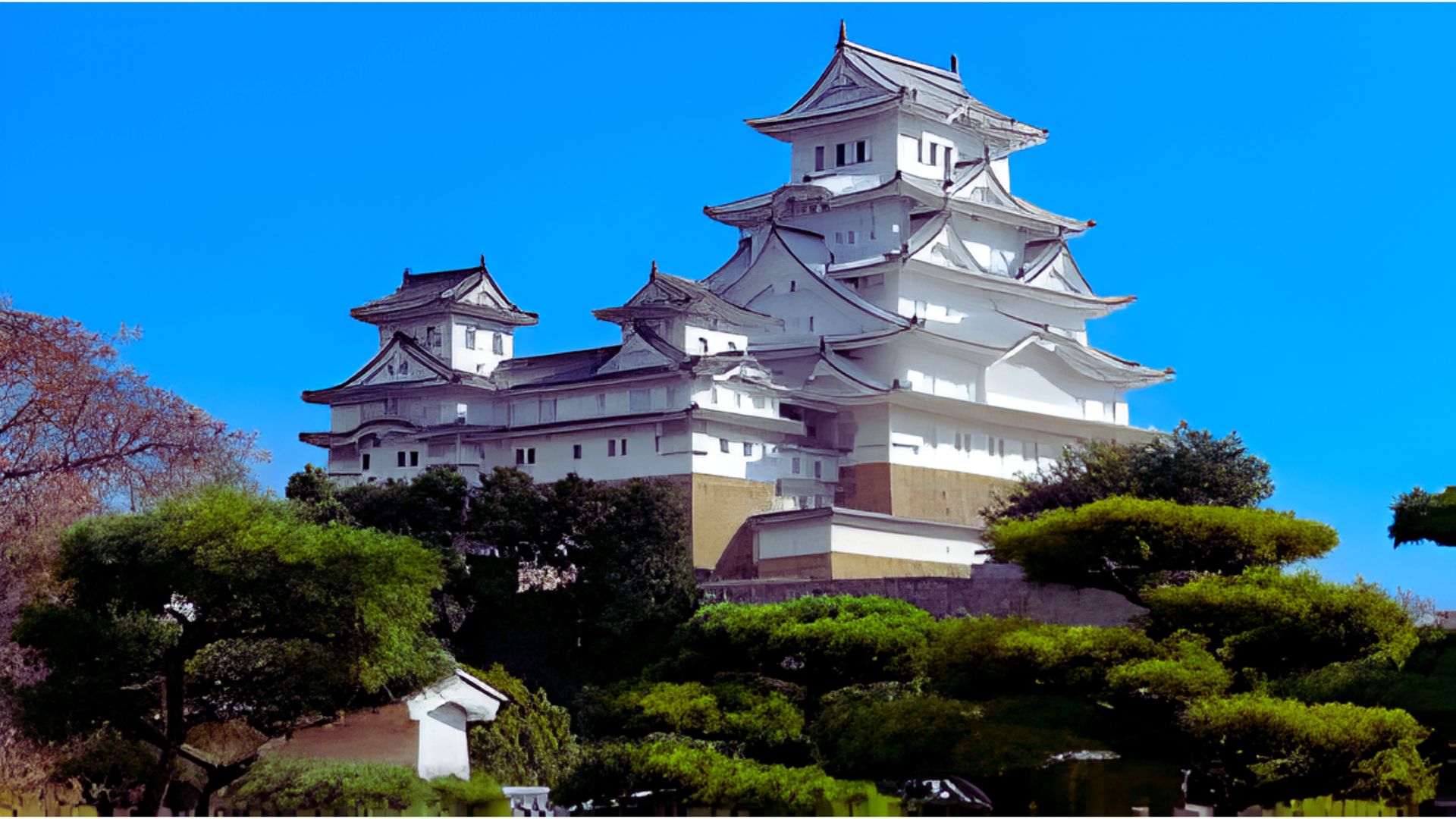
The White Heron Castle is Japan’s finest. It never burned down or got destroyed. Original structures from 1609 still stand.
Climb to the top floor. The defense systems are clever. Multiple gates and mazes confused attackers. Cherry blossoms surround the castle in spring.
Take the train from Osaka or Kyoto. You can see it in half a day.
18. Takaragawa Onsen: Scenic River Onsen
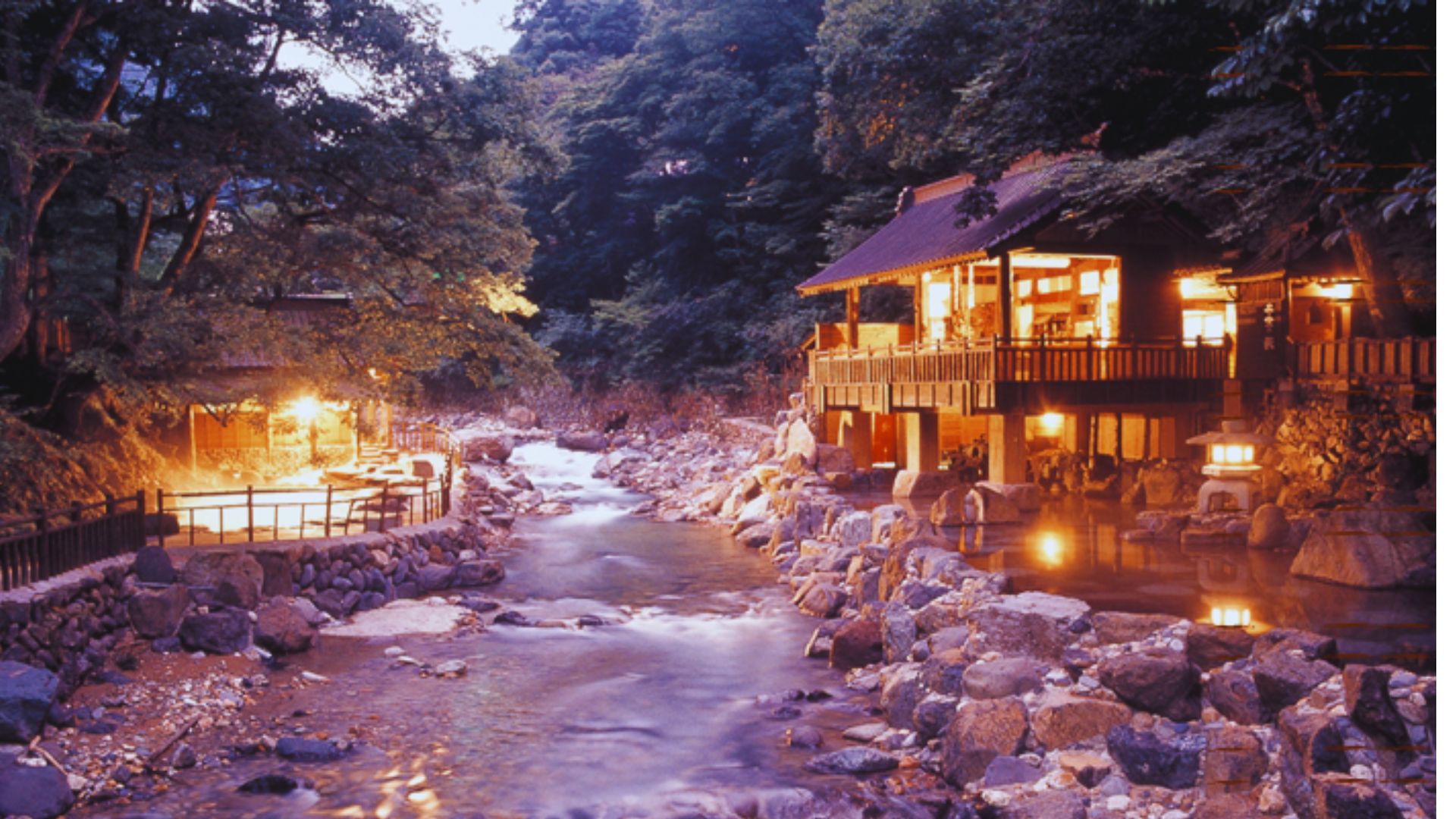
Soak in outdoor baths beside a mountain river. The water is perfect. The scenery is better.
Four large outdoor pools sit right on the river. Mixed bathing exists here (bring a towel). The ryokan serves amazing food.
Fall colors reflect in the water. Winter brings snow. Both seasons are magic.
19. Izu Peninsula: Coastal Adventures
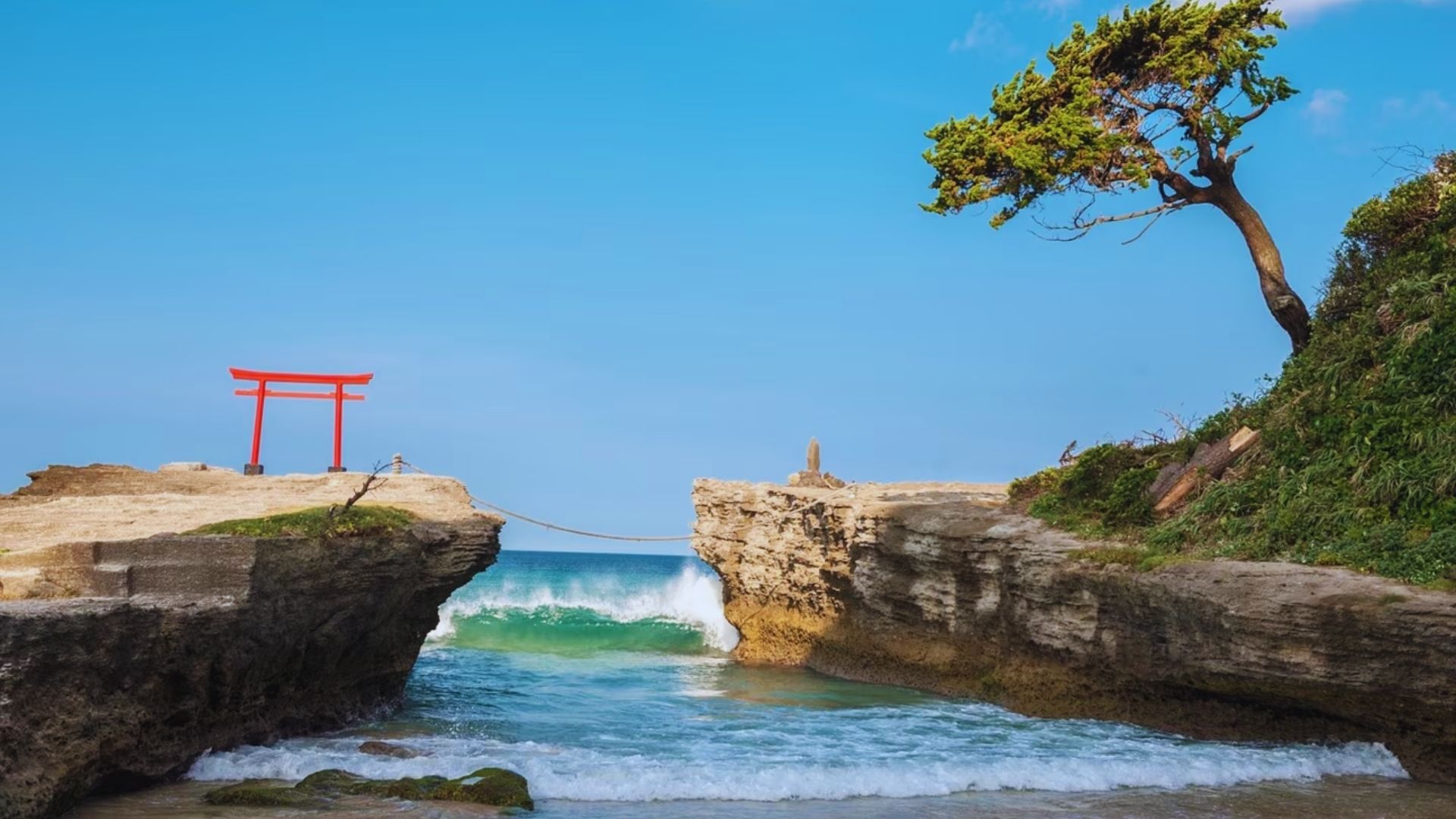
Beaches, cliffs, and hot springs line this coast. Tokyo residents come here for weekends. You should too.
Jogasaki Coast has dramatic cliffs and a suspension bridge. Shimoda has nice beaches for swimming. The whole peninsula has onsen towns.
Seafood is incredibly fresh. The pace is relaxed. It’s Japan’s vacation mode.
20. Hokkaido / Okinawa: Nature & Islands
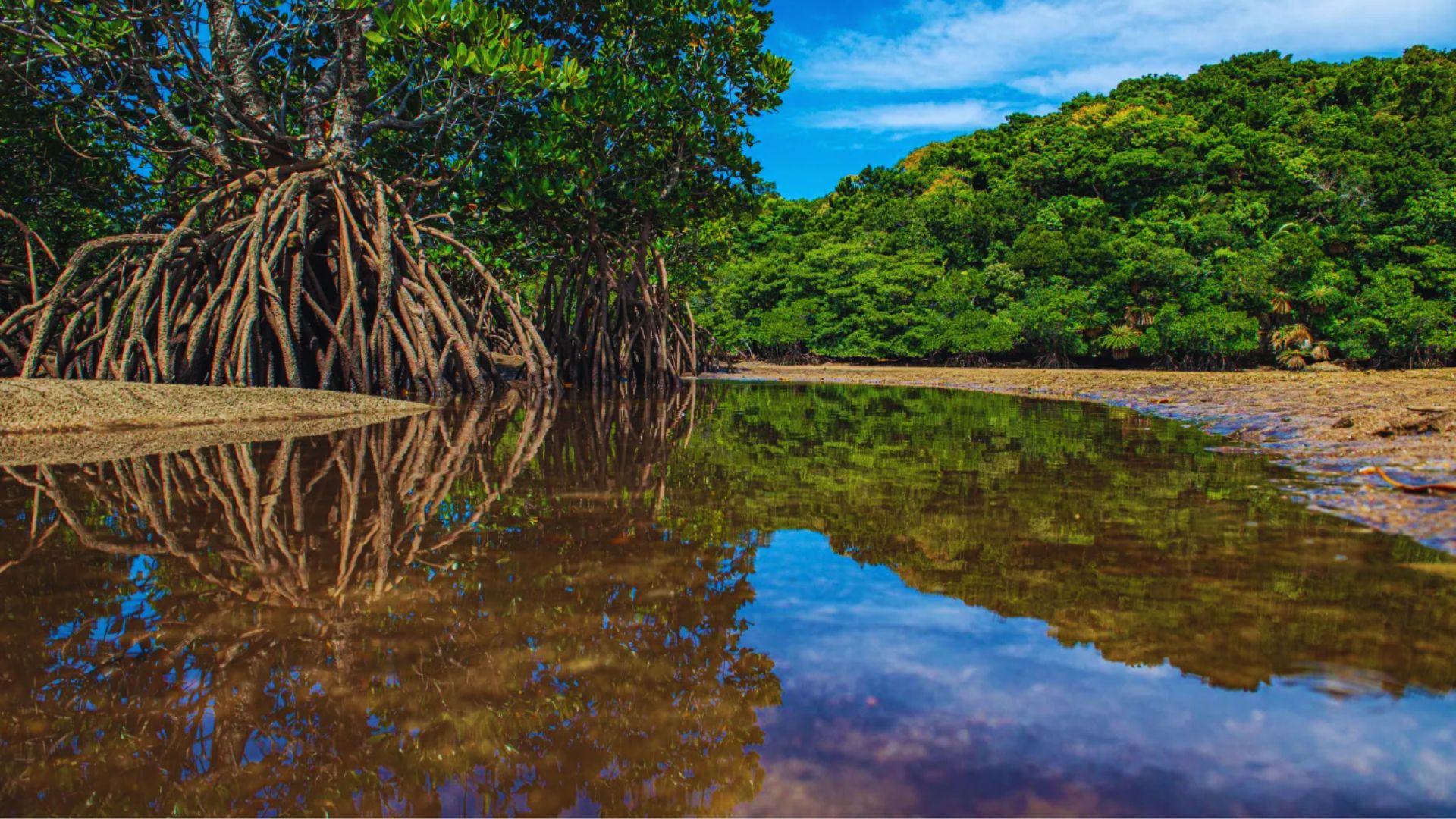
North or south? Both are amazing.
Hokkaido in the north has wide open spaces. Sapporo hosts a huge snow festival. National parks offer hiking and wildlife. Lavender fields bloom in summer.
Okinawa in the south feels tropical. Blue water and white sand beaches. The culture differs from mainland Japan. Islands like Ishigaki are paradise.
Pick based on weather and what you want.
21. Fushimi Inari Taisha: Iconic Torii Gates
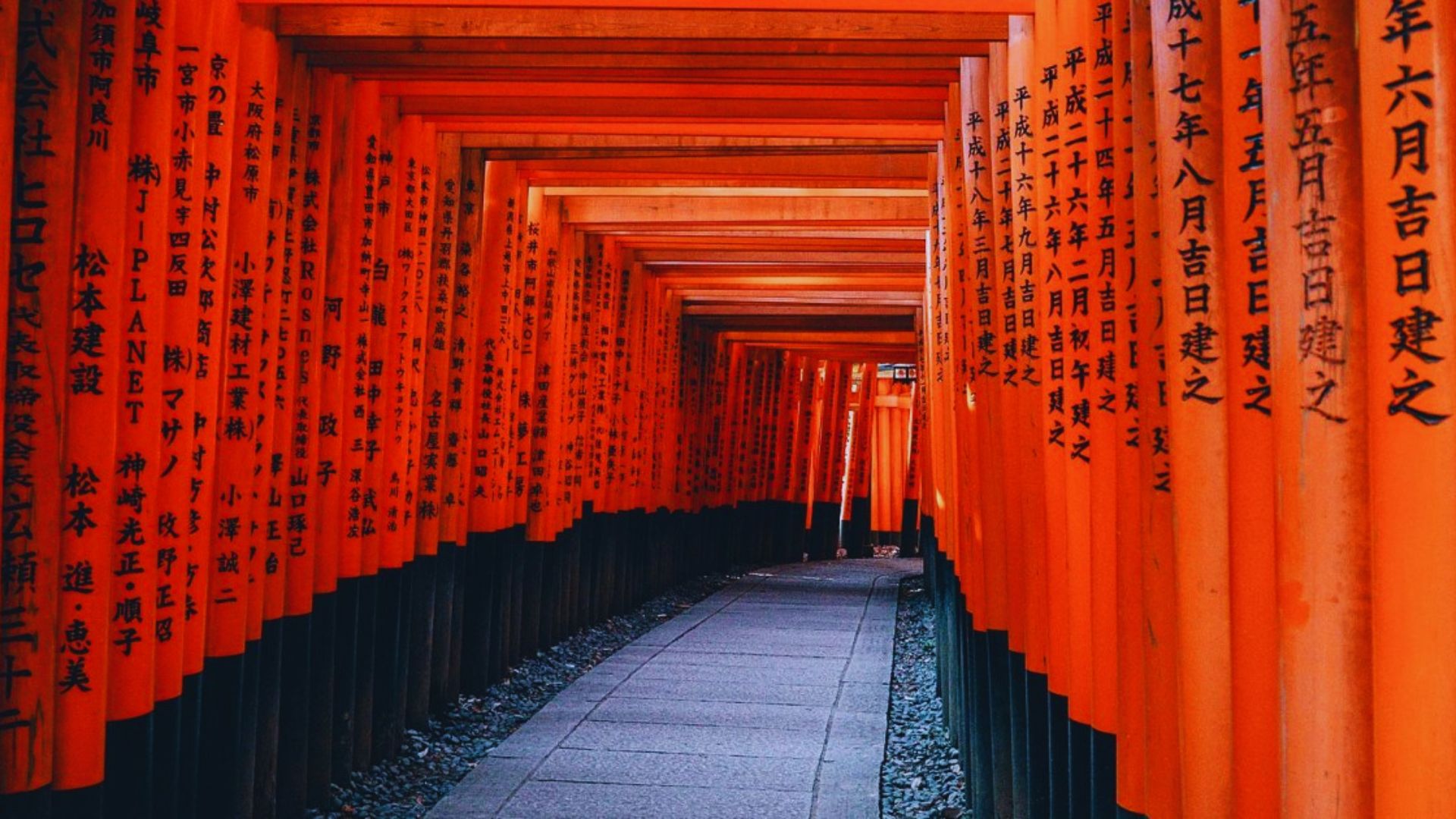
Ten thousand red gates create tunnels up the mountain. This shrine in Kyoto is instantly recognizable.
Start early before crowds arrive. The hike takes 2-3 hours to reach the summit. Smaller shrines dot the path. Fox statues guard the gates.
It’s free to visit. The photos you’ll take are priceless.
Japan Must See Places Itinerary Suggestions
Planning helps you see more without rushing.
7-Day Japan Must See Places Route
Tokyo (3 days): Shibuya, Asakusa, Harajuku, Shinjuku
Hakone (1 day): Mt. Fuji views and hot springs
Kyoto (2 days): Fushimi Inari, Arashiyama, Gion
Osaka (1 day): Dotonbori food and nightlife
This hits the main spots. You’ll be busy but satisfied.
10-Day Japan Must See Places Plan
Add these to the 7-day route:
Nara (1 day) – Deer park and great Buddha
Hiroshima and Miyajima (2 days) – History and island shrine
Keep Tokyo for 3 days. Kyoto deserves 3 days now. You’ll have time to breathe. Meals won’t feel rushed.
14-Day Japan Must See Places Schedule
Now you can add depth:
Kanazawa (2 days): Gardens and samurai district
Takayama (2 days): Alps town and markets
Kinosaki Onsen (1 day): Hot spring hopping
Or swap Kanazawa and Takayama for Hokkaido if you want nature. Two weeks lets you mix cities with rural areas. You’ll see different sides of Japan.
Balancing Your Trip
Cities give you energy. Temples give you peace. Nature gives you space.
Don’t pack every day with temples. Your brain will blur them together. Mix one temple day with one city day.
Add one relaxation day for every four busy days. Hot springs work great for this. Your feet will thank you.
Regional passes save money. The JR Pass covers most trains. Local buses reach places trains don’t.
Seasonal Travel Tips
- Spring (March-May): Cherry blossoms peak late March to early April. Book hotels early. Parks get crowded but worth it.
- Summer (June-August): Hot and humid. Hokkaido stays cooler. Festivals happen everywhere. Fireworks light up rivers.
- Fall (September-November): Perfect weather. Fall colors rival spring blossoms. Mid-November is the peak in Kyoto.
- Winter (December-February): Snow in the north. Skiing in Hokkaido and the Alps. Onsen season. Christmas lights in cities.
Each season changes Japan completely.
Local Festival Planning
Gion Matsuri in Kyoto runs through July. Giant floats parade on July 17.
Takayama Festival happens twice a year. April 14-15 and October 9-10. Some of Japan’s best festival floats.
Sapporo Snow Festival fills February. Massive ice sculptures take over the city.
Check local calendars. Festivals add special memories. But they also mean crowds and higher prices.
Conclusion
Japan gives you experiences you can’t find anywhere else. From neon-lit streets to quiet temples, every place tells a different story.
I still think about my first onsen soak while watching Mt. Fuji. That moment made the whole trip real. You’ll have your own moments like that.
Pick the places that call to you. Use the itineraries as starting points, not rules. Japan rewards both planning and spontaneity.
What part of Japan are you most excited to see? Drop a comment below.
Share this guide with your travel friends. Your 2026 trip starts now.
Frequently Asked Questions
What are the top 5 must see places?
Tokyo, Kyoto, Osaka, Hiroshima, and Hakone make the top 5. These give you modern cities, traditional culture, history, and natural beauty. You’ll experience different sides of Japan in each place.
How many days do I need to see Japan?
Seven days covers the basics: Tokyo, Kyoto, and Osaka. Ten to fourteen days lets you add temples, nature, and hot springs. Three weeks gives you time to relax and see rural areas without rushing.
When is the best time to visit Japan?
Spring (March-May) and fall (September-November) offer the best weather. Cherry blossoms bloom in spring. Fall colors peak in November. Summer gets hot and humid. Winter brings snow and fewer crowds.
Do I need a JR Pass for these places?
Yes, the JR Pass saves money if you visit multiple cities. It covers most trains except local subways. Buy it before arriving in Japan. Calculate your train routes first to make sure it’s worth it.
Can I visit Japan without knowing Japanese?
Yes, major cities have English signs and helpful locals. Download Google Translate. Learn basic phrases like “thank you” (arigato) and “excuse me” (sumimasen). Rural areas have less English but people still help you.
