


Planning to visit Congaree National Park but not sure where to start? I’ll walk you through everything you need for a perfect 1-2 day trip.
This guide covers the best times to go, what trails to hike, where to spot wildlife, and how to see those famous fireflies. I’ve done the research and tested these routes myself, so you can skip the guesswork.
You’ll get a complete itinerary that works for first-timers and nature lovers alike. From navigating the flooded trails to finding the tallest trees in the East, I’ll help you make the most of your time.
Let’s plan your trip to South Carolina’s wildest national park.
Best Time to Visit Congaree National Park
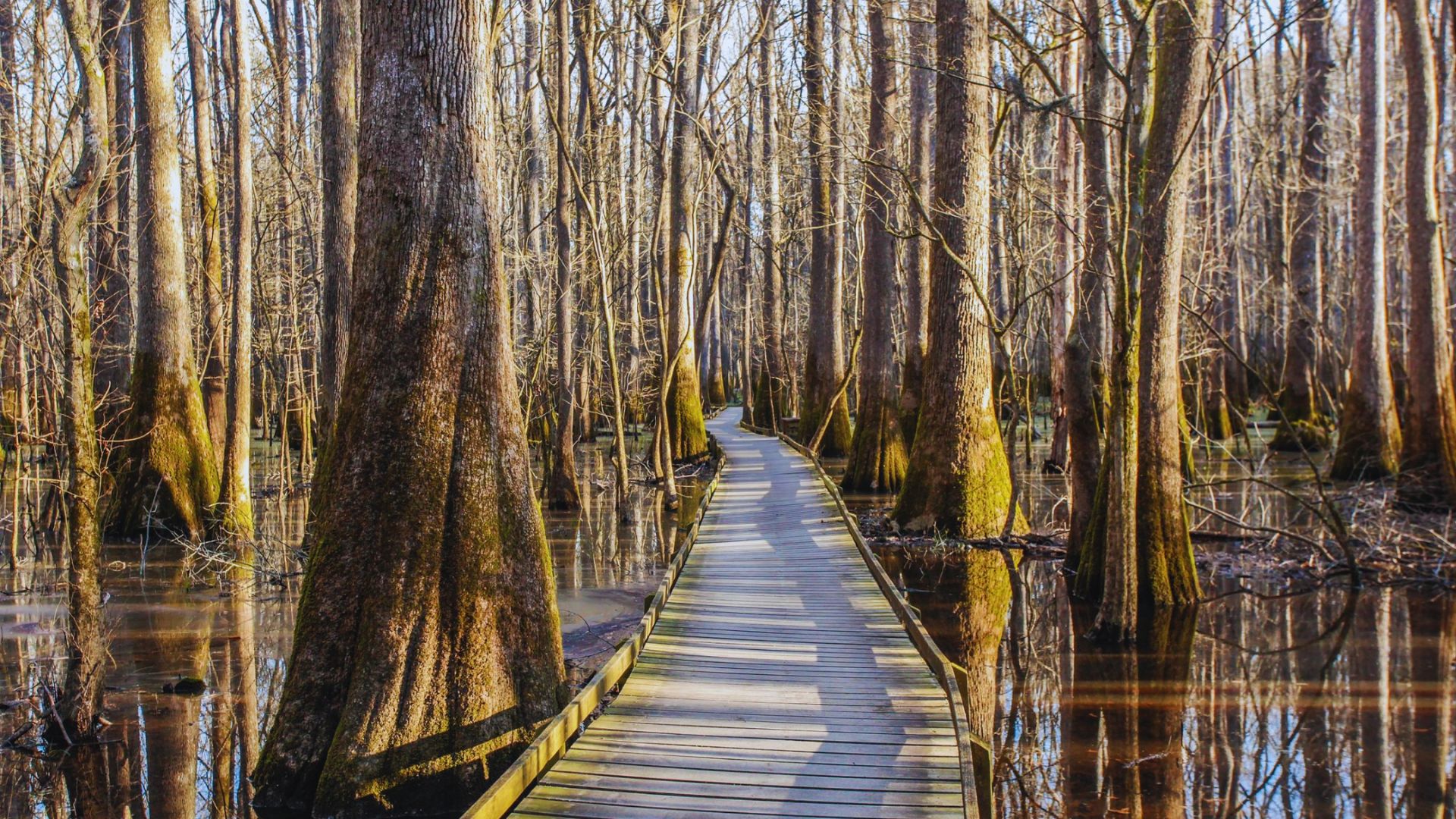
Spring and fall are your best bets. April and October offer the best weather with manageable bugs and open trails. March through May and September through November work well too.
The synchronous fireflies appear for two weeks in late May to early June. You need to enter a lottery for viewing passes. Applications open in early spring. Thousands of fireflies flash in unison at sunset. Getting tickets is competitive.
Avoid late winter for hiking. January and February bring flooding that closes most trails. Summer (June through August) means 100°F temperatures plus mosquitoes, ticks, and biting flies. I visited in July once and regretted it immediately.
Winter works if you want solitude and don’t mind bare trees.
How to Get to Congaree National Park
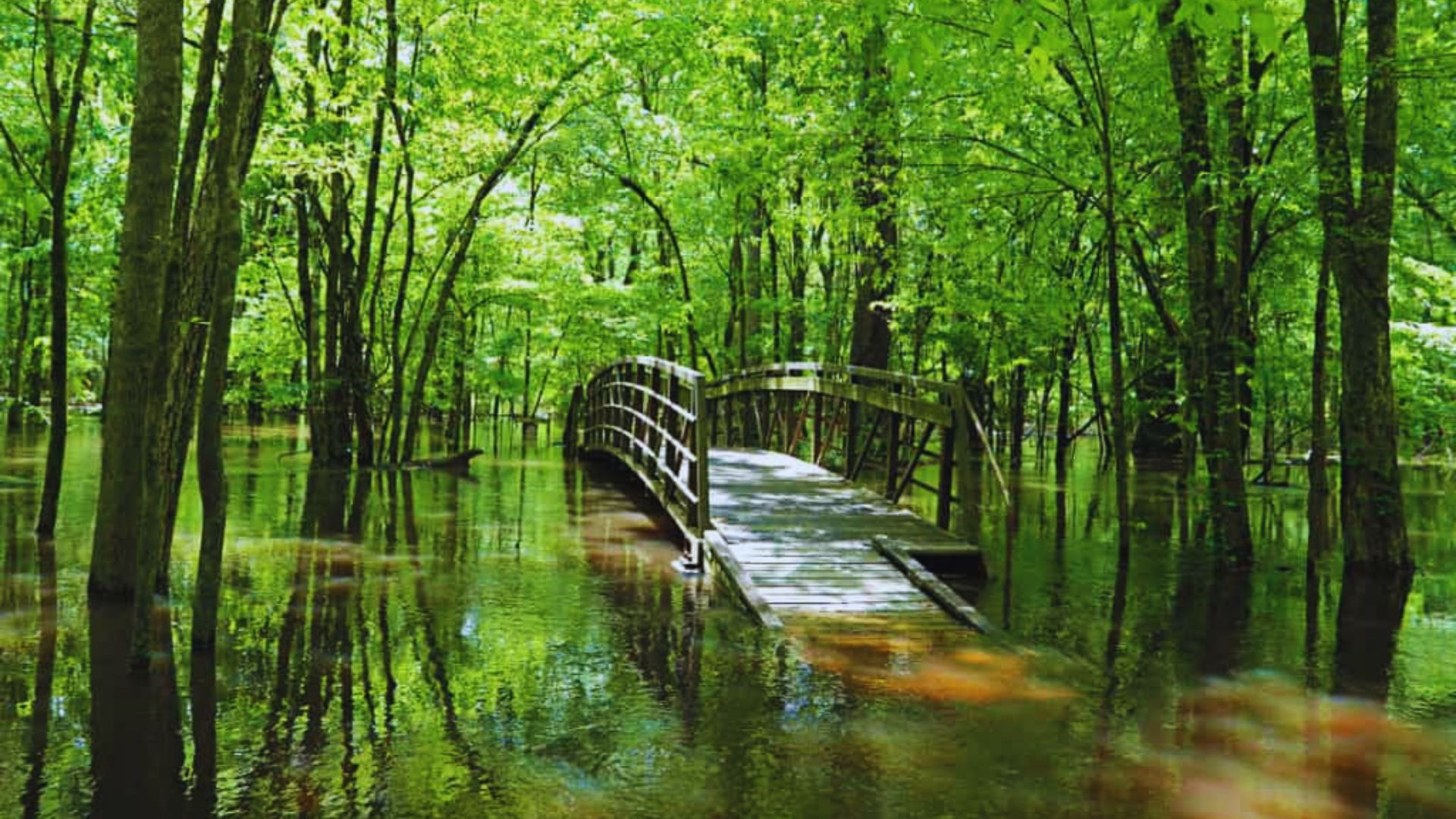
Congaree sits 20 miles southeast of Columbia, South Carolina. Take I-77 South to exit 5 for SC-48/Bluff Road. Turn left onto Bluff Road, drive 8 miles, then turn right onto Old Bluff Road. Follow it 4 miles to the entrance. It takes 25-30 minutes from Columbia.
From Charleston: 2 hours via I-26 West to I-77 North.
From Charlotte: 2 hours south on I-77.
Parking fills up spring weekends and during firefly season. Arrive early. The boardwalk is wheelchair-friendly. Cell service doesn’t exist in the park, so download maps beforehand.
Two-Day Itinerary to Visit Congaree National Park
This itinerary balances easy walks with longer hikes. Day one covers the highlights. Day two gets you on the water and deeper into the wilderness.
Day 1: Highlights & Easy Trails
Start at the Harry Hampton Visitor Center at 9am. Pick up a trail map, check current conditions, and ask rangers which trails are open. Plan to spend 4-5 hours hiking today. Bring water, snacks, and bug spray.
Boardwalk Loop Trail
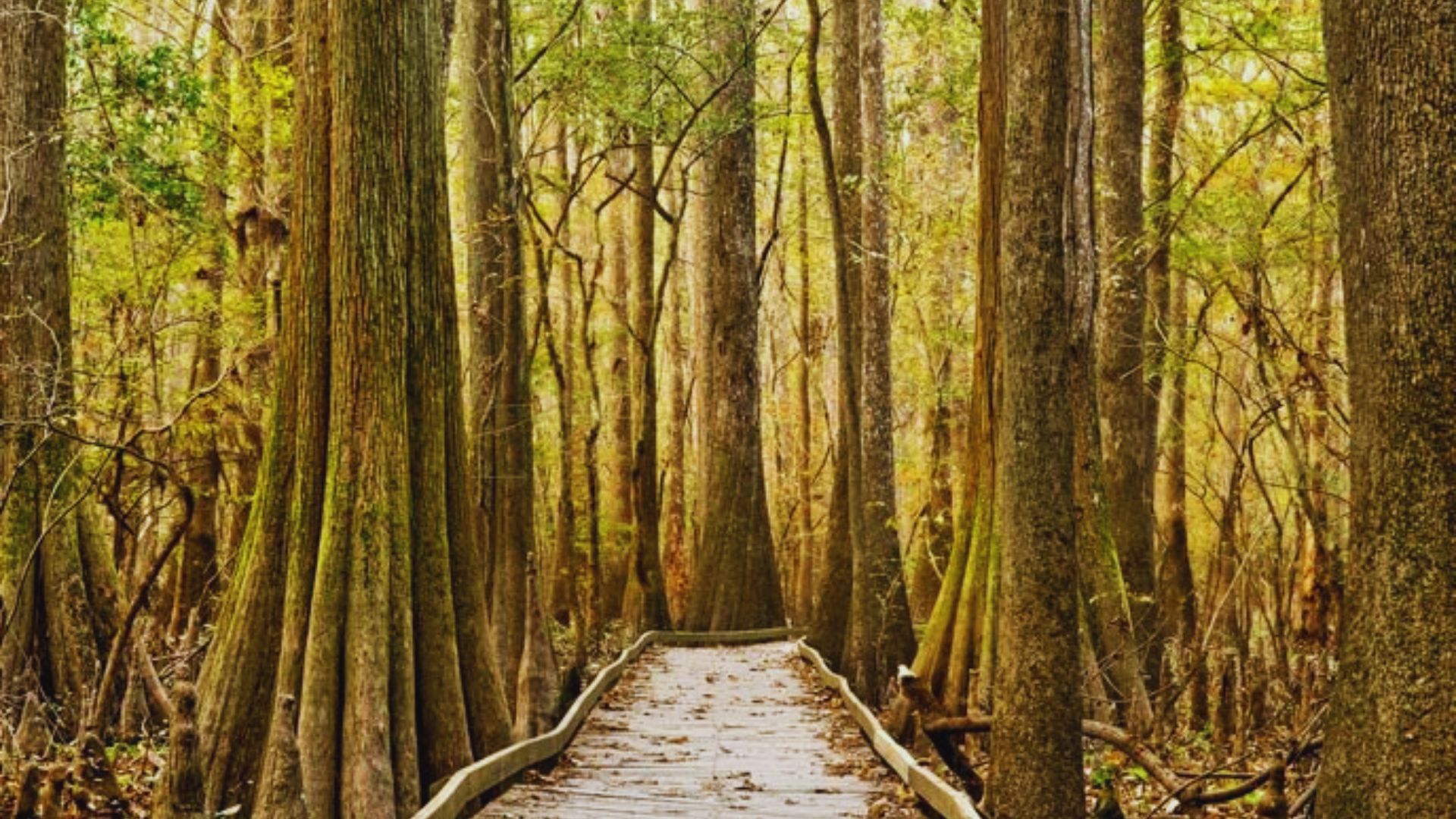
This 2.4-mile elevated trail takes about 90 minutes. It keeps you above the flooded forest floor while you walk through some of the tallest trees in the eastern United States.
Look for champion trees marked with signs. Bring binoculars for woodpeckers, owls, and songbirds in the canopy.
Weston Lake Loop Trail
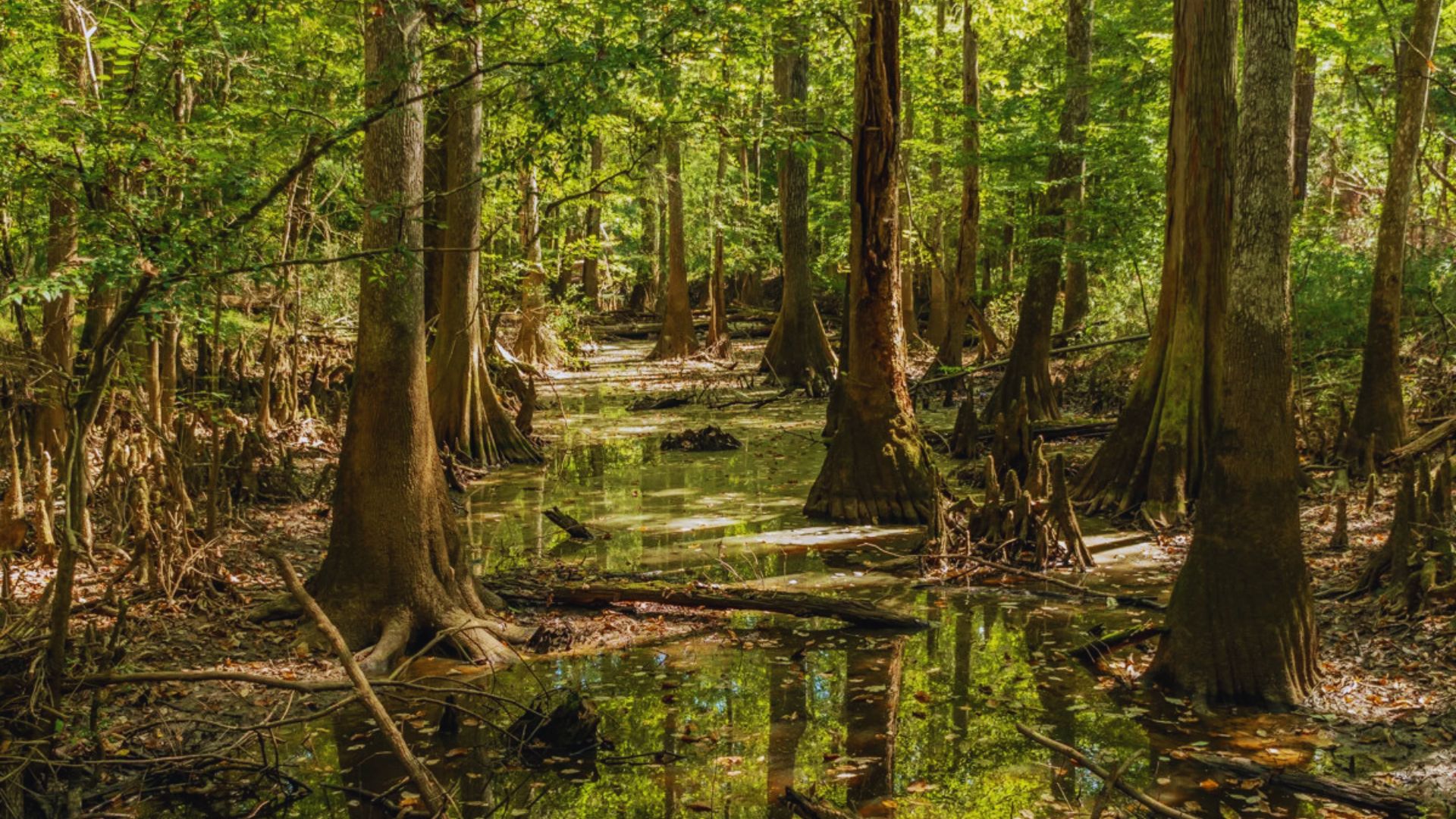
Add this 4.6-mile loop after the boardwalk. It circles a small oxbow lake and takes 2-3 hours.
The trail gets muddy, so wear waterproof boots if it rained recently. I’ve seen deer, wild pigs, river otters, and alligators here. Pack out all the trash.
Sims Trail or Firefly Trail
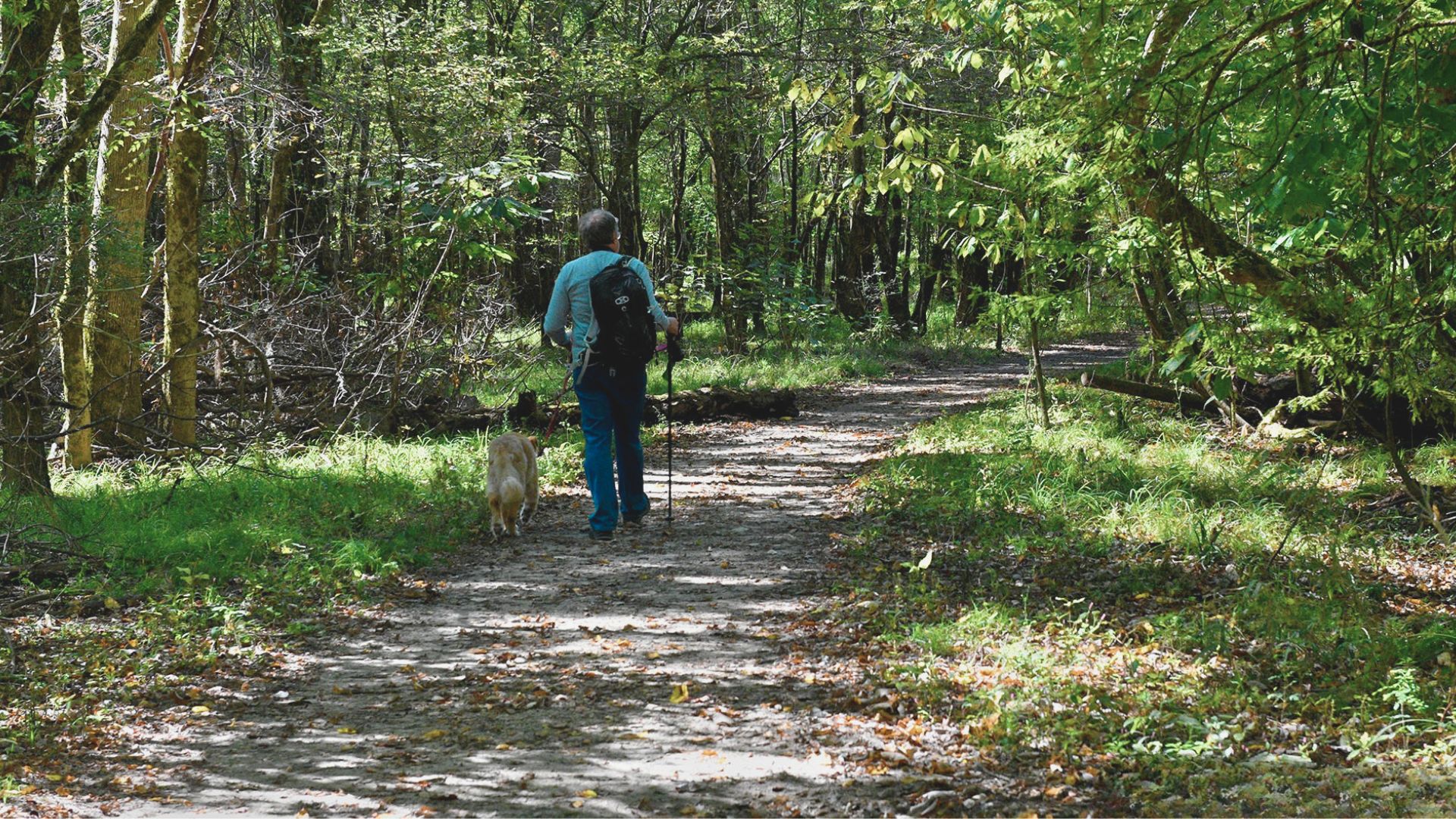
End day one with Sims Trail (1.0 mile) or Firefly Trail (0.6 miles). Both offer quiet, shaded walks through the forest. Head back to your accommodation by late afternoon.
Day 2: Water, Wildlife & Wilderness
Start early to beat the heat. Today focuses on paddling or a longer backcountry hike.
Kayak or Canoe Cedar Creek
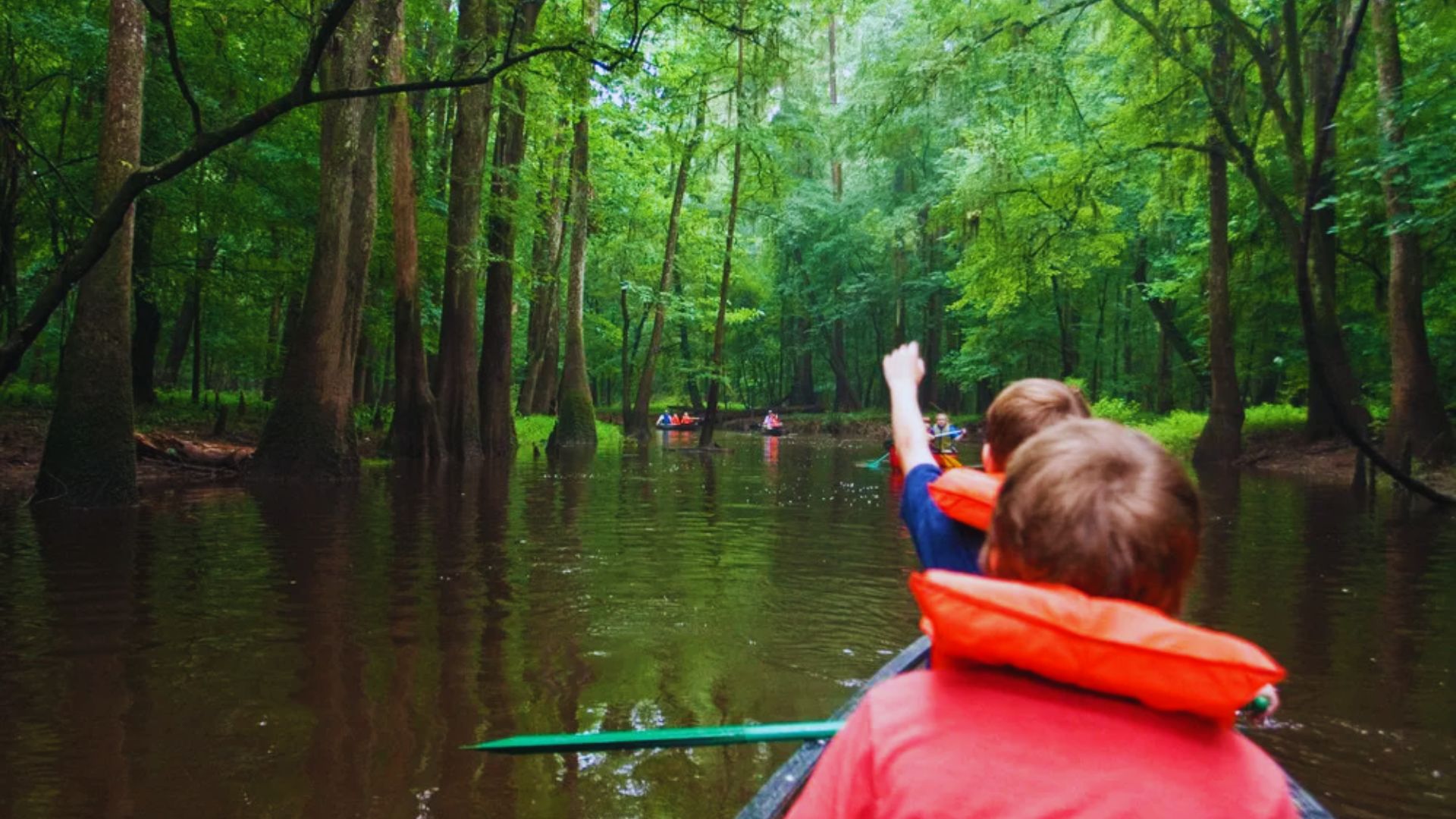
Cedar Creek runs through the heart of the park. Rent equipment from a Columbia outfitter. Most people paddle a 5-7 mile section that takes 3-4 hours.
You’ll paddle under massive cypresses and tupelos. Watch for water snakes in overhanging branches. I recommend going with a guide for the first time.
Kingsnake Trail for a Deeper Experience
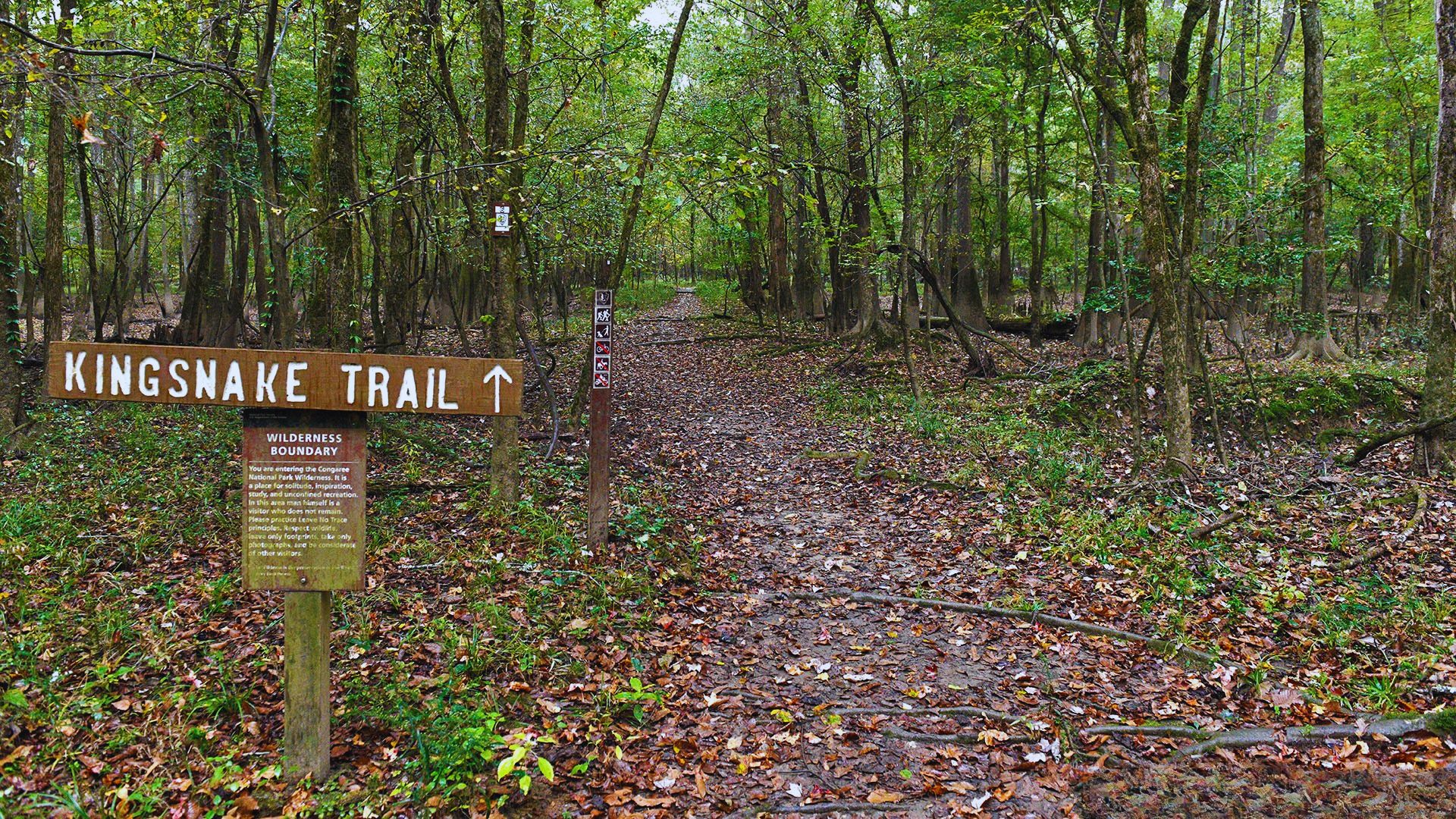
Skip the paddle for this 11.7-mile loop instead. It takes 5-6 hours and gets muddy and buggy. Crowds disappear after the first mile.
Check flooding conditions at the visitor center first. Bring plenty of water. The solitude is the real draw here.
Bluff Campground or Backcountry Areas
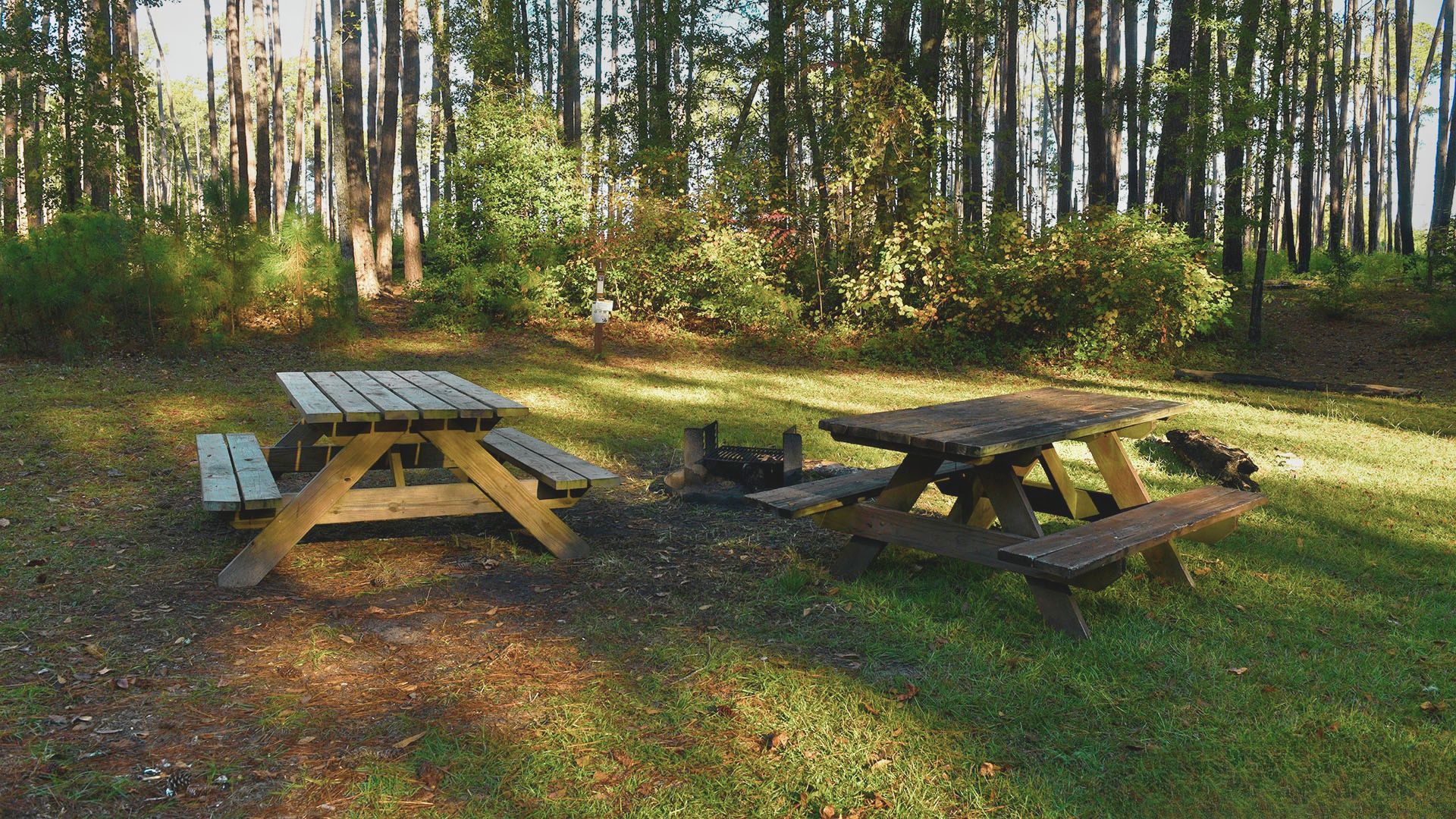
End your trip with camping if you have time. Bluff Campground has 10 tent sites and 6 RV sites, first-come, first-served. Backcountry camping requires a free visitor center permit.
Camp at least 100 feet from trails and water. I prefer the backcountry for falling asleep to owl calls and waking up to woodpecker drumming.
Best Things to Do When You Visit Congaree National Park
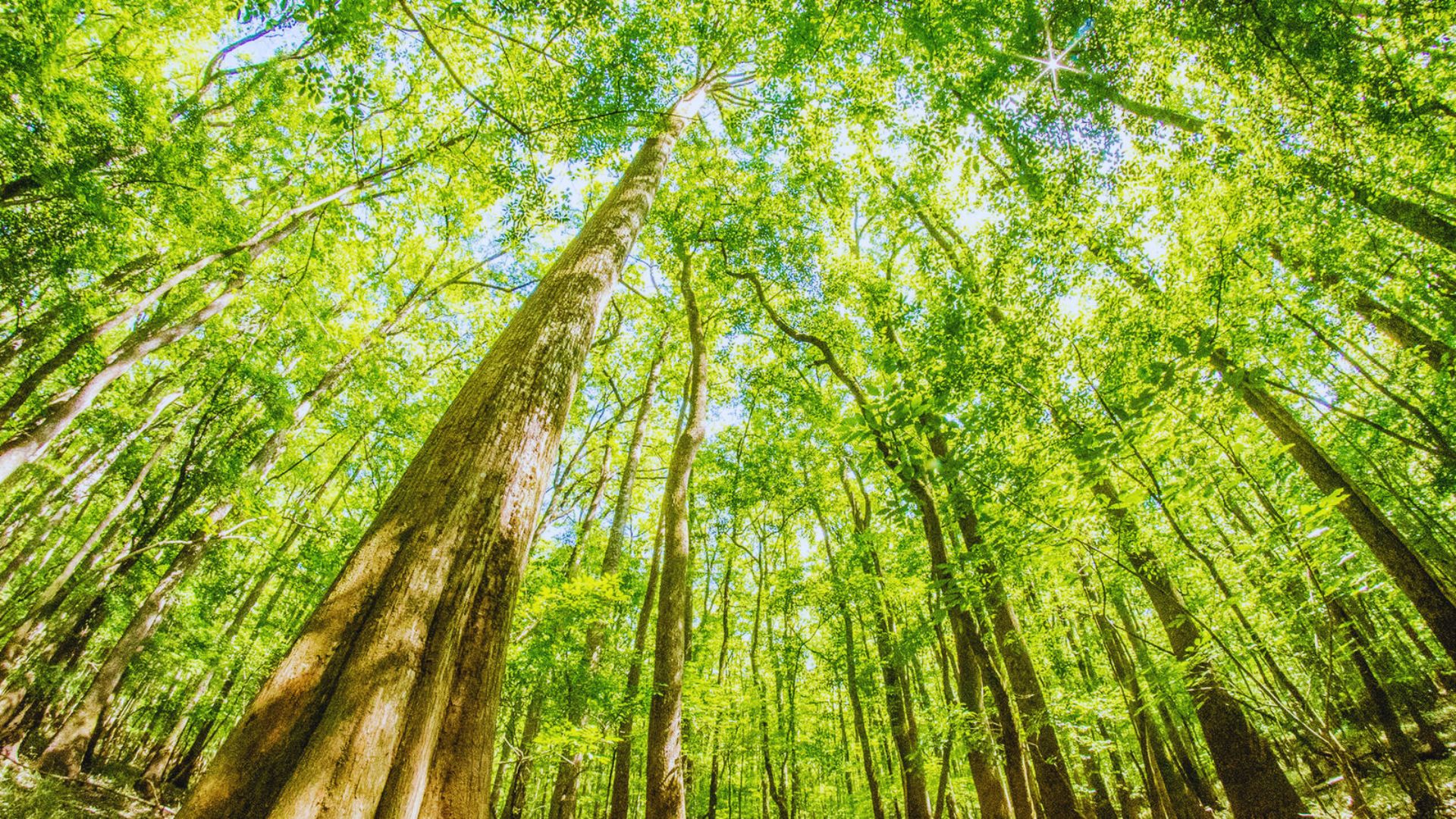
Congaree is about experiencing an ancient ecosystem. Mix hiking, wildlife watching, and seasonal events for a full experience.
Walk Among Champion Trees
Congaree protects some of the tallest trees east of the Mississippi. The park has more champion trees than any other location in North America. You’ll find loblolly pines over 160 feet tall and massive bald cypresses.
Look for numbered markers along the boardwalk. Each identifies a different champion tree. My favorite is the massive tupelo near the boardwalk start. Its trunk is so wide you can’t wrap your arms around it.
Experience the Floodplain Forest
This is one of the last intact old-growth bottomland hardwood forests. The ecosystem depends on regular flooding from the Congaree River, which deposits nutrients and creates habitat for countless species.
Walk the trails during different seasons to see how the forest changes. Spring brings high water. Fall shows changing leaves. Winter opens up canopy views. The forest floor looks different every visit, sometimes bone dry and other times under 10 feet of water.
Spot Wildlife & Birds
Congaree hosts over 200 bird species. Listen for pileated woodpeckers drumming and barred owls calling “who cooks for you” during the day. White-tailed deer, wild pigs, bobcats, and river otters all live here.
The best wildlife viewing happens early in the morning or late afternoon. I’ve seen more wildlife from the canoe than on foot. Snakes are common but mostly harmless. Cottonmouths live here, so watch where you step.
See the Synchronous Fireflies (Seasonal)
This two-week event in late May brings crowds. The synchronous fireflies flash in coordinated patterns you won’t see anywhere else in the country. Congaree has one of only two populations in the United States.
You need a lottery ticket to attend. The show happens at dusk along the Firefly Trail. Hundreds or thousands of fireflies light up together, creating waves of bioluminescence. No flashlights or camera flashes allowed. I haven’t won the lottery yet, but friends say it’s worth the effort.
Where to Stay When You Visit Congaree National Park
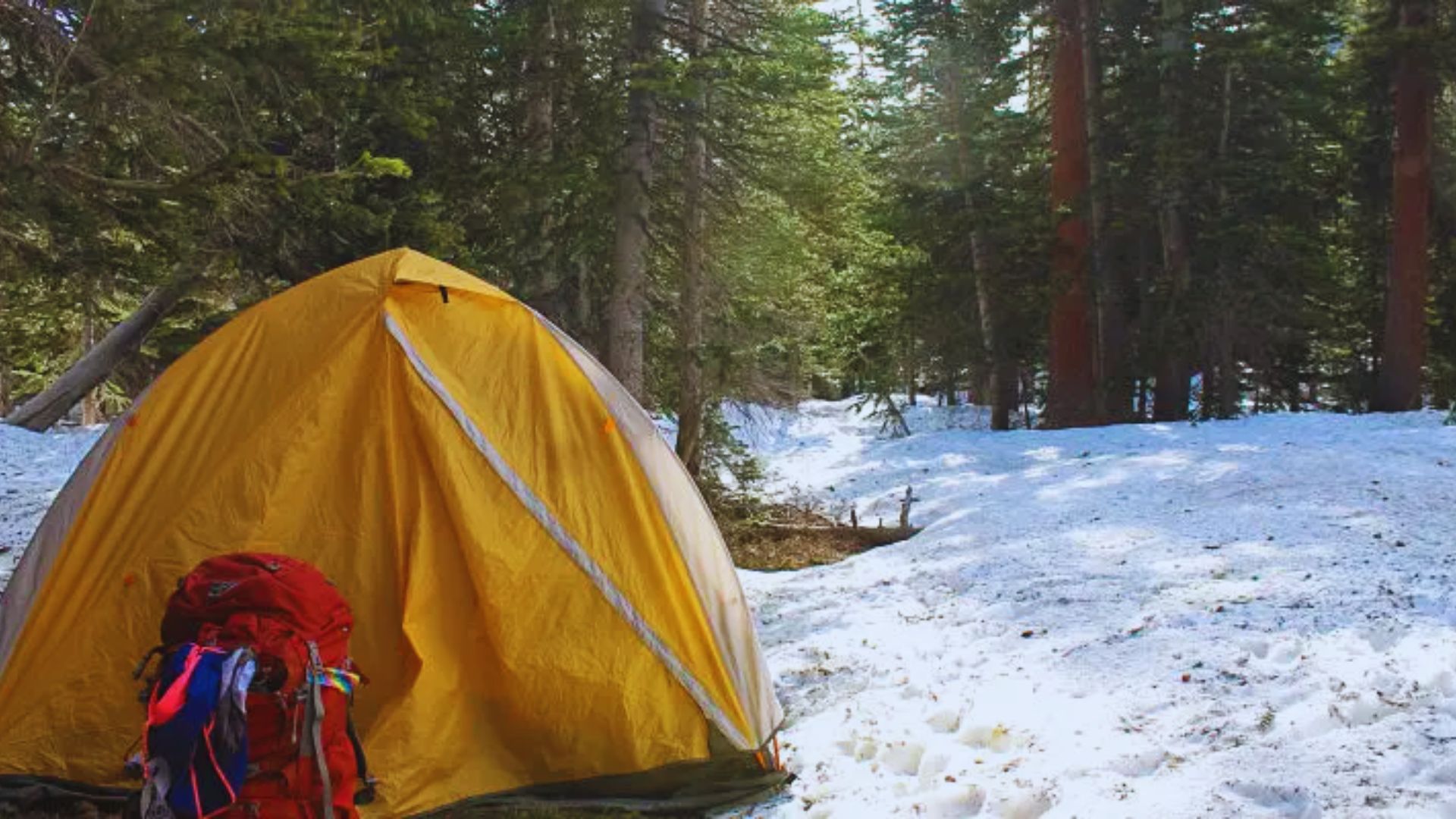
Bluff Campground is the only camping area in the park. It has 10 tent sites ($10/night) and 6 RV sites ($20/night), first-come, first-served. Picnic tables and restrooms with running water, but no showers or hookups. Sites fill up on spring and fall weekends.
Backcountry camping is free with a visitor center permit. Camp at least 100 feet from trails and water.
Sesquicentennial State Park is 30 minutes away with 87 sites, hookups, and showers. Barnyard RV Park is 15 minutes away with full amenities.
Columbia has the most hotels 20-30 minutes from the park. Budget chains run $80-120 per night. Graduate Columbia costs $130-180. Hopkins is closer but has limited options.
Book early during firefly season when hotels fill up fast.
Conclusion
Your trip to visit Congaree National Park will give you a glimpse of what old-growth forests looked like before logging. The towering trees, flooded trails, and wild sounds create an experience you won’t forget.
I still think about my first time walking the boardwalk and realizing how small I felt among those ancient cypresses. Start with the easy trails, watch for wildlife, and soak in the quiet.
Have you been to Congaree? Drop a comment below with your favorite trail or any tips for first-time visitors.
Frequently Asked Questions
How many days do you need to visit Congaree National Park?
One day covers the highlights if you hike the boardwalk and one other trail. Two days lets you paddle Cedar Creek and hike deeper into the backcountry. Most visitors spend 1-2 days here.
Is Congaree National Park worth visiting?
Yes, especially if you appreciate old-growth forests and wilderness. The champion trees and floodplain ecosystem are rare in the eastern United States. It’s less crowded than most national parks too.
Can you see alligators at Congaree National Park?
Yes, but they’re not common. Alligators live in the park and occasionally sun themselves near Weston Lake or Cedar Creek. Keep your distance and never approach or feed them.
What should I wear to Congaree National Park?
Wear long pants and closed-toe shoes for hiking. Waterproof boots help if trails are muddy. Bring layers since temperatures change throughout the day. Don’t forget insect repellent and sunscreen.
Are there bears in Congaree National Park?
Black bears are extremely rare at Congaree. While they could pass through, sightings are almost nonexistent. You’re more likely to see deer, wild pigs, or bobcats.
