


Planning your dream Mediterranean vacation but stuck between Greece and Italy?
I’ve spent over 200 days exploring both countries across 15+ visits, and I understand this difficult choice. Both offer incredible food, rich history, and stunning coastlines.
Greece provides crystal-clear waters, ancient ruins, and relaxed island life. Italy delivers world-class art, diverse regions, and unmatched cuisine.
Your choice depends on priorities: budget, activities, culture, and travel style. This guide compares both countries across every key factor using firsthand experience and current data.
You’ll know exactly which Mediterranean destination matches your perfect vacation.
The Bottom Line: Which Country Should You Choose?

Choose Greece for a relaxed beach vacation with lower costs and fewer crowds. The Greek islands offer a laid-back atmosphere with island-hopping and coastal activities, typically costing 20-30% less than Italy for accommodation, meals, and activities.
Greece focuses on beaches and a slower pace. Pick Italy for diverse experiences, world-famous art, and luxury options.
You’ll find everything from Rome’s ancient sites to Tuscany’s rolling hills with unmatched food scenes and developed infrastructure for easy regional travel.
Italy offers more variety in landscapes, cities, and experiences. Consider your budget, travel style, and interests when deciding between these Mediterranean destinations.
Greece Overview: What to Expect
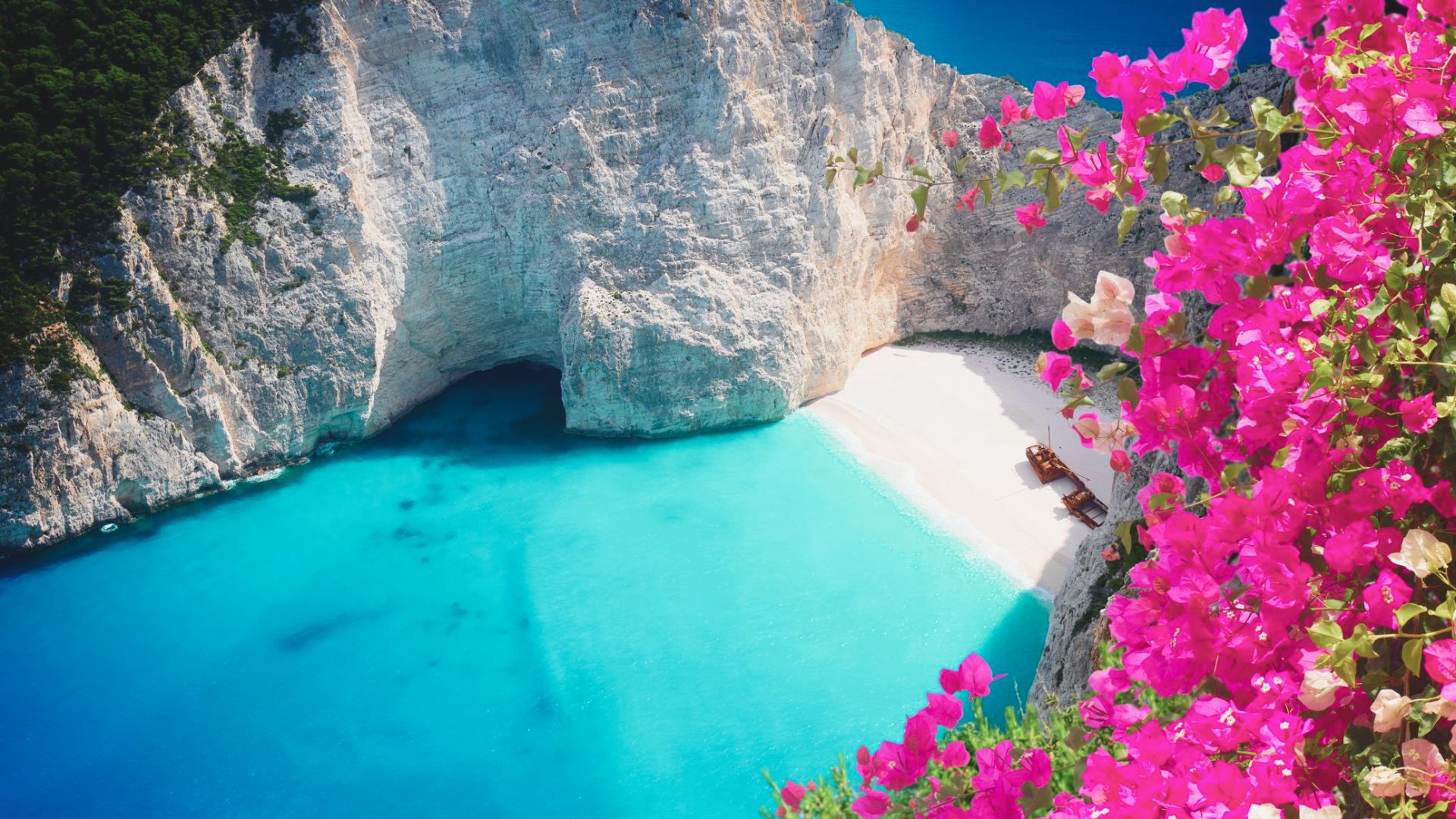
Greece combines ancient history with modern relaxation in a way few countries can match. The country’s 6,000 islands create endless opportunities for exploration and beach time.
Greek Islands and Coastal Experiences
The Greek islands each have their personality and attractions. Santorini offers stunning sunsets and white buildings, while Mykonos brings vibrant nightlife. Crete combines beaches with mountains and historical sites.
Island-hopping by ferry is part of the Greek experience. You can easily visit multiple islands in one trip, spending a few days on each. The ferry system connects most major islands reliably during tourist season.
Greek History and Cultural Attractions
Athens houses some of the world’s most important ancient sites. The Acropolis and Parthenon sit right in the city center, easily accessible by metro. Many museums showcase artifacts from ancient Greek civilization.
Archaeological sites exist throughout the country, not just in Athens. Delphi, Olympia, and Knossos offer glimpses into different periods of Greek history. Most sites include audio guides or tours in multiple languages.
Greek Cuisine and Dining Scene
Greek food focuses on fresh ingredients, olive oil, and simple preparation methods. Seafood dominates menus on the islands, while meat dishes are more common on the mainland. Vegetarians find plenty of options in traditional Greek cuisine.
Local tavernas offer authentic experiences at reasonable prices. A typical dinner for two costs $25-40, including wine. Street food like souvlaki and gyros provides quick, tasty, and cheap meal options.
Greek Accommodation and Resort Options
Greek hotels range from budget hostels to luxury resorts, with many family-run properties in between. Island accommodations often feature traditional architecture with modern amenities. Many hotels offer sea views and easy beach access.
All-inclusive resorts exist but aren’t as common as in other Mediterranean destinations. Most travelers prefer staying in smaller hotels or vacation rentals. Booking early gets better prices and locations, especially for summer travel.
Italy Overview: What to Expect
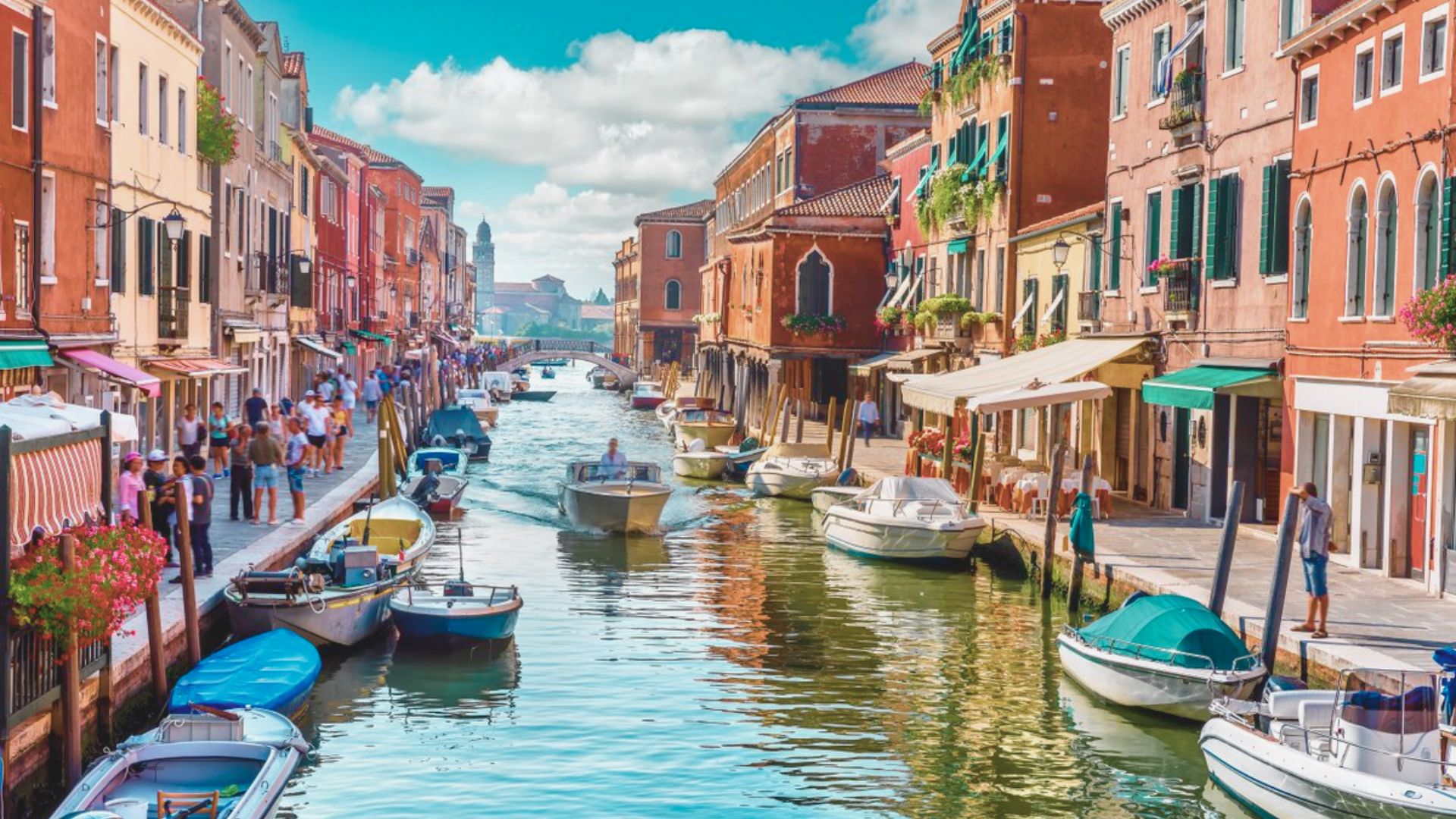
Italy combines incredible diversity with consistent quality across all regions. From alpine lakes to Mediterranean beaches, the country offers every type of landscape and experience.
Italian Regional Diversity and Attractions
Each Italian region feels like a different country with unique food, dialects, and traditions. Tuscany’s rolling hills contrast sharply with the dramatic Amalfi Coast. Northern lakes like Como offer mountain scenery and cooler temperatures.
Rome blends ancient history with modern city life in fascinating ways. Florence showcases Renaissance art and architecture around every corner. Venice provides a unique water-based city experience found nowhere else.
Italian Historical and Architectural Heritage
Italy contains more UNESCO World Heritage Sites than any other country. Roman ruins, Renaissance palaces, and medieval towns create an outdoor museum experience. Every major city offers world-class art collections and historical sites.
The Vatican Museums in Rome house one of the world’s greatest art collections. The Sistine Chapel, Colosseum, and countless churches provide cultural experiences. Many sites require booking during peak season.
Italian Culinary Excellence and Fine Dining
Italian food varies dramatically by region, going far beyond pizza and pasta. Northern regions feature creamy risottos and hearty meat dishes. Southern areas focus on fresh seafood, tomatoes, and olive oil.
Michelin-starred restaurants and casual trattorias both offer exceptional meals. Wine regions like Tuscany and Piedmont provide tasting experiences alongside great food. Even simple meals often exceed expectations due to ingredient quality.
Italian Luxury Accommodations and Hotels
Italy excels at luxury hospitality with world-renowned hotel brands and boutique properties. Historic palaces converted to hotels offer unique experiences. Lake Como and the Amalfi Coast feature some of Europe’s most exclusive resorts.
Service standards are generally higher than in Greece, especially at upscale properties. Many hotels include spa services, fine dining, and concierge assistance. Expect to pay premium prices for these elevated experiences.
Comparison Table Between Greece and Italy

Comparing Greece and Italy directly helps identify which country better matches your travel priorities. Both offer Mediterranean charm but deliver different experiences and value propositions.
| Feature | Greece | Italy |
|---|---|---|
| Luxury Accommodation Style | Boutique island resorts with sea views, often blending traditional architecture with modern amenities | Historic villas, countryside estates, and grand city hotels |
| Average Price per Night | $250–$500+ | $350–$700+ |
| Standout Locations | Santorini, Mykonos, Crete | Amalfi Coast, Lake Como, Tuscany |
| Unique Selling Points | Panoramic sea views, private pools, relaxed island atmosphere | Elegant interiors, rich history, proximity to cultural landmarks |
| Service Style | Warm, personalized, often family-run | Polished, formal, and highly professional |
| Value for Money | More affordable luxury compared to Italy | Higher prices, especially in iconic destinations |
Practical Travel Planning Considerations
- Transportation: Greece uses ferries for islands and buses for mainland with seasonal schedules. Italy offers high-speed rail between cities and regional trains, with driving options despite parking challenges.
- Best Time to Visit: Shoulder seasons (May-June and September-October) provide better weather, lower costs, and fewer crowds. Greece’s island ferries run limited schedules outside May-October. Italy stays accessible year-round.
- Family Travel: Greece suits teenagers enjoying beaches and relaxed pacing but challenges families with young children on long ferries. Italy provides diverse activities, museums, better infrastructure, and shorter distances for all ages.
- Avoiding Crowds: Greece’s lesser-known islands like Naxos, Paros, and Folegandros offer beauty without masses. Italy requires early visits, advance bookings, and secondary cities like Matera and Bologna.
- Travel Planning: Visit during shoulder seasons for comfortable weather. Use ferries and buses in Greece, trains in Italy, and rental cars for mainland Greek exploration.
Special Circumstances and Advanced Planning

Different travel situations influence which destination works better based on experience level, relationship status, and trip goals.
First-Time Europe Visitors
Greece offers a gentler introduction with a relaxed pace, lower costs, and manageable language barriers.
Italy provides classic European experiences with better infrastructure but can feel overwhelming in major cities with more common tourist scams.
Honeymoon and Romantic Travel
Greek islands create natural romantic settings with stunning sunsets, private beaches, and luxury accommodations in Santorini and Mykonos.
Italy offers variety from Venice gondola rides to Tuscany wine tastings with sophisticated hotels and diverse activities for couples.
Can You Visit Both in One Trip?
Combining both requires 10-14 days minimum. Flights work better than ferry connections between countries.
Consider focusing on one country per trip for less rushed experiences, as both offer enough attractions for multiple visits.
Conclusion
I’ve visited both Greece and Italy several times. Greece offers simplicity, value, and relaxation while Italy delivers cultural richness, fine dining, and city charm. Couples choose Greece’s romantic islands. Art lovers prefer Italy. Families on budgets find Greece easier. Food enthusiasts see Italy as a must.
Ready to decide? Consider your goals, budget, and preferred pace. Share which destination you’re leaning toward in the comments below. Both countries reward repeat visits with new experiences worth having.
Frequently Asked Questions
Which country is cheaper to visit: Greece or Italy?
Greece costs 20-30% less than Italy for hotels, meals, and activities. Mid-range Greek hotels average $80-120 nightly versus $120-180 in Italy. Greek restaurant dinners cost $15-25 per person compared to Italy’s $25-40 average.
How many days do you need in each country?
Plan 7-10 days minimum for either destination. Greece works well with 3-4 Athens days plus 4-6 island days. Italy needs 10-14 days to properly see 2-3 regions due to its greater diversity and travel distances.
What’s the best time to visit Greece vs Italy?
May-June and September-October offer the best balance of weather, prices, and crowds for both countries. July-August brings peak costs and crowds. Greece’s island ferries run from May to October only, while Italy stays accessible year-round.
Can you island hop in Italy like you can in Greece?
Greece offers superior island hopping with 200+ islands and extensive ferry networks. Italy has limited options – mainly Sicily and Sardinia, with longer ferry rides. Greece’s island-hopping culture and infrastructure far exceed Italy’s coastal alternatives.
Which country is better for first-time European travelers?
Greece provides an easier European introduction with a relaxed pace, lower costs, and less cultural overwhelm. English is widely spoken in tourist areas. Italy offers classic European experiences, but major cities can feel overwhelming and expensive.
