


Hiking vacations can change the way you see the world. There’s something special about lacing up your boots, hitting the trail, and leaving everyday stress behind.
The best hiking vacations combine physical activity with natural beauty and memorable moments that stay with you long after you return home. From towering mountain peaks to red rock canyons, the USA offers an incredible variety for outdoor lovers.
This guide highlights 9 amazing hiking vacation spots across America. Each location offers unique trails, beautiful views, and the chance to connect with nature.
After hiking in all 50 states, I’ve learned what makes a hiking trip truly special. These destinations stand out for their trail quality, scenery, and overall experience.
What Makes a Great Hiking Vacation
The best hiking vacations offer something for everyone. You want a place with easy trails for beginners and challenging routes for experienced hikers. Having options means your whole group can enjoy the trip, no matter their fitness level.
Great scenery matters too. You’re spending time and money on this trip, so the views should be worth it. Look for locations with varied landscapes like waterfalls, mountain views, or unique rock formations. The right destination gives you photo opportunities at every turn.
Good planning makes everything easier. Choose places with well-maintained trails, clear trail markers, and helpful visitor centers. Access to quality lodging, restaurants, and gear shops nearby makes your trip more comfortable. The nine destinations below meet all these standards and more.
Best Hiking Vacation Destinations in the USA
These locations represent the finest hiking spots America has to offer. Each one provides unique experiences and trails you won’t forget.
1. Glacier National Park, Montana
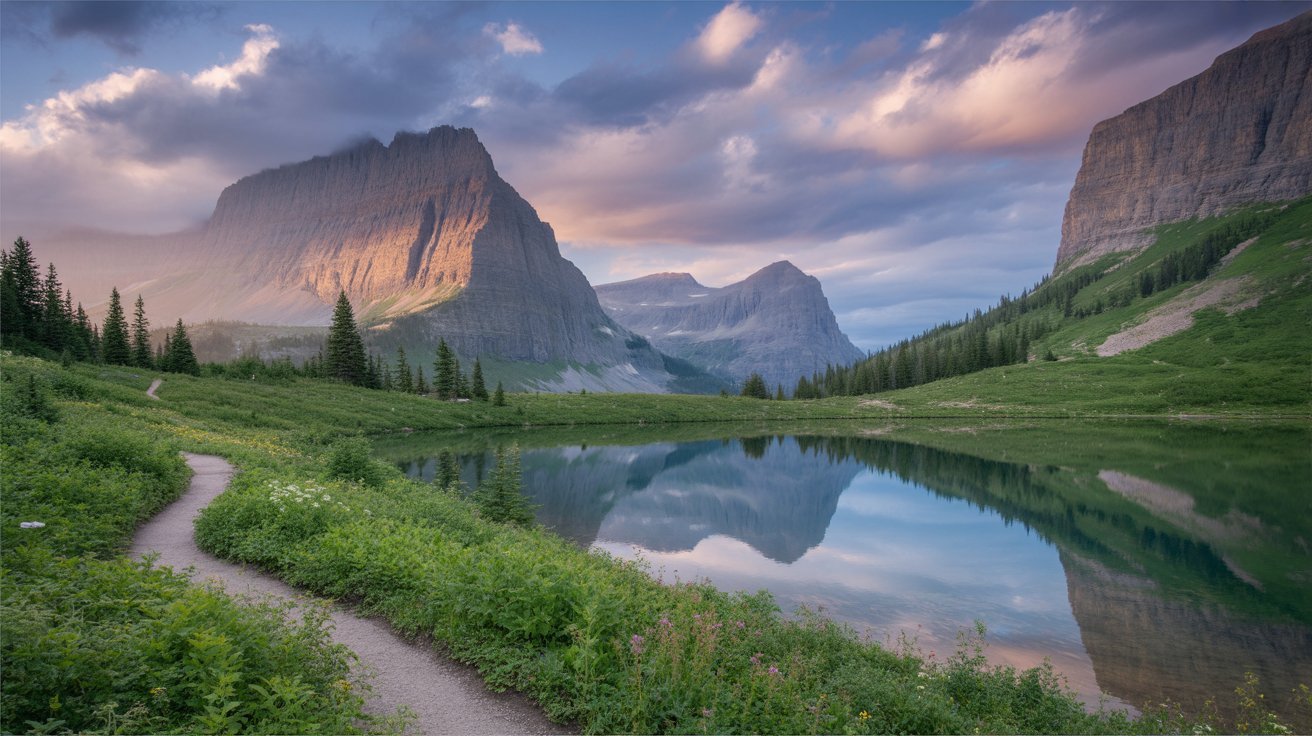
Glacier National Park ranks among the top choices for the best hiking vacations in America. This Montana gem features over 700 miles of trails through some of the most beautiful mountain scenery you’ll find anywhere.
The Highline Trail is the park’s most famous route, offering incredible views along the Continental Divide. The Iceberg Lake Trail takes you to a stunning alpine lake surrounded by towering cliffs. Remember that the park uses a reservation system during peak season, and you’ll need bear spray for safety. Visit between July and September for the best trail conditions. Stay in West Glacier, East Glacier, or the historic Many Glacier Hotel.
2. Acadia National Park, Maine
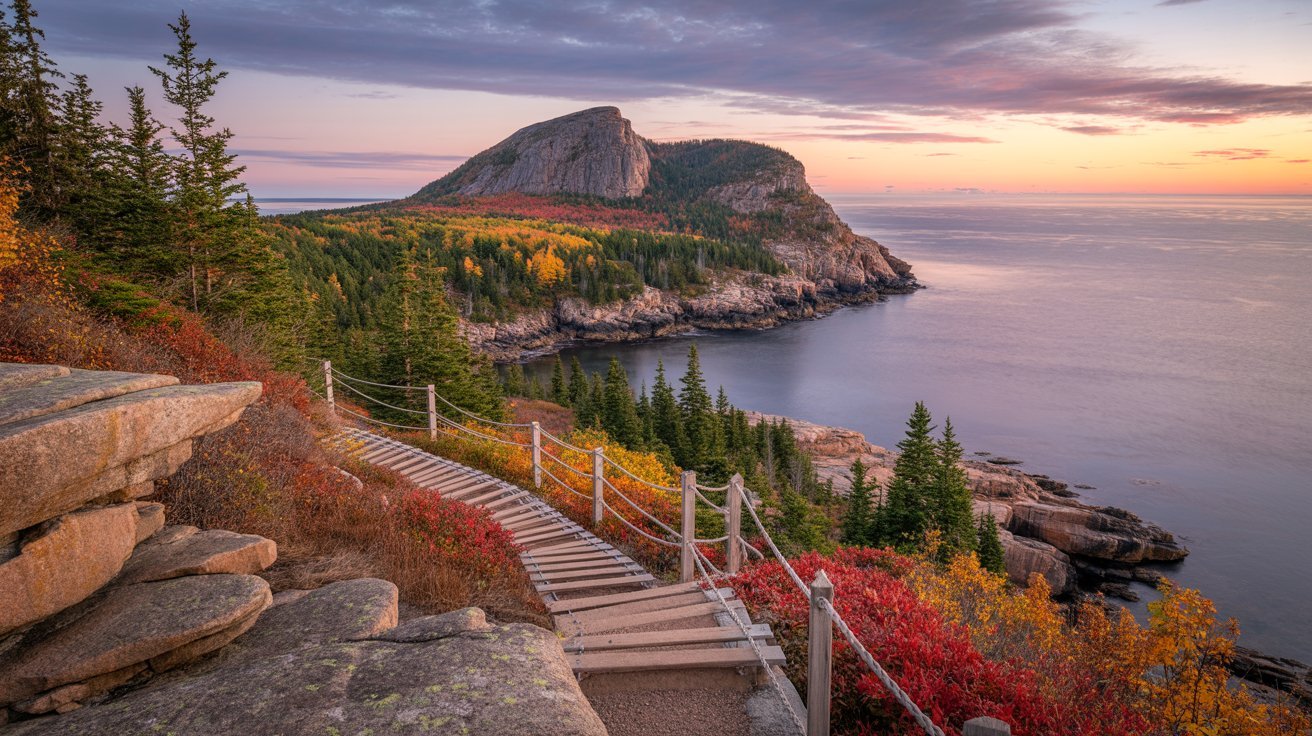
Acadia brings together rocky coastlines and mountain peaks in one spectacular location. The park sits on Mount Desert Island, where you can hike mountains in the morning and walk along the ocean in the afternoon.
The Beehive Trail and Precipice Trail feature iron rungs and ladders for a thrilling climb. For something gentler, try the Beech Mountain South Ridge Loop with its fire tower views. Fall brings amazing foliage colors that make every trail more beautiful. The nearby town of Bar Harbor offers excellent restaurants, shops, and comfortable hotels within minutes of the park entrance.
3. Red River Gorge, Kentucky
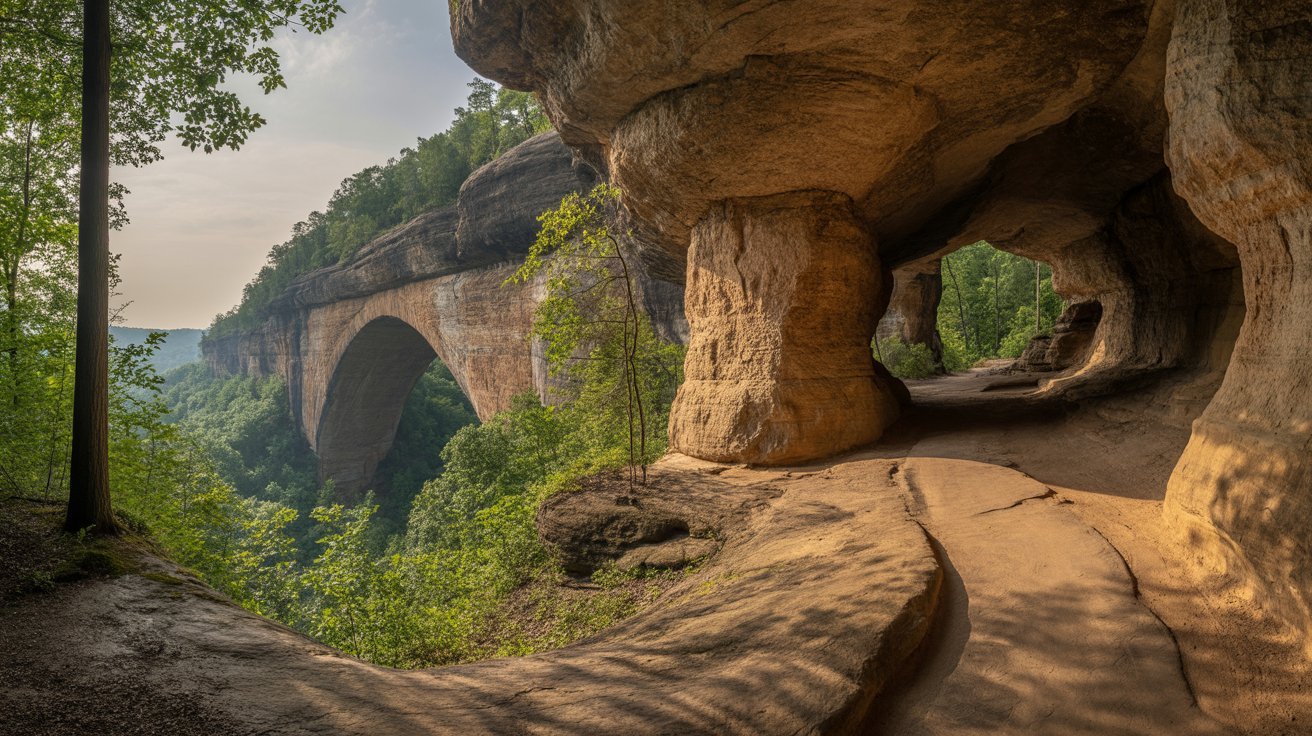
Red River Gorge holds the second-highest number of natural stone arches outside of Utah. This Kentucky treasure offers incredible rock formations and forested trails without the crowds you’ll find at Western national parks.
The Double Arch Loop takes you past two impressive natural bridges in one hike. Chimney Top provides panoramic views of the gorge, while Sky Bridge lets you walk across a natural rock span. Rock climbers love this area too, with hundreds of climbing routes available. The gorge sits just 90 minutes from Cincinnati, making it an easy trip for people in the Midwest.
4. North Cascades National Park, Washington
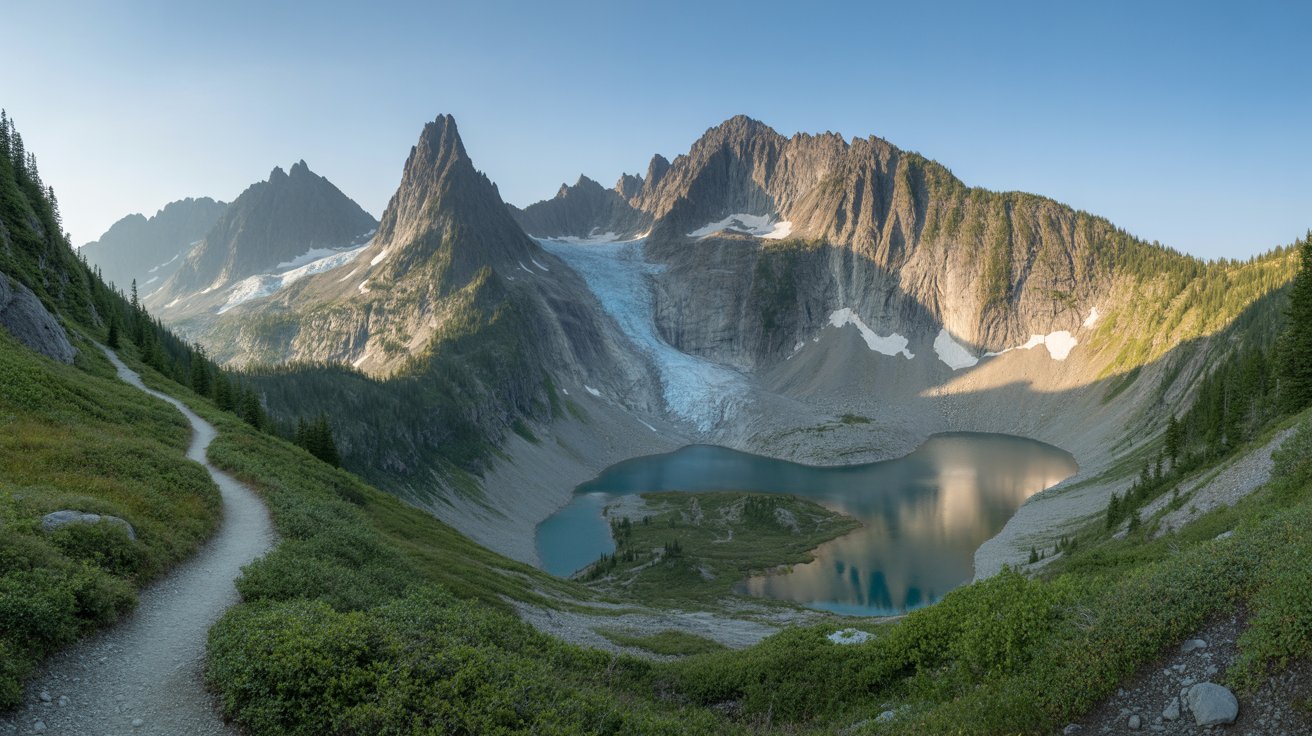
North Cascades remains one of America’s most undervisited national parks, despite having dramatic mountain scenery that rivals any park in the system. Jagged peaks, turquoise lakes, and over 300 glaciers create a truly wild setting.
The Maple Pass Loop stands out as the park’s signature trail, circling a high alpine basin with views in every direction. Experienced hikers will find plenty of challenging routes here. Many visitors combine the North Cascades with Olympic National Park and Mount Rainier for an epic Washington hiking vacation. The summer months from July through September offer the most reliable trail access.
5. Sedona, Arizona
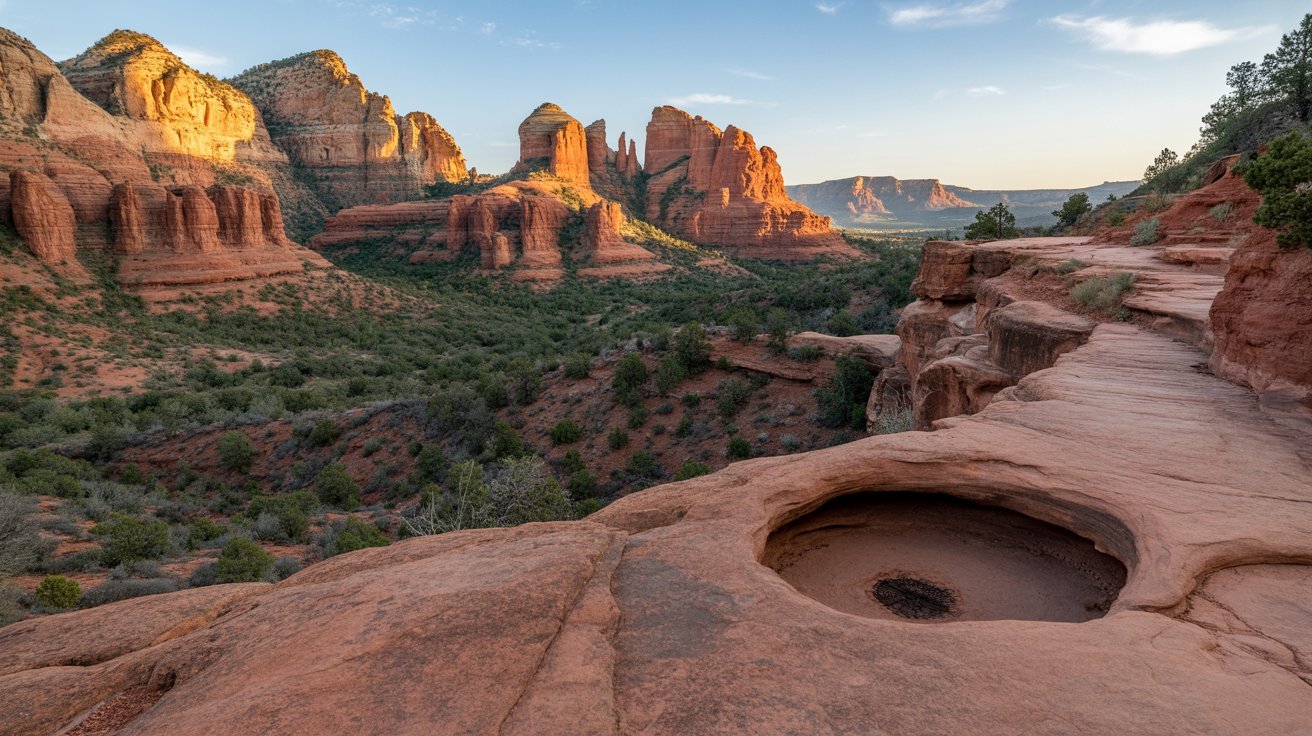
Sedona’s orange and red rock formations create one of the most recognizable landscapes in America. Many visitors come for the natural beauty, while others seek out the “vortex” energy sites scattered throughout the area.
Cathedral Rock provides a steep but rewarding climb with views over the entire valley. Soldier Pass Trail takes you past sinkholes and ancient ruins. Sedona works as a year-round hiking destination, though summer can get quite hot. The town offers upscale resorts and spas if you want to mix outdoor activity with relaxation. You can easily combine Sedona with trips to the Grand Canyon or Havasupai Falls.
6. White Mountains, New Hampshire
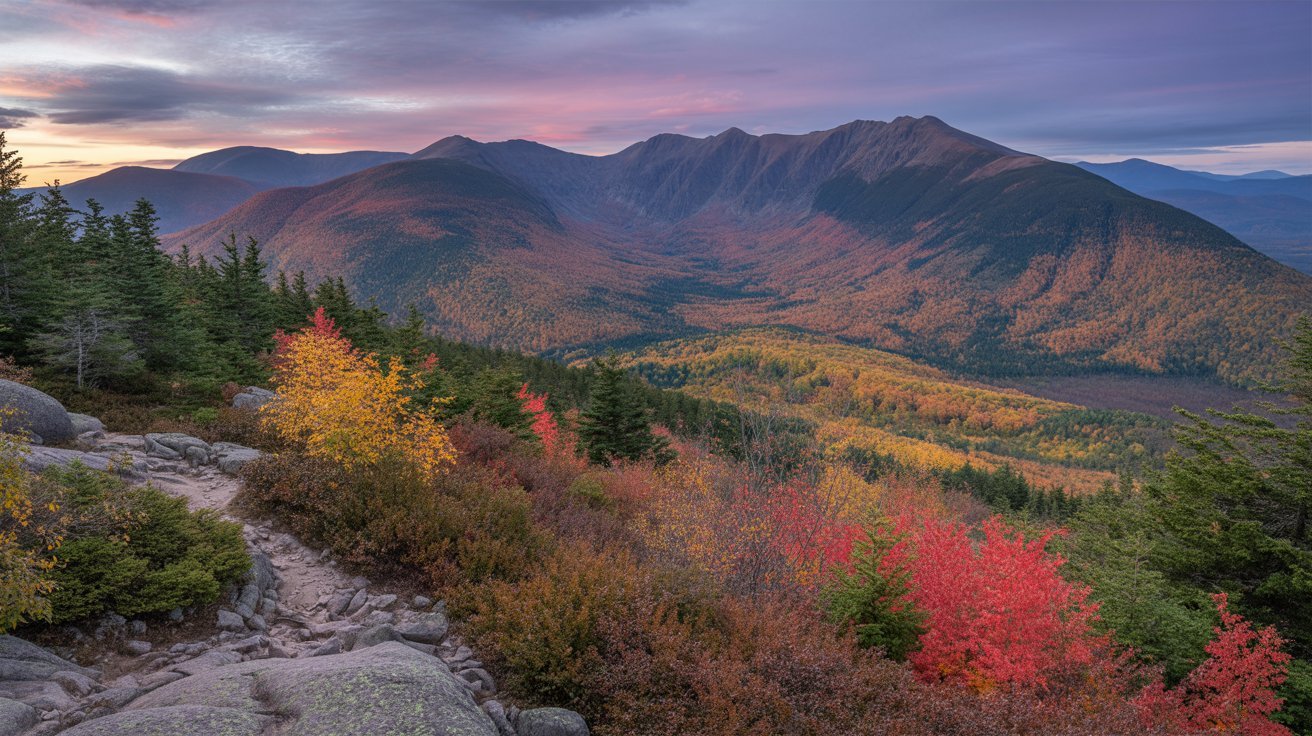
The White Mountains contain 48 peaks over 4,000 feet, giving serious hikers plenty of goals to chase. This region offers some of the best hiking vacations on the East Coast, with trails ranging from easy nature walks to difficult alpine scrambles.
Mount Lafayette and Franconia Ridge Loop ranks as one of the finest day hikes in America, with miles of above-treeline ridge walking. Artist Bluff gives you amazing views for minimal effort. The fall foliage season turns these mountains into a canvas of red, orange, and yellow. The Appalachian Mountain Club runs a system of mountain huts where you can stay overnight with meals included.
7. Sawtooth Mountains, Idaho

The Sawtooth Mountains fly under the radar compared to more famous Western ranges, but that’s exactly what makes them special. Alpine lakes, granite peaks, and uncrowded trails make this an ideal destination for the best hiking vacations.
Alice Lake and Goat Lake trails lead to crystal clear mountain lakes perfect for a midday swim. Natural hot springs near Stanley offer a perfect way to soothe tired muscles after a long day on the trail. Several backpacking loop options let you spend multiple days in the wilderness. You’ll find far fewer people here than at Yellowstone or Grand Teton.
8. Finger Lakes Region, New York

The Finger Lakes region offers a unique combination of waterfalls, gorges, and wine country. This area proves you don’t need to go West for memorable hiking experiences.
Watkins Glen State Park features a stone path through a narrow gorge with 19 waterfalls. Letchworth State Park, called the “Grand Canyon of the East,” has three major waterfalls and miles of rim trails. Multiple state parks sit within an hour’s drive of each other, so you can hit several in one trip. After hiking, you can visit local wineries for tastings. The stone bridges with waterfalls flowing behind them create scenes straight from a postcard.
9. Zion and Bryce Canyon, Utah
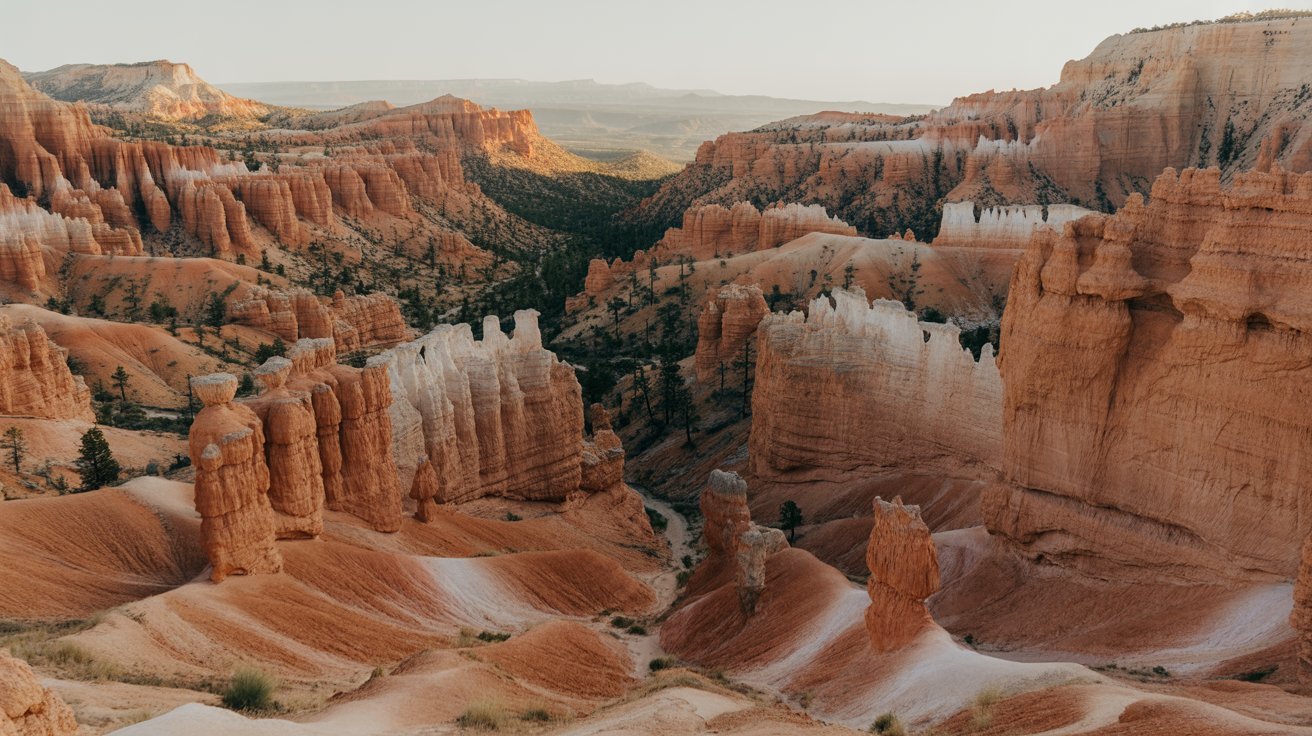
Zion and Bryce Canyon belong to Utah’s “Mighty Five” national parks and can be visited in a single trip. These parks showcase desert landscapes unlike anywhere else on Earth.
Angels Landing in Zion tests your nerve with steep drop-offs and chain-assisted climbing. The Narrows lets you hike through a river between towering canyon walls. Bryce Canyon features thousands of hoodoos (tall, thin rock spires) creating an otherworldly landscape. Queens Garden and Navajo Loop trails take you down among these formations. Visit in spring or fall to avoid extreme heat and enjoy the best conditions for the best hiking vacations.
Essential Tips for Planning Your Hiking Vacation
Good planning makes the difference between a great trip and a stressful one. Start by booking your accommodations and rental car well ahead of time, especially if you’re visiting during peak season. Popular national parks fill up months in advance.
- Research before you go. Check if your destination requires permits or reservations. Many popular trails now use lottery systems or booking. Look into seasonal trail closures due to snow, wildlife, or weather conditions.
- Respect the environment. Follow Leave No Trace principles to protect these wild places. Stay on marked trails, pack out all trash, and keep a proper distance from wildlife.
- Use technology wisely. Download the AllTrails app for detailed trail information and offline maps. Consider buying an America the Beautiful Pass if you’ll visit multiple national parks, as it pays for itself after three park visits.
- Pack smart. Bring the right gear for your specific location. Bear spray is required in some parks, while desert areas need extra sun protection and lots of water. Download maps before you lose cell service.
- Beat the crowds. Start popular trails early in the morning. Have backup options ready in case your first choice is too busy or closed. Flexibility helps you make the most of your trip.
Conclusion
The United States offers an amazing variety when it comes to the best hiking vacations. From coastal Maine to the desert Southwest, from the Rocky Mountains to the Finger Lakes, incredible trails await in every region.
You don’t need to visit the most famous parks to have an outstanding experience. Lesser-known spots like Red River Gorge and the Sawtooth Mountains provide equally beautiful scenery with fewer crowds.
Start planning your next hiking vacation today. Research the destinations that interest you most, check trail conditions, and book your accommodations.
America’s public lands offer something special for every skill level. These protected spaces give us all a chance to connect with nature, challenge ourselves, and create lasting memories on the trail.
Frequently Asked Questions
When Is the Best Time to Book a Hiking Vacation?
Book popular destinations 3 to 6 months ahead, especially for summer travel. National parks fill up quickly. Consider shoulder seasons like spring and fall for better availability, fewer crowds, and often more pleasant weather conditions.
Do I Need Special Gear for a Hiking Vacation?
Basic gear includes good hiking boots, a daypack, water bottles, and weather-appropriate clothing. Most destinations have rental shops for specialized equipment like trekking poles or bear canisters. Research your specific location for any required items like bear spray.
How Fit Do I Need to Be for a Hiking Vacation?
Fitness requirements vary by trail difficulty. Most destinations offer easy, moderate, and hard options. Start training a few months before your trip with regular walks or hikes. Begin with shorter, easier trails and work up to longer routes.
Can I Bring My Family on a Hiking Vacation?
Absolutely! Many destinations work great for families. Choose locations with shorter, easier trails and fun features like waterfalls or wildlife viewing. Keep kids interested with trail games, snacks, and letting them use a camera or nature guide.
What Should I Do If I Encounter Wildlife While Hiking?
Keep your distance from all wildlife, typically at least 25 yards for most animals and 100 yards for bears. Never feed animals or leave food unattended. Store food properly in bear canisters or lockers. If you see a bear, back away slowly and make noise.
