

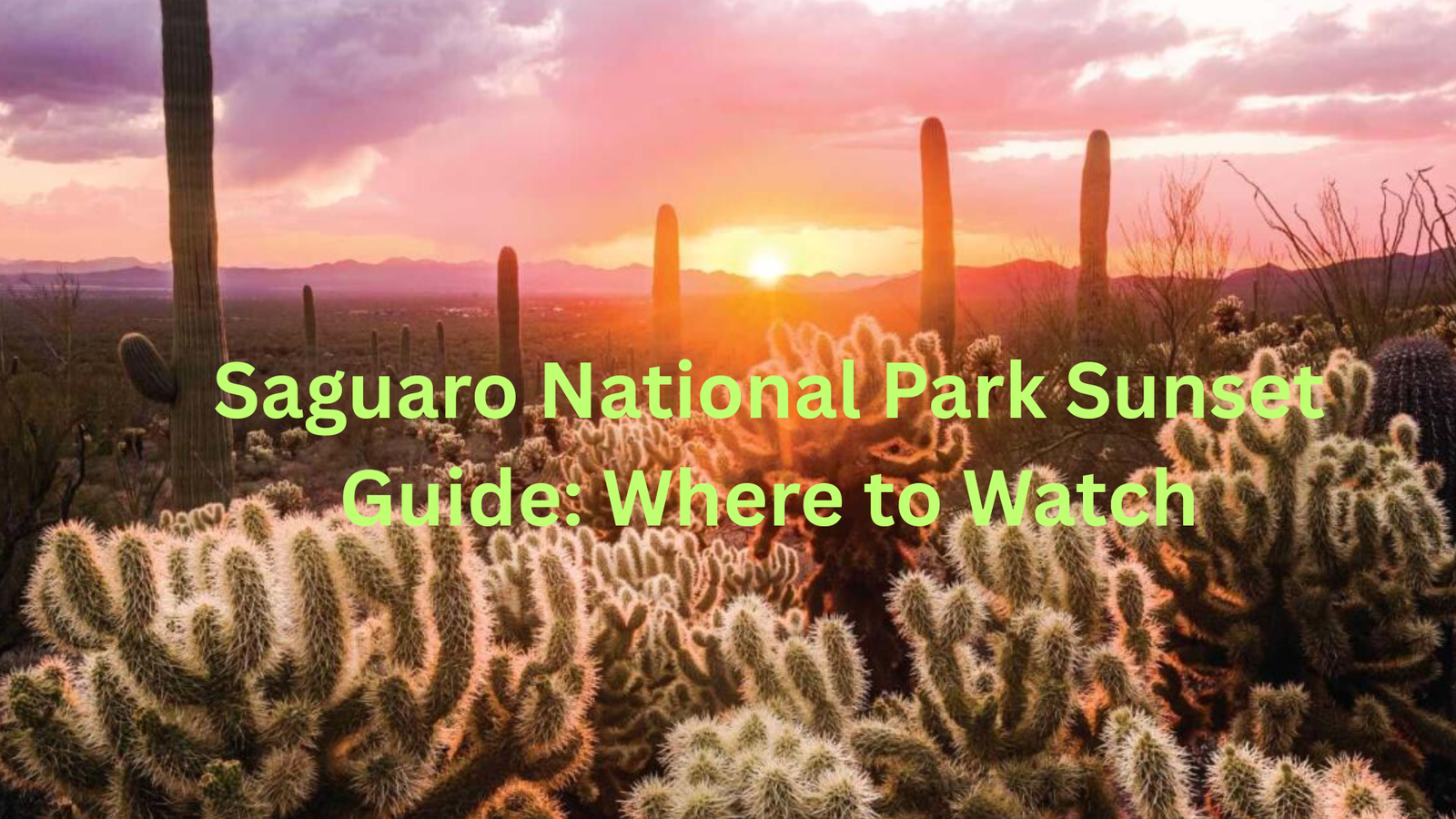
Golden hour turns the Sonoran Desert into a warm, glowing scene, and Saguaro National Park is one of the best places to take it in. With two districts on each side of Tucson and millions of tall saguaro, the sunset views feel different in every direction.
Some spots need a short walk while others sit right by the road. A few fill up fast, and others stay quiet even at the end of the day. Choosing the right place helps you enjoy the moment your way.
This guide shares clear details on top locations in both districts, along with trailhead, parking notes, and timing tips so you know where to go and what to bring for a calm evening under the sky.
Understanding Saguaro National Park’s Two Districts
Saguaro National Park isn’t one place. It’s two. The city of Tucson sits right between them. Each side offers different sunset experiences, and knowing the differences helps you pick the right spot.
Saguaro West (Tucson Mountain District)
This is the smaller side, but don’t let that fool you. The saguaros here grow closer together, creating that classic desert postcard look. You’ll see more cacti per square mile than anywhere else in the park.
Most visitors head to the west side first. The elevated viewpoints are easier to reach, and photographers love the dense cactus silhouettes. If you want that iconic Arizona sunset shot, this is your spot.
Saguaro East (Rincon Mountain District)
The east side sprawls across over 57,930 acres of wilderness. It feels more remote and untamed. You’ll find higher elevation trails and backcountry camping options here.
I prefer the east side when I want solitude. Fewer people make the drive, which means you’ll often have sunset viewpoints to yourself. The gates stay open until 8:30 PM, giving you extra time to enjoy the afterglow.
Which Side Should You Choose for Sunset?
Here’s what matters most:
West Side Benefits:
- More saguaros in your view
- Easier access to overlooks
- Popular spots like Gates Pass
- Better for quick visits
East Side Benefits:
- Less crowded experiences
- Multiple scenic pullouts along the drive
- Gates close later (8:30 PM)
- More wilderness atmosphere
My honest take? If it’s your first visit, go west. The density of saguaros makes for dramatic sunsets. But if you’ve been before or want peace, head east.
Best Sunset Locations in Saguaro West
The west side packs serious sunset power into a smaller area. I’ve watched the sky turn orange, pink, and purple from all these spots, and each one delivers something different.
Gates Pass
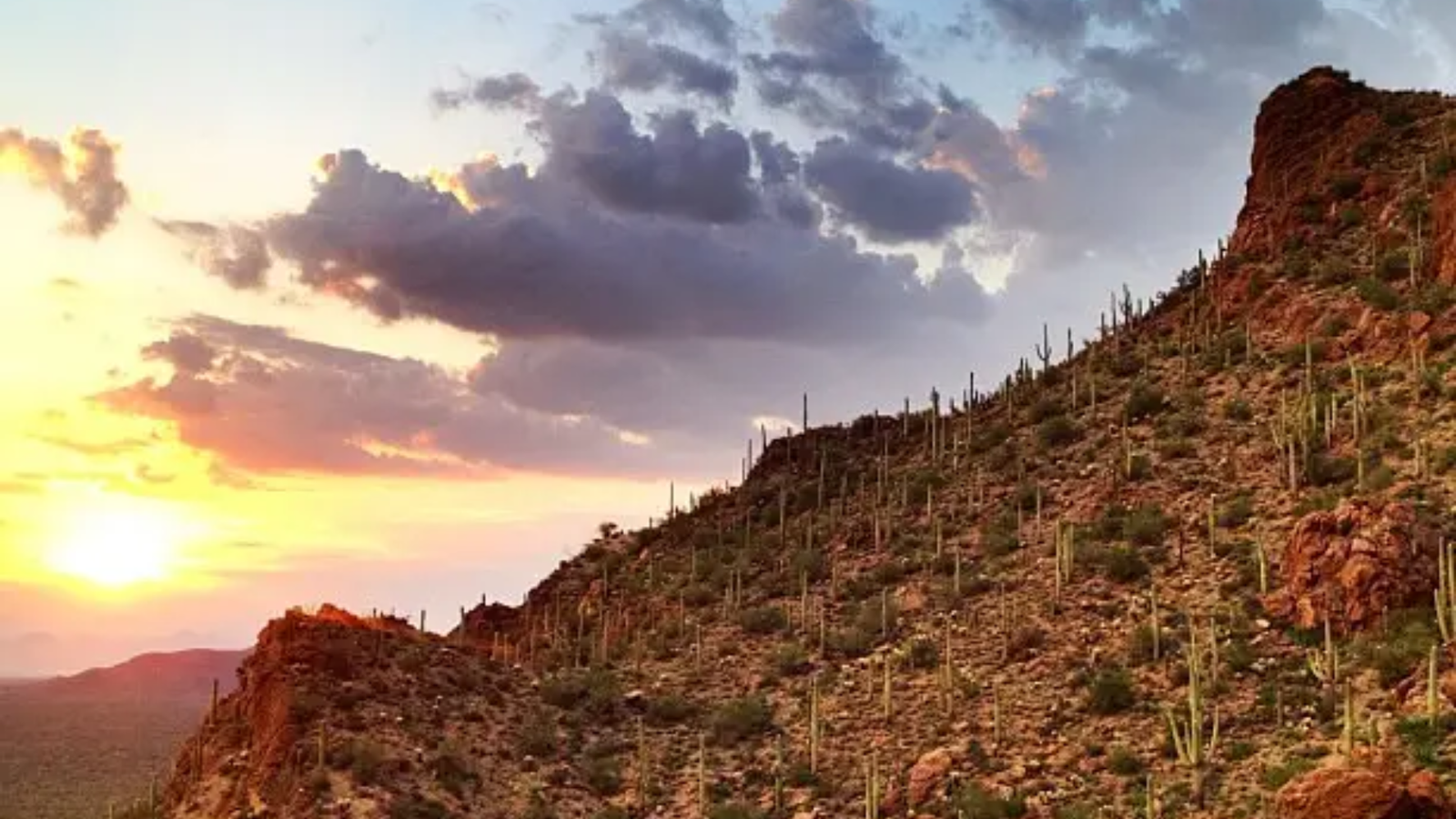
Gates Pass sits at the western end of Speedway Boulevard. Technically, it’s in Tucson Mountain Park, not the national park itself. But the National Park Service still recommends it as the best sunset spot.
The elevation here gives you a bird’s-eye view of the desert below. You’ll look down on thousands of saguaros stretching toward the horizon. The parking lot sits right at the top, making access easy.
Important details:
- Parking lot closes just after sunset
- The road is steep and winding
- Not recommended for vehicles over 25 feet long
- Gets crowded, but plenty of room to spread out
I’ve never left Gates Pass disappointed. Even with other people around, the view is big enough for everyone.
Valley View Overlook Trail
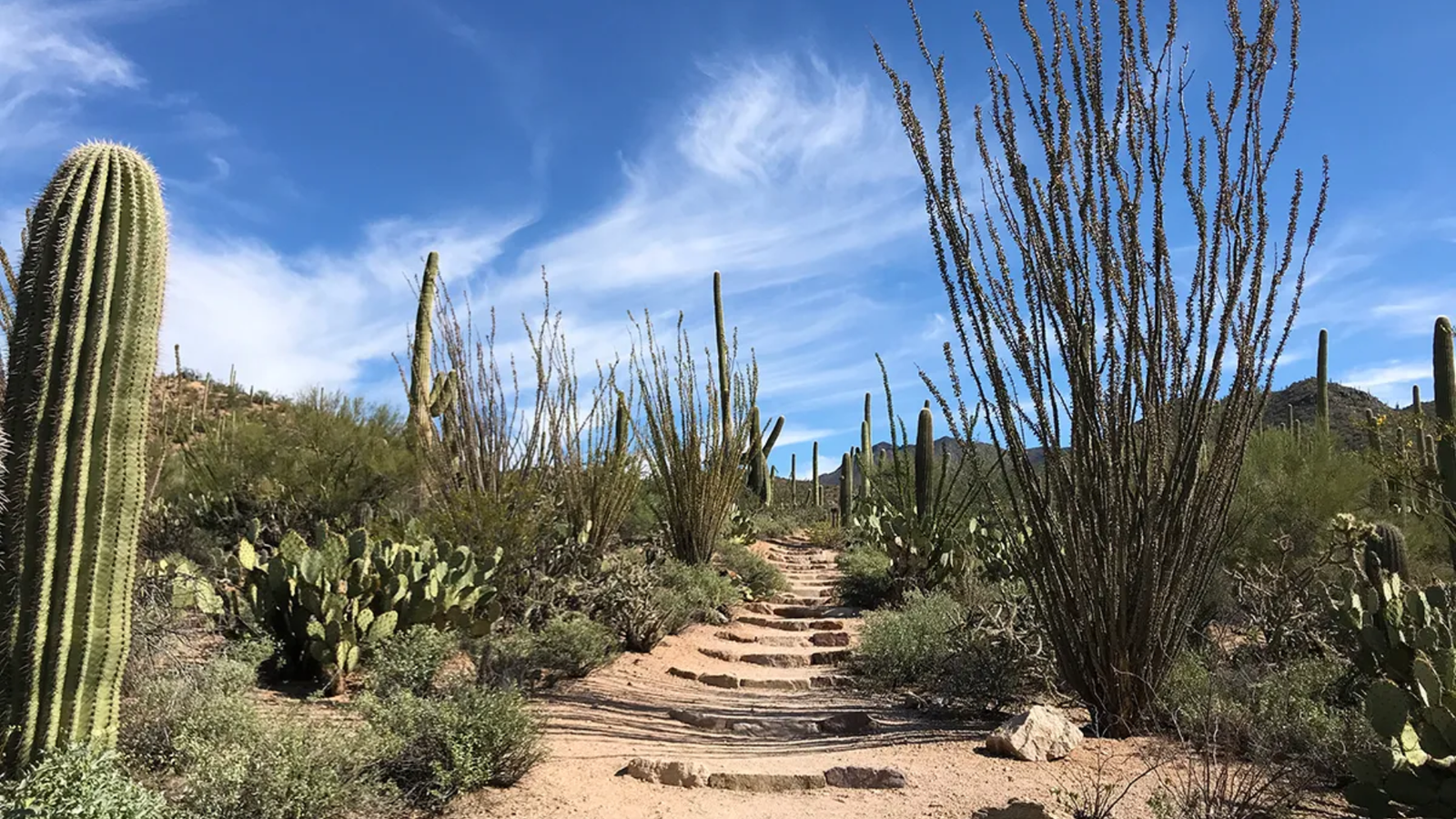
This trail runs less than a mile round trip off Hohokam Road. Perfect for families with kids or anyone wanting an easy walk. The path takes you through massive saguaros before ending at a viewpoint.
The overlook faces west over a field of cacti. As the sun drops, watch the shadows stretch across the desert floor. It’s peaceful here, and you can usually find a quiet spot away from others.
Desert Discovery Nature Trail
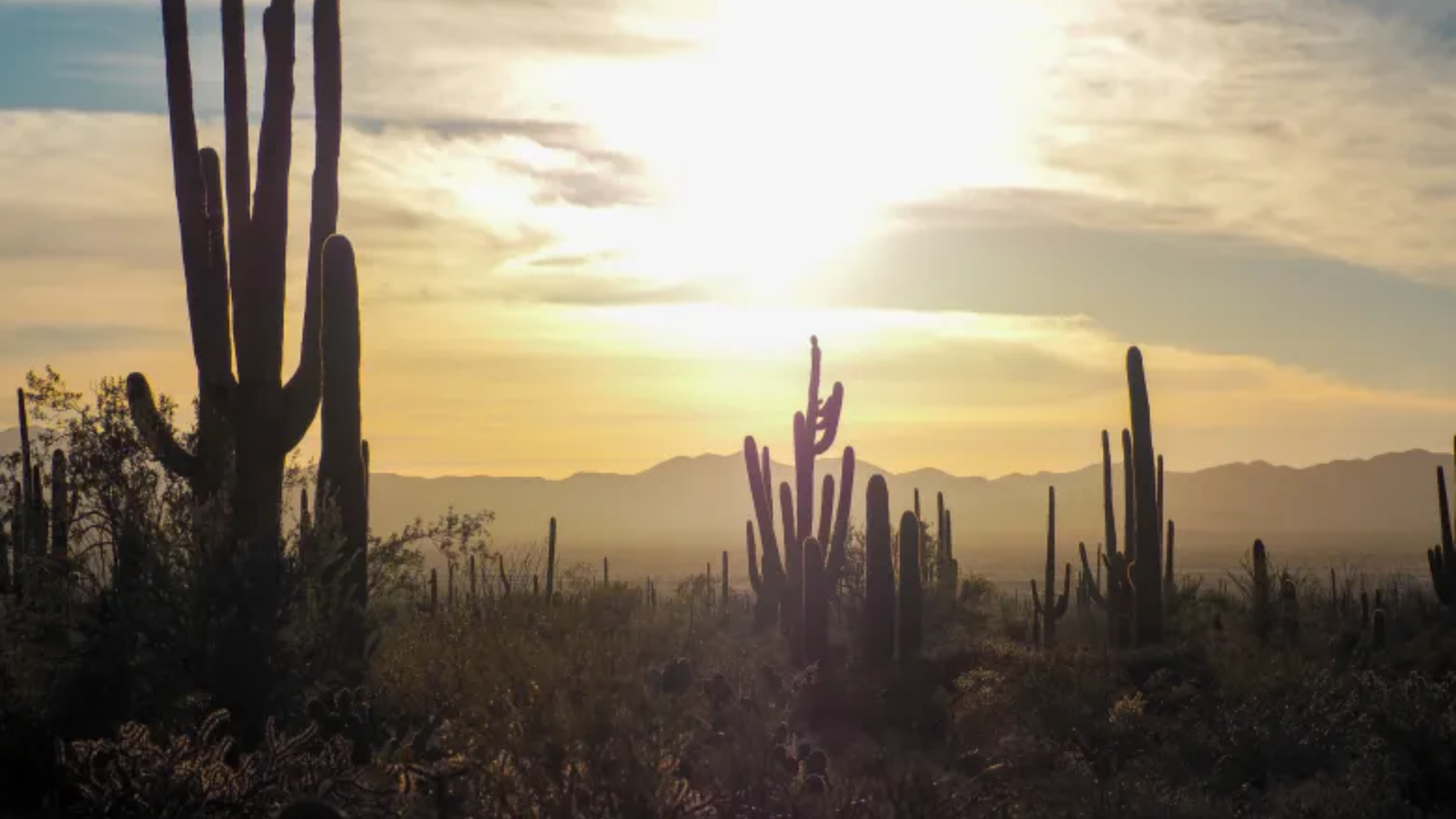
Half a mile. Paved. Flat. This trail checks all the accessibility boxes. I’ve seen people in wheelchairs, parents with strollers, and elderly visitors all enjoying this path at sunset.
What makes it special? You’re walking among the saguaros, not just looking at them from a distance. The sunset colors hit the cacti from the side, creating beautiful lighting. Plus, interpretive signs teach you about desert ecology while you wait for golden hour.
Why I recommend it:
- Less crowded than Gates Pass
- Great for photography
- Easy for all fitness levels
- Close-up cactus experiences
The park gets dark fast after sunset. Bring a flashlight for the walk back.
Signal Hill Area
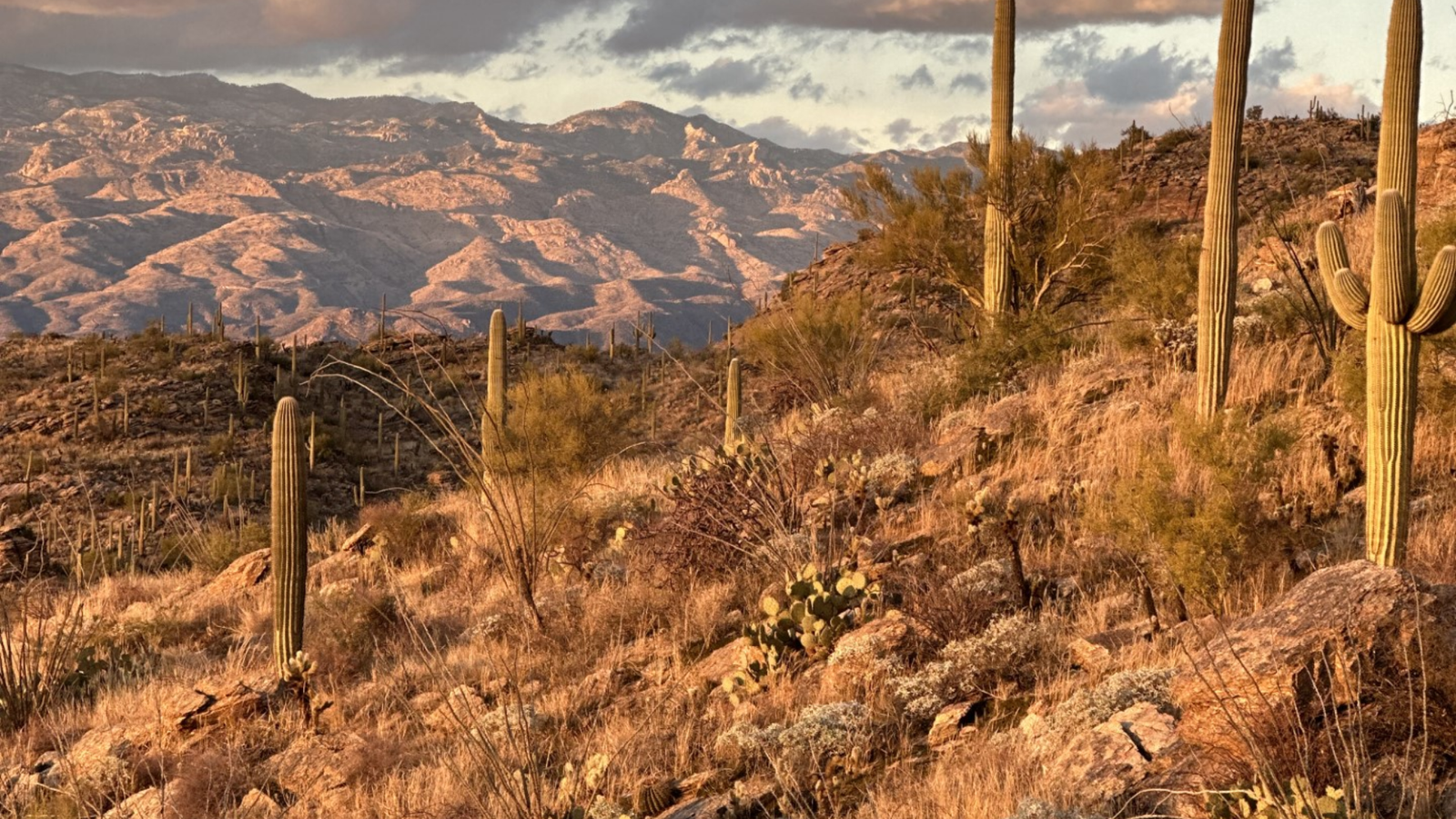
Signal Hill offers something unique: ancient petroglyphs plus sunset views. The trail climbs less than half a mile to a small hill covered with over 200 rock art panels. Some are 1,550 years old.
I like arriving about an hour before sunset. That gives me time to examine the petroglyphs, then settle in for the show. The elevated position provides decent views, though not as dramatic as Gates Pass.
Bonus features:
- Picnic benches near the parking
- Short, easy climb
- Cultural and natural experience combined
- Good for kids who get bored just watching sunsets
After the sun drops, the petroglyphs take on different shadows. It’s worth lingering a bit.
Wasson Peak Trail (For Adventurous Visitors)
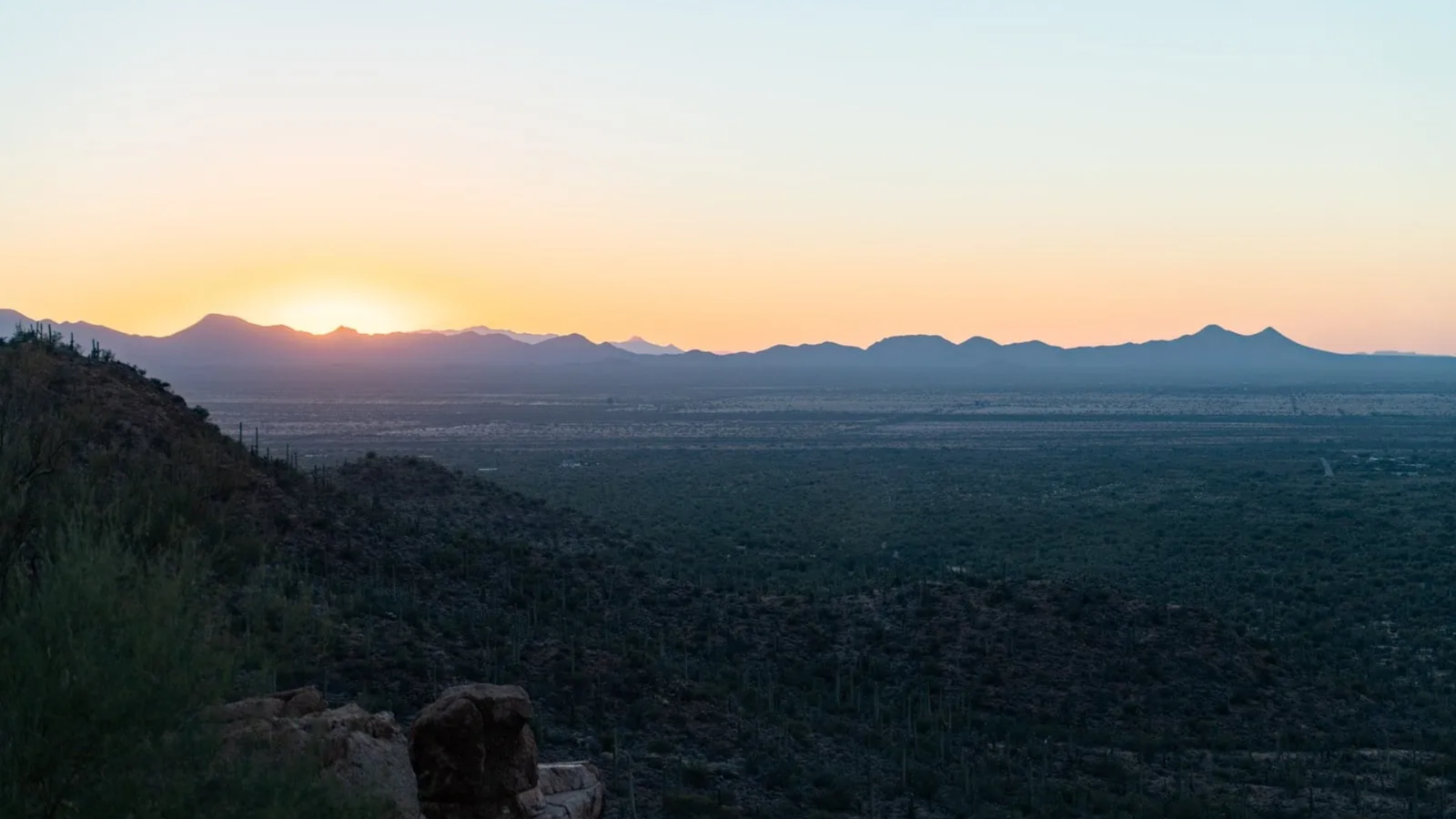
Let me be straight, this is not a casual sunset stroll. Wasson Peak requires 8 miles of hiking and 1,700 feet of climbing. But the payoff? Three-hundred-sixty-degree views from the tallest point on the west side.
I’ve done this hike three times. Start early afternoon to reach the summit with time to spare. The trail winds through saguaros and offers peek-a-boo views the whole way up. At the top, you’ll see mountains in every direction.
Plan accordingly:
- Only attempt in fall, winter, or spring
- Summer heat makes this dangerous
- Bring plenty of water
- Start 3-4 hours before sunset
- No shade anywhere on the trail
The sunset from Wasson Peak feels earned. You’ll have worked for that view, and somehow that makes it even better.
Best Sunset Locations in Saguaro East
The east side spreads out more than the west. You’ll drive through it rather than just stopping at one overlook. This gives you options, lots of them.
Tanque Verde Ridge Trail (Top Pick)
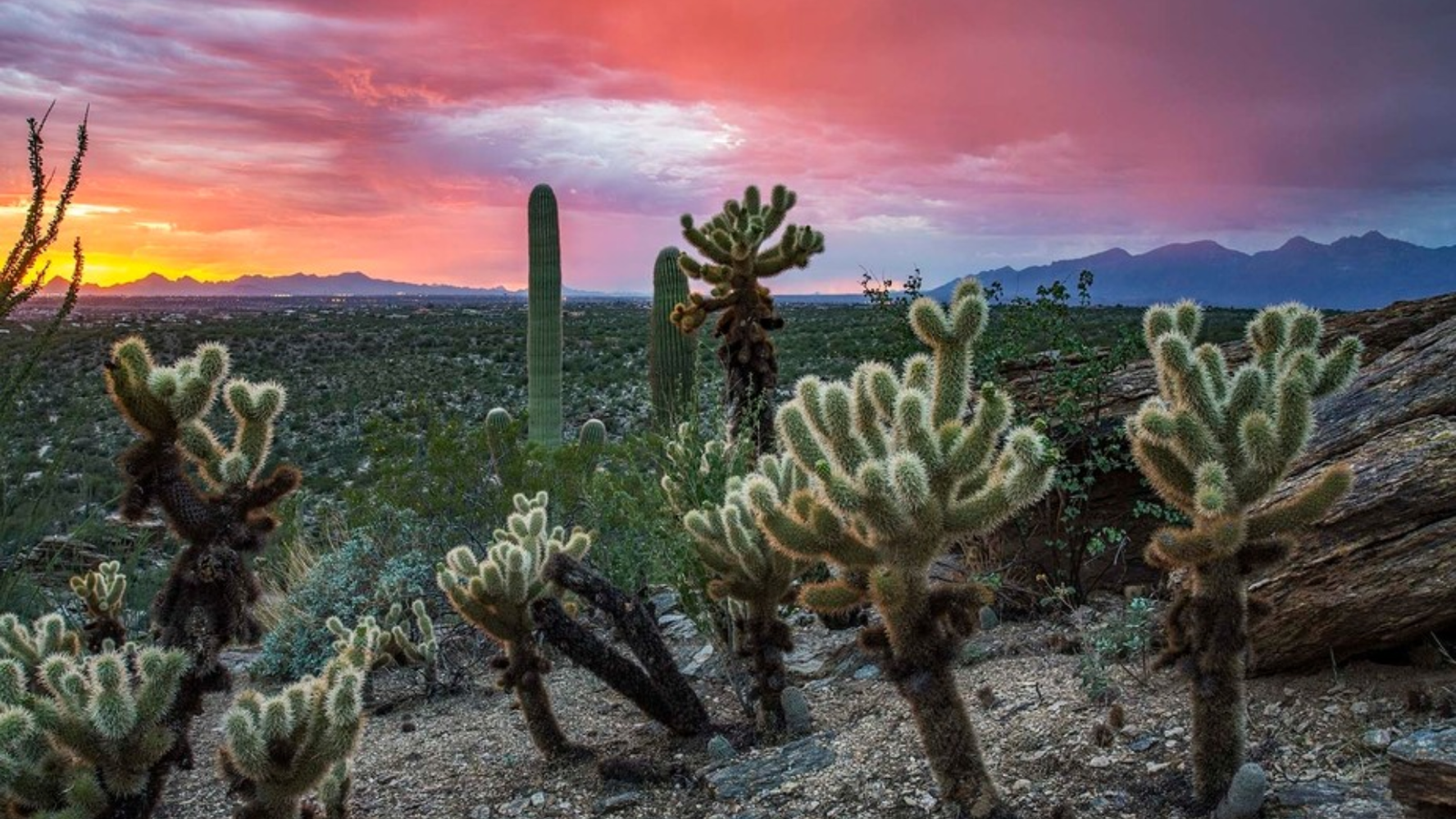
Start at Javelina Picnic Area on the south side of the parking lot. This trail gains elevation fast, which means big views without hiking for miles. You’ve got choices here.
At a quarter mile, you’ll hit the first rocky outcropping. The view west is already impressive. Many people stop here, snap photos, and head back. At three-quarters of a mile, another outcropping sits even higher. I usually push to this second spot.
Distance options:
- 0.25 miles: First viewpoint, easier climb
- 0.75 miles: Higher elevation, better views
- 2+ miles: Keep going for a backcountry experience
The trail continues 10 miles into the wilderness. But for sunset? Those first two stops give you everything you need. Less crowded than west side spots, with gorgeous western exposure.
Javelina Rocks Overlook
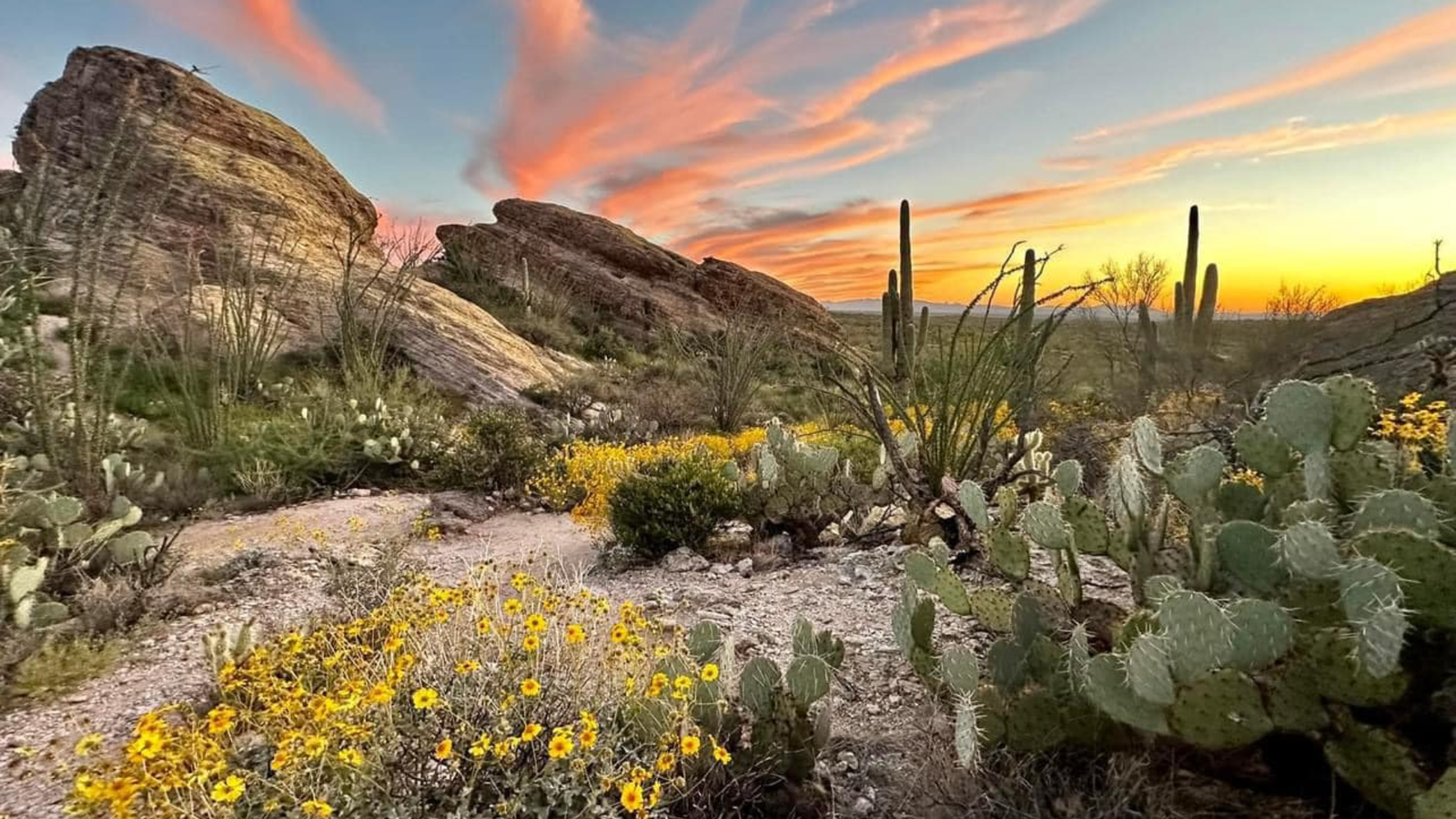
Pull off along Cactus Forest Loop Drive and you’ll find massive boulders next to the road. Parking is limited to only a few spots. If you snag one, climb up on the rocks for elevated sunset viewing.
I like the hands-on nature of this spot. You’re scrambling on rocks, finding your own perch, creating your own experience. Kids especially love exploring the formations while waiting for golden hour.
Cactus Forest Loop Drive Pullouts
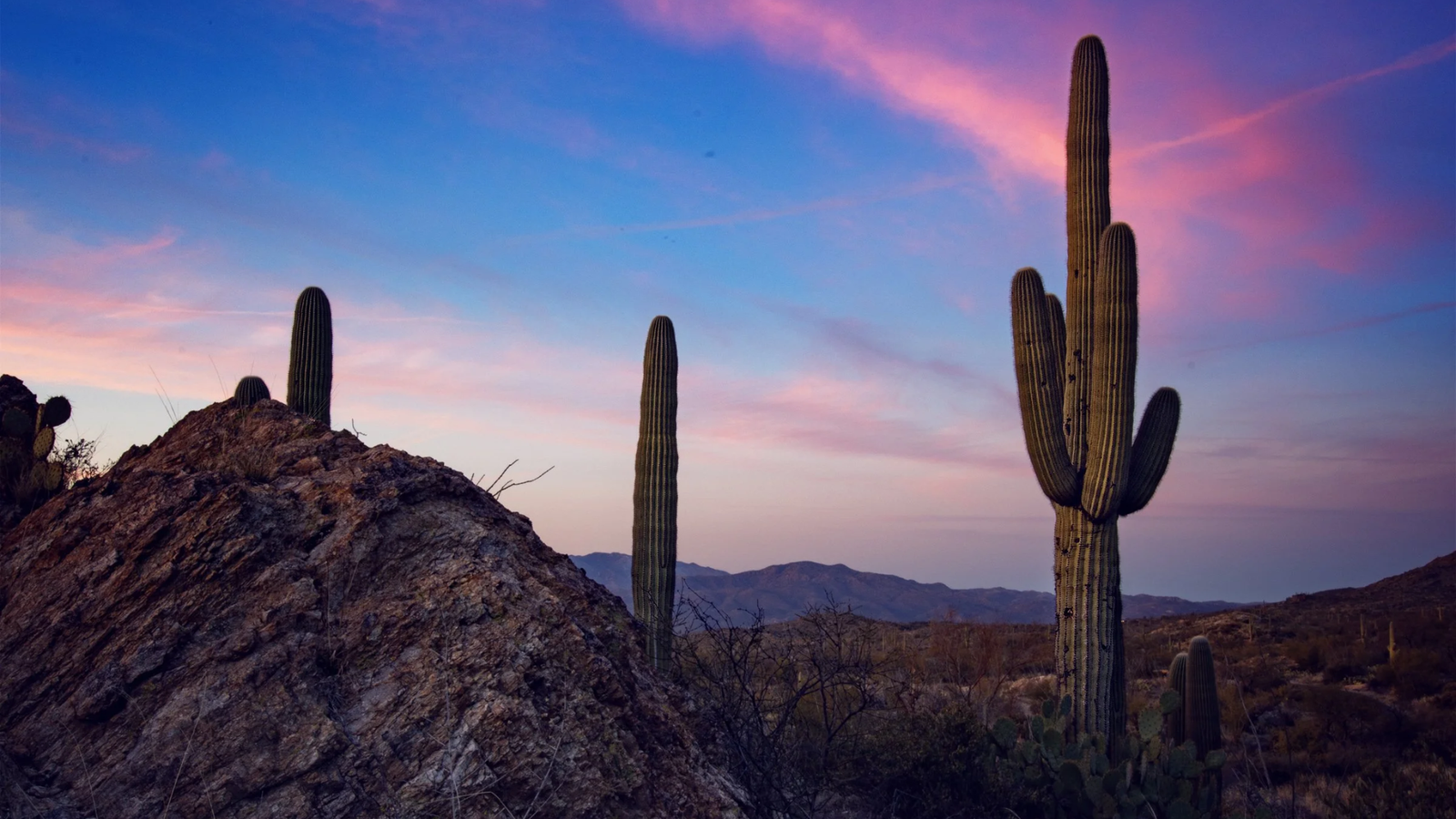
The 8-mile loop has dozens of places to stop. Some are marked. Most aren’t. I’ve discovered that driving the loop slowly and pulling over whenever something catches your eye works better than planning specific stops.
Here’s your advantage on the east side: gates don’t close until 8:30 PM. That means you can watch the full sunset, enjoy the afterglow, and still drive out without rushing. No other sunset location in the park gives you this much time.
My strategy:
- Drive the loop earlier in the day
- Note 2-3 spots that look promising
- Return before sunset
- Have a backup if your first choice is crowded
The flexibility here beats the west side’s more structured approach.
Mica View Picnic Area
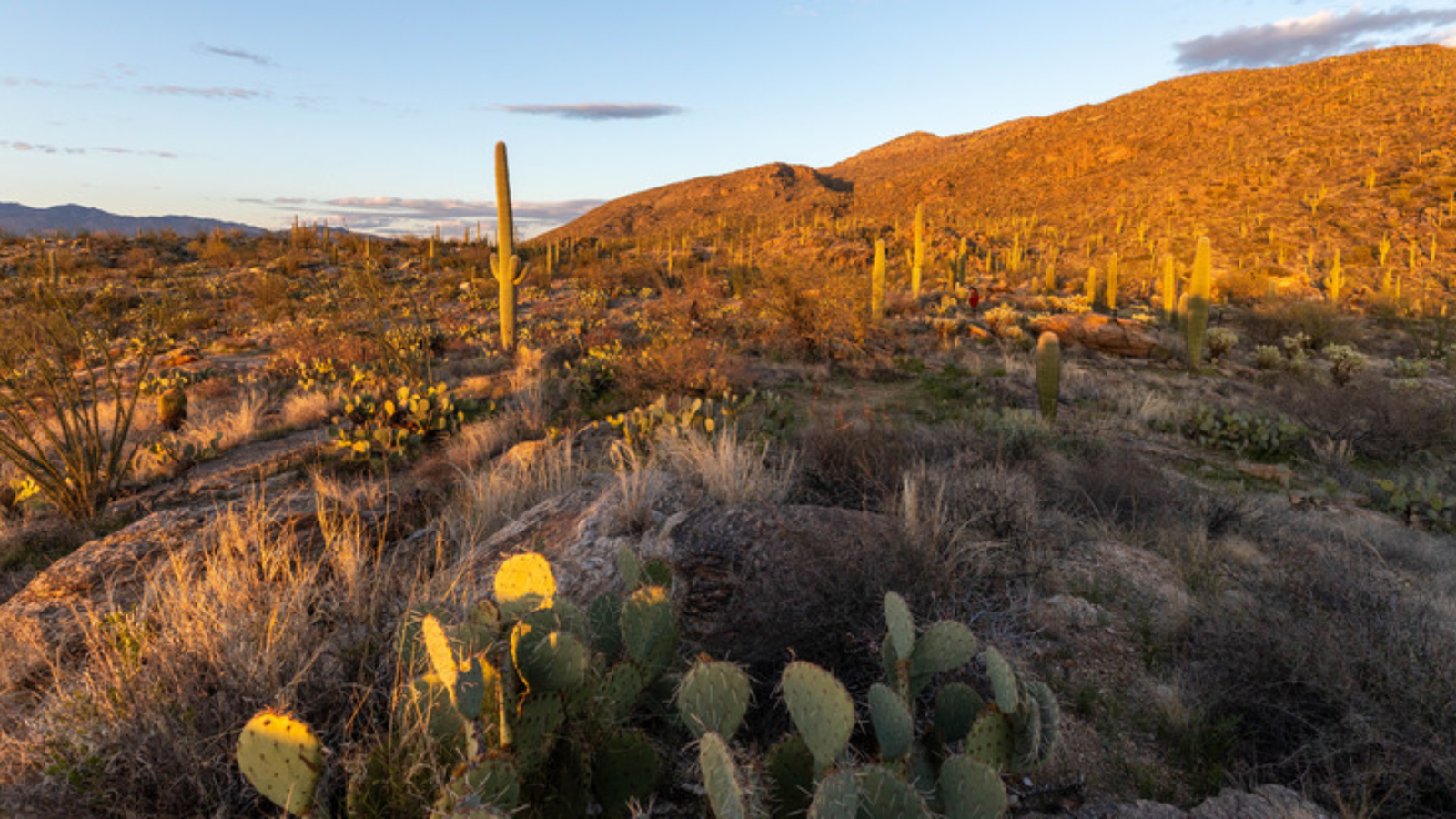
Drive a few miles off the main loop on a dirt road. Most people skip this spot, which makes it perfect for avoiding crowds. The picnic area sits in a peaceful setting with solid sunset views.
Rangers and locals rave about Mica View for sunset. I haven’t spent golden hour here yet, but it’s on my list for next visit. The dirt road keeps casual tourists away, leaving more space for people who make the effort.
Sunset Timing and Planning
Showing up at the right time makes the difference between a good sunset and a great one. I’ve learned this through trial and error.
Best Times to Visit for Sunsets
October through April gives you ideal conditions. The weather cools down, making afternoon hikes comfortable. December brings some of my favorite sunset temperatures, warm enough during the day, cool enough to move around without overheating.
Mid-March to mid-April adds wildflowers to the show. The desert blooms, and you get colorful plants plus colorful skies. It’s the park’s most popular season for good reason.
Seasonal breakdown:
- October-April: Best overall weather
- Mid-March to mid-April: Wildflower bonus
- December: Comfortable temperatures
- Summer: Skip it unless you love extreme heat
Gate hours matter:
- West: Closes at sunset (pedestrians/cyclists can enter 24/7)
- East: Stays open until 8:30 PM
That east side timing advantage is huge. You’re not racing the closing gates.
How Early Should You Arrive?
Gates Pass fills up fast. Arrive 30-45 minutes before sunset to claim parking and find your spot. I’ve shown up 20 minutes before and struggled to park.
For hiking trails, give yourself more buffer. Start 1-2 hours early for short trails like Valley View or Desert Discovery. This lets you walk at a relaxed pace and settle in before the main event.
Timing guide:
- Gates Pass/overlooks: 30-45 minutes early
- Short trails (under 1 mile): 1-2 hours early
- Long trails (Wasson Peak): 3-4 hours early
- Photography: Arrive when golden hour starts (1 hour before sunset)
The light changes constantly. Earlier arrival means you catch the whole transformation, not just the final minutes.
What to Bring?
Don’t underestimate the desert. Arizona heat lingers into the evening, even when the sun drops. I always pack more water than I think I need.
Essential items:
- Water (at least 32 oz per person)
- Camera or phone with a full battery
- Sturdy shoes (not flip-flops)
- Flashlight or headlamp
- Light jacket (temperature drops fast)
Optional but useful:
- Tripod for photos
- Snacks
- Sunscreen (yes, even at sunset)
- Bug spray
- First aid basics
The park goes dark after sunset. That flashlight isn’t optional if you’re on a trail.
Photography Tips for Saguaro Sunset
Every photographer wants that perfect saguaro silhouette shot. I’ve taken hundreds of sunset photos here, and some techniques work better than others.
- Look for saguaros with interesting arm shapes: Use the arms for natural framing and include smaller cacti or rocks for depth.
- Include multiple cacti at different distances: Use low angles to make saguaros tower overhead with wide or telephoto lenses.
- Expose for the sky and let cacti go to silhouette: This contrast creates the most dramatic images.
- Use a smaller aperture (f/8 to f/16) and lower ISO (100 to 400): Try HDR or bracketed exposures for sky and cactus details.
- Keep shooting after the sun drops below the horizon: The afterglow often produces richer colors than the actual sunset.
- Visit the crested saguaro near Javelina Picnic Area: This rare formation sits right off the road, perfect for sunset photos.
- Try Signal Hill for petroglyphs with a sunset backdrop: Ancient rock art creates unique shots, and animals get active at dusk.
Additional Sunset Experiences
Sunset doesn’t have to be just about watching the sky change colors. Combine it with other activities for a fuller experience.
Combine Sunset with Other Activities
The Arizona-Sonora Desert Museum sits right outside Saguaro West. Spend your afternoon there, then drive to Gates Pass for sunset. The museum closes at 5 PM in winter, 10 PM in summer, giving you perfect timing flexibility.
Rangers lead night hikes after sunset on certain evenings. You’ll explore the desert with flashlights, learning about nocturnal animals and night-blooming plants. Check the park calendar for schedules.
Combination ideas:
- Desert Museum + Gates Pass sunset
- Petroglyphs at Signal Hill + sunset viewing there
- Scenic drive + multiple sunset pullouts
- Afternoon hike + summit sunset
The scenic drives work great at sunset. You’re already in your car, so you can chase the light to different viewpoints as conditions change.
Alternative Sunset Activities
Want to camp? The east side offers backcountry camping with permits. Imagine waking up to sunrise in the wilderness after watching sunset the night before. You’ll need to plan, as permits are limited.
Picnic areas near sunset viewpoints let you make dinner part of the experience. Javelina, Mica View, and Signal Hill all have picnic facilities. Pack a meal and eat while you wait for golden hour.
Other options:
- Backcountry camping (permit required, east side only)
- Picnic dinner at sunset viewpoints
- Wildlife watching (animals are more active at dusk)
- Stargazing after dark (exceptional dark skies)
After sunset, stick around if you’re on the east side. The stars come out in force. Saguaro National Park has minimal light pollution, making it excellent for astronomy.
Practical Information
Let’s cover the logistics that matter. Nothing ruins a sunset like discovering you can’t enter the park.
Park Entry and Fees
Entry costs $25 per vehicle. Your pass works for seven days in both districts, so you can visit multiple times. On the west side, pay at the visitor center. The east side has an entry booth where you pay before driving in.
Planning to visit more than three national parks this year? The America the Beautiful Pass costs $80 and covers entrance fees at all federal recreation sites. It pays for itself fast.
Fee details:
- $25 per vehicle (valid 7 days)
- West: Pay at the visitor center
- East: Entry booth at the entrance
- Annual pass: $80 (covers all national parks)
Keep your receipt. You’ll need it to re-enter.
Safety Considerations
These trails have zero shade. Even at sunset, the afternoon heat lingers. I’ve seen people underestimate this and struggle. Drink water before you feel thirsty.
The park goes dark quickly after sunset. In the West, you need to exit before closing. Fumbling down a trail in complete darkness without a light is dangerous. Always bring a flashlight, even for short walks.
Stay safe:
- No shade on any trails
- Park darkness comes fast
- Exit the west side before closing
- Watch for wildlife on roads at dusk
- Stay on marked trails
Wildlife gets active around sunset. I’ve nearly stepped on rattlesnakes that were warming themselves on trails. Watch where you walk, especially in low light.
How Much Time to Allocate
A quick sunset visit takes 1-2 hours. Drive to Gates Pass, watch the show, drive back. Simple and satisfying.
Want to hike first? Plan 3-4 hours. This gives you time to explore a trail, reach your viewpoint, and settle in before golden hour. I like having extra time to find the perfect spot without rushing.
Time recommendations:
- Quick sunset only: 1-2 hours
- Sunset with short hike: 3-4 hours
- Both districts: Separate days
- Full experience: Visit the west first, return to the east another evening
Visiting both sides in one sunset doesn’t work well. They’re 30-45 minutes apart through Tucson. Pick one district per evening.
Nearby Accommodations and Amenities
Where you stay affects your sunset experience. Closer means more flexibility in your timing.
Where to Stay?
Graduate Tucson sits in downtown Tucson, right between both park districts. I stayed there in December and loved it. The rooftop bar offers fire pits and city views-perfect for relaxing after a sunset adventure.
The hotel opened in 2020, so everything feels fresh. The location makes it easy to visit either park side or explore Tucson’s restaurants and shops.
Graduate Tucson highlights:
- Central downtown location
- Rooftop bar with desert views
- Walking distance to dining
- Modern, well-maintained
Other hotels cluster near both park entrances. Check the accommodations pages for full listings near your preferred district.
Dining and Services
Downtown Tucson has dozens of restaurants. Eat before heading to sunset since there’s nothing near the park entrances. I usually grab an early dinner, then drive to my sunset spot.
Limited services exist near both park districts. Gas stations and convenience stores appear on the outskirts, but plan meals and supplies before you go. The park has no food, water, or services inside.
Food planning:
- Eat in Tucson before/after
- No services inside park boundaries
- Pack snacks and water
- Downtown offers most dining options
After sunset, you’ll be hungry. Having a restaurant picked out ahead of time beats driving around looking for food.
Conclusion
You now have clear guidance to catch a sunset in Saguaro National Park. You can pick Gates Pass for simple access, Tanque Verde Ridge for quiet space, or another lookout that feels right for you. Each option gives you a warm view of the desert at the end of the day.
The west side has thick saguaro stands and well-known overlooks. The east side offers calm areas and a longer window to watch the light fade. Both sides give you desert colors that stay with you.
Bring water, arrive with extra time, and carry a flashlight for the walk back. If you have questions about trails or timing, share them in the comments. If this guide helped you, pass it on to friends planning a visit. The desert is ready for your sunset.
Frequently Asked Questions
What is the best spot to watch the Saguaro National Park sunset?
Gates Pass offers the best views, sitting at a high elevation overlooking thousands of saguaros. It’s technically in Tucson Mountain Park, but it provides panoramic desert sunset views. For less crowded options, try Tanque Verde Ridge Trail in the east or Desert Discovery Nature Trail in the west.
Which side of Saguaro National Park is better for sunset?
The west side has denser saguaro populations and easier overlook access, making it ideal for first-time visitors. The east side offers fewer crowds and stays open until 8:30 PM, giving you more time after sunset. Both sides deliver spectacular views.
How early should I arrive for the Saguaro National Park sunset?
Arrive 30-45 minutes before sunset for popular spots like Gates Pass to secure parking. For hiking trails, start 1-2 hours early. Longer hikes like Wasson Peak require 3-4 hours. Golden hour begins about an hour before sunset for photographers.
Can you stay in Saguaro National Park after sunset?
The west side closes at sunset, requiring you to exit. The east side stays open until 8:30 PM, allowing time to enjoy the afterglow. Pedestrians and cyclists can access both sides 24/7, but vehicles must follow gate hours.
What should I bring to watch the sunset at Saguaro National Park?
Bring plenty of water, a flashlight or headlamp, sturdy footwear, and a light jacket. The desert gets dark quickly after sunset. A camera, a phone with a full battery, and sunscreen are recommended. No shade exists on trails, even during evening hours.
